

Plants for Pollinators
Flowers provide nectar and pollen for bees, butterflies, flies, beetles and many other pollinating insects. A useful pollinator garden has something flowering across different seasons, with a mix of flower shapes and sizes rather than one short burst from a single species. 29 plants in the library.
29 plants
Fruit tree
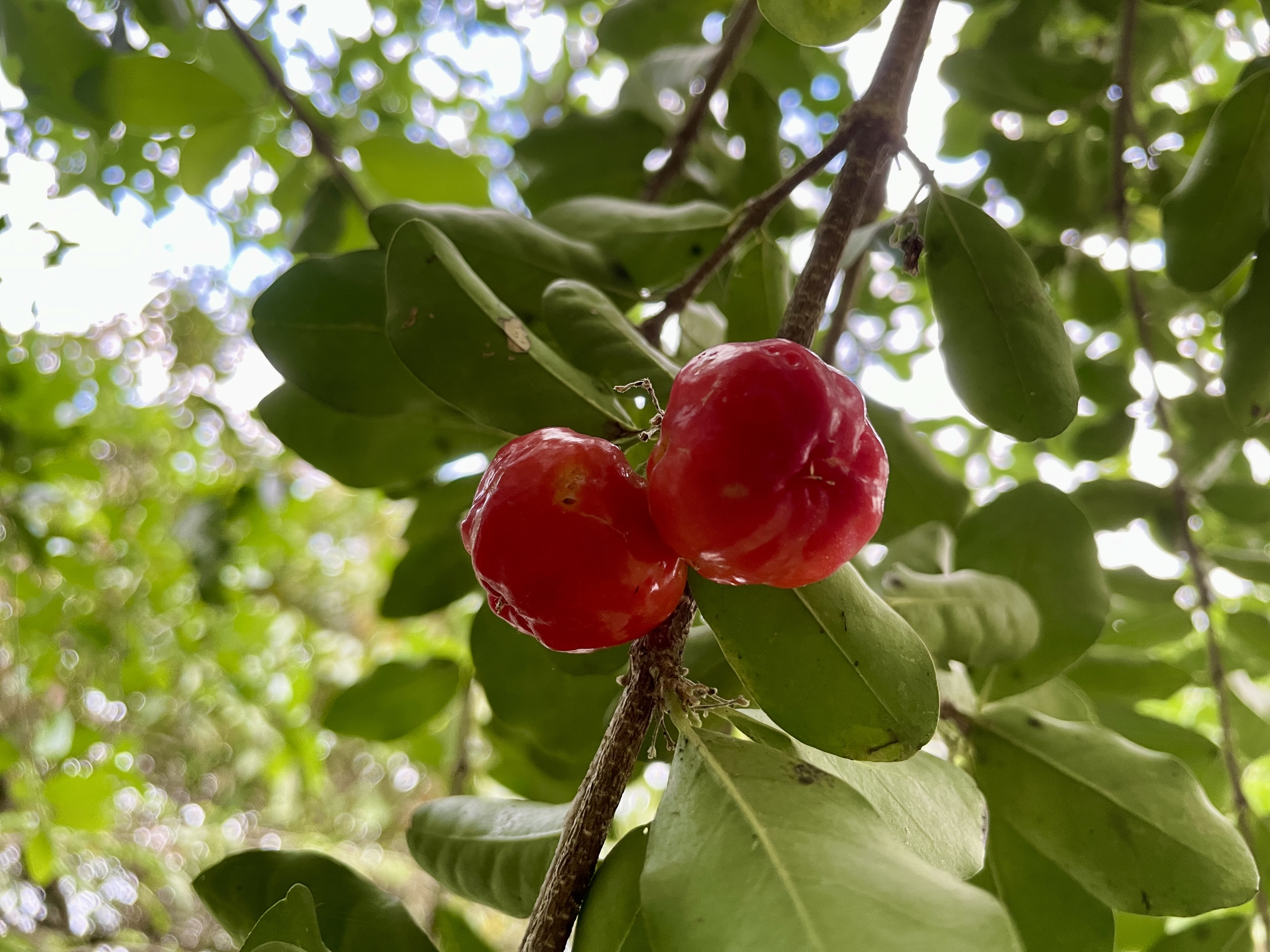
Acerola cherry
Acerola is a fast-growing tropical fruit shrub or small tree with bright red, tart-sweet fruit and very high vitamin C.
Fruit tree
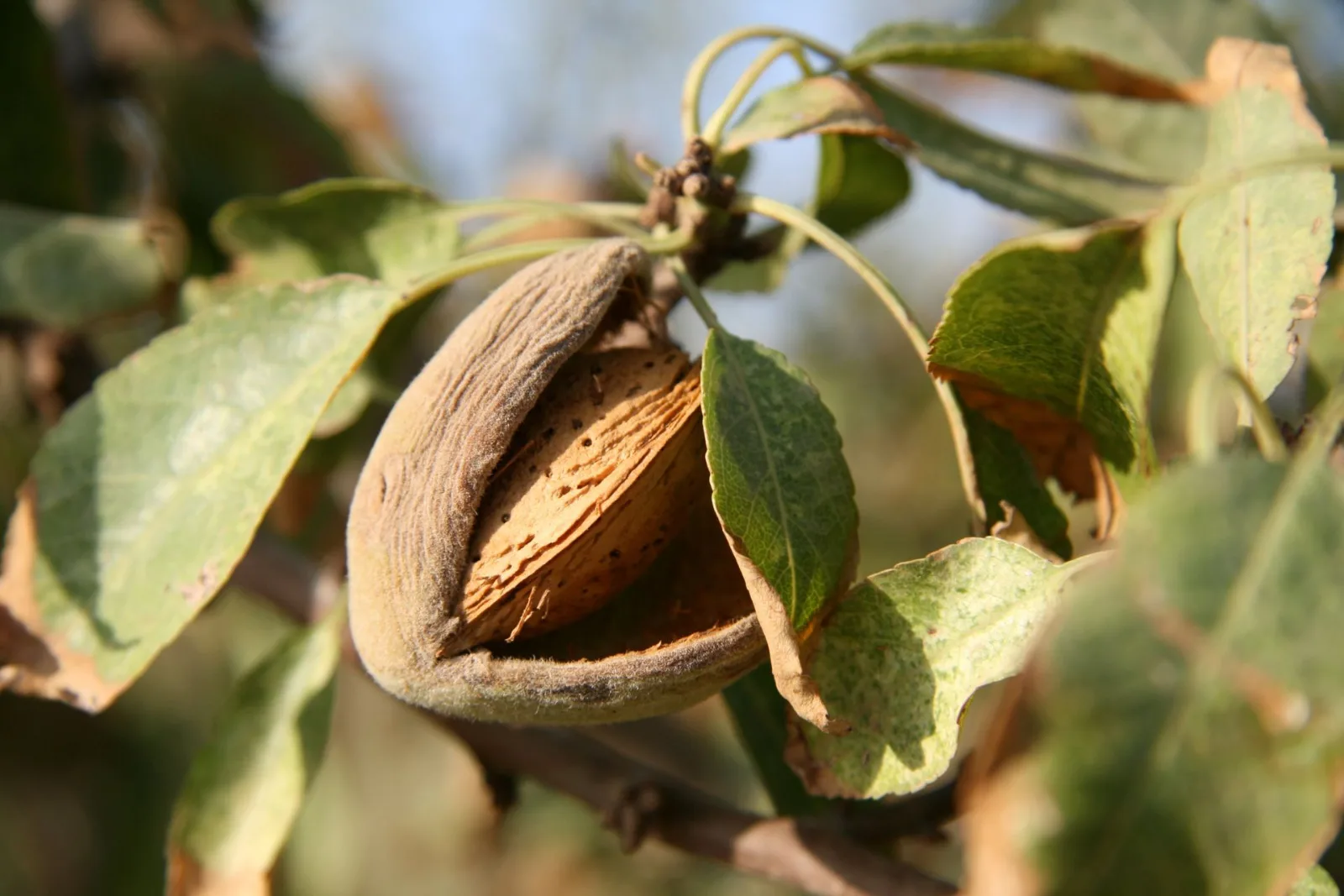
Almond
Almond is a deciduous nut tree that needs winter chill, full sun and good spring weather for pollination. Many varieties need a compatible pollinator.
Fruit tree
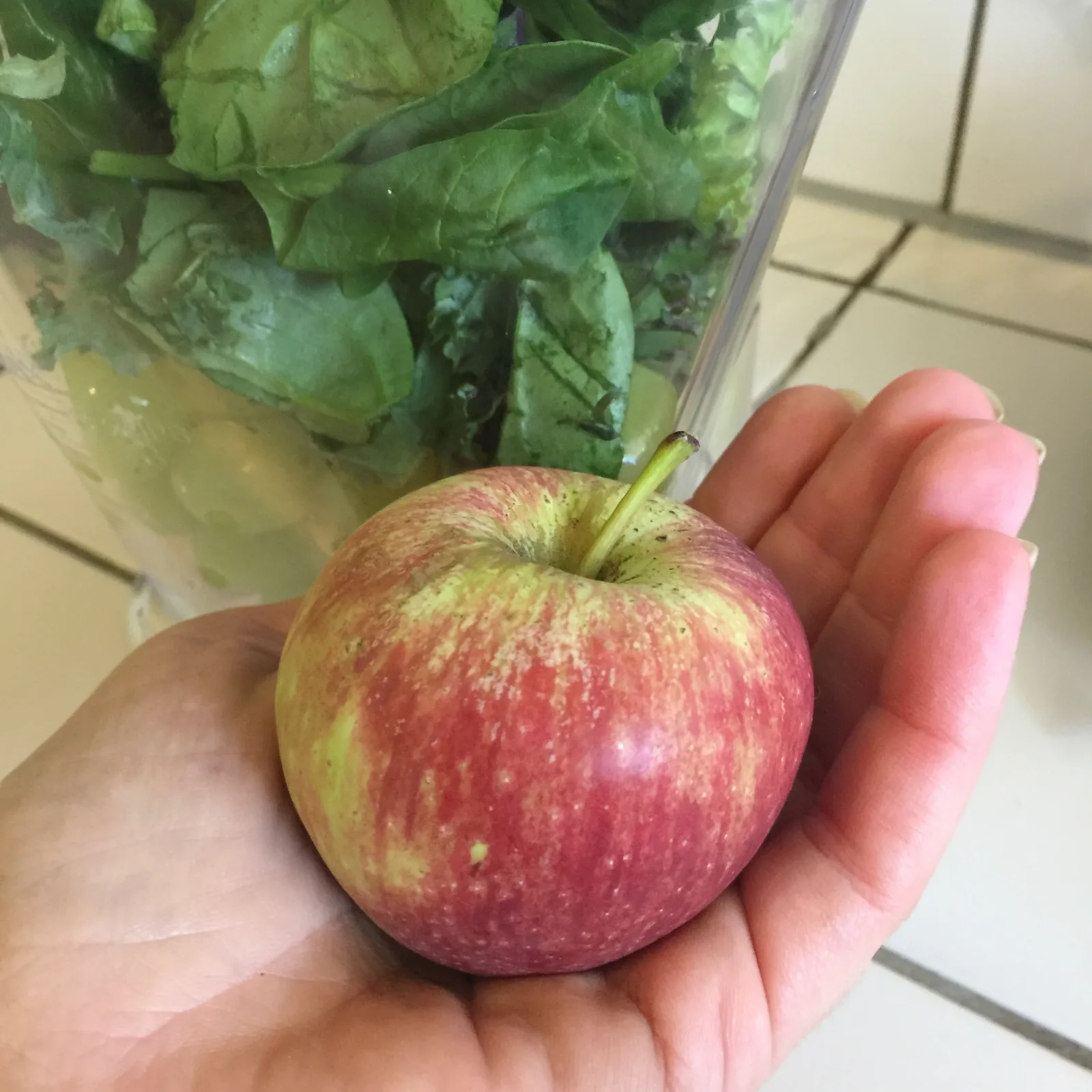
Apple
Apples range from low-chill subtropical cultivars to high-chill trees for cold districts. Choosing the right cultivar for your winter is the first step to getting reliable flowers and fruit.
Fruit tree
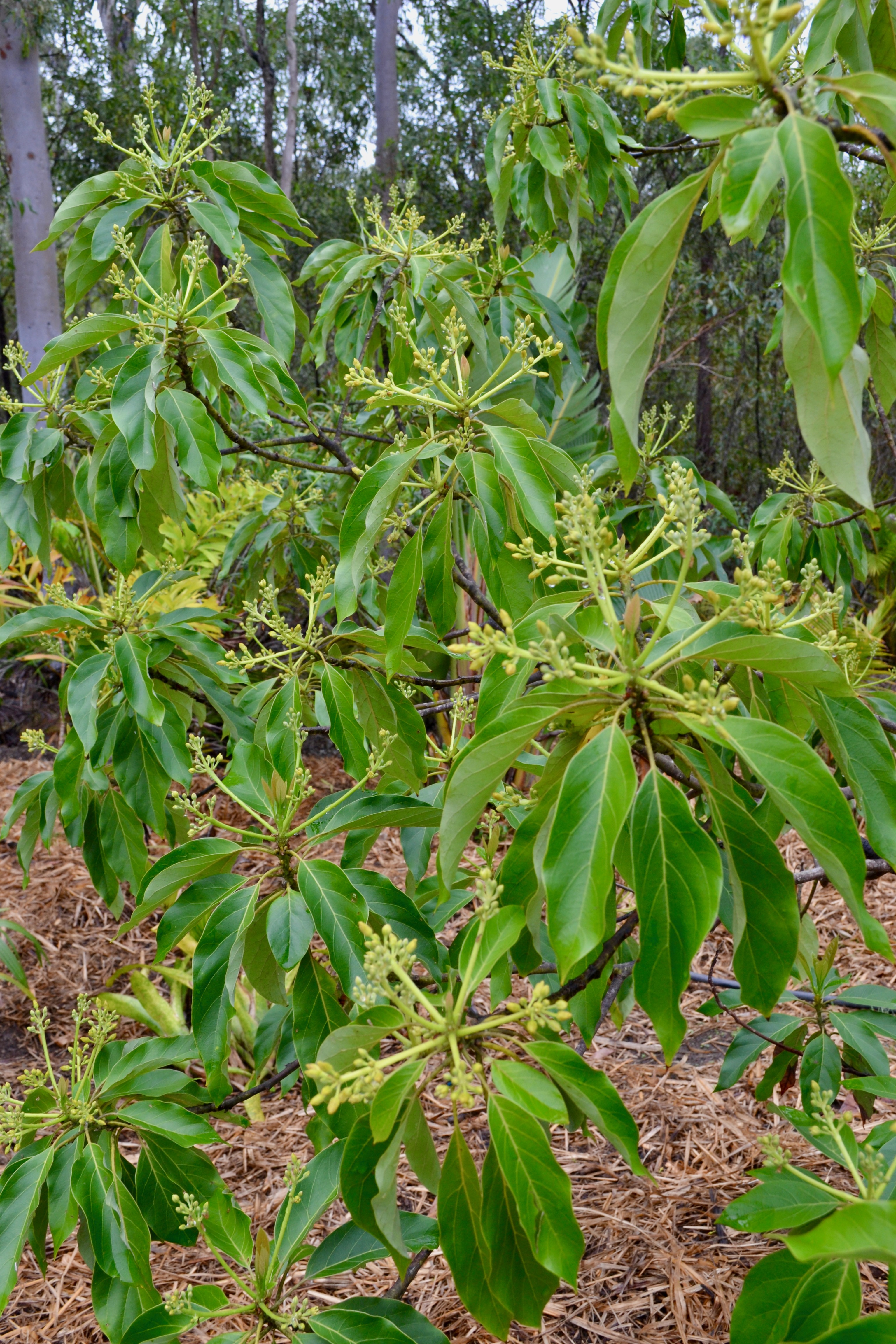
Avocado
Avocados need very good drainage, regular moisture and protection from root rot. Feeding and pruning should be light and matched to the tree's growth.
Ornamental
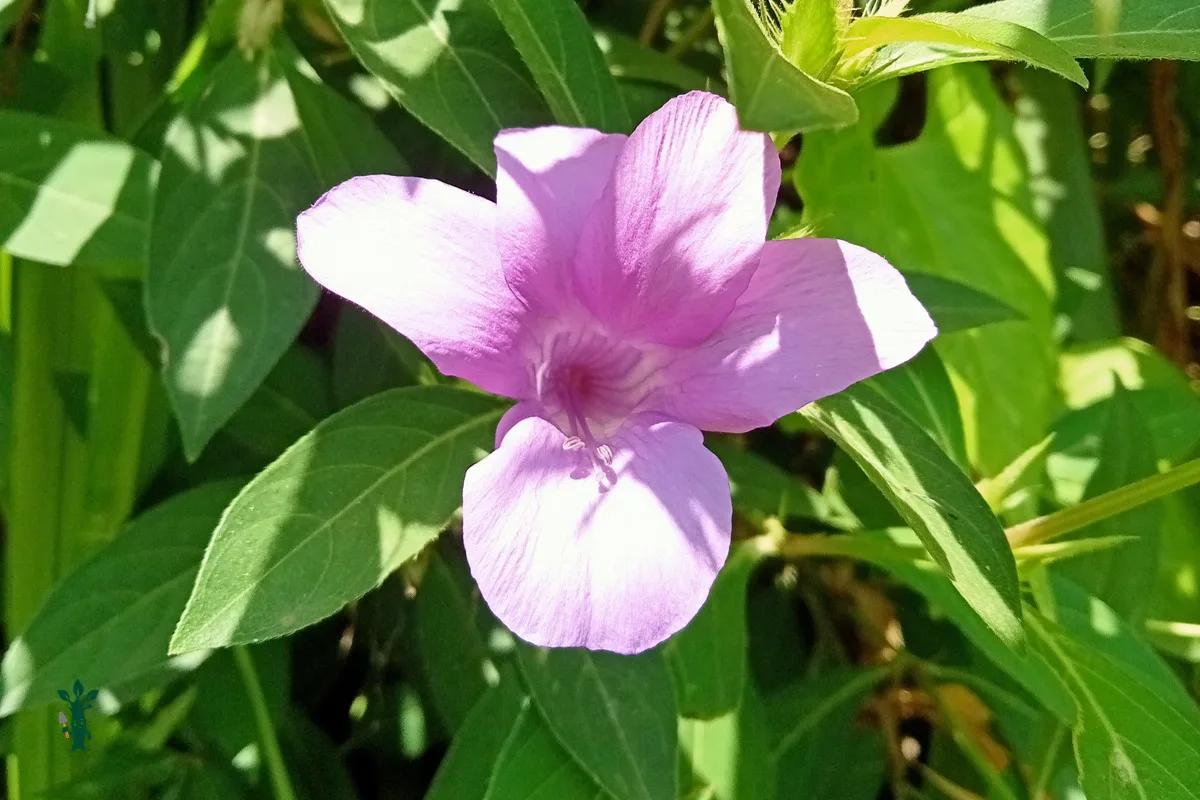
Barleria
Barleria obtusa is a spreading warm-climate shrub grown for its purple flowers through the cooler part of the year. It handles sun or part shade, responds well to pruning and can be kept as a rounded shrub rather than allowed to sprawl.
Herb & spice
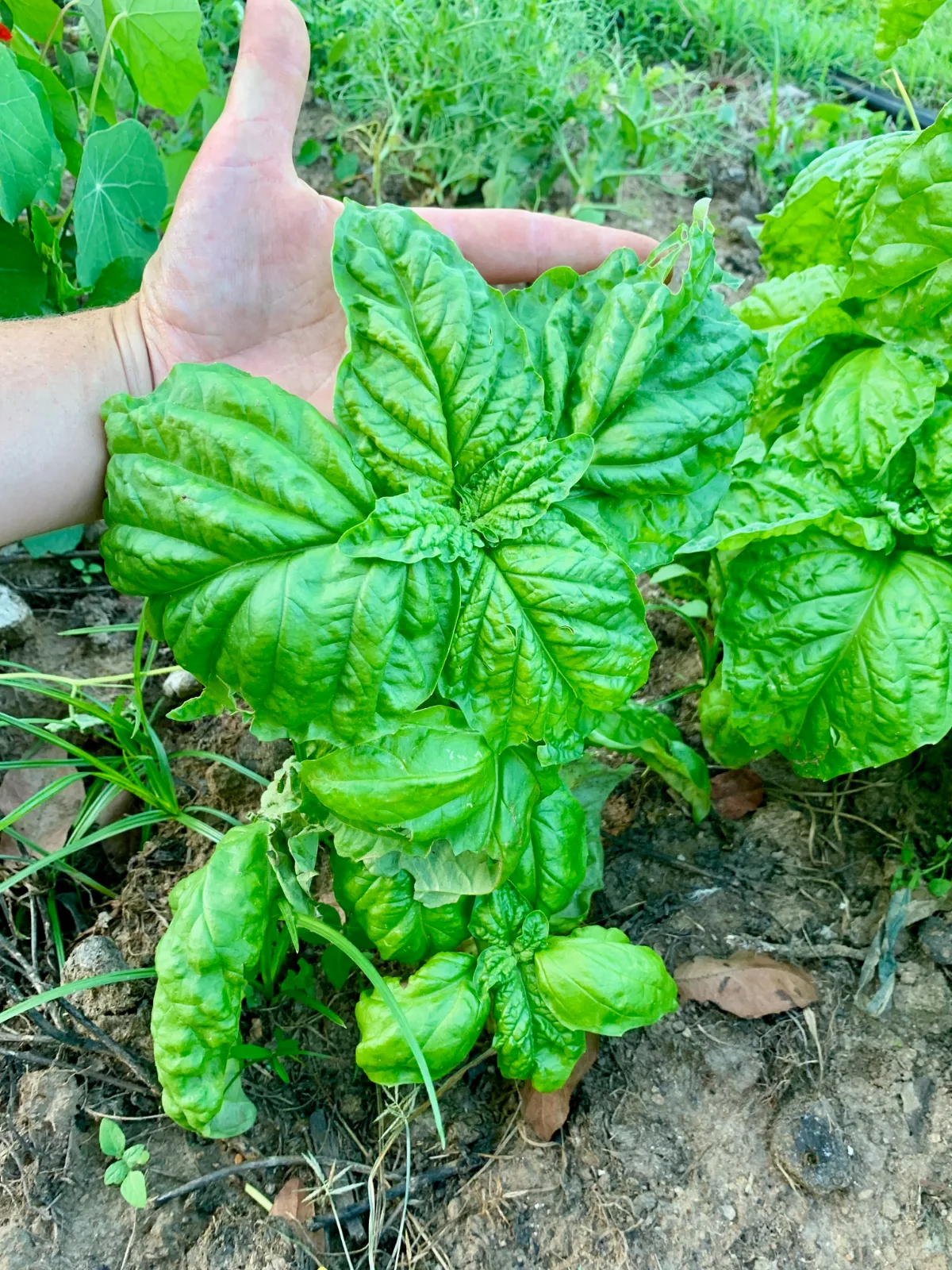
Basil
Basil grows quickly in warm weather and likes regular picking. Remove flower buds for a longer leaf harvest, or leave some flowers if you want seed or food for pollinators.
Fruit & berry
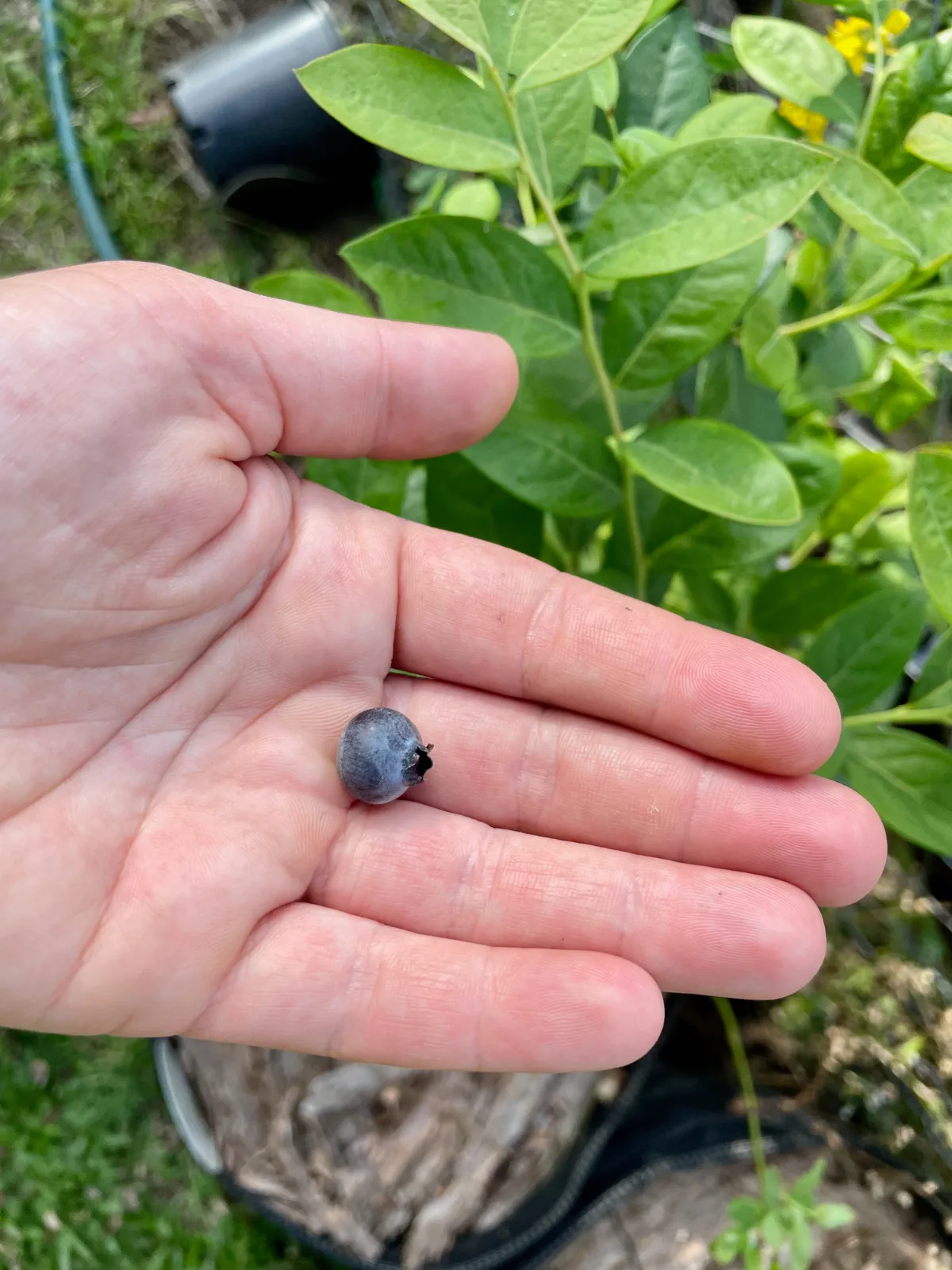
Blueberry
Blueberries need acidic soil, steady moisture and a cultivar group that matches your winter. Southern Highbush and Rabbiteye suit warmer districts, while Northern Highbush needs more winter chill.
Herb & spice
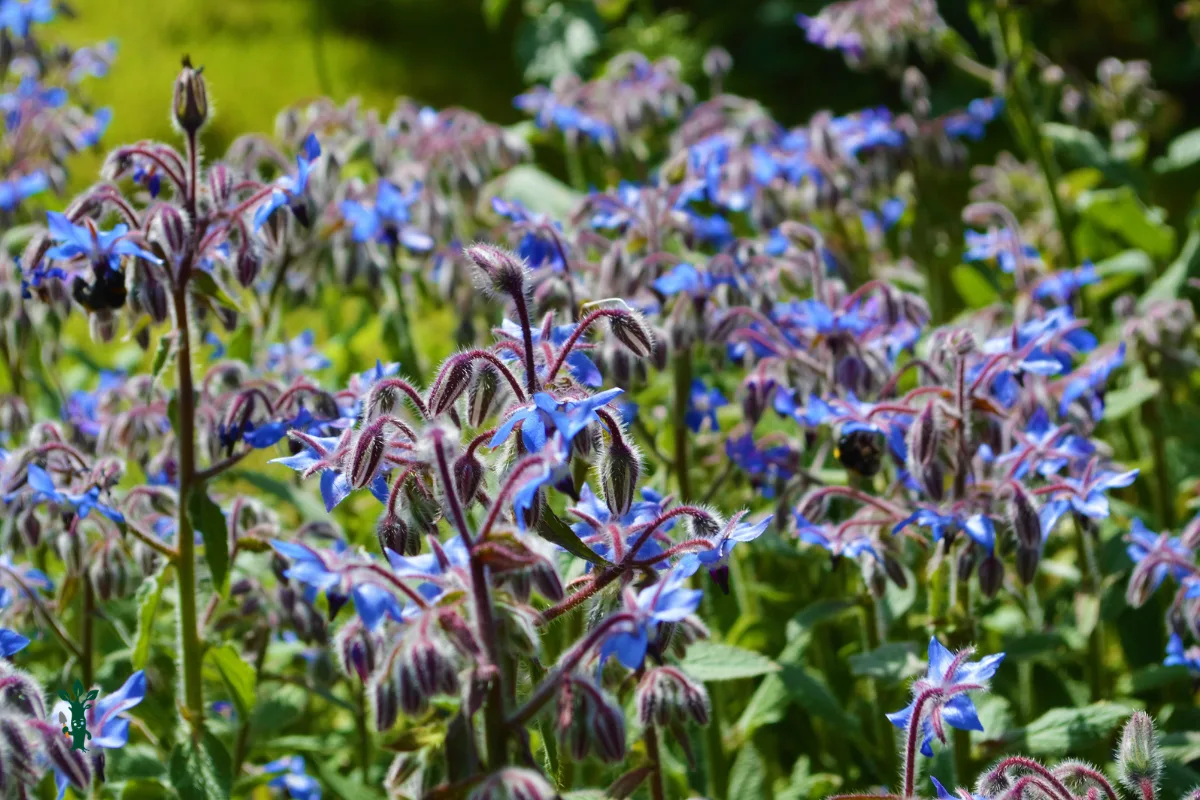
Borage
A fast-growing annual with vivid blue star-shaped flowers and coarse, hairy leaves. In Australia it is best treated as an ornamental and pollinator plant rather than an edible herb because Borago officinalis is listed in the Australia New Zealand Food Standards Code as a prohibited plant for food sale.
Ornamental
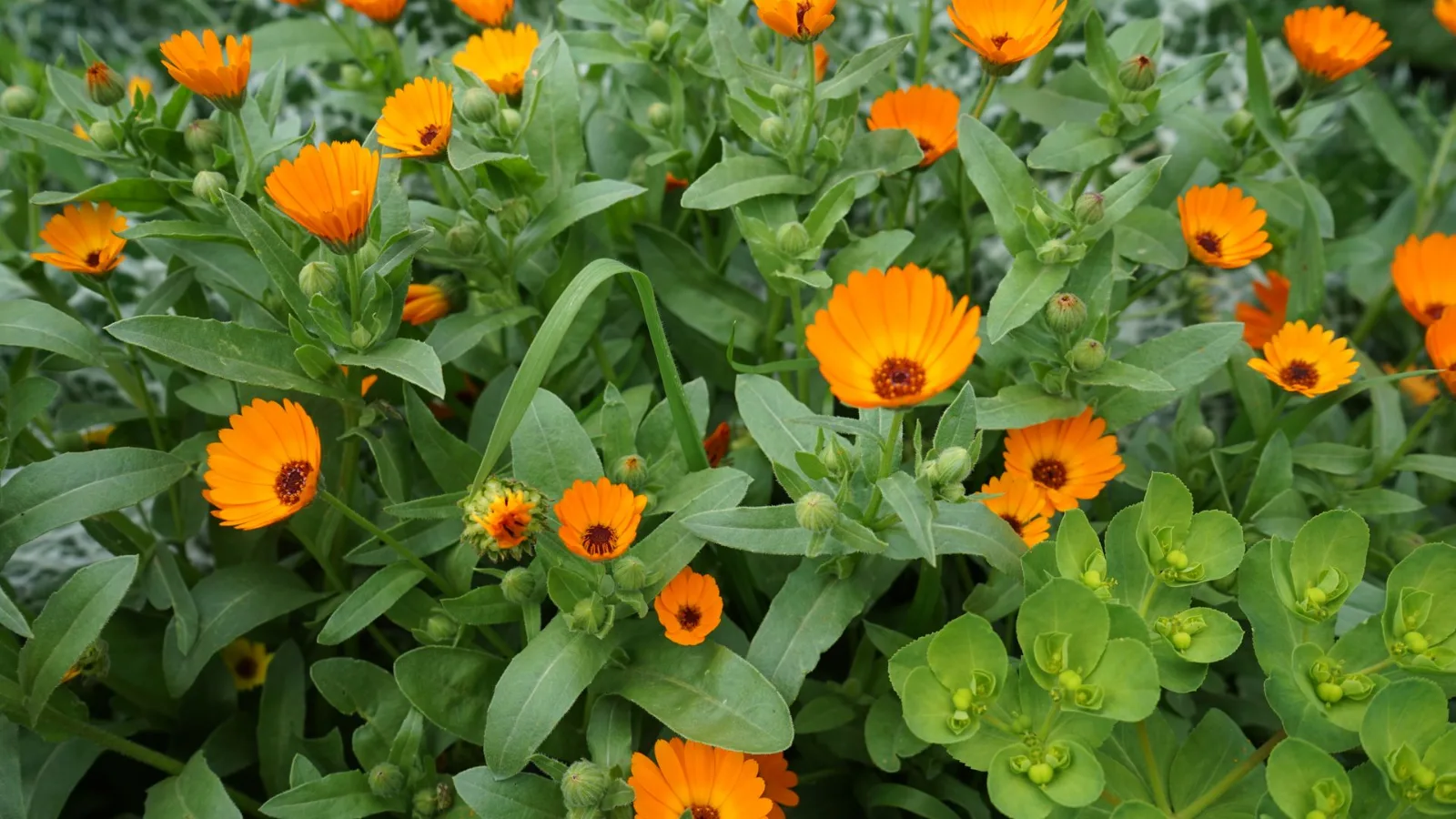
Calendula
Calendula is a cheerful, fast-growing annual with orange or yellow daisy-like flowers. It is happiest in mild weather, flowers for months with regular picking and is useful for pollinators as well as edible petals.
Ornamental
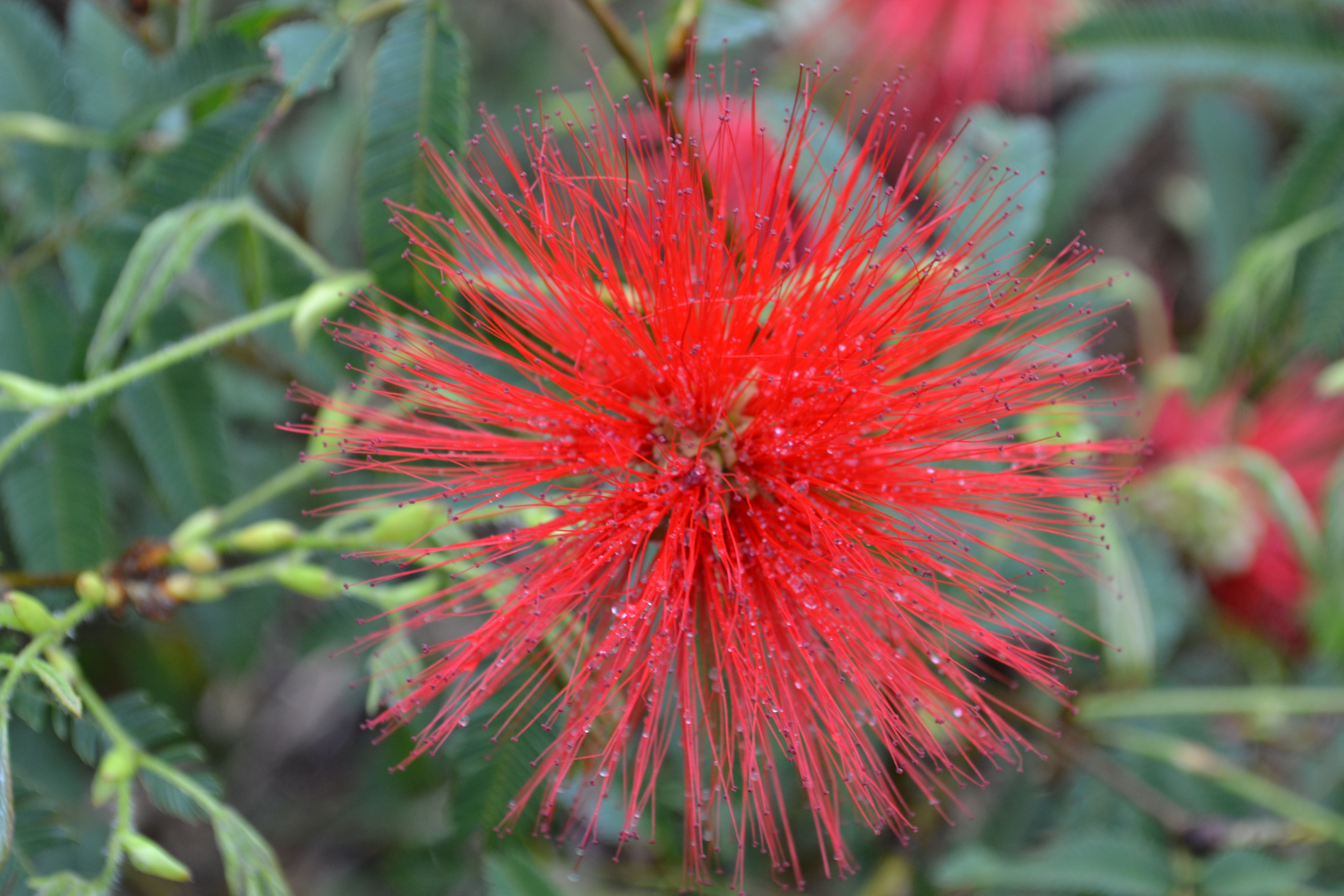
Calliandra tweediei
Calliandra tweediei is a spreading warm-climate shrub with fine divided foliage and bright red powder-puff flowers. It can flower for long periods and responds well to pruning when size needs controlling.
Succulent
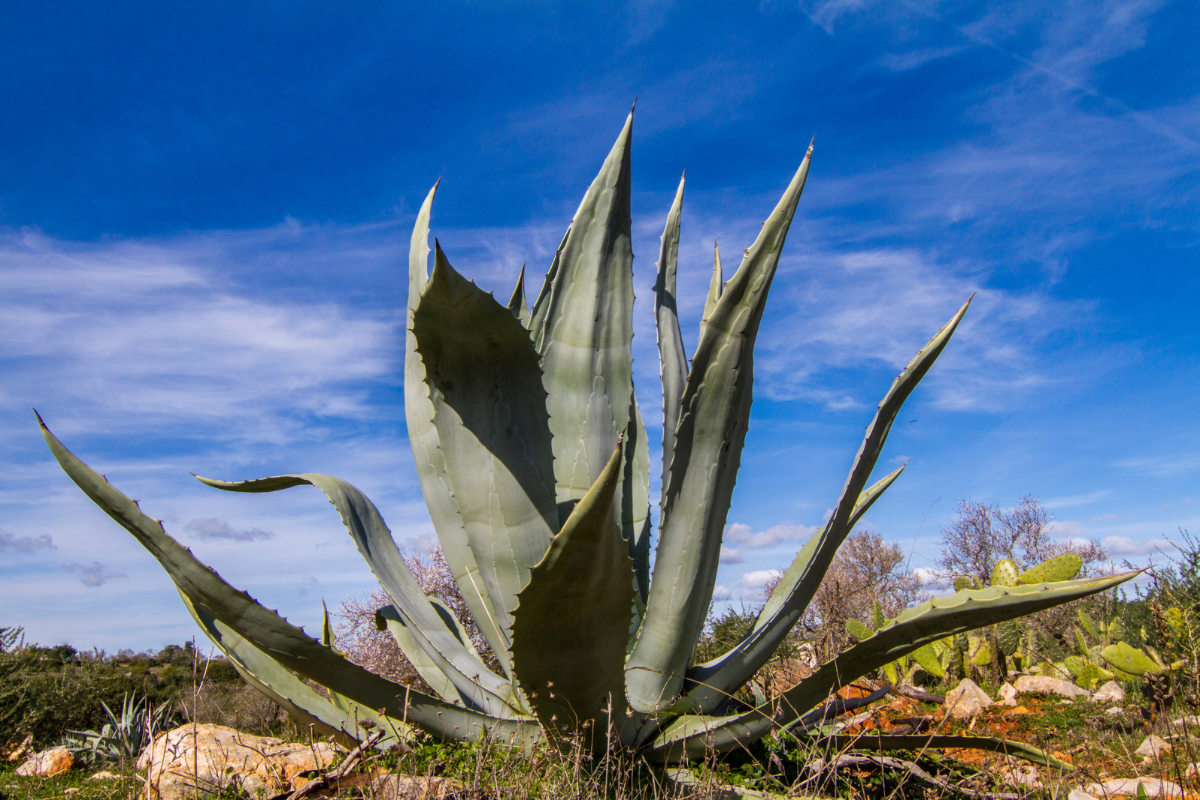
Century plant
Century plant is a large architectural agave with a bold rosette of blue-green leaves and a towering flower spike at maturity. Agave americana suits hot sunny dry gardens where there is ample room for its broad rosette and sharp leaf tips.
Herb & spice
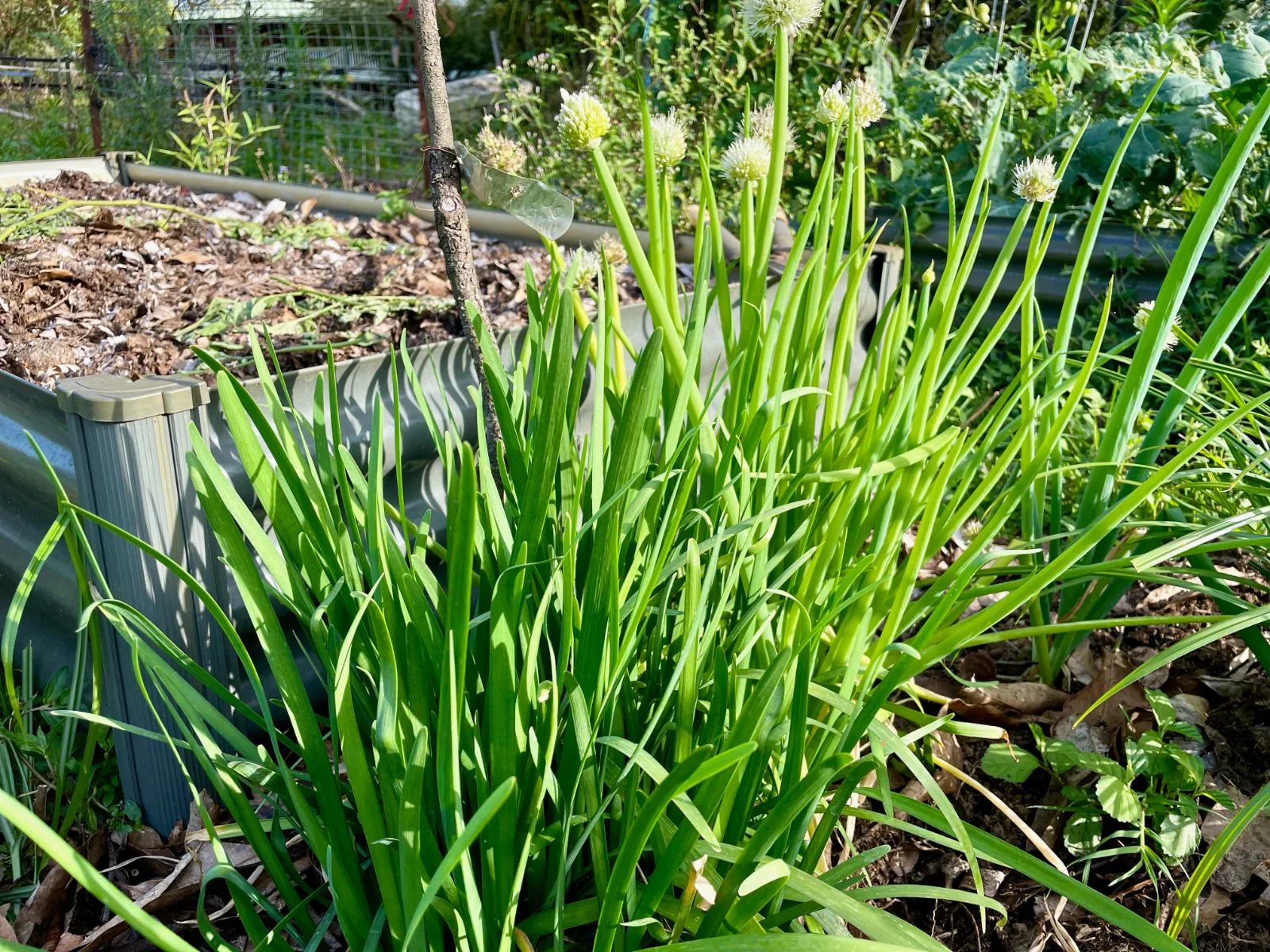
Chives
Chives are clumping perennial herbs grown for mild onion-flavoured leaves and edible flowers. Established clumps can be divided every few years.
Herb & spice
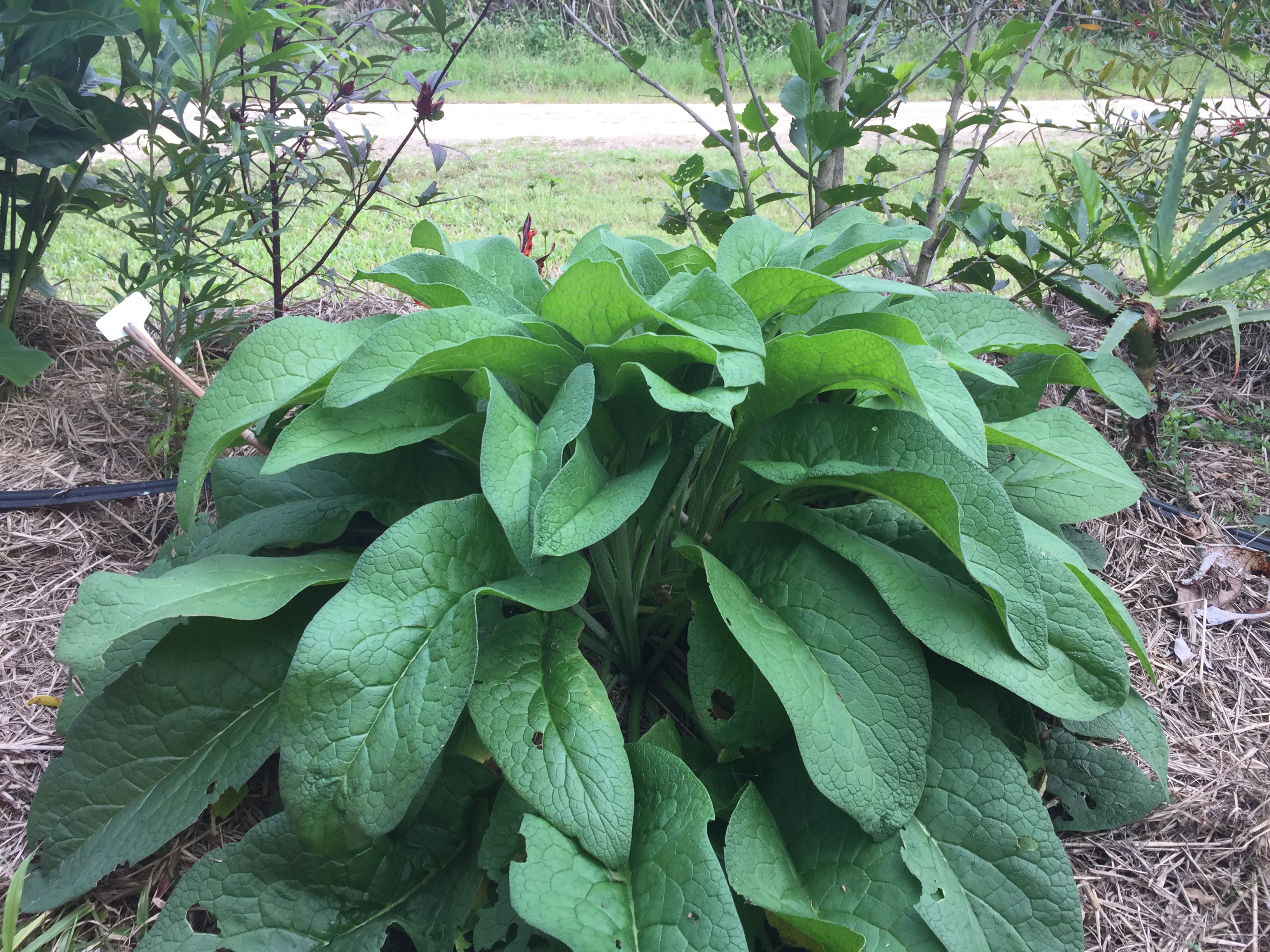
Comfrey
Comfrey is a deep-rooted perennial grown mainly for compost, mulch and biomass. It regrows quickly after cutting, so give it a permanent position rather than moving it around the garden.
Herb & spice
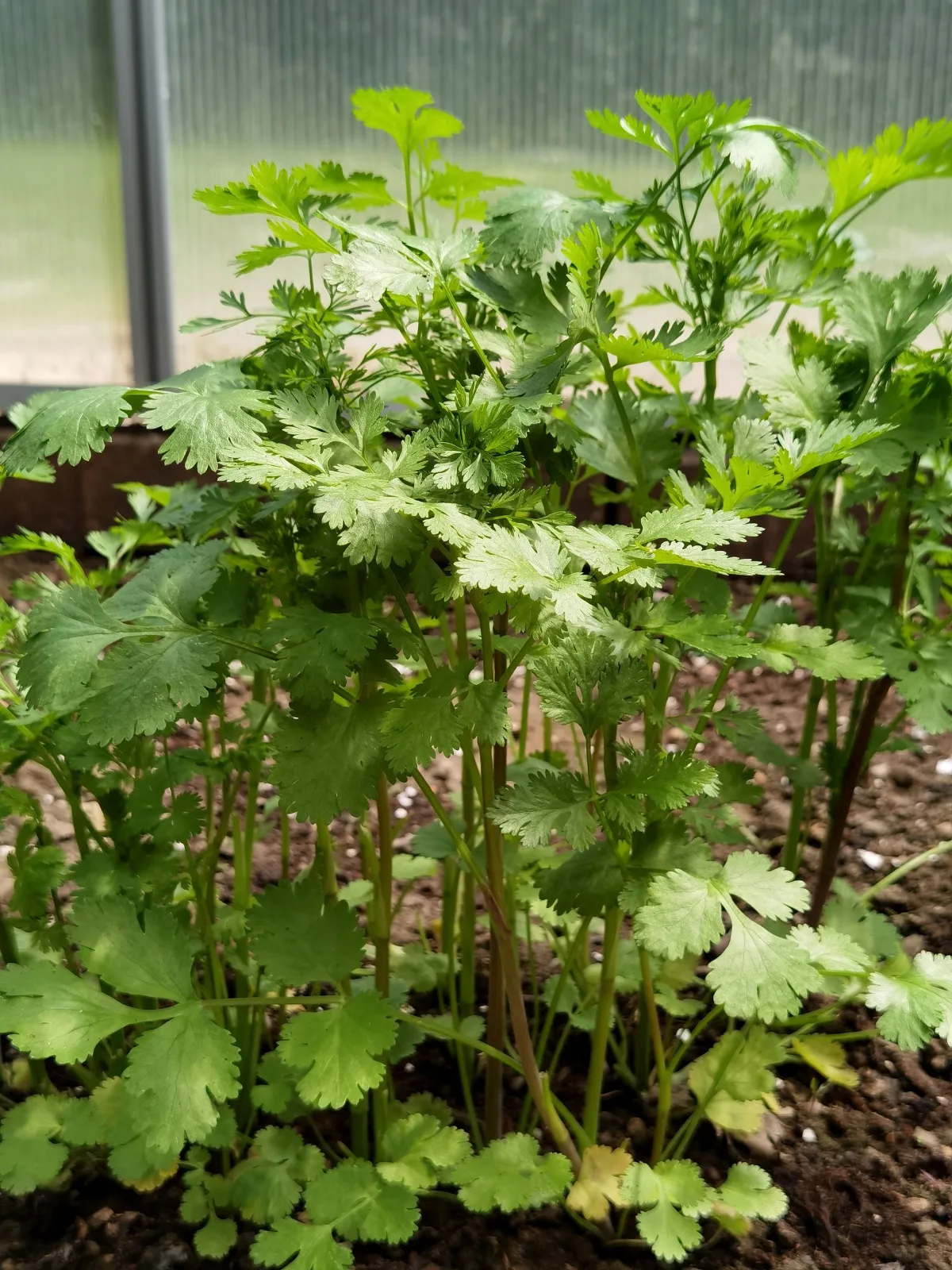
Coriander
Coriander is a quick herb that prefers mild conditions and steady moisture. Leaves, flowers and dry seed can all be useful.
Fruit & berry
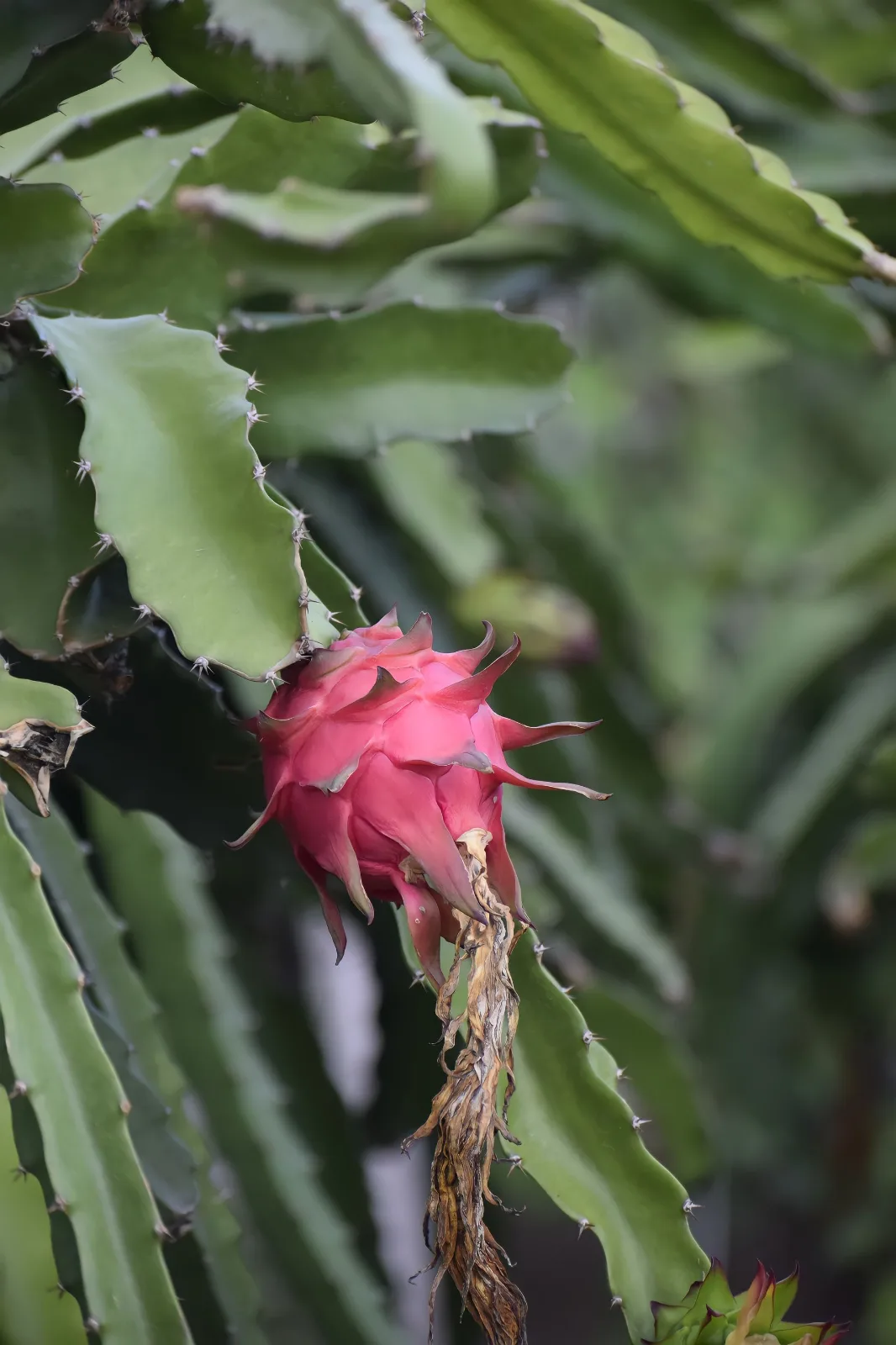
Dragon fruit
Dragon fruit is a climbing cactus that needs a strong support, warmth, sun and good drainage. Regular pruning keeps mature plants manageable.
Fruit tree
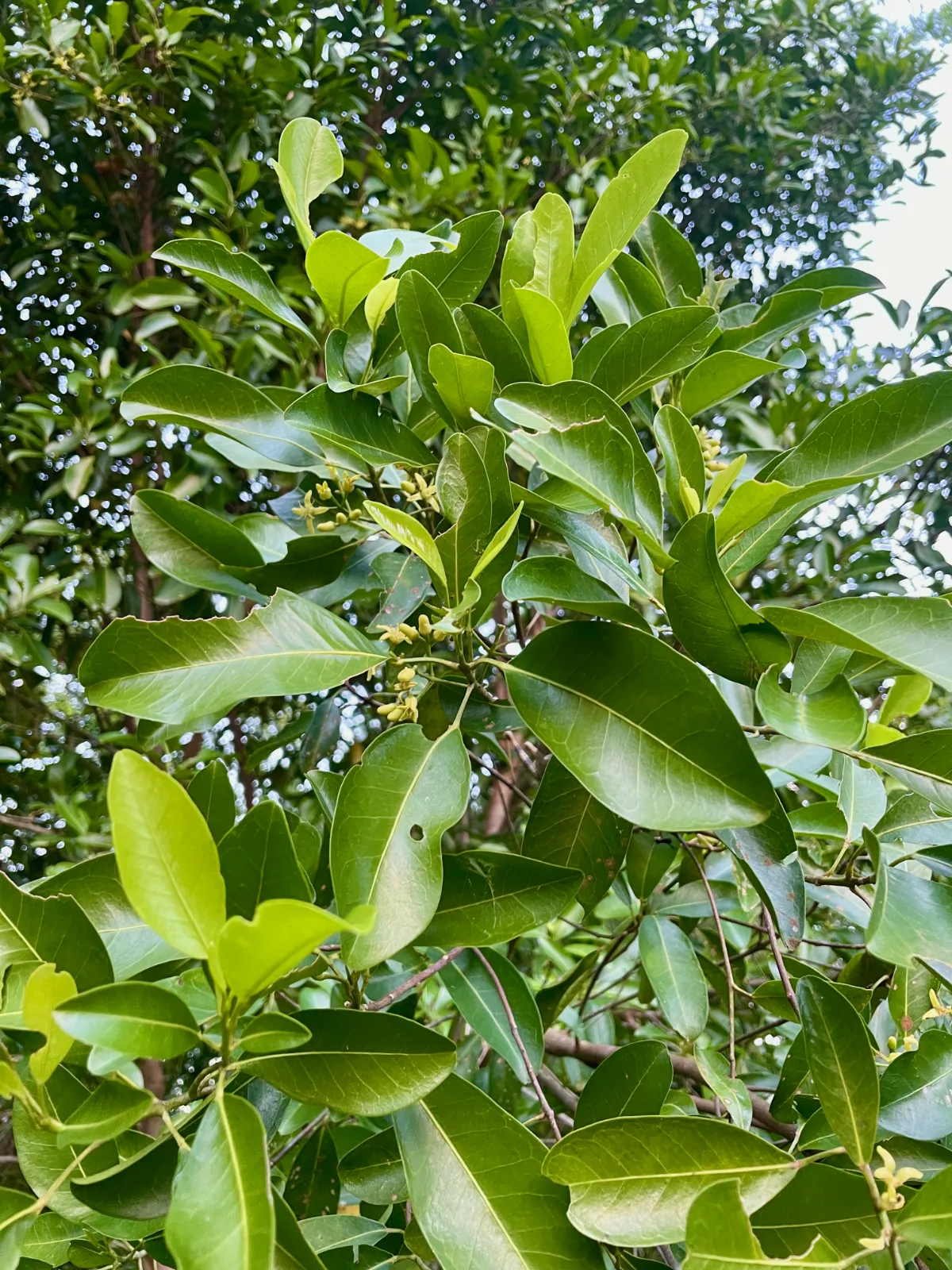
Fraser Island apple
Fraser Island apple is an Australian coastal rainforest tree, native to sheltered dune and littoral rainforest from central Queensland into northern New South Wales, with glossy leaves, fragrant cream flowers and small yellow fruit that can be used in preserves.
Herb & spice
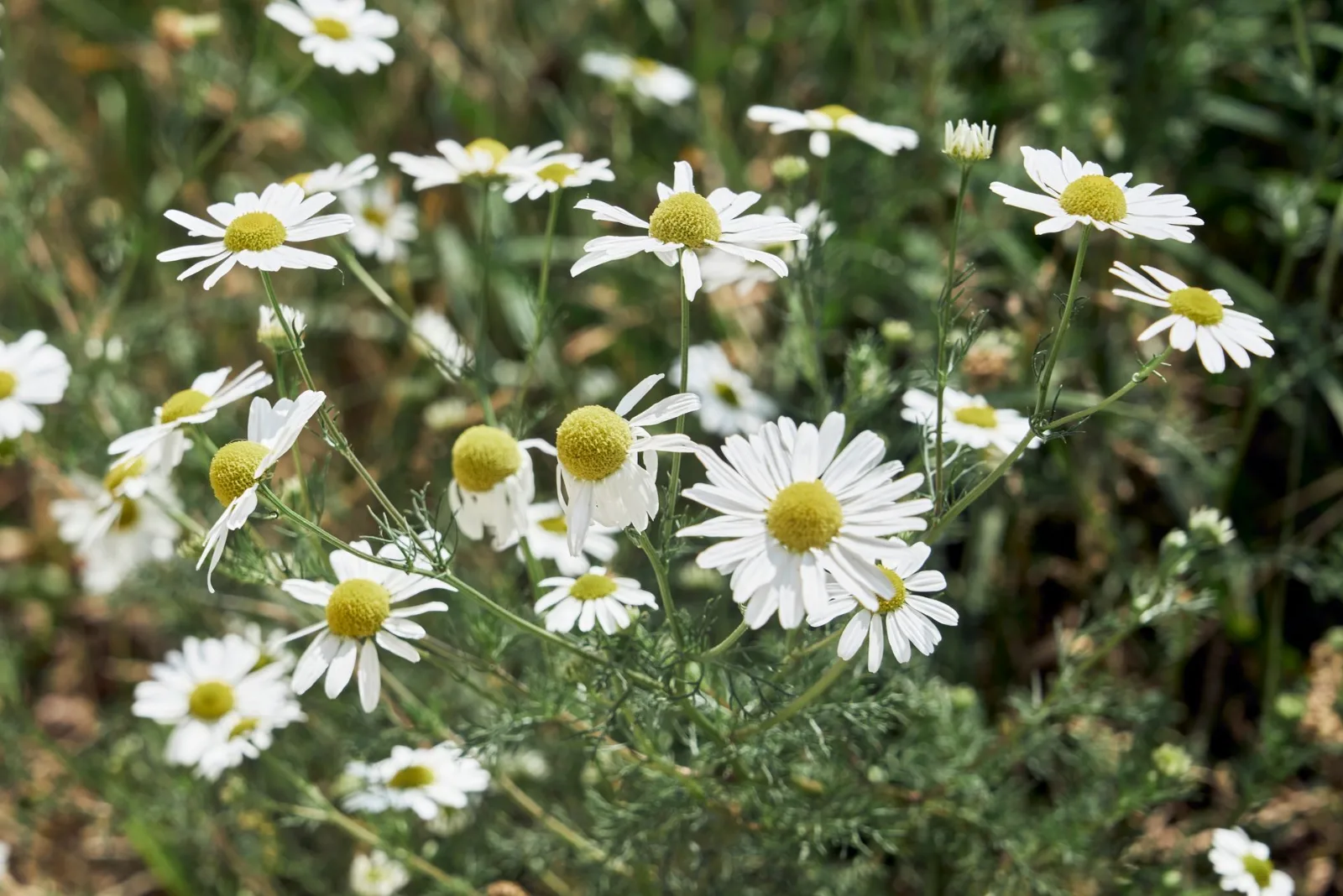
German chamomile
German chamomile is a fine-leaved annual that carries masses of small white-and-yellow flowers. It prefers mild weather, sun, good drainage and regular moisture, and the flowers are the part usually harvested.
Ornamental
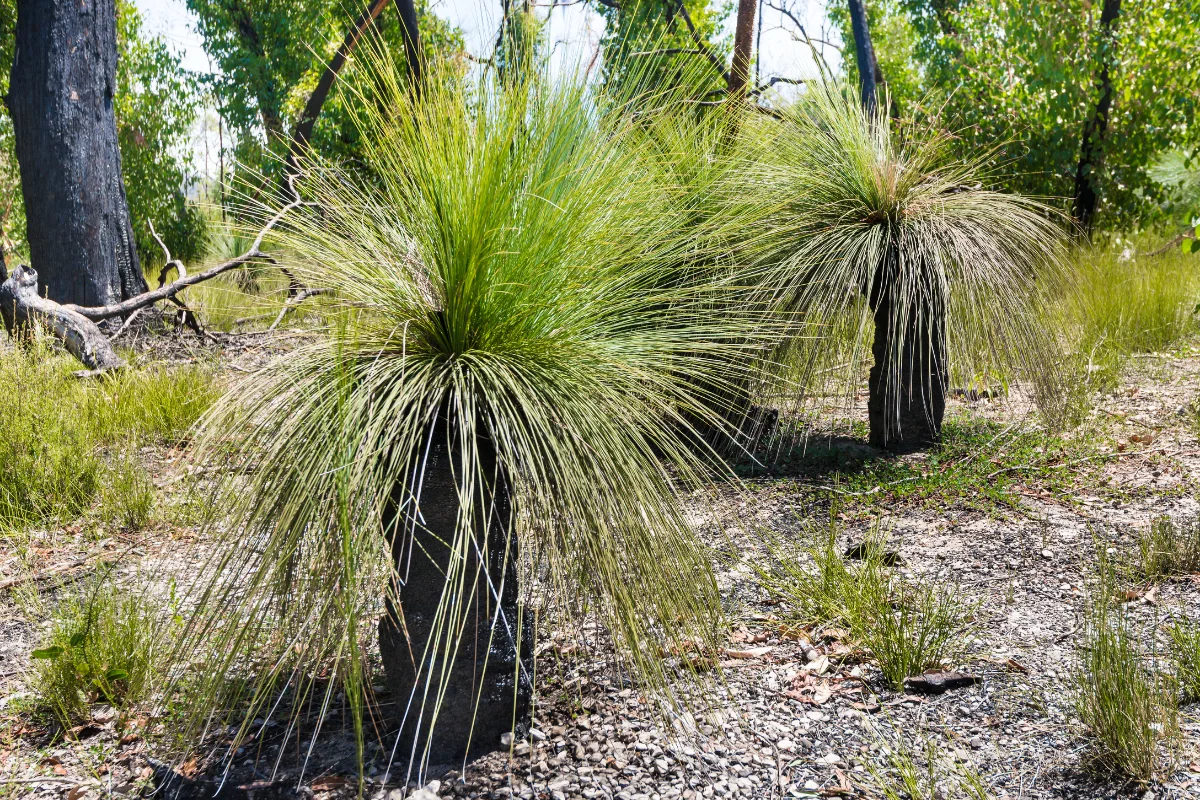
Grass tree
Grass trees are slow-growing, long-lived Australian natives that do best in lean, free-draining soil. They need very little feeding, and wild plants are best left undisturbed.
Ornamental
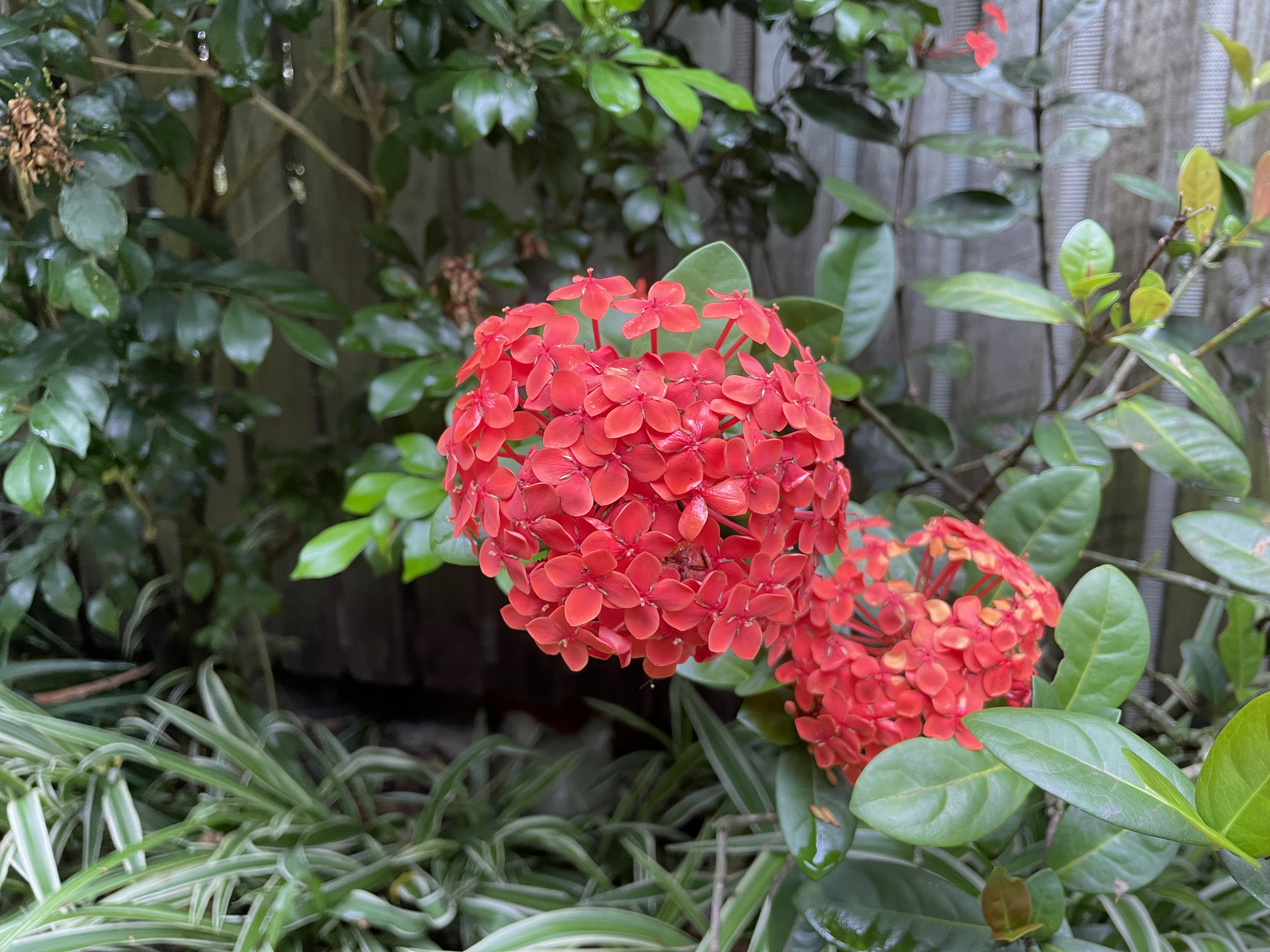
Ixora
Ixora is a tropical evergreen shrub grown for dense heads of red, orange, pink or yellow flowers. It flowers best with warmth, bright light and acidic soil.
Succulent
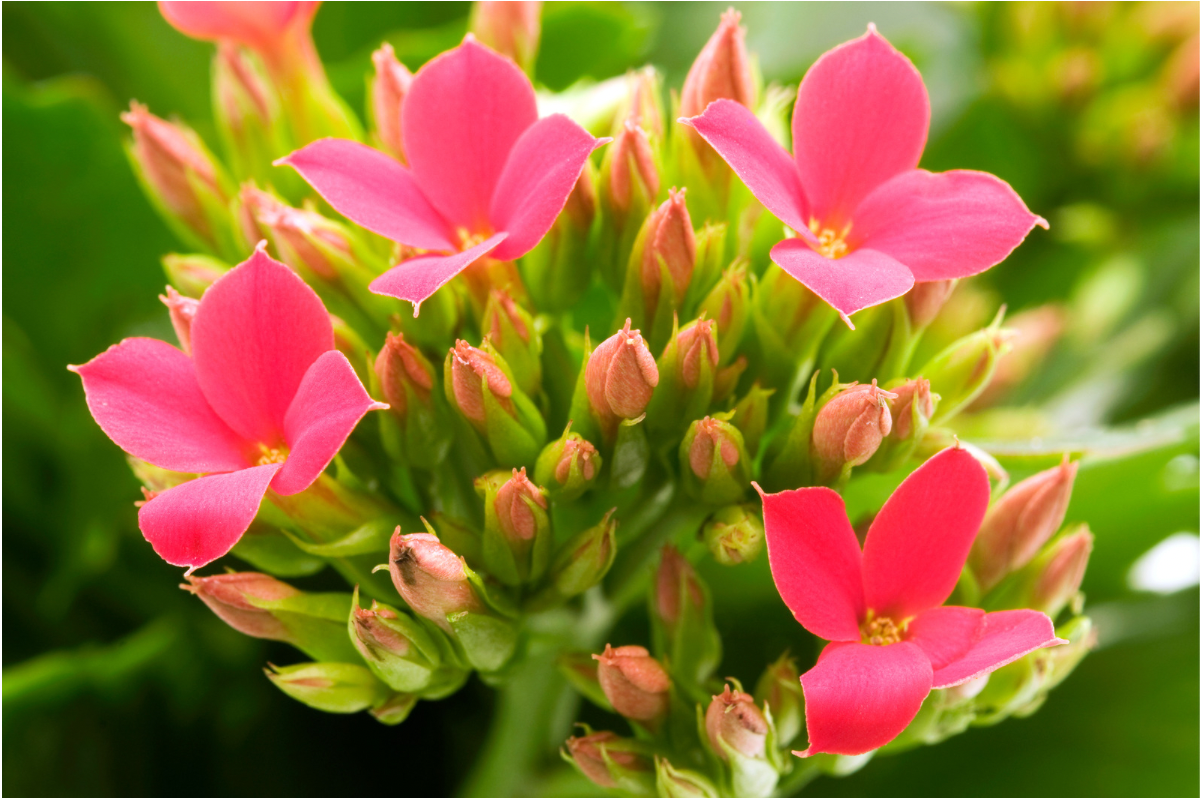
Kalanchoe
Kalanchoe is a compact flowering succulent grown for fleshy green leaves and long-lasting clusters of bright flowers. Kalanchoe blossfeldiana is the familiar florist and garden species, performing best with bright light, free-draining soil and a drier interval between waterings.
Ornamental
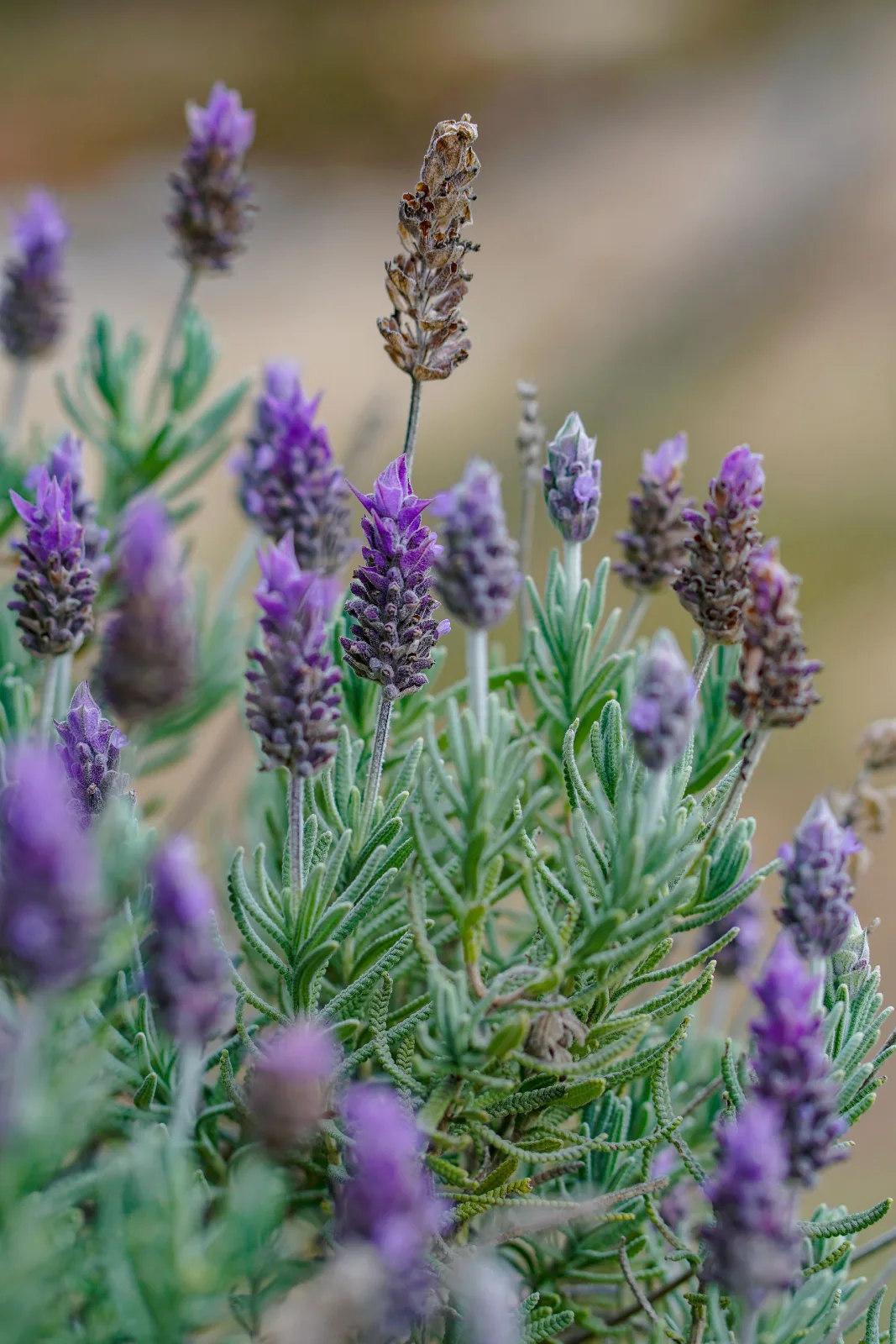
Lavender
Lavender is a sun-loving woody perennial that needs excellent drainage and regular light pruning to stay compact.
Fruit tree
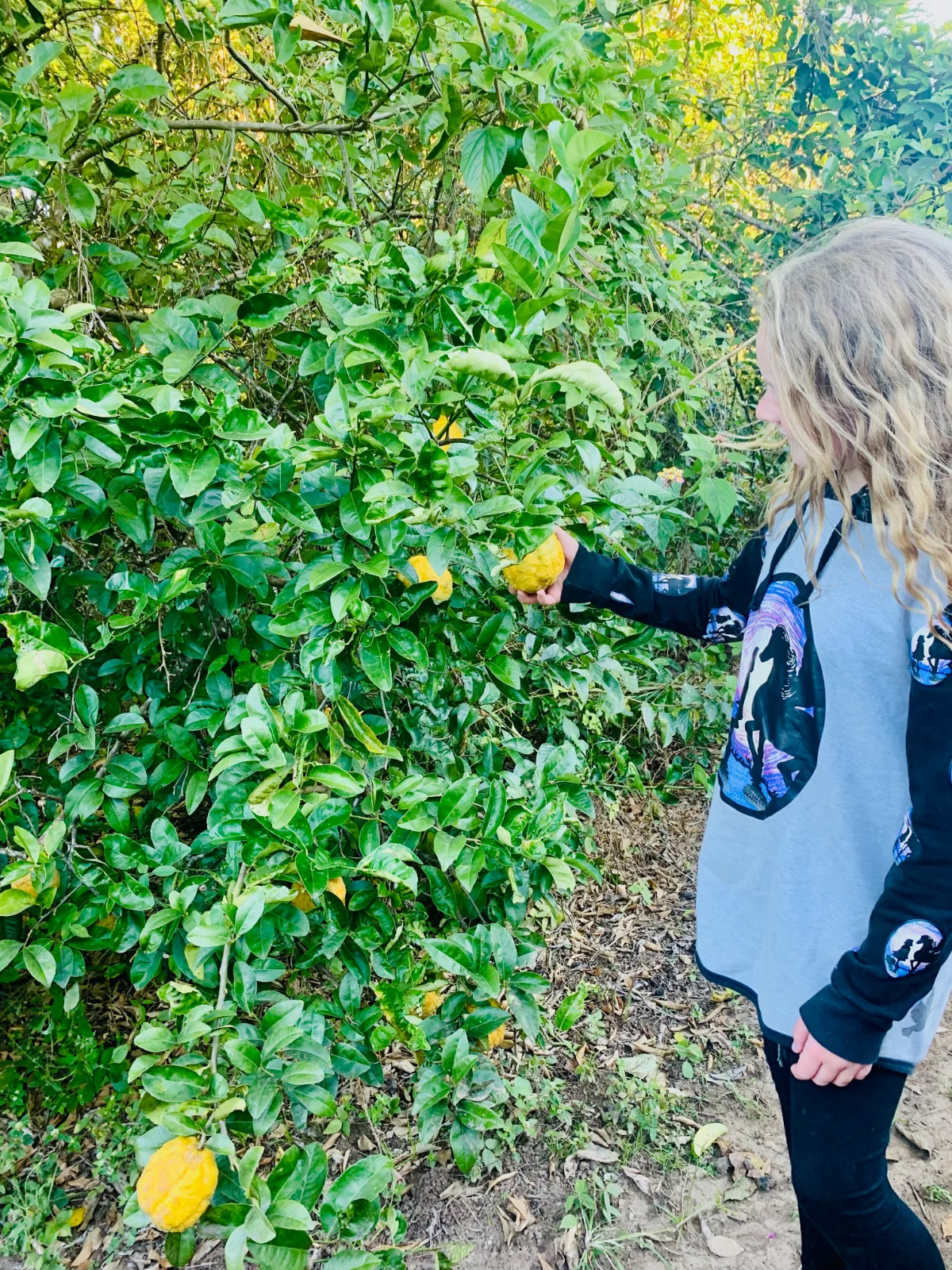
Lemon
Lemon trees like full sun, good drainage, regular water and feeding. They can flower and fruit more than once a year in warm climates.
Fruit tree
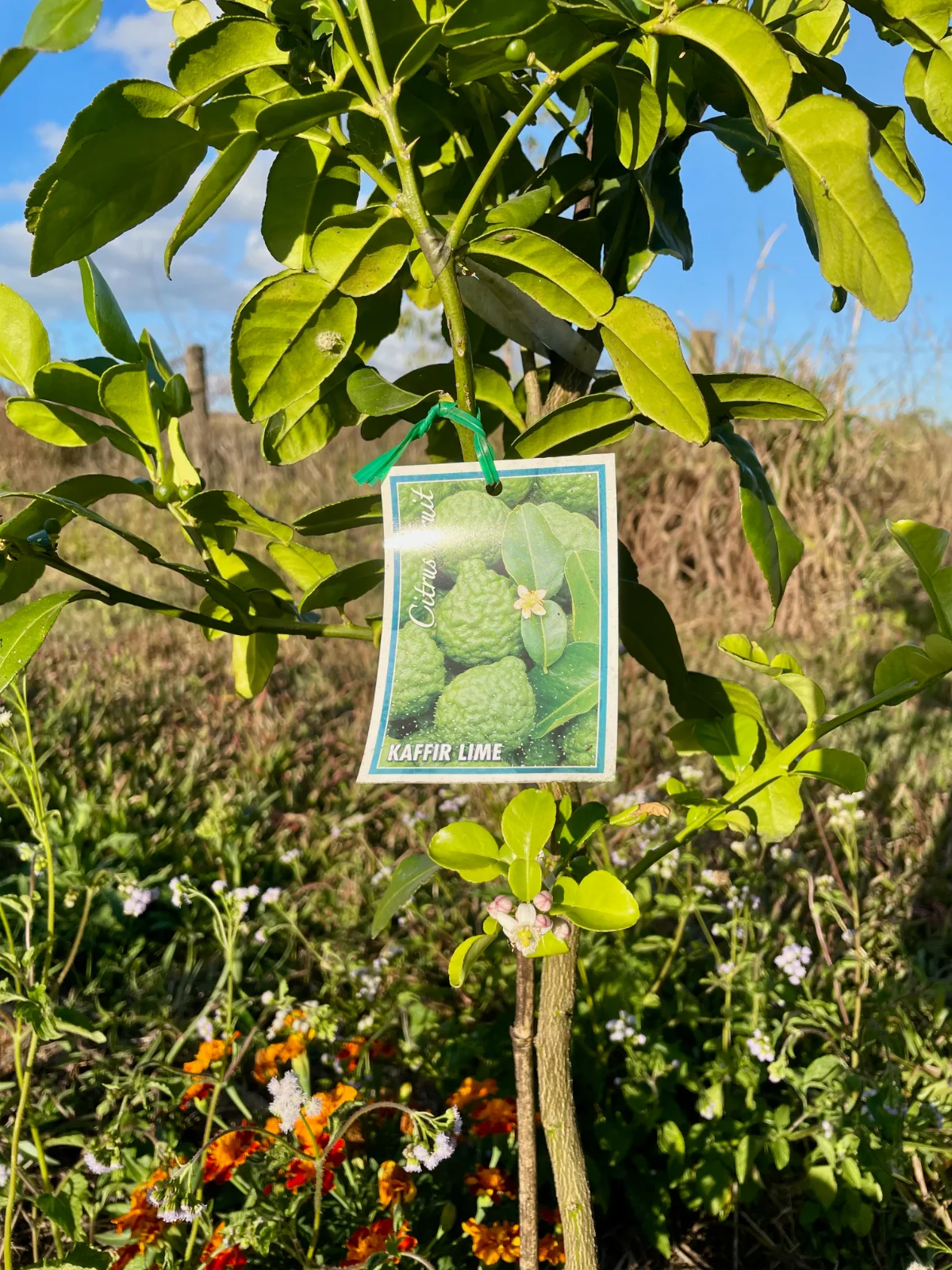
Lime
Lime trees like warmth, full sun, good drainage and regular feeding. They can crop for a long part of the year in warm Australian climates.
Vine
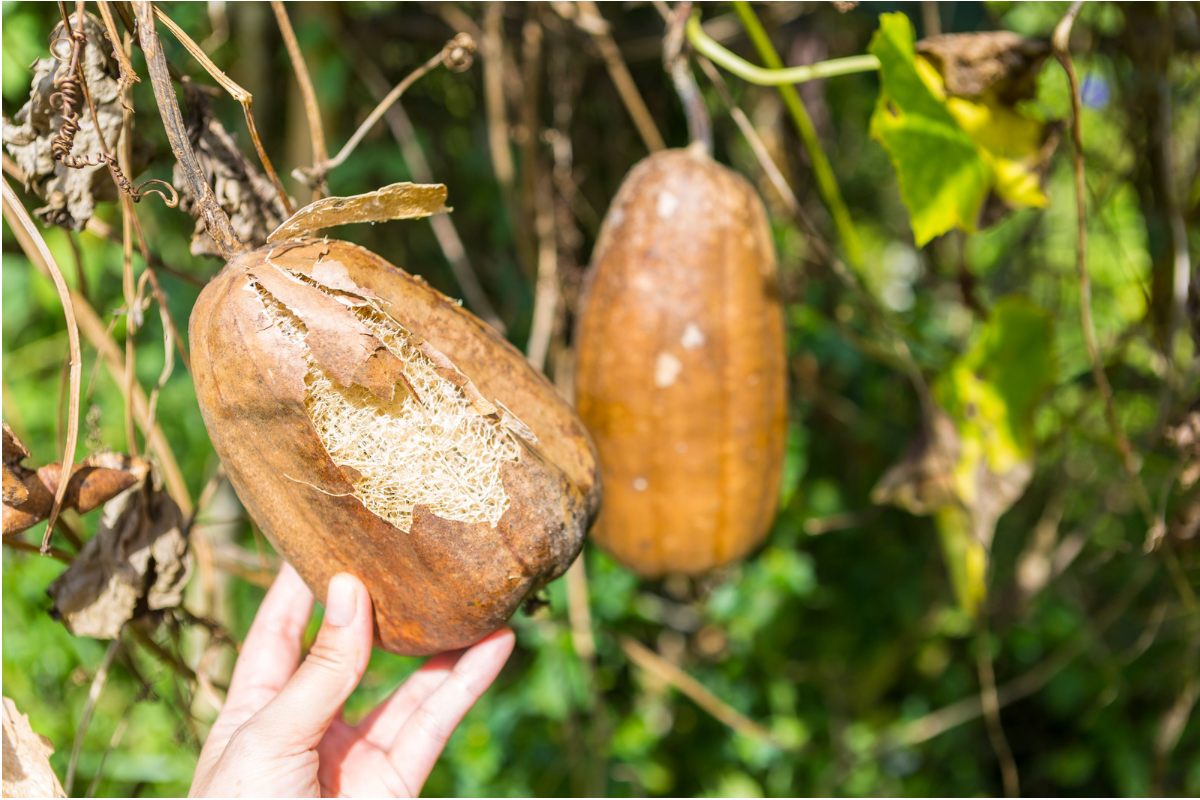
Loofah
Loofah is a vigorous warm-season vine grown for tender young fruits and the fibrous sponge inside mature fruits. Luffa aegyptiaca needs a long warm growing season, plenty of sun and a strong support for its large vines and hanging fruit.
Before You Choose
Choose plants that suit your climate first. A healthy plant growing in the right light and soil will flower more reliably than one struggling in the wrong position. Then build variety. Open daisy-like flowers are easy for many small insects to use, while tubular flowers suit different visitors.
Flowering season matters. A garden full of spring flowers can still leave long gaps later in the year. Mix annuals, herbs, shrubs, trees and perennials where space allows so the sequence continues. Let some herbs and vegetables flower too; many become excellent insect plants once they are allowed to bloom.
Avoid broad-spectrum insecticide sprays on open flowers. They can affect the same insects you are trying to support. If a plant has cosmetic leaf damage, identify the cause before treating the whole garden.
Water also helps wildlife. A shallow dish with stones or a gently sloping edge can provide drinking water without creating a deep trap. Keep it clean and refresh it regularly. Use the profiles below to compare flowering, climate, light and mature size, then combine several plants that fit your garden.
Keep some nesting and shelter habitat near the flowers as well. Bare soil, hollow stems, leaf litter and dense foliage support different insects at different life stages. You do not need to stop gardening neatly; even a few small undisturbed patches can add useful habitat. If you cut back flowering perennials, consider leaving some dry stems until new growth begins.