
Plant profile
Lemon
Citrus × limon
Also known as Lemon tree.
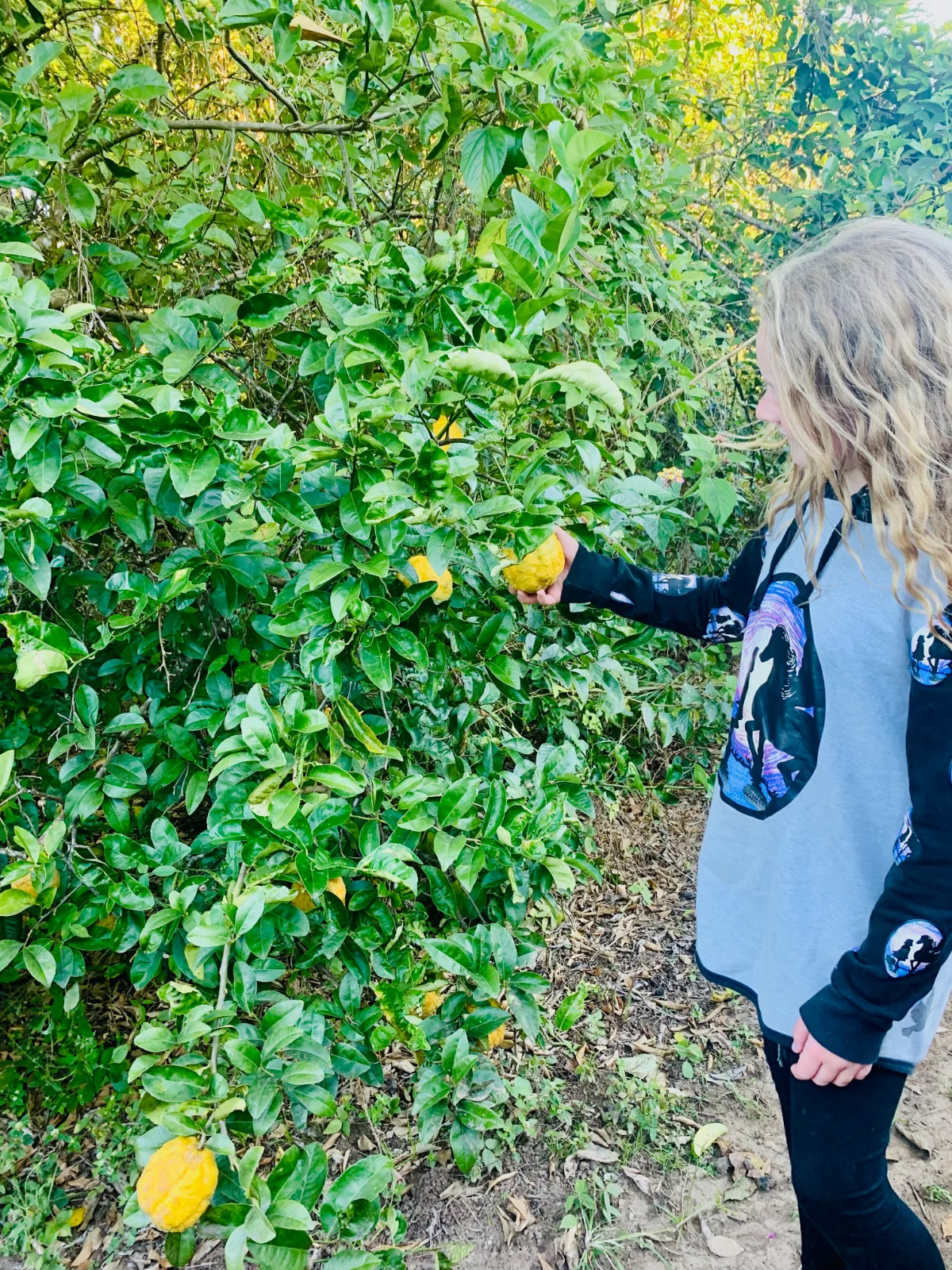
Lemon trees like full sun, good drainage, regular water and feeding. They can flower and fruit more than once a year in warm climates.
- Grows well in
- Tropical, Subtropical, Temperate, Cool / mountains, Arid / inland, Mediterranean
- Lifecycle
- Evergreen perennial fruit tree
- Light
- Full sun
- Mature size
- Most garden lemon trees reach about 3–5 m tall and wide if left unpruned; dwarf trees stay considerably smaller.
- Spacing
- Allow roughly 3–5 m between full-sized trees, depending on variety, rootstock and how heavily you intend to prune.
- Growth habit
- Evergreen small fruit tree with a rounded, branching canopy and shallow, spreading roots.
- Native range
- A long-cultivated artificial citrus hybrid with no wild native range of its own
- Natural habitat
- Lemon is a cultivated hybrid rather than a wild species, so it does not have one natural habitat.
When to plant
Plant during mild weather when the roots can establish without extreme heat, drought or frost. Spring and autumn are good choices in many climates; in the tropics and warm subtropics there is a much broader planting window if reliable water is available.
Planting
Plant a grafted tree in a sunny, well-drained spot. Spring and autumn are usually the easiest planting times; avoid planting just before hard frost or extreme heat. Keep the graft above soil level and water well while the tree establishes.
Position and light
Full sun is best. Aim for at least 5–6 hours of direct sun. Shelter young trees from strong wind and hard frost.
Soil
Use fertile, well-drained soil. Citrus roots are fairly shallow, so avoid sites where water sits after rain. Mulch the root zone but keep mulch clear of the trunk.
Watering
Keep young trees evenly watered while they establish. Established trees need deep water during dry periods, especially while flowering and fruit are developing. Let rainfall and soil moisture guide how often you water.
Feeding
Citrus needs regular feeding. Use a complete citrus fertiliser through the active growing season, following the product rate for the tree size. Several smaller feeds are better than one very heavy feed.
Pruning
Lemons usually need only light pruning. Remove dead, damaged or crossing wood, growth below the graft and branches that make harvest difficult. Avoid removing large amounts of productive outer growth unless the tree needs renovation.
Harvest
Pick lemons when they have reached useful size and colour for the variety. Many lemons can stay on the tree for a while, so harvest can be spread out rather than done all at once.
Propagation
Named varieties are usually grown as grafted trees. Seed-grown lemons can take much longer to fruit and may not match the parent fruit.
Common problems
Common problems include citrus leaf miner on soft new growth, scale, aphids, citrus gall wasp in affected regions, nutrient deficiencies and root problems in poorly drained soil.
Safety notes
Citrus sap, thorns and peel oils can irritate sensitive skin. Wear gloves and eye protection when doing heavier pruning.
Worth knowing
Most lemons are self-fertile, so one tree can produce fruit on its own. The rootstock underneath a grafted tree can make a big difference to its eventual size, vigour and tolerance of local soil conditions.

Grow Lemon with Brancho
Add it to My Garden and Brancho works out what it needs next, timed for your climate.
How it grows around Australia
Growing this too? Share what you've noticed in your garden.
Grow a Little Wild
New plants to try, useful growing tips and a few garden jobs based on what you grow.