


Plant profile
Blueberry
Vaccinium spp.
Also known as Blueberries.
Blueberries need acidic soil, steady moisture and a cultivar group that matches your winter. Southern Highbush and Rabbiteye suit warmer districts, while Northern Highbush needs more winter chill.
- Grows well in
- Subtropical, Temperate, Cool / mountains, Mediterranean
- Lifecycle
- Perennial fruiting shrub
- Light
- Full sun, Part shade
- Mature size
- Usually about 1–3 m tall and wide, depending on whether it is a highbush, rabbiteye or compact variety.
- Spacing
- About 1–1.5 m apart for most backyard bushes; large rabbiteye varieties may need more room.
- Growth habit
- Multi-stemmed woody fruiting shrub that gradually forms a rounded or upright bush.
- Native range
- Native across many parts of the world, depending on species
- Natural habitat
- Varies by species, from rainforest and coastal forest to heath and woodland. Many blueberries are most diverse in cool mountain and high-elevation habitats.
When to plant
Subtropical
May–August
Temperate
May–August
Cool / mountain
June–August
Mediterranean
May–August
Subtropical and warm temperate: plant low-chill Southern Highbush or Rabbiteye types through the cooler months. Cool climates: plant Northern Highbush in autumn or spring.
Planting
Choose the cultivar group before you plant. Southern Highbush and Rabbiteye are the main low-chill choices for warmer Australian districts; Northern Highbush suits colder winters. Plant into acidic, free-draining soil or an azalea-type potting mix.
Position and light
Full sun gives the best crops in mild areas. Some afternoon shade can help in hotter districts.
Soil
Blueberries need strongly acidic soil, around pH 4–5.5, with plenty of organic matter and excellent drainage.
Watering
Keep the root zone regularly moist but not saturated. Containers need close attention because the acidic mix can dry quickly.
Feeding
Use a fertiliser suitable for acid-loving plants and follow the label rate. Avoid products that push soil pH upward.
Pruning
Young blueberries need little pruning beyond damaged growth. Once bushes are established, remove some older unproductive wood and weak crowded stems to keep fresh fruiting growth coming.
Harvest
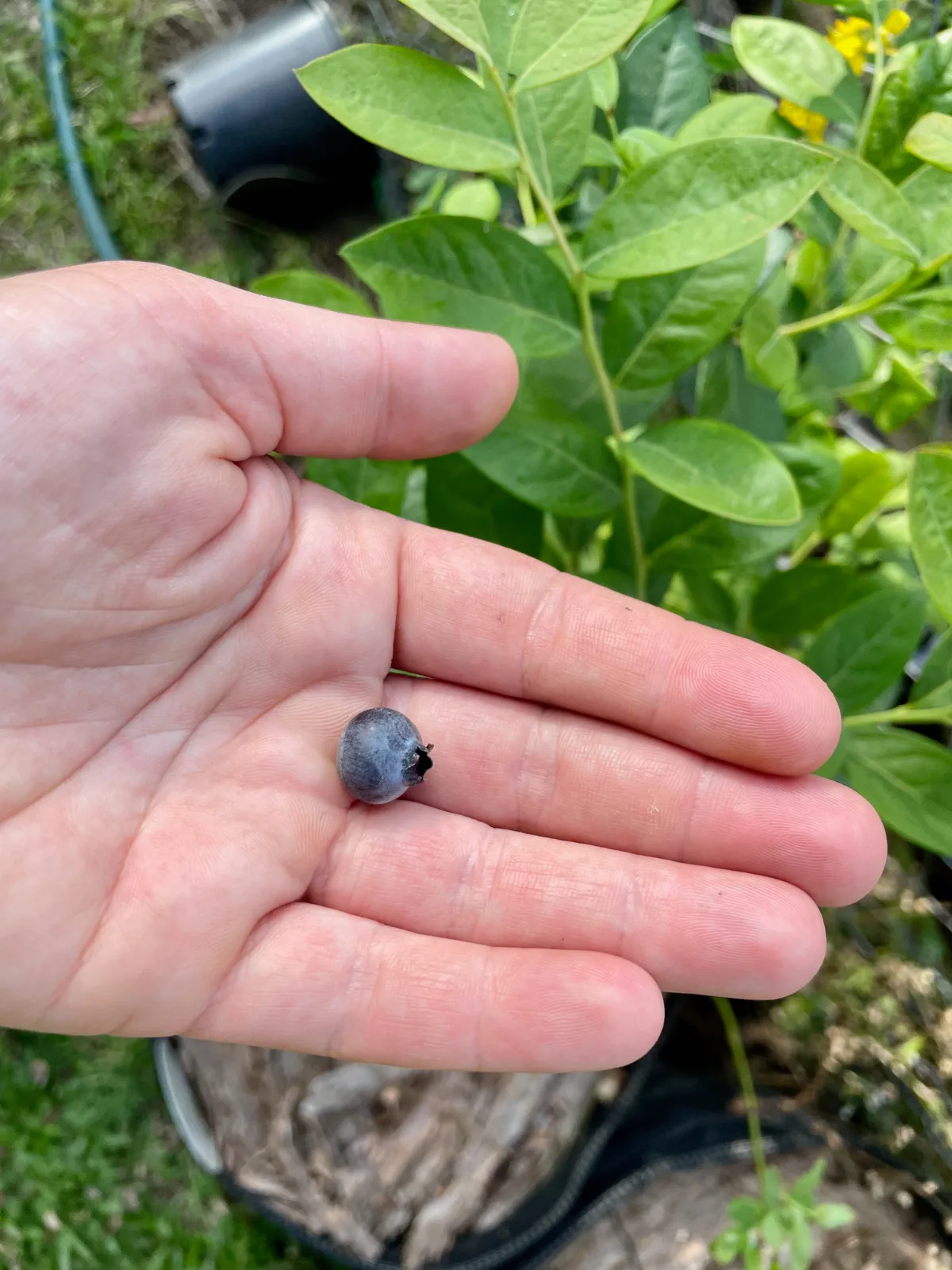
Pick individual berries only when fully coloured and ripe on the bush. Blueberries do not continue to ripen after picking.
Propagation
Blueberries can be propagated by cuttings or layering, but home growers usually start with named nursery cultivars suited to local chill conditions.
Common problems
Wrong soil pH, poor drainage, drying out and unsuitable chill requirements cause many failures. Birds can take a large share of ripe fruit.
Worth knowing
Warm-climate blueberries are not just smaller versions of cold-climate plants. Southern Highbush usually needs about 250–600 chill hours; examples include Biloxi, Misty and O’Neal. Rabbiteye is also low chill, commonly around 450–600 hours, with cultivars such as Brightwell, Premier and Tifblue. Northern Highbush is the higher-chill group for colder districts; examples include Denise, Bluecrop and Brigitta. Many blueberries crop better with another compatible cultivar nearby.

Grow Blueberry with Brancho
Add it to My Garden and Brancho works out what it needs next, timed for your climate.
How it grows around Australia
Growing this too? Share what you've noticed in your garden.
Grow a Little Wild
New plants to try, useful growing tips and a few garden jobs based on what you grow.