

Fruit and Berries to Grow in Australia
Berries and smaller fruiting plants can produce well in pots, raised beds and narrow garden spaces. Climate still matters: many blueberries need acidic soil, some cane fruits need winter chill, and tropical fruits need steady warmth.
Fruit tree
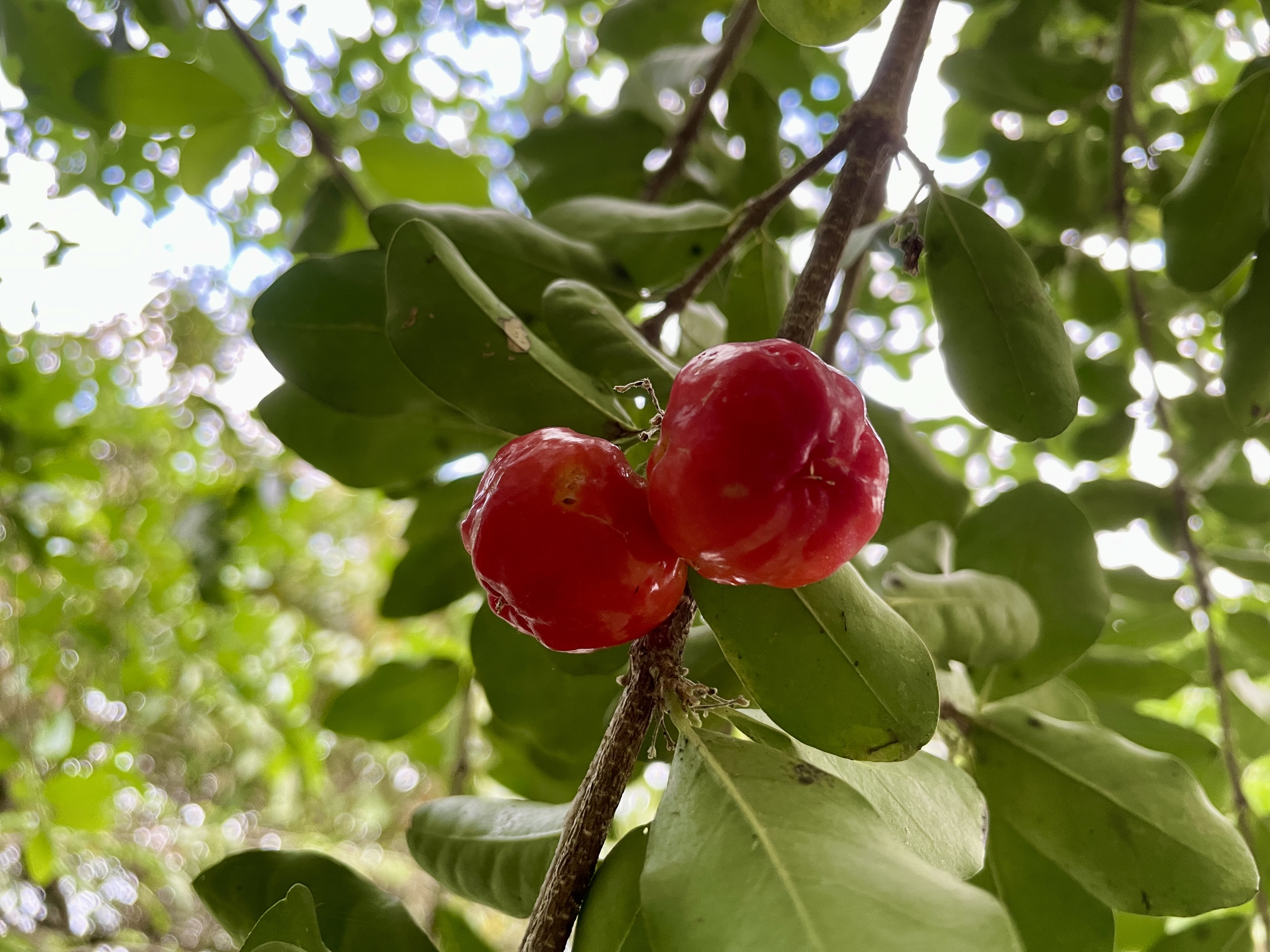
Acerola cherry
Acerola is a fast-growing tropical fruit shrub or small tree with bright red, tart-sweet fruit and very high vitamin C.
View plant →
Fruit & berry
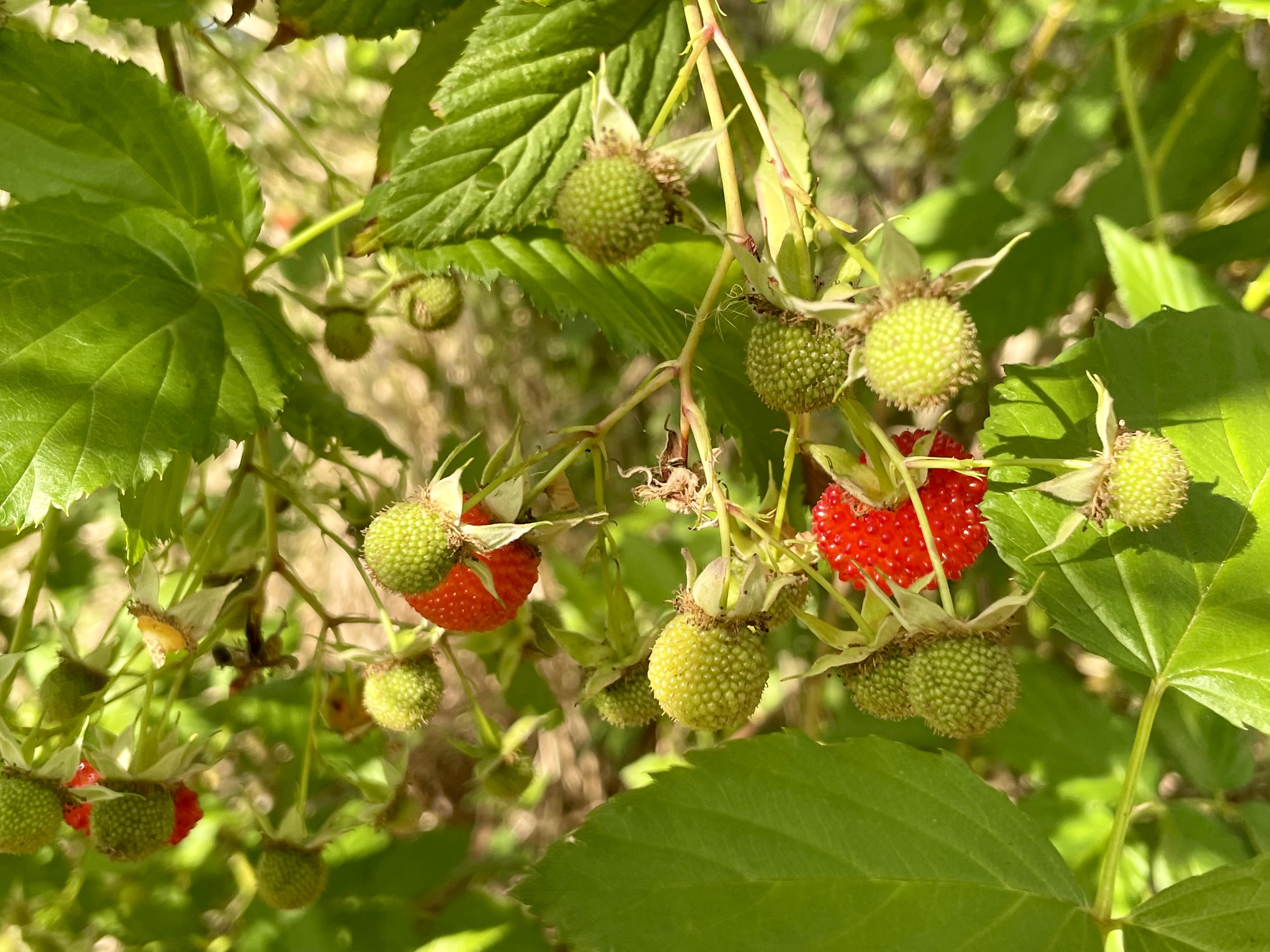
Atherton raspberry
Atherton raspberry is a vigorous Queensland native bramble that handles warm, humid climates far better than ordinary European raspberries. It makes prickly scrambling canes, white flowers and bright red fruit with a sharper raspberry flavour. Give it room, regular water and pruning or it can form a dense thicket.
View plant →
Fruit tree
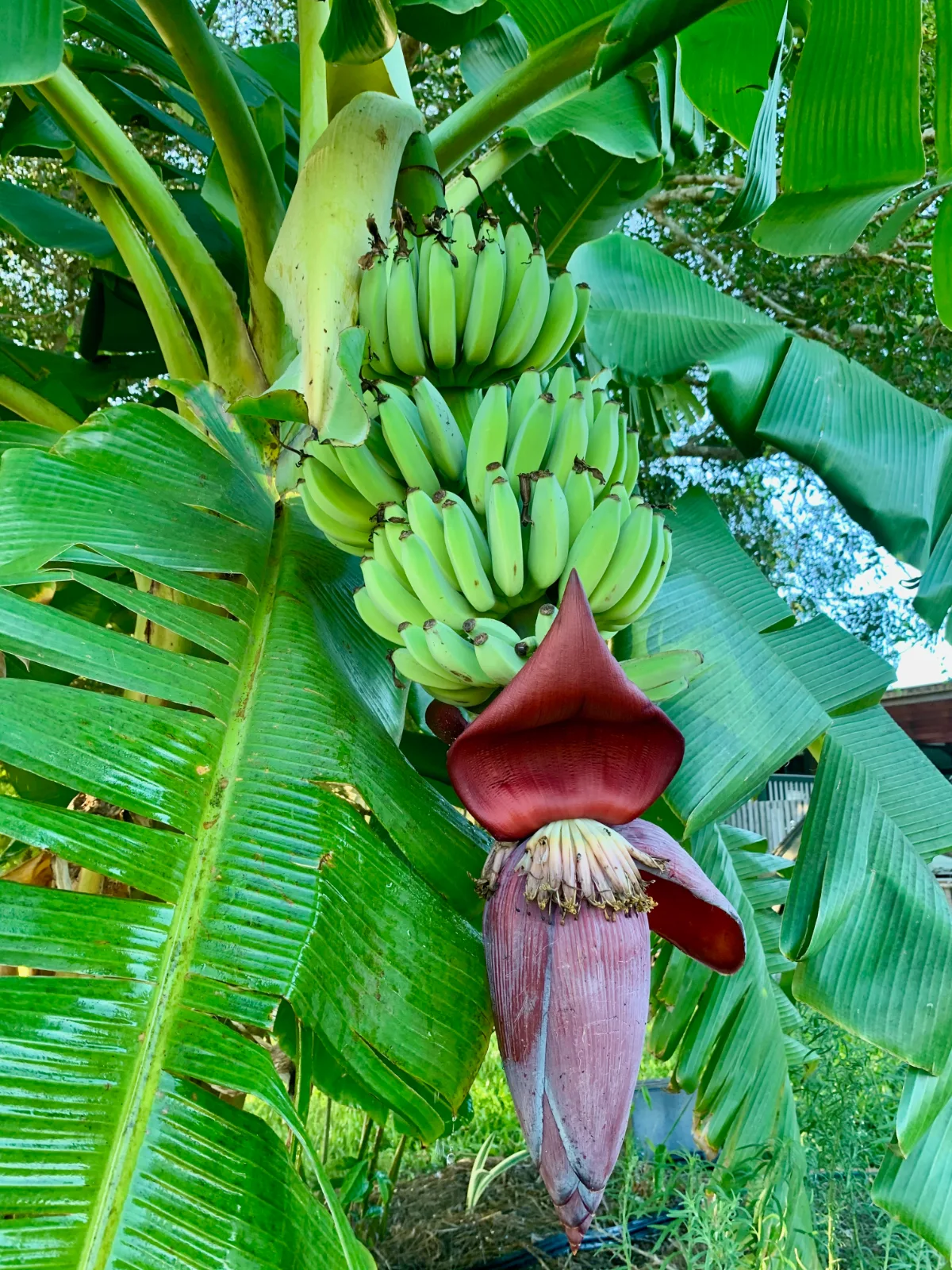
Banana
Bananas grow best with warmth, sun, regular feeding and plenty of water. Keeping only a few well-spaced suckers helps the clump produce good bunches.
View plant →
Fruit & berry
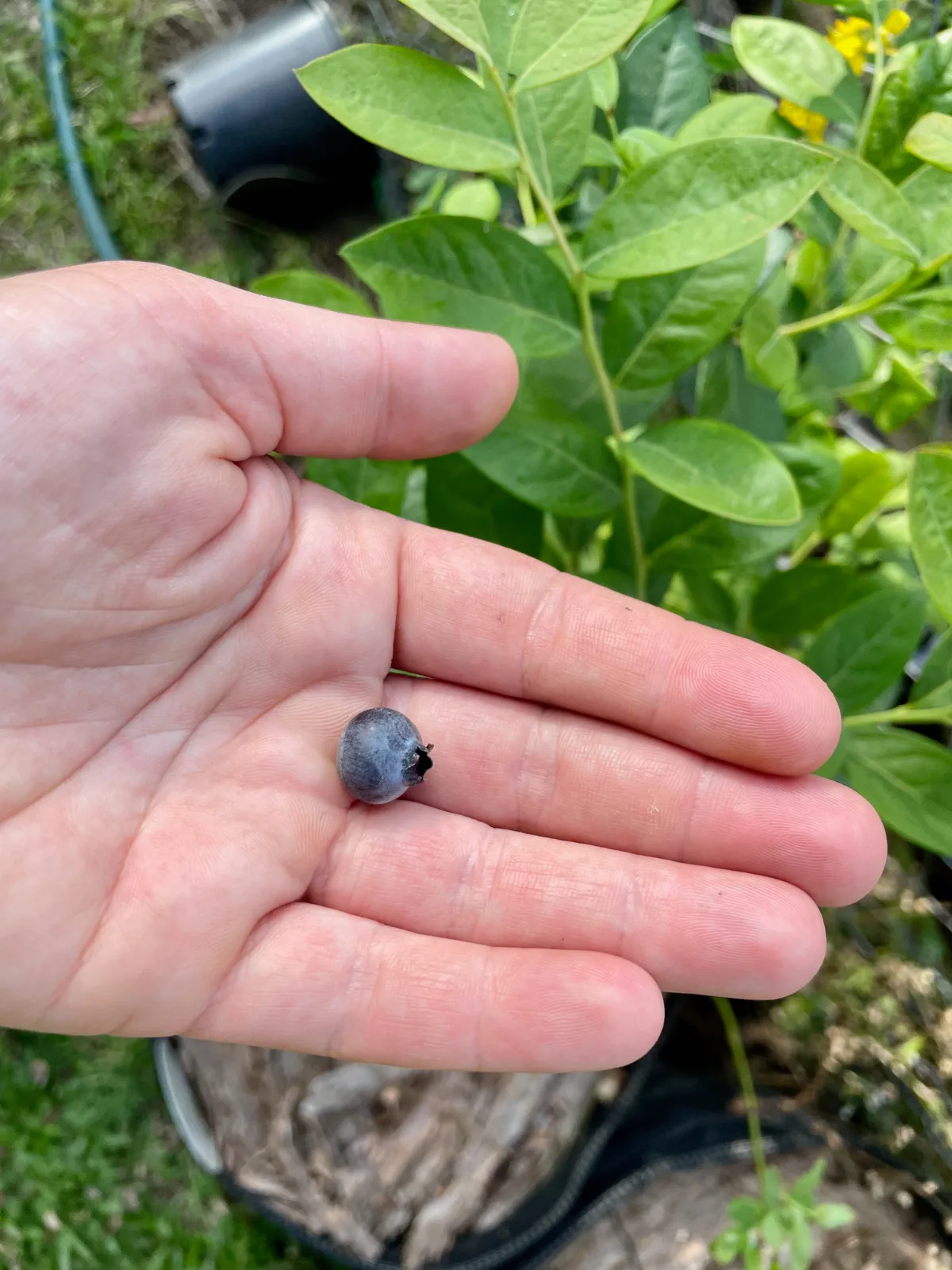
Blueberry
Blueberries need acidic soil, steady moisture and a cultivar group that matches your winter. Southern Highbush and Rabbiteye suit warmer districts, while Northern Highbush needs more winter chill.
View plant →
Fruit & berry
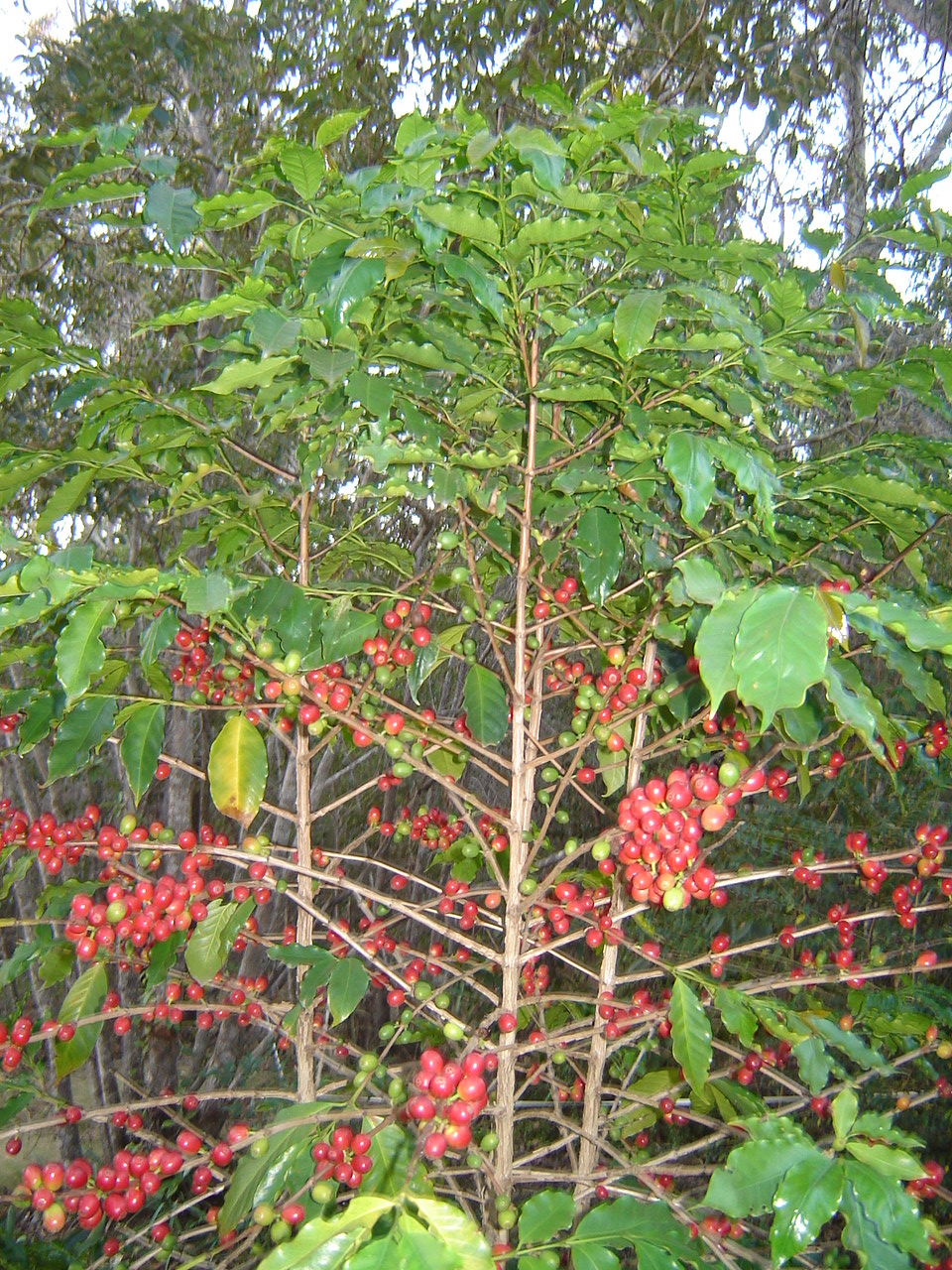
Coffee
Coffee is a glossy evergreen shrub with scented white flowers followed by red berries. It grows well in warm Australian gardens with bright filtered light, fertile soil and reliable moisture.
View plant →
Fruit & berry
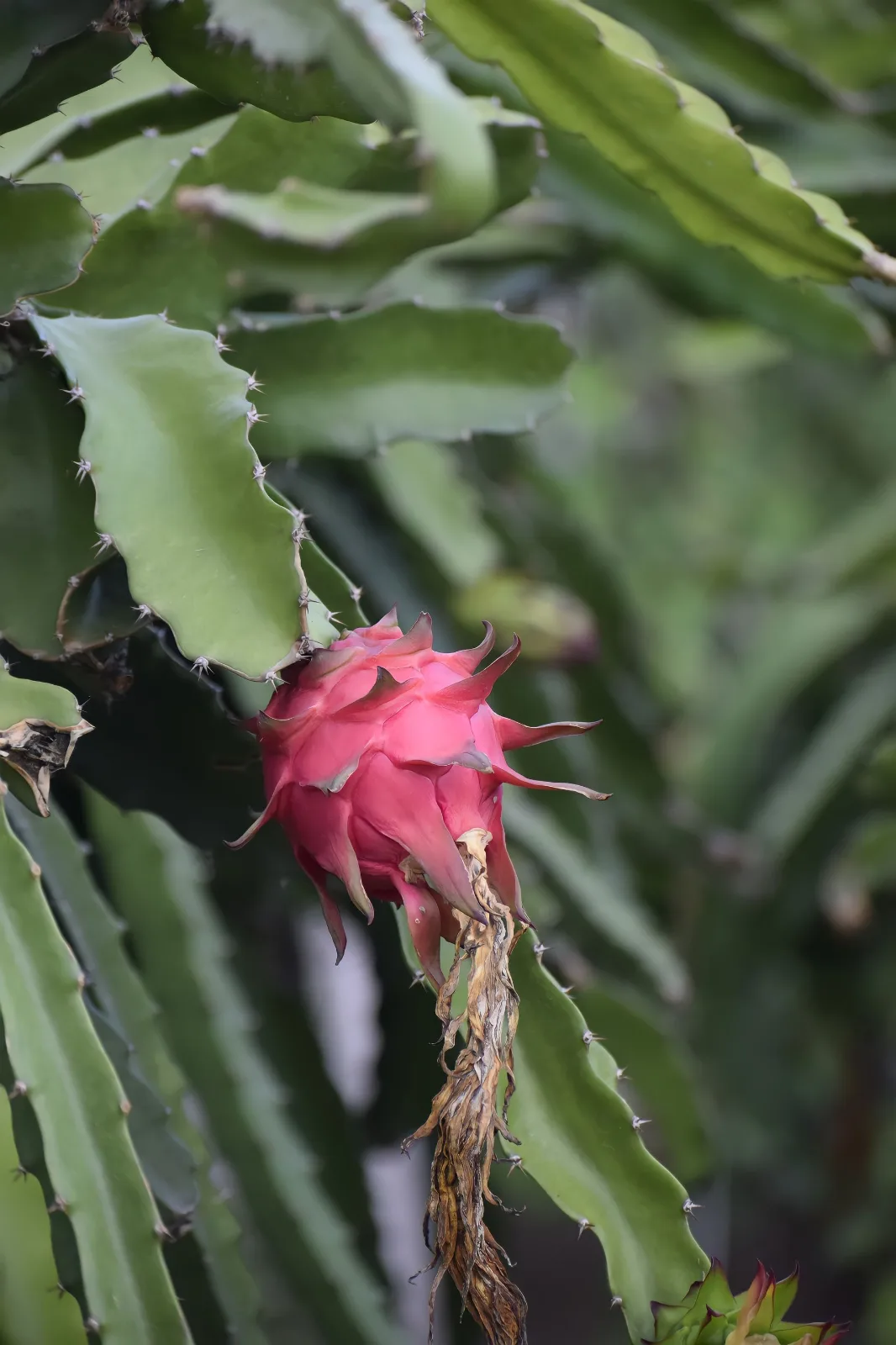
Dragon fruit
Dragon fruit is a climbing cactus that needs a strong support, warmth, sun and good drainage. Regular pruning keeps mature plants manageable.
View plant →
Fruit tree
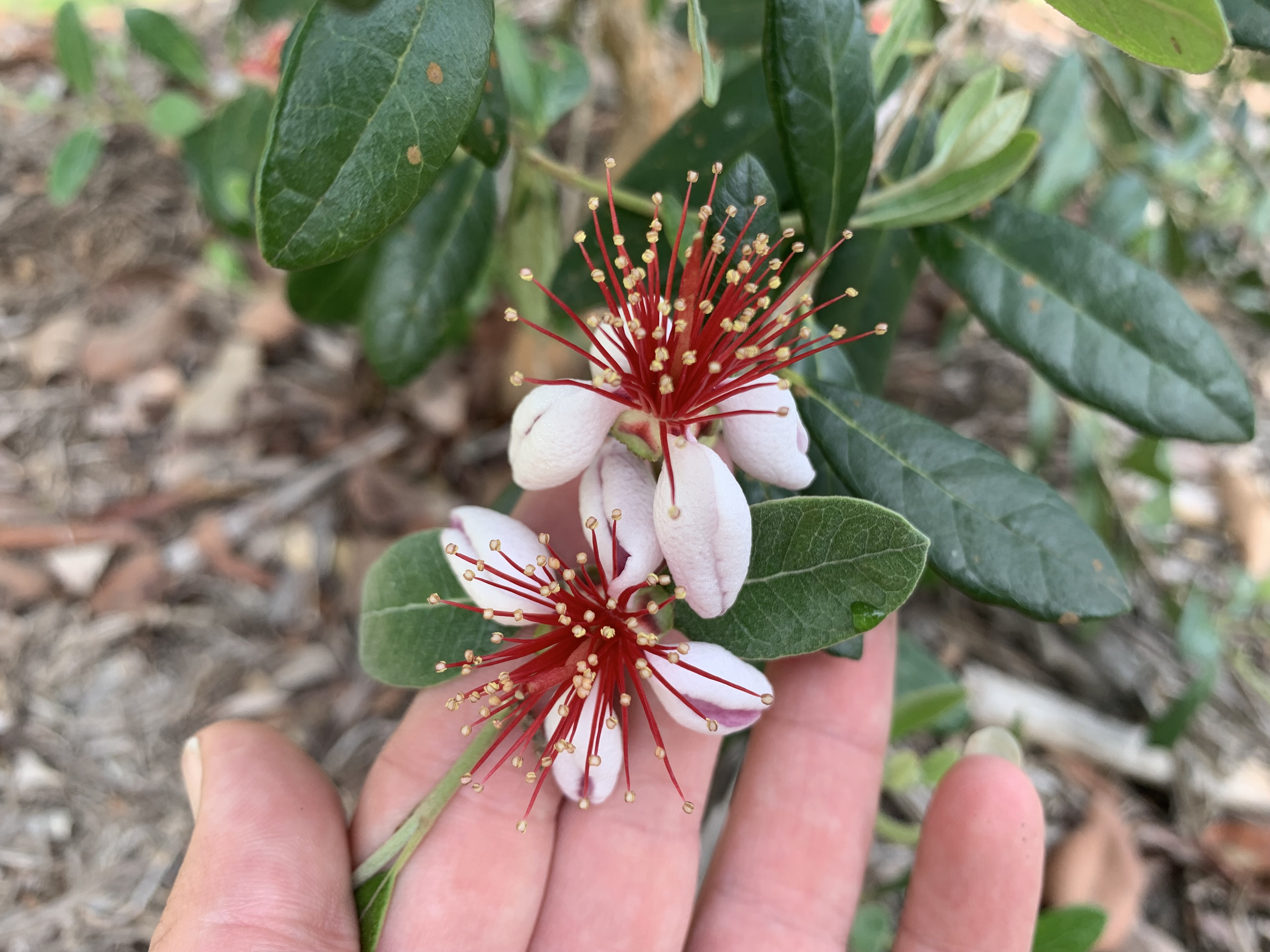
Feijoa
Feijoa is an evergreen subtropical fruit shrub or small tree with silver-backed leaves, edible flowers and fragrant green fruit. Cool winters, full sun and compatible pollination help it crop well.
View plant →
Fruit & berry
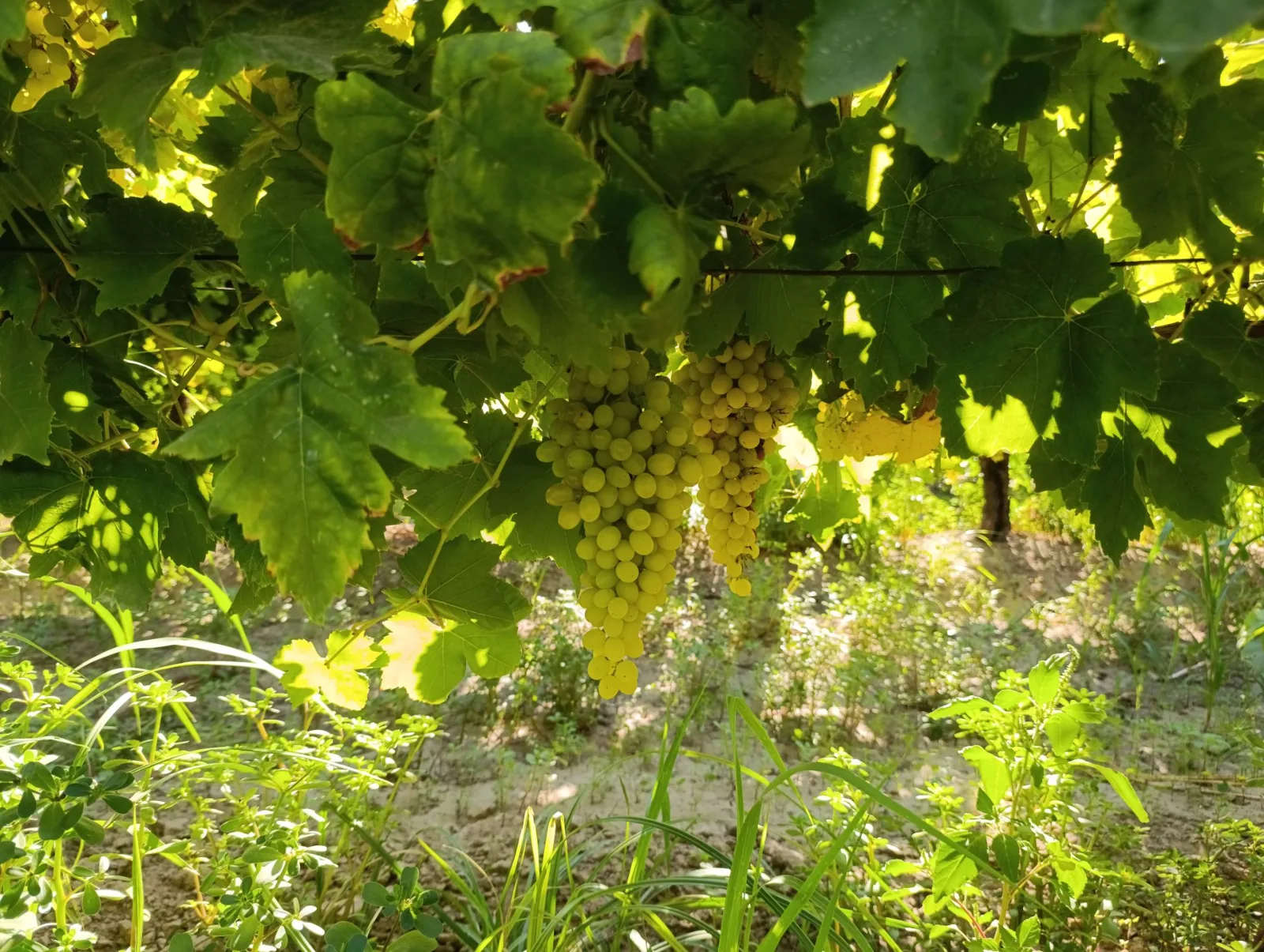
Grape
Grapes are vigorous deciduous vines that need a strong support and annual pruning. Winter pruning sets the crop and light summer trimming improves airflow around fruit.
View plant →
Fruit tree
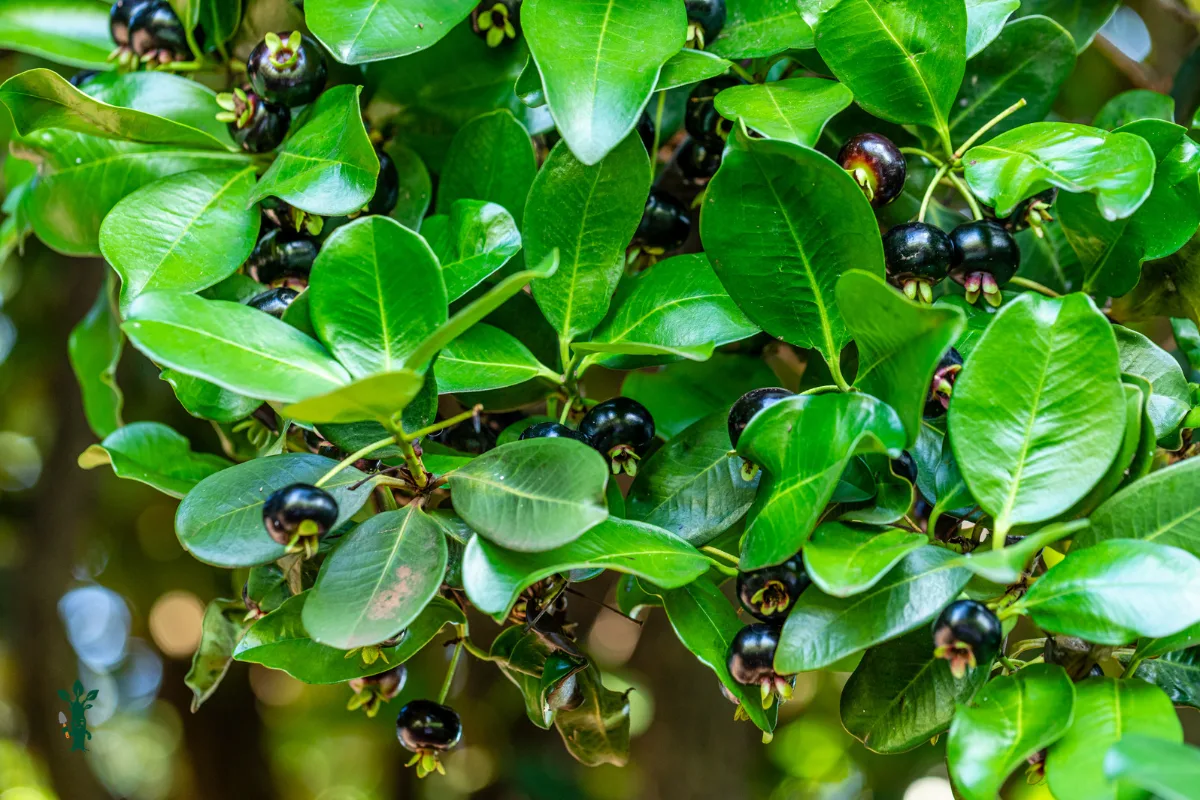
Grumichama
Grumichama is a glossy-leaved subtropical fruit tree with white flowers and cherry-like fruit that ripens from red to dark purple or almost black.
View plant →
Fruit tree
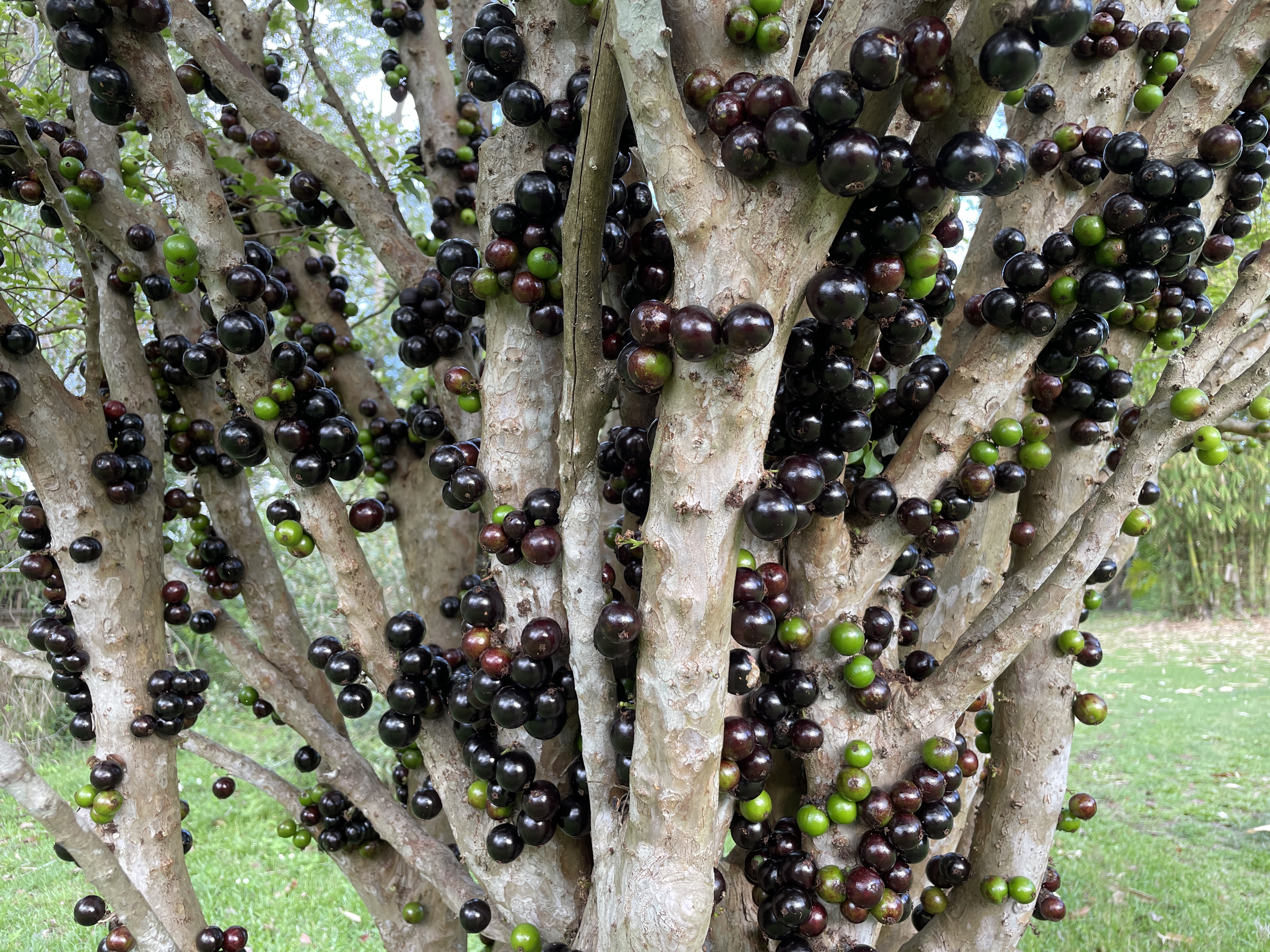
Jaboticaba
Jaboticaba is a slow-growing fruit tree that carries dark purple fruit directly on its trunk and older branches. The sweet juicy fruit can be eaten fresh or used for jam, wine and preserves.
View plant →
Vine
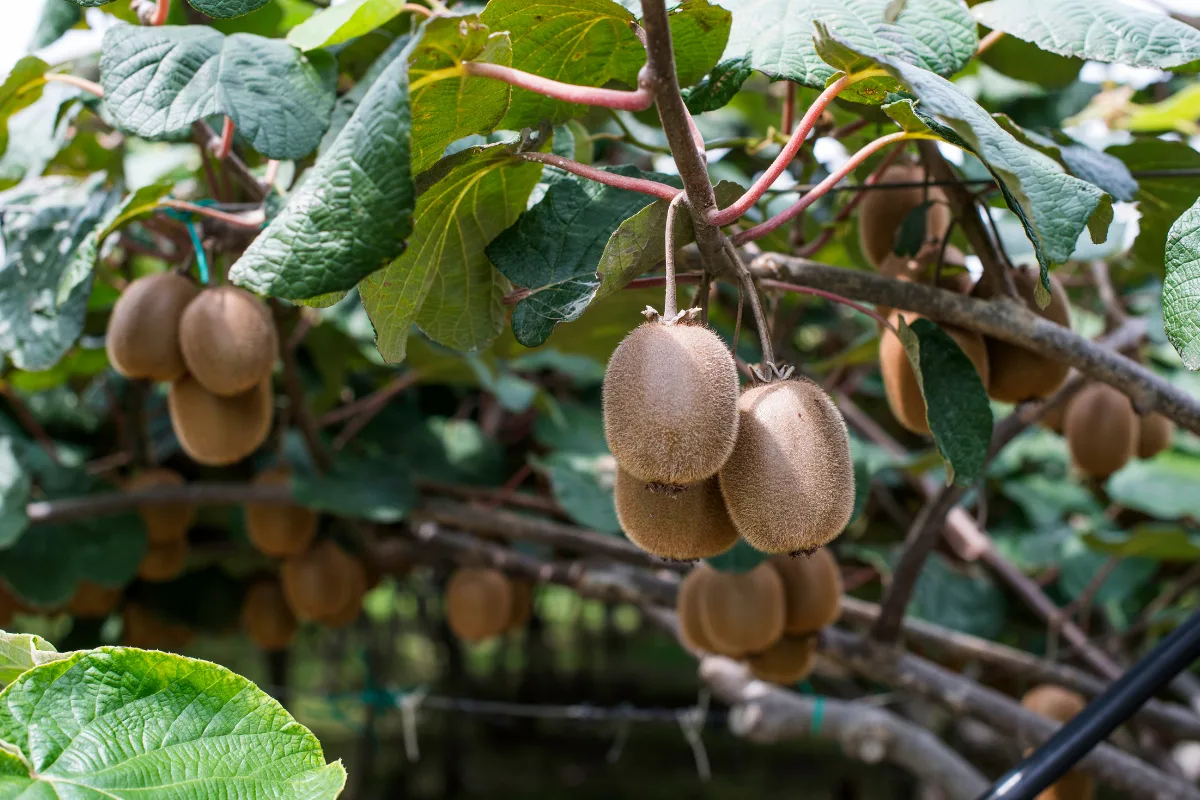
Kiwifruit
Kiwifruit is a vigorous deciduous vine that needs a strong support, steady moisture and usually both male and female plants for reliable fruit.
View plant →
Vine
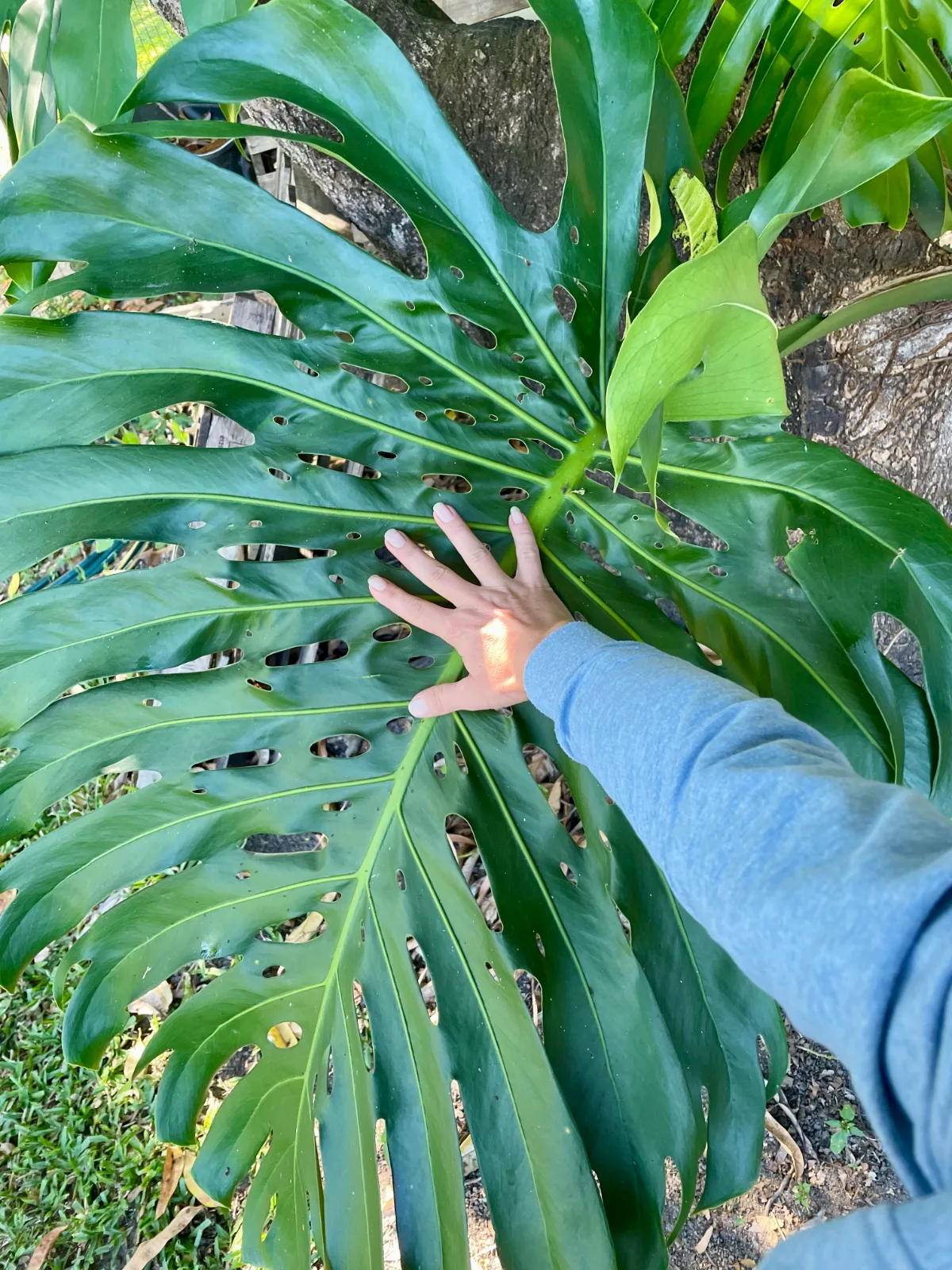
Monstera
Monstera is a tropical climber with large split and perforated leaves. Give it a sturdy support and bright filtered light and the leaves become much larger as the plant matures.
View plant →
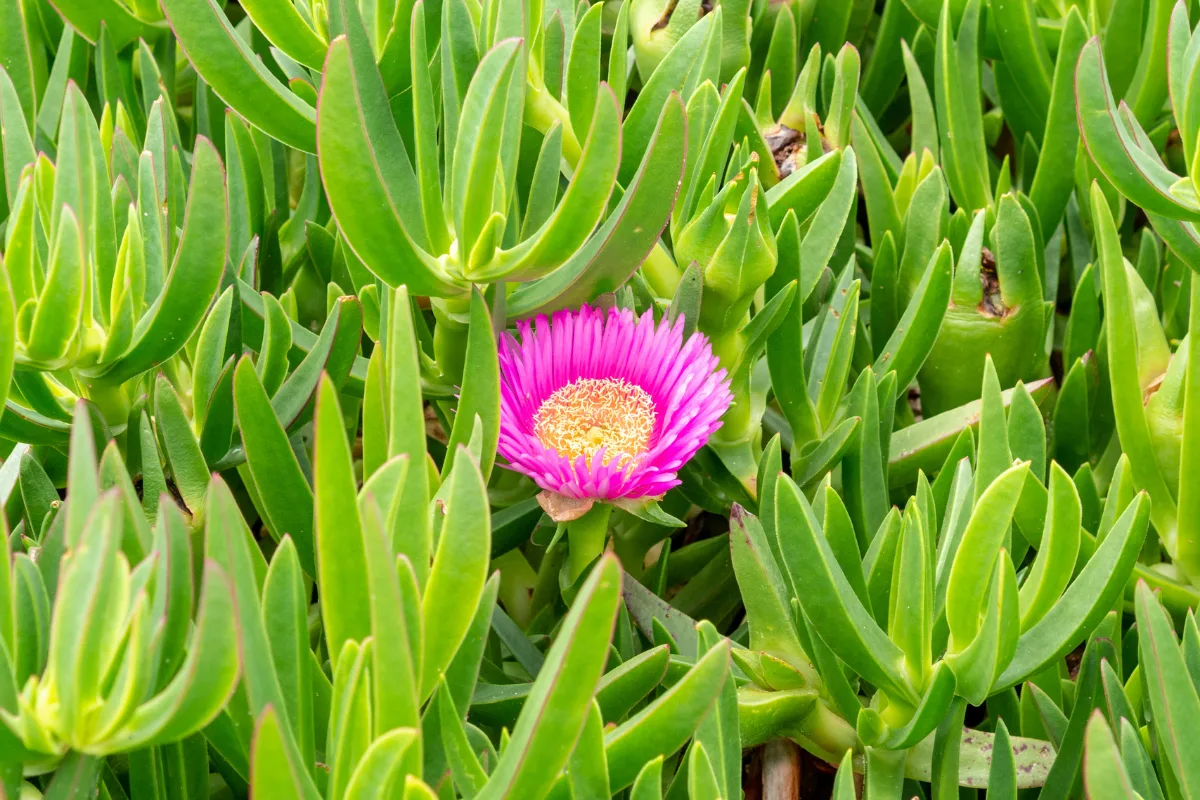
Succulent
Native pigface
Native pigface makes a low carpet of fleshy leaves and bright pink-purple flowers in hot, exposed sites. It handles salt, wind and dry soil, and the true native species also has edible fruit and leaves.
View plant →
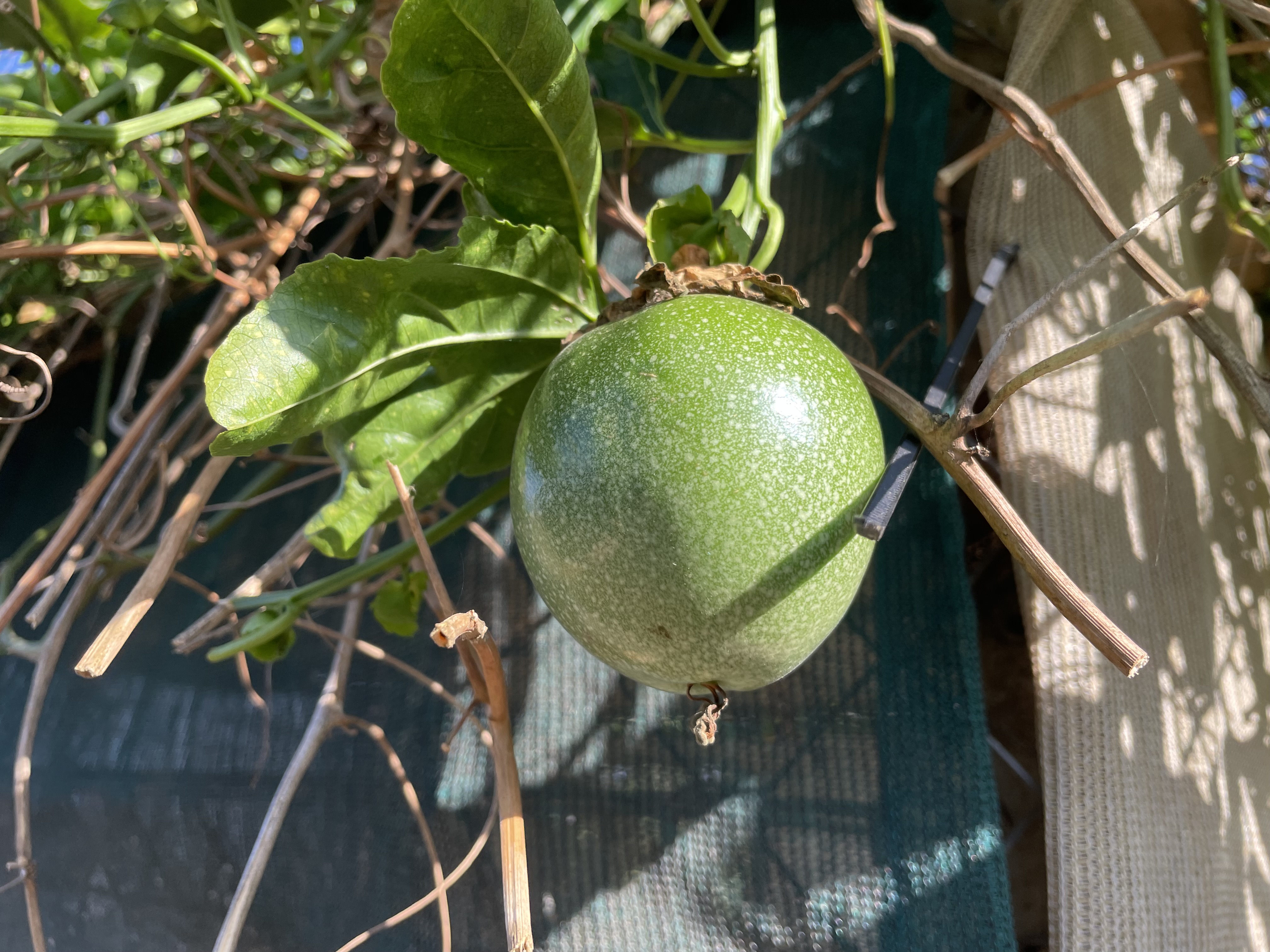
Vine
Passionfruit
Passionfruit is a fast-growing vine that needs a strong support, good drainage, regular water and feeding. Most vines are productive for only a few years.
View plant →
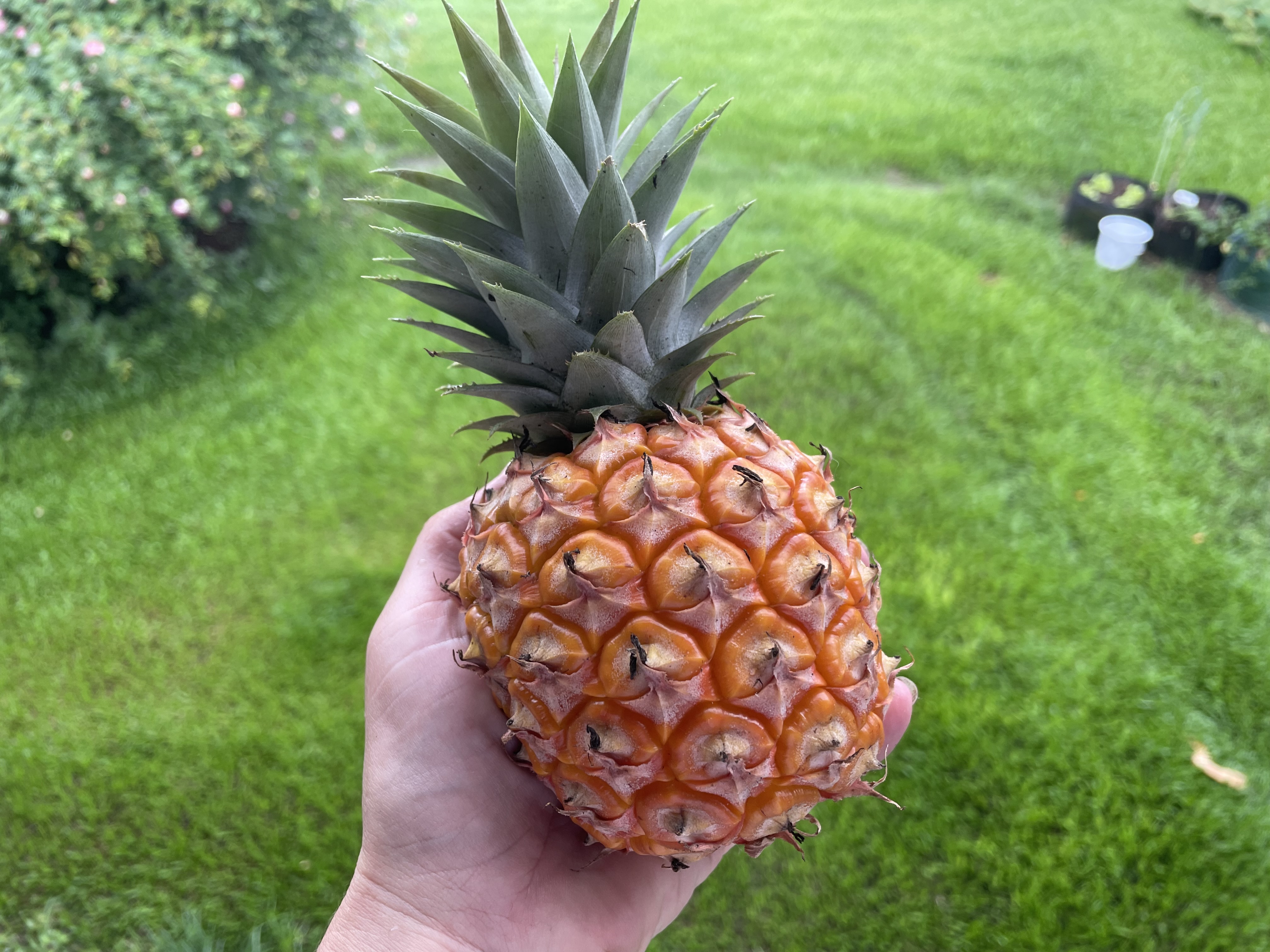
Fruit & berry
Pineapple
Pineapples are warm-climate bromeliads that need sun, free drainage and patience. A top or sucker can take well over a year to reach fruit.
View plant →
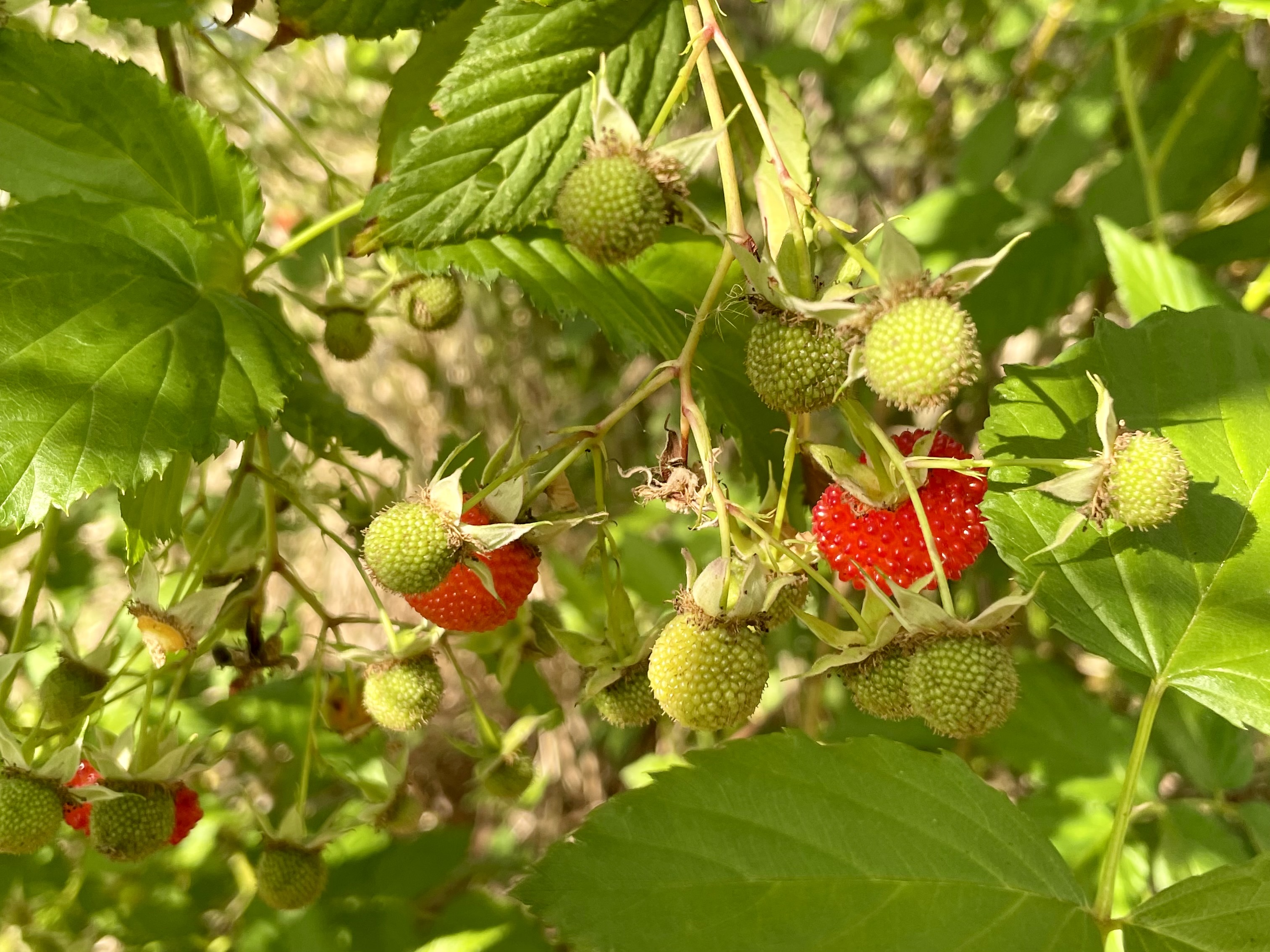
Fruit & berry
Raspberry
Raspberries are suckering cane fruits that perform best in cool and temperate climates. Pruning depends on whether the variety fruits on first-year or second-year canes.
View plant →
Fruit & berry
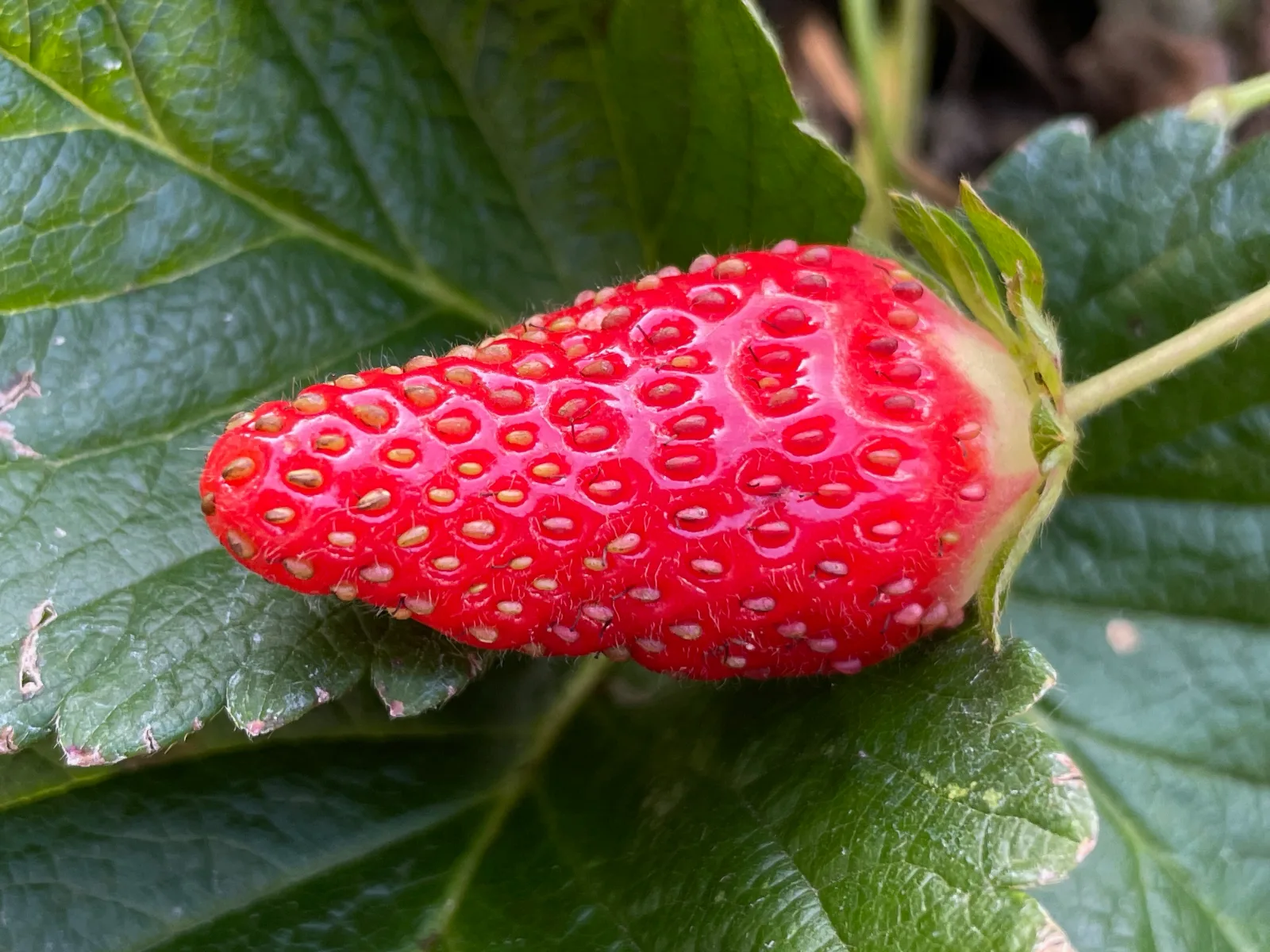
Strawberry
Strawberries are low-growing fruiting plants that crop best with sun, steady moisture and clean fruit kept off bare soil.
View plant →
Match the Plant to Its Growth Habit
Strawberries stay low, brambles send up canes and passionfruit needs a strong support. Check whether the plant runs, suckers or climbs before choosing a bed, fence or pot.
Some fruiting plants crop alone while others set more reliably with a compatible second variety. Good sun and even moisture during flowering and fruit development also affect the harvest.
Make Harvest Easy
Keep picking paths open and supports within reach. If birds are likely to share the crop, plan a frame for wildlife-safe netting before fruit ripens.
Regular picking reduces waste and helps you notice insects, split fruit or watering problems early. Thorny canes are easier to manage along an edge or in a dedicated row than in the middle of a mixed bed.
Common questions
- Which berries grow in warm Australian climates?
- Low-chill strawberries, mulberries and several tropical or subtropical small fruits can suit warm districts. Traditional raspberries and blueberries vary widely, so choose cultivars bred for local chill and heat conditions.
- Do blueberries need special soil?
- Most blueberries grow best in an acidic, free-draining mix with steady moisture. Many garden soils are not acidic enough, which is why a large pot with a suitable mix can be easier to manage.
- Can berries be grown in pots?
- Strawberries, compact blueberries and some other small fruits can crop well in pots. Use enough root volume, water evenly and choose a variety suited to your climate and pot size.