


Plant profile
Grape
Vitis vinifera and cultivars
Also known as Grapevine, Grapes.
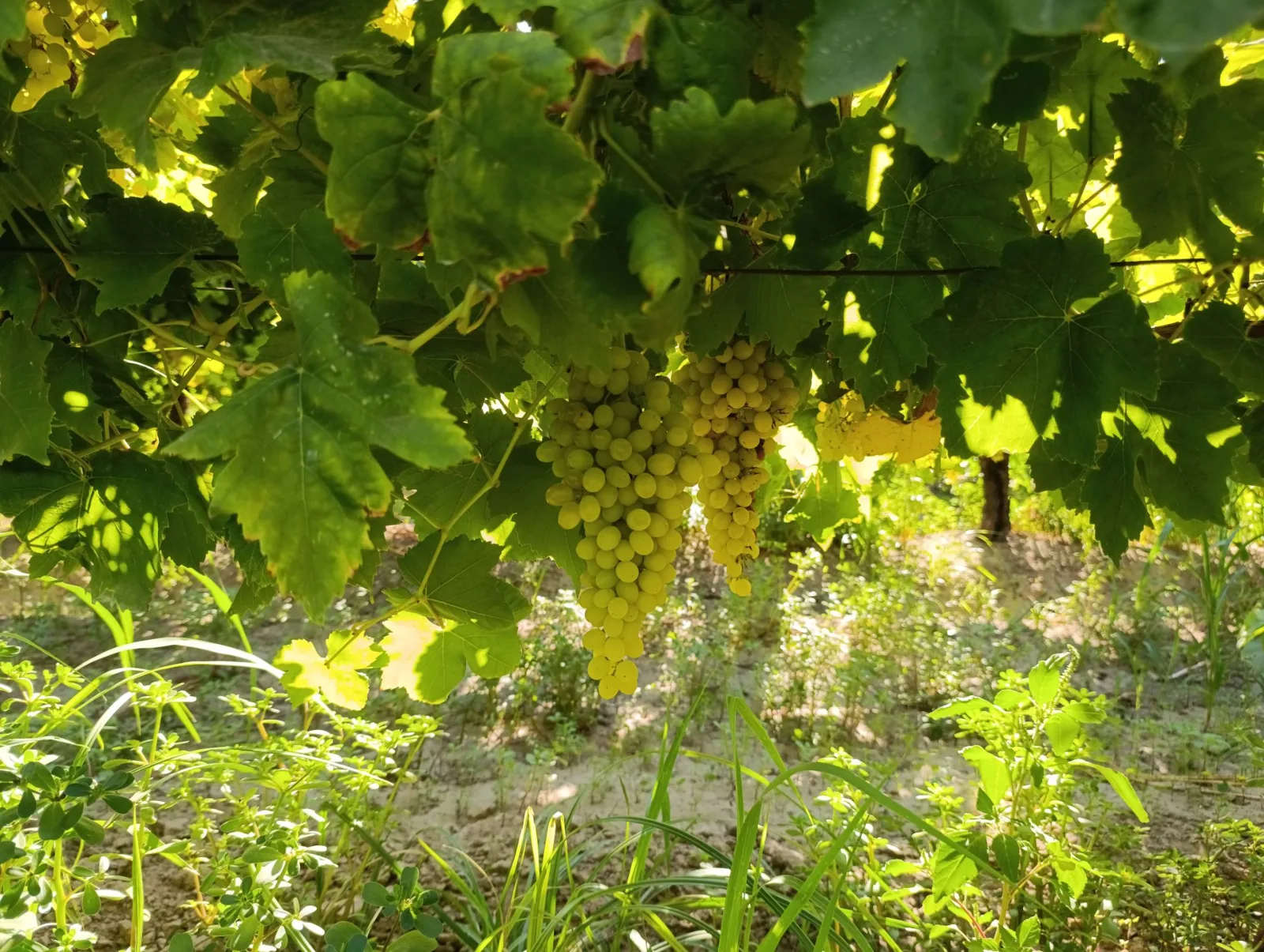
Grapes are vigorous deciduous vines that need a strong support and annual pruning. Winter pruning sets the crop and light summer trimming improves airflow around fruit.
- Grows well in
- Subtropical, Temperate, Cool / mountains, Arid / inland, Mediterranean
- Lifecycle
- Deciduous perennial fruiting vine
- Light
- Full sun
- Mature size
- A vigorous grapevine can produce 5–10 m or more of growth when given a large trellis, pergola or other support.
- Spacing
- About 2–4 m between vines is practical for most backyard trellises, depending on the variety and how the vine will be trained.
- Growth habit
- Long-lived deciduous woody climber that uses tendrils to attach itself to supports and fruits on new shoots from established wood.
- Native range
- Southern and south-eastern Europe through Central Asia to northern Iran
- Natural habitat
- Temperate forest margins, river valleys and scrub, where wild vines climb through surrounding vegetation.
When to plant
Subtropical
June–August
Temperate
June–August
Cool / mountain
June–August
Arid inland
June–August
Mediterranean
June–August
Planting
Plant a named variety suited to your climate beside a strong trellis, pergola or wire framework. Train the young trunk and permanent arms carefully because that framework becomes heavy with age and is difficult to rebuild once the vine is established.
Position and light
Full sun is needed for strong ripening, good flavour and lower disease pressure. Keep the fruiting zone open enough that sunlight and air reach bunches.
Soil
Deep, well-drained soil with moderate fertility suits grapes. They tolerate a range of soil types, but avoid sites that remain waterlogged and avoid excessive nitrogen that drives dense leafy growth.
Watering
Water young vines while they establish and keep moisture reasonably steady while fruit develops. Established vines can handle some drying, but large swings in moisture close to ripening can contribute to berry splitting in susceptible varieties.
Feeding
Feed lightly in spring if needed. Excessive nitrogen creates dense leafy growth, delays ripening and makes humid-canopy disease harder to manage.
Pruning
Hard prune during winter dormancy, using the pruning system suited to the variety. Summer trimming can reduce tangles and improve light and airflow around fruit.
Harvest
Harvest when berries have reached full colour, sweetness and flavour for the variety.
Propagation
Many grapes root readily from hardwood cuttings taken during winter pruning. Named garden vines may be grafted, particularly where the rootstock is selected for soil conditions, suitable vigour or resistance to root-feeding insects such as grape phylloxera.
Common problems
Powdery mildew, downy mildew, birds, fruit splitting and poor ripening can occur. Disease pressure is highest where leaves and bunches stay crowded and damp. Variety choice matters because disease tolerance and ripening season differ widely.
Worth knowing
Table and wine grapes are usually different cultivars selected for different uses, and varieties vary greatly in vigour, ripening time and disease tolerance. Choose a cultivar suited to your local climate and intended use rather than relying on general grape advice alone.

Grow Grape with Brancho
Add it to My Garden and Brancho works out what it needs next, timed for your climate.
How it grows around Australia
Growing this too? Share what you've noticed in your garden.

Grow a Little Wild
New plants to try, useful growing tips and a few garden jobs based on what you grow.