


Plant profile
Raspberry
Rubus idaeus and cultivars
Also known as Raspberries.
Raspberries are suckering cane fruits that perform best in cool and temperate climates. Pruning depends on whether the variety fruits on first-year or second-year canes.
- Grows well in
- Temperate, Cool / mountains, Mediterranean
- Lifecycle
- Perennial suckering cane fruit
- Light
- Full sun, Part shade
- Mature size
- Canes usually reach about 1–2 m tall, while the perennial root system gradually spreads sideways by suckers.
- Spacing
- About 30–60 cm between canes in a managed row; leave roughly 1.5–2 m between rows for access.
- Growth habit
- Suckering perennial cane fruit with a permanent root system and upright biennial canes that are replaced from the base.
- Native range
- Temperate Northern Hemisphere to Mexico
- Natural habitat
- Temperate woodland clearings, forest edges, scrub and mountain slopes.
When to plant
Temperate
June–August
Cool / mountain
June–August
Mediterranean
June–August
Planting
Plant dormant canes or divided suckers in winter into fertile, well-drained soil. Give plants a support system.
Position and light
Full sun is best for fruiting, with light shade acceptable in warmer districts, since some relief from the harshest afternoon sun can reduce heat stress on canes and ripening fruit.
Soil
Acidic to neutral, fertile and well-drained soil.
Watering
Keep new plants watered while they establish and maintain even moisture through fruiting.
Feeding
Top-dress with compost or berry fertiliser as growth starts.
Pruning
Pruning depends on fruiting type. Summer-fruiting raspberries fruit on second-year canes; autumn-fruiting types fruit on current-season growth.
Harvest
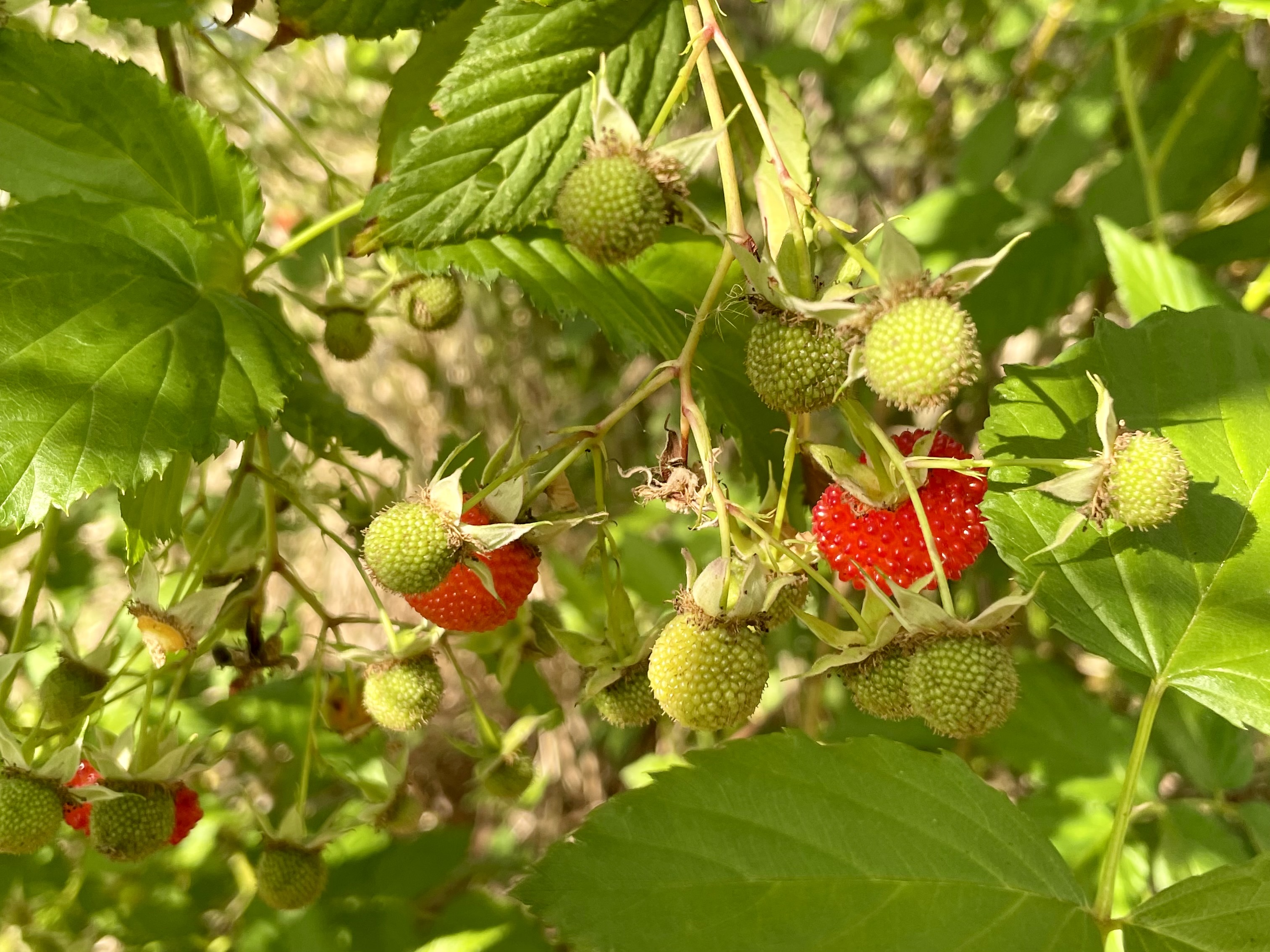
Pick fully coloured berries gently as they release easily from the core.
Propagation
Divide rooted suckers or transplant young canes during dormancy.
Common problems
Birds, cane disease, spreading suckers and poor airflow can reduce crops. Netting is often the most reliable way to protect a ripening crop from birds, and thinning crowded canes each winter improves airflow and reduces fungal problems.
Worth knowing
Summer raspberries fruit mainly on second-year canes, while autumn types fruit on first-year growth and can usually be cut to the ground after cropping. Raspberries generally need a defined cold or chill period over winter to fruit well, which is why they perform best in cool and temperate parts of Australia and are harder to grow reliably in warm subtropical climates. Suckers can spread beyond the intended row over time and may need regular removal to keep the planting contained.

Grow Raspberry with Brancho
Add it to My Garden and Brancho works out what it needs next, timed for your climate.
How it grows around Australia
Growing this too? Share what you've noticed in your garden.
Grow a Little Wild
New plants to try, useful growing tips and a few garden jobs based on what you grow.