
Australian Native Plants to Grow
Australian native plants range from rainforest trees to desert groundcovers, so being native does not mean a plant suits every Australian garden. Match the exact species to your soil, rainfall, climate and available space.
Ornamental
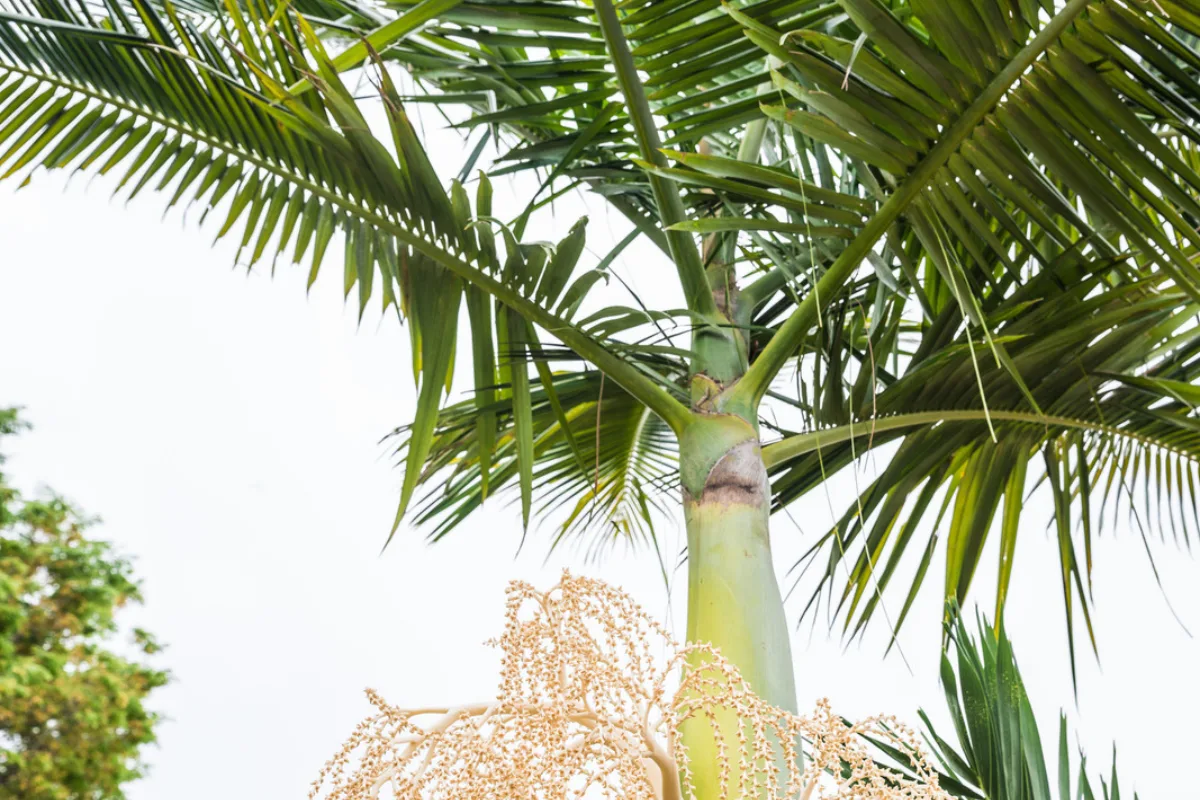
Alexandra palm
Alexandra palm is a tall Queensland native palm with a smooth trunk, green crownshaft and silvery leaf undersides. It grows quickly in warm, moist conditions and suits tropical and subtropical gardens where there is enough room for a very tall canopy.
View plant →
Herb & spice
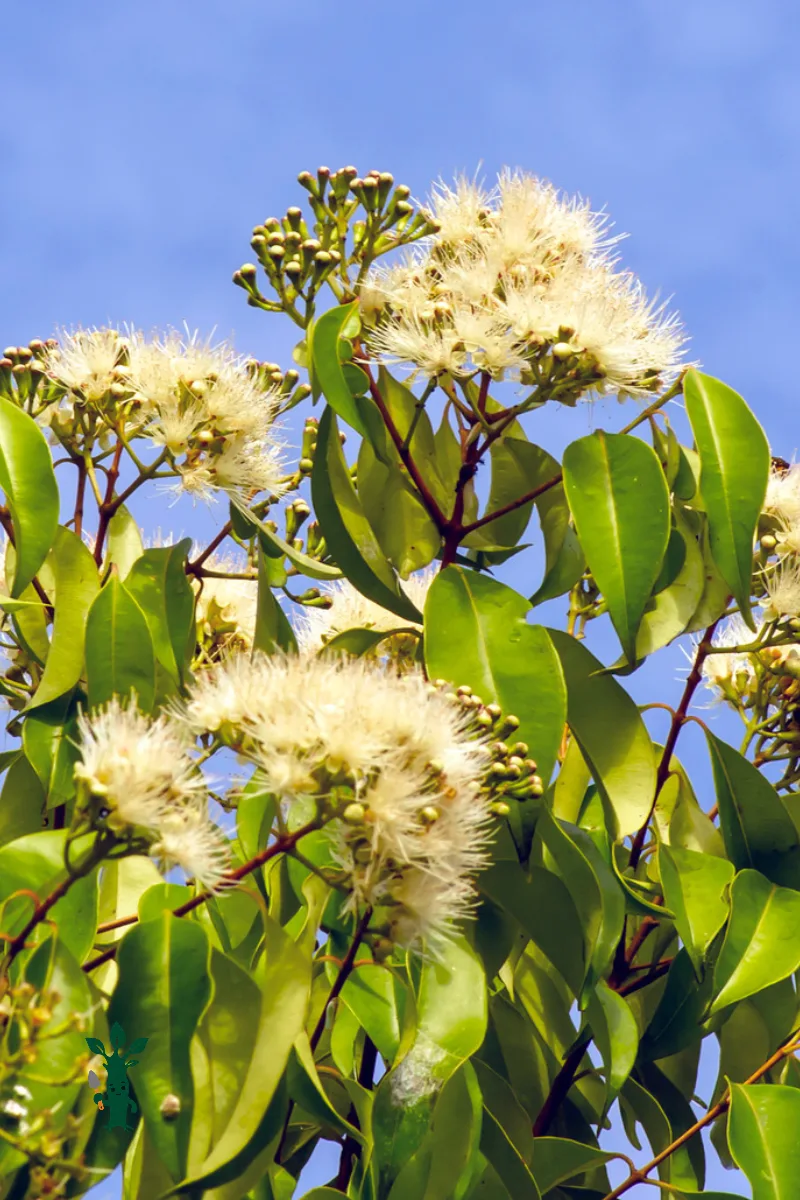
Anise myrtle
Anise myrtle is an Australian rainforest tree with aromatic leaves that smell and taste of aniseed or liquorice. It can be grown as a small tree, clipped screen or hedge and likes moisture while young.
View plant →
Fruit & berry
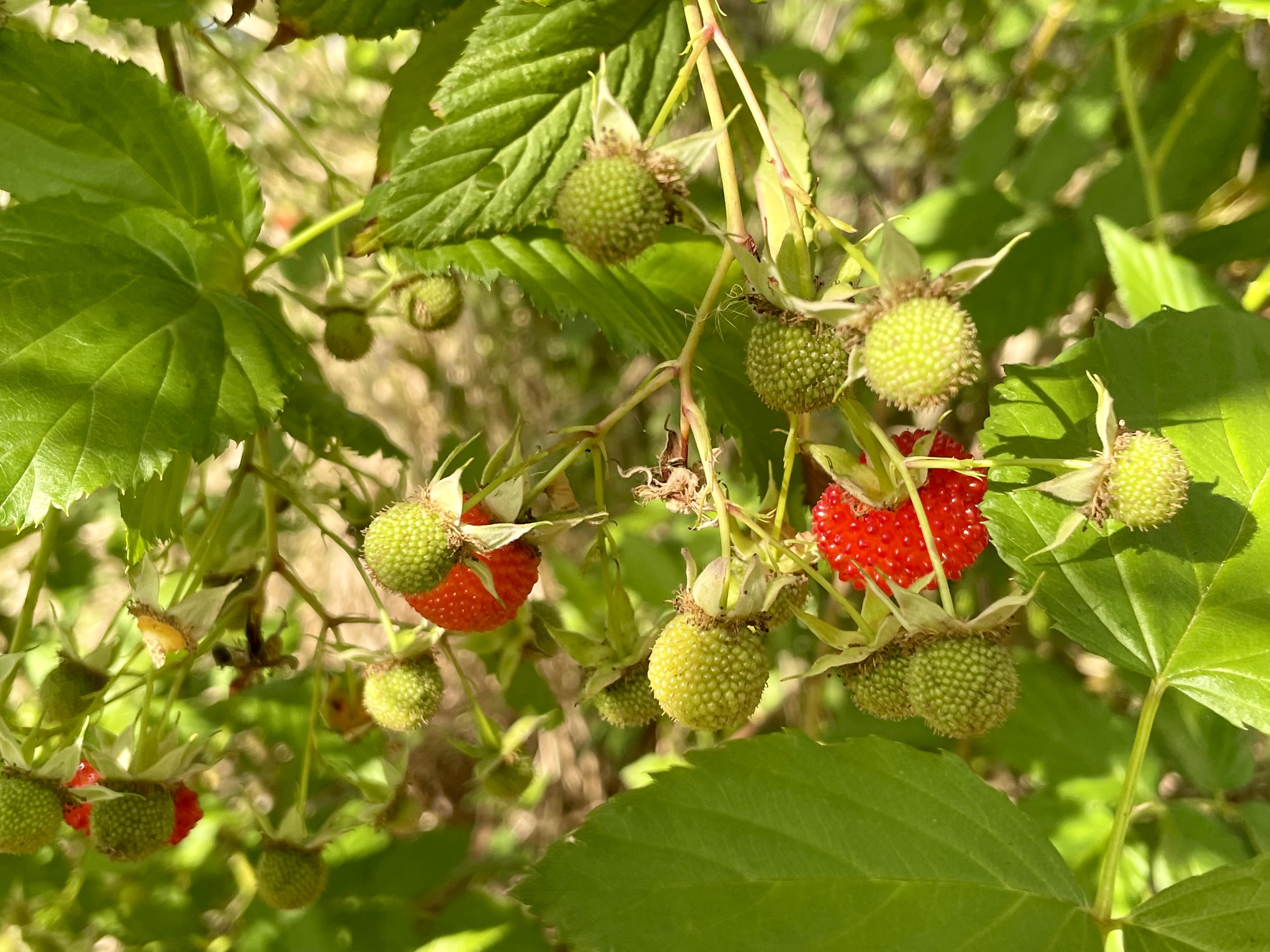
Atherton raspberry
Atherton raspberry is a vigorous Queensland native bramble that handles warm, humid climates far better than ordinary European raspberries. It makes prickly scrambling canes, white flowers and bright red fruit with a sharper raspberry flavour. Give it room, regular water and pruning or it can form a dense thicket.
View plant →
Ornamental
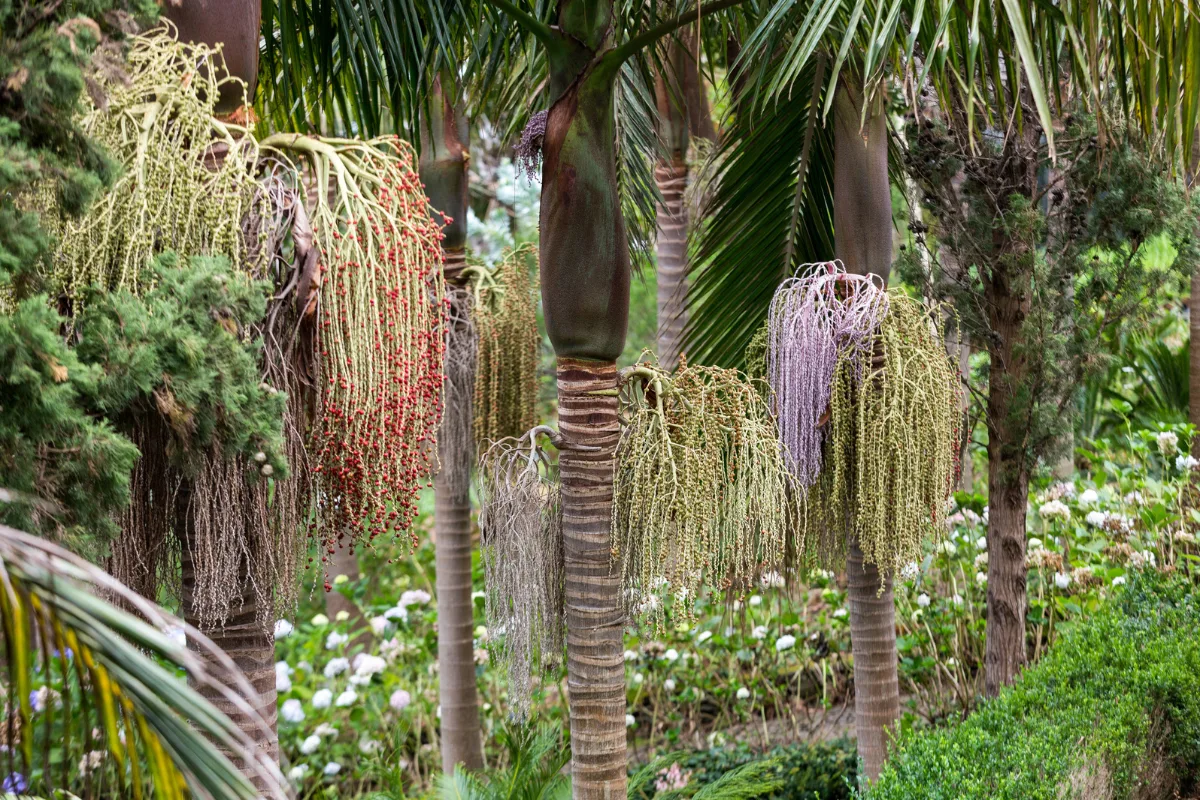
Bangalow palm
Bangalow palm is an eastern Australian native palm with arching fronds and a smooth crownshaft. It grows naturally in moist gullies, rainforest and streamside country.
View plant →
Ornamental
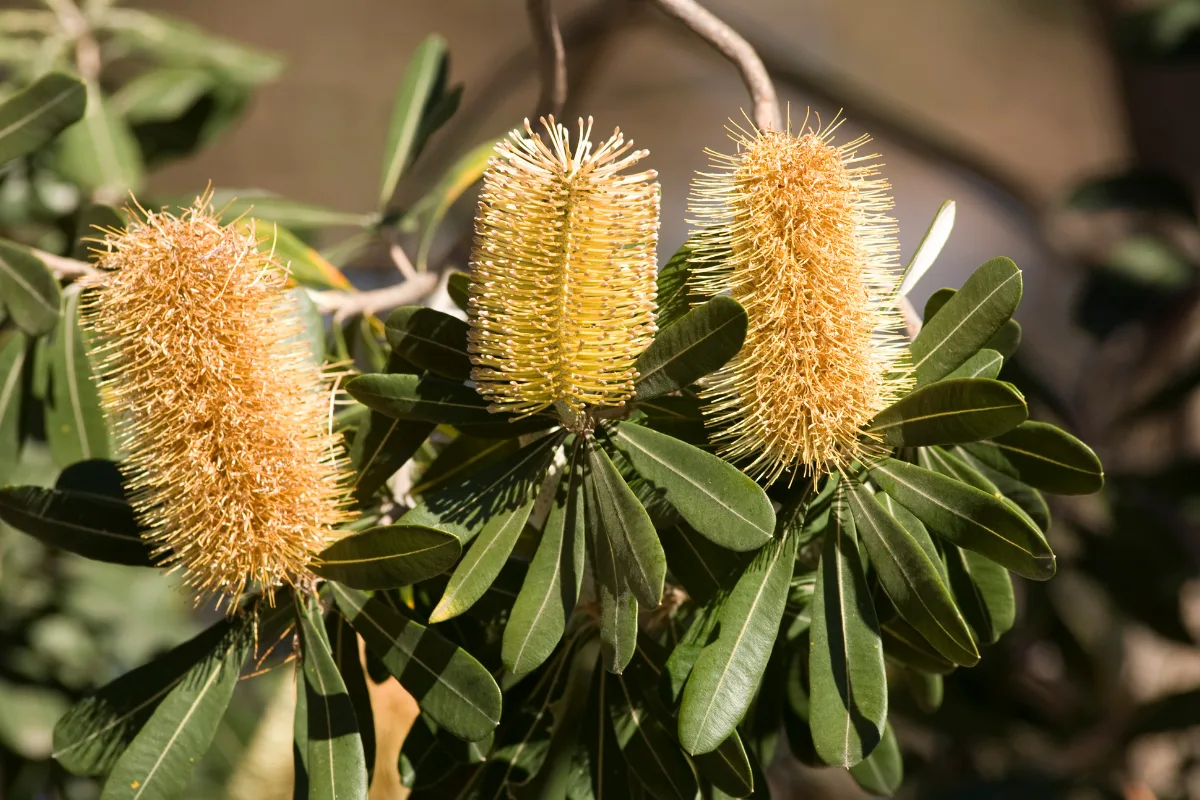
Banksia
Banksias range from groundcovers to large trees, with nectar-rich flower spikes that bring birds into the garden. Match the species to your climate and soil rather than treating all banksias the same.
View plant →
Herb & spice
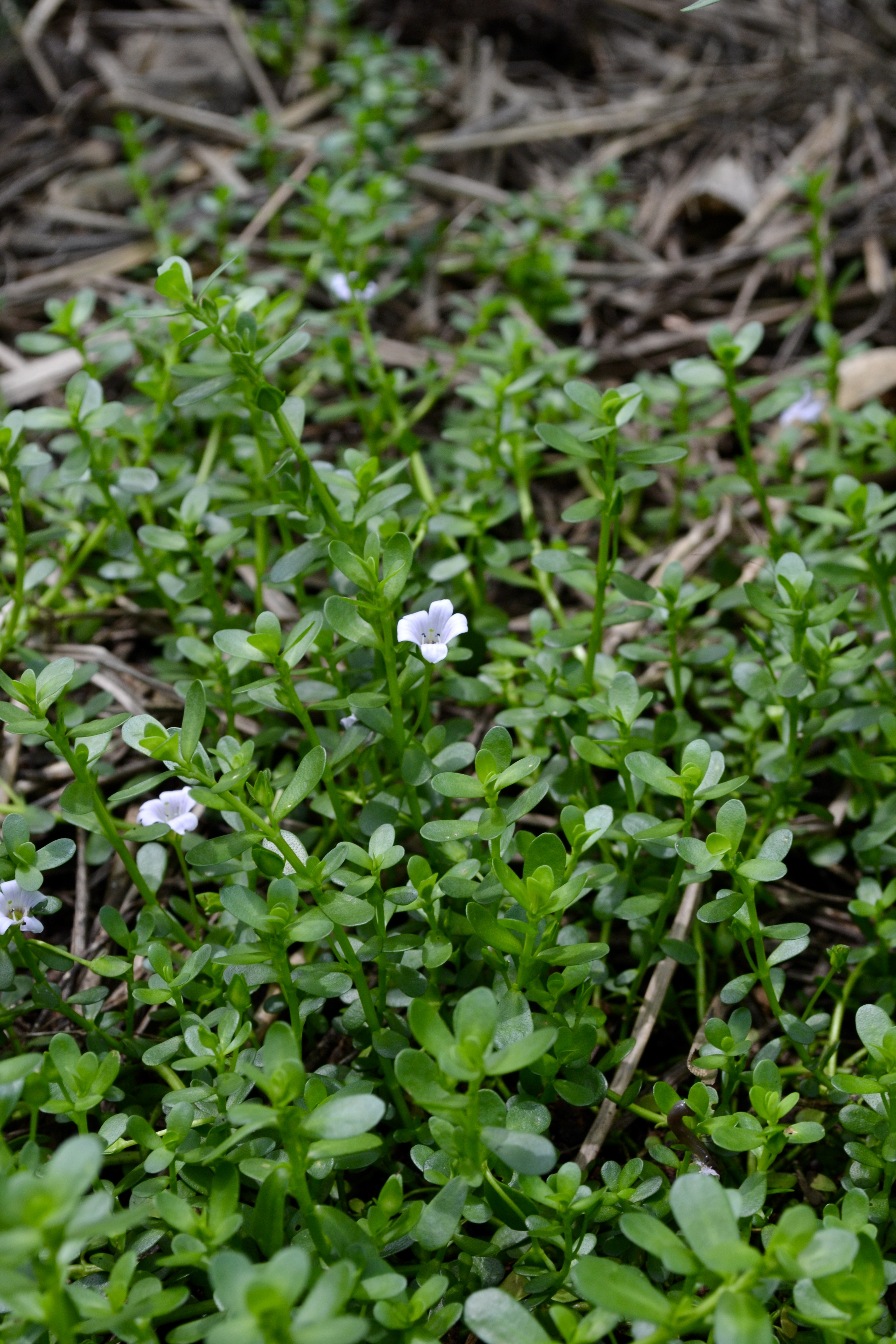
Brahmi
Brahmi is a low creeping native herb that roots wherever its fleshy stems touch wet soil. It forms a soft mat beside ponds, through wet beds and in shallow-water pots, and it grows best where the root zone stays consistently moist rather than cycling between wet and dry.
View plant →
Ornamental
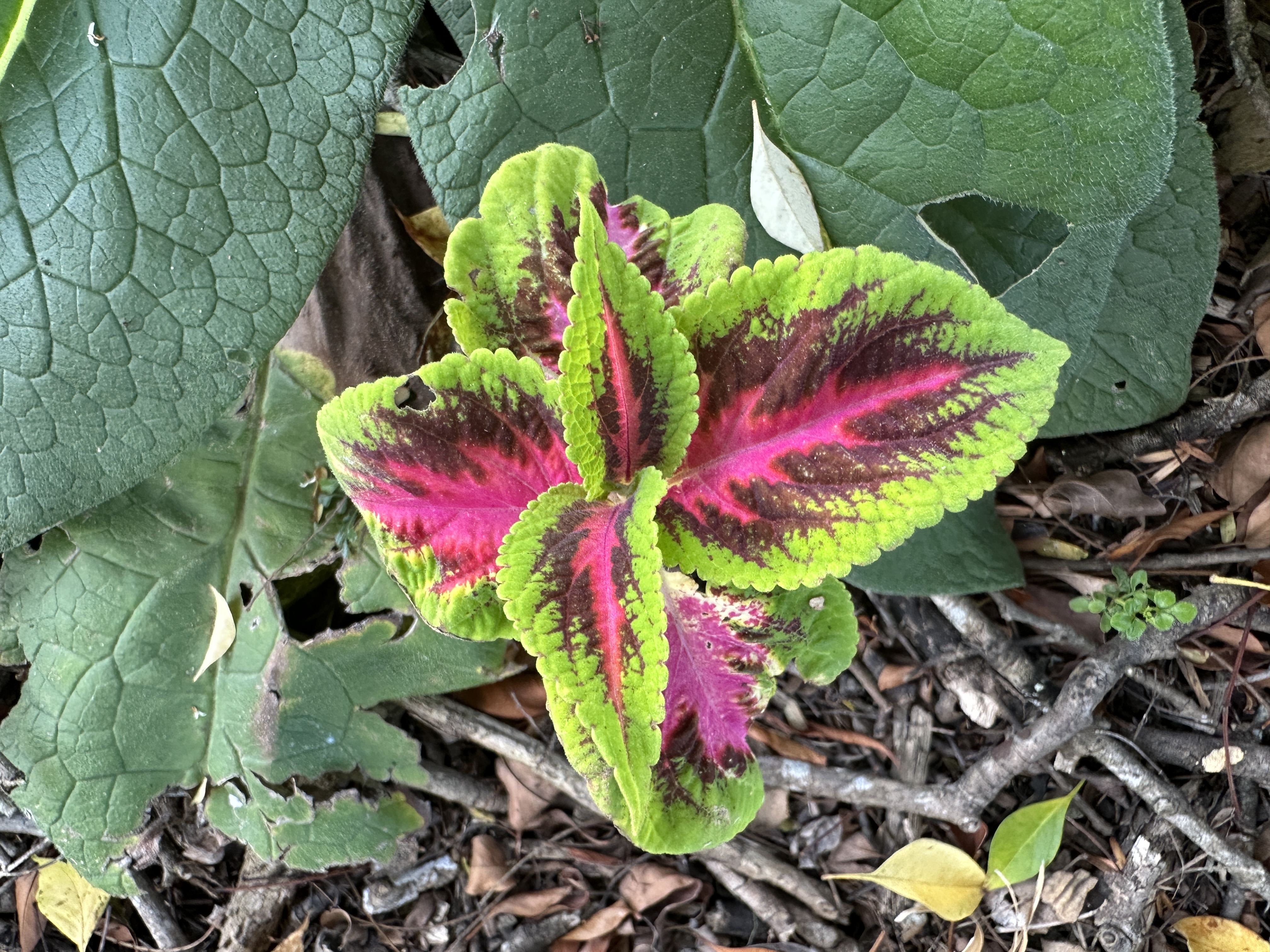
Coleus
Coleus is the fastest way to get colour into a shady spot. Cuttings root in a glass of water, plants fill out in weeks, and pinching the tips keeps them bushy instead of lanky.
View plant →
Ornamental
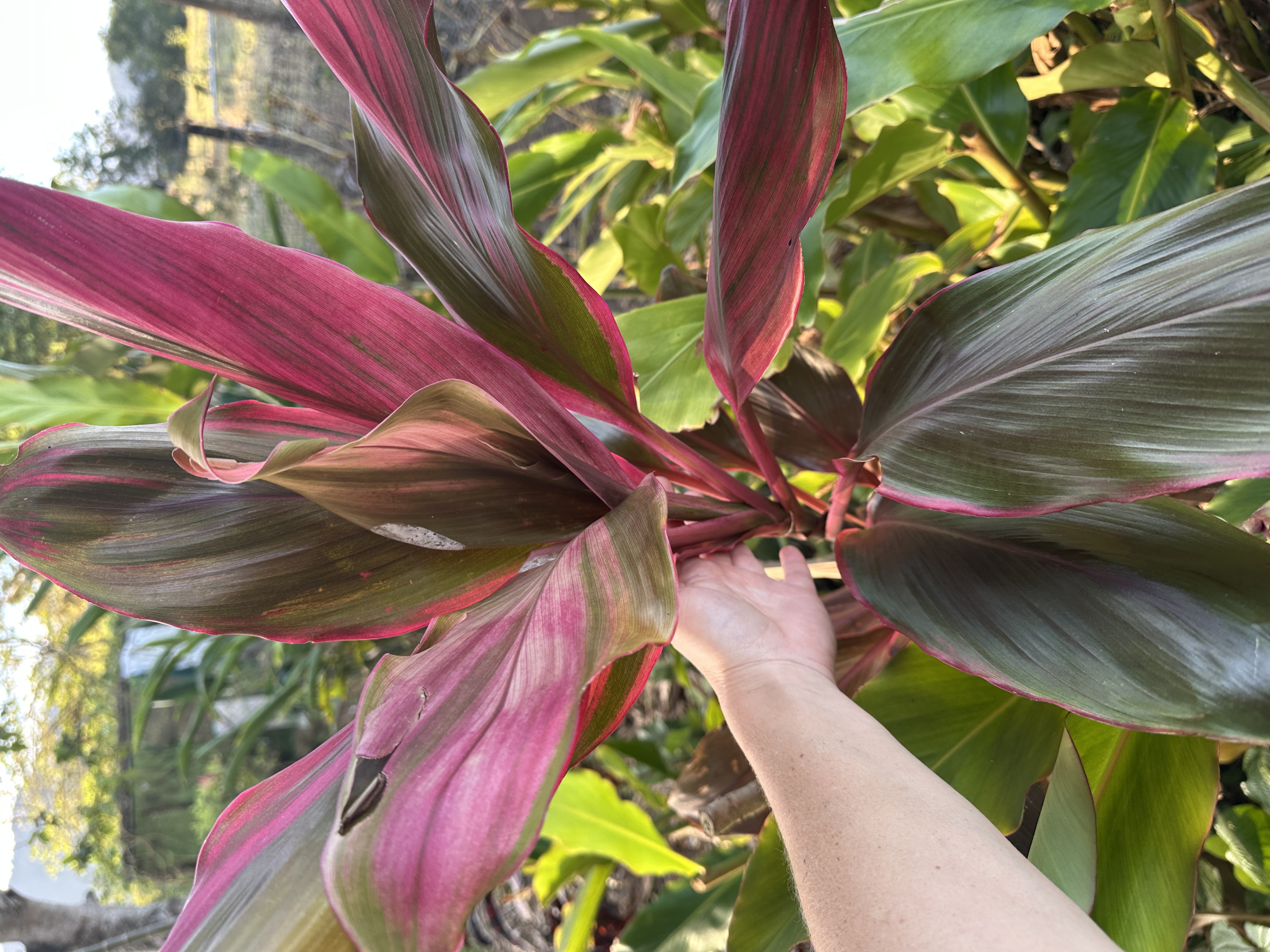
Cordyline fruticosa
Cordyline fruticosa is a warm-climate foliage plant with broad leaves in green, burgundy, pink, red and variegated forms. It grows on upright canes and responds well when you cut tall stems back.
View plant →
Ornamental
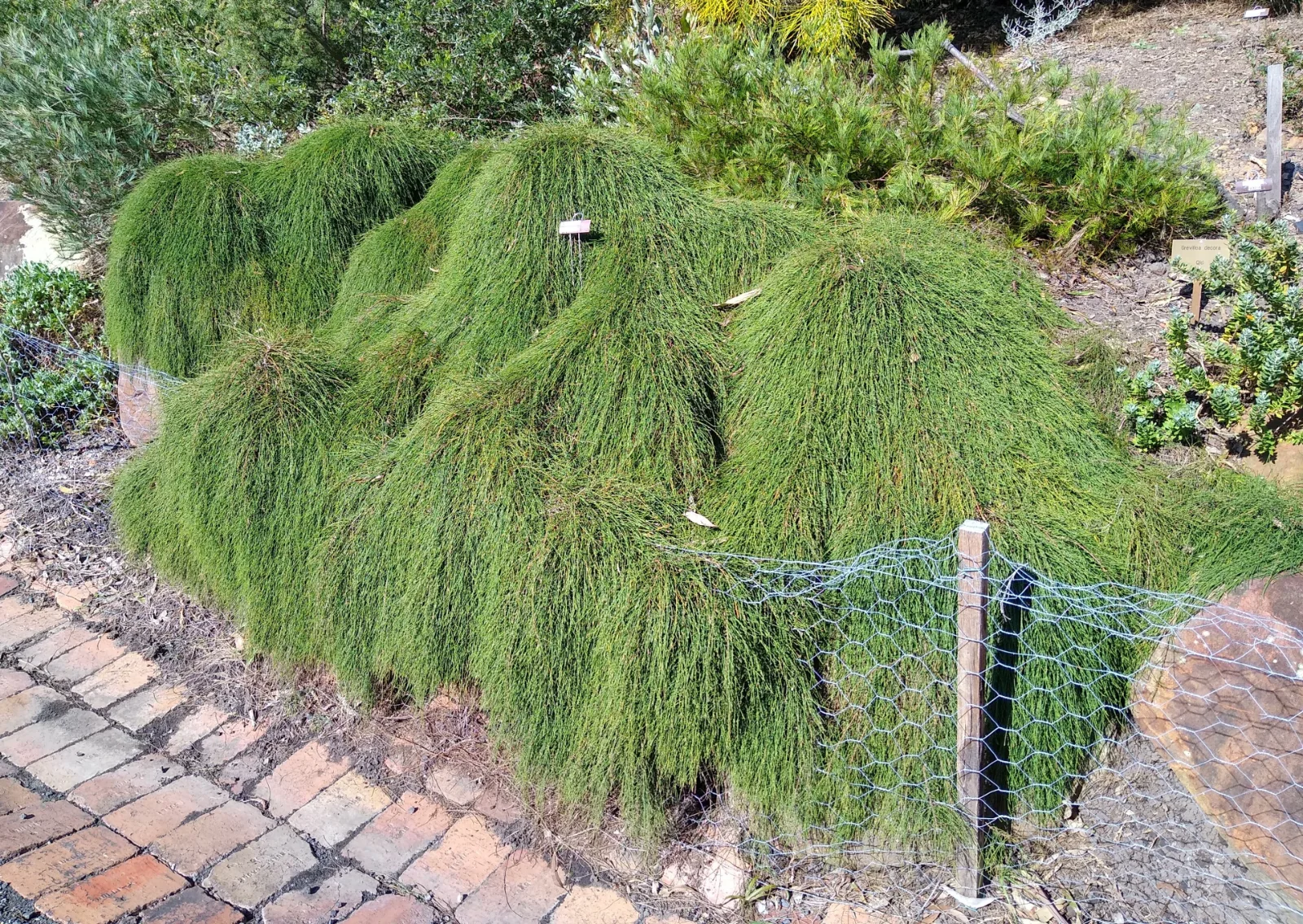
Cousin It
Cousin It is a low, cascading form of swamp she-oak that makes a dense curtain of fine green branchlets over banks, walls and large pots. It is grown for texture rather than flowers.
View plant →
Ornamental
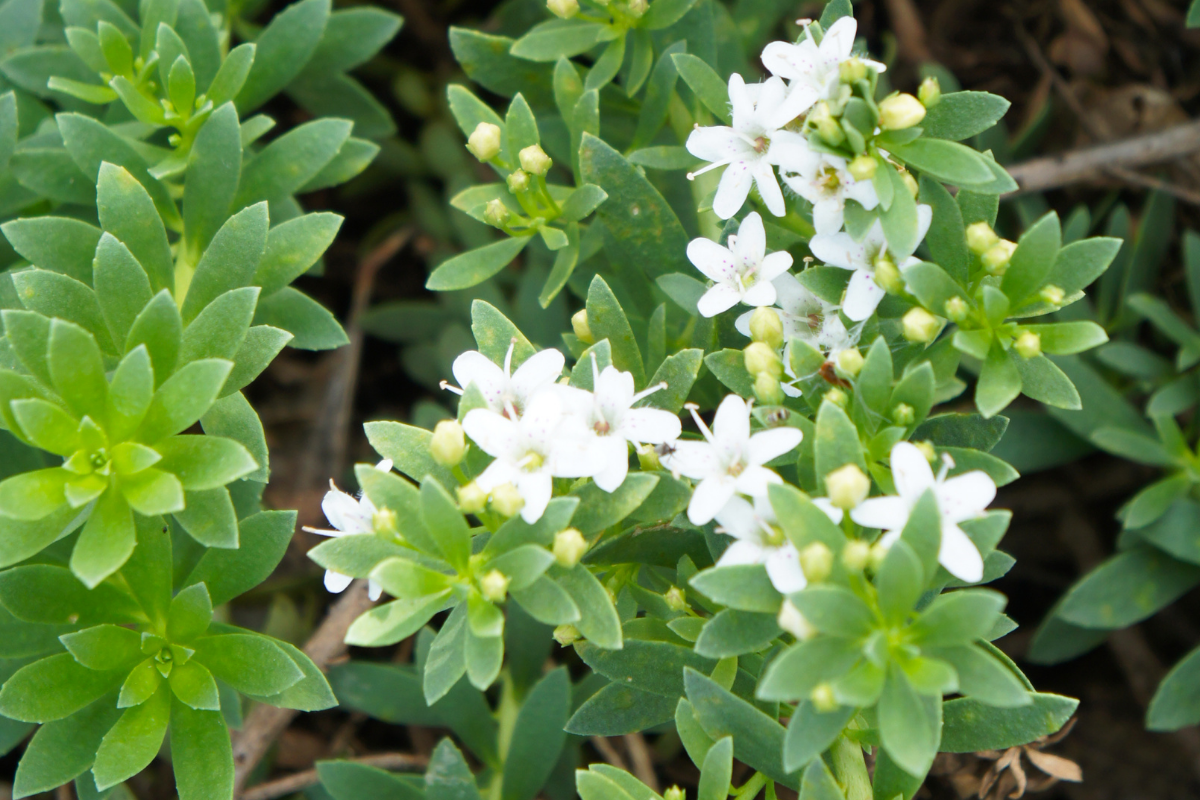
Creeping boobialla
A broad, very low native groundcover for sunny banks and open beds. Fine green foliage forms a dense mat and small white to pale pink flowers appear through the warmer months.
View plant →
Ornamental
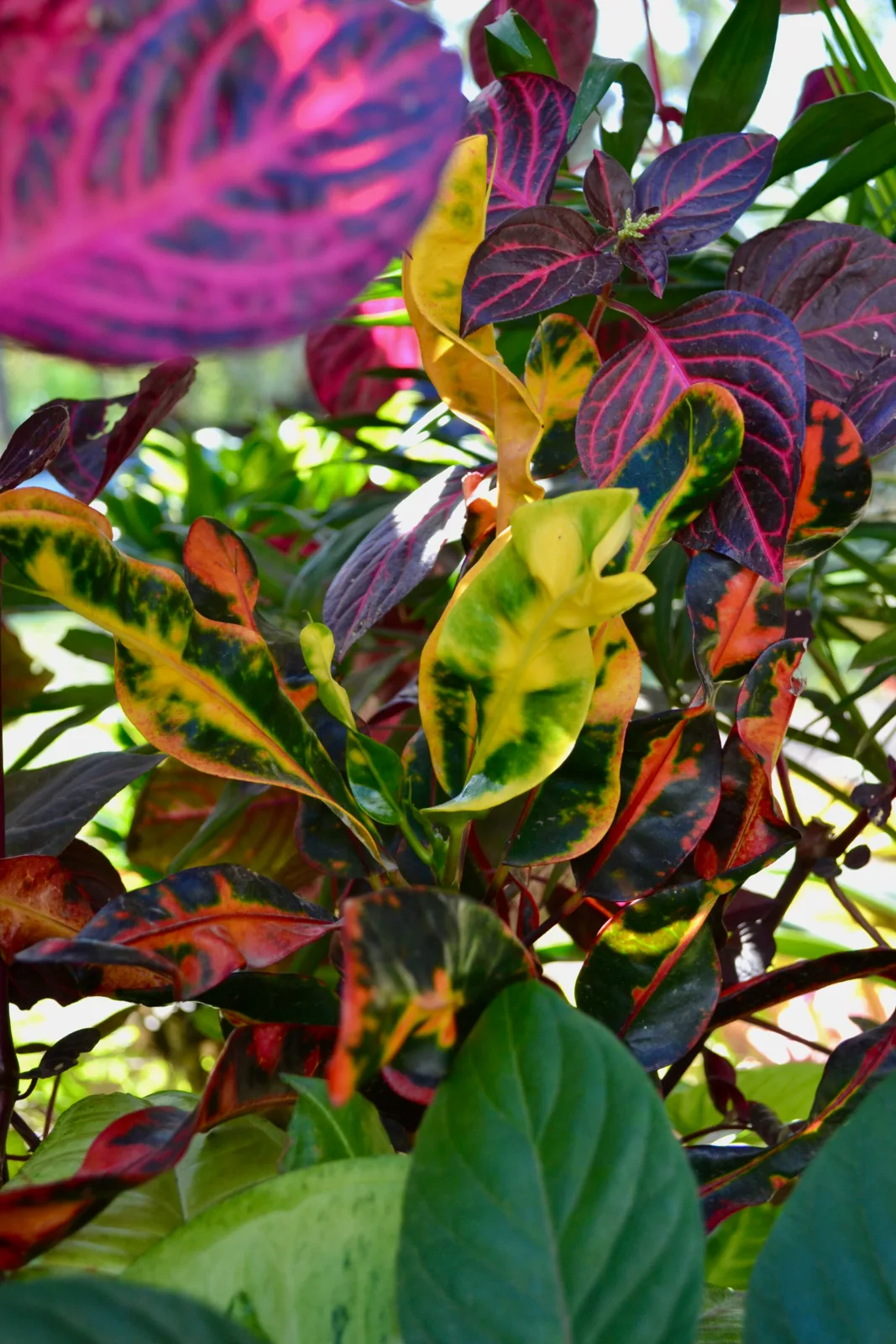
Croton
Croton is a warm-climate evergreen shrub grown for thick, colourful leaves in green, yellow, orange, red, pink and deep burgundy. The species is native to Queensland as part of a wider Malesian–south-west Pacific range, while garden crotons are highly selected cultivars. Outdoors they suit tropical and subtropical gardens; indoors they need strong light to hold their colour.
View plant →
Ornamental
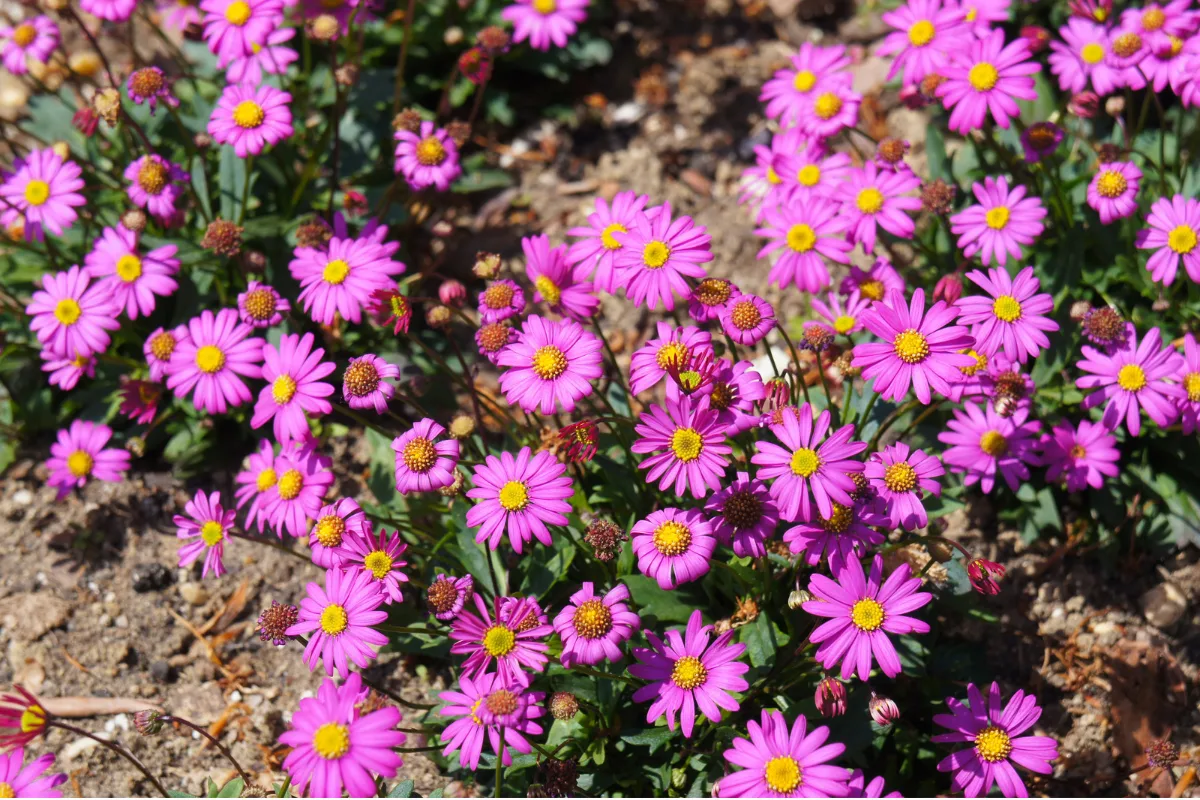
Cut-leaf daisy
A low native daisy with finely divided foliage and mauve, pink or white flowers. It works along paths, around rocks and at the front of mixed native beds without hiding smaller plants.
View plant →
Fruit tree
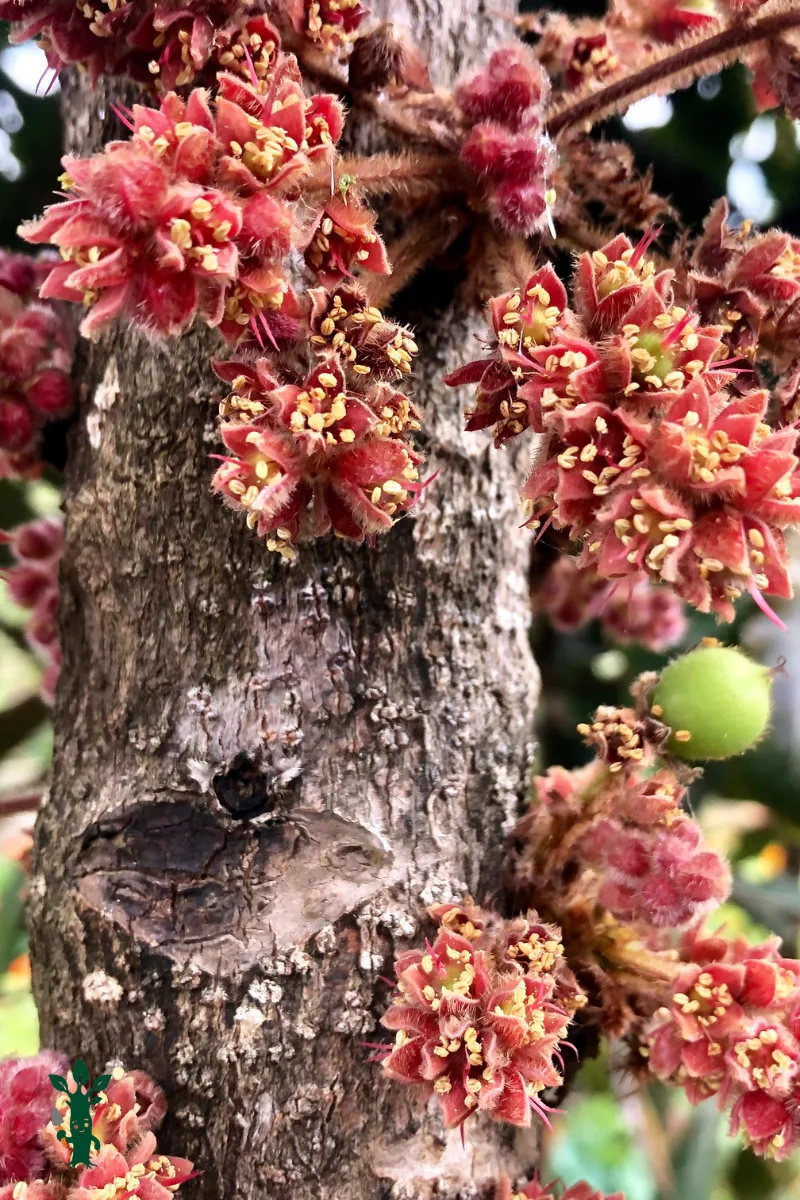
Davidson plum
Davidson plum is an Australian rainforest tree with tart purple fruit. It grows well in warm, sheltered gardens and can handle part shade.
View plant →
Ornamental
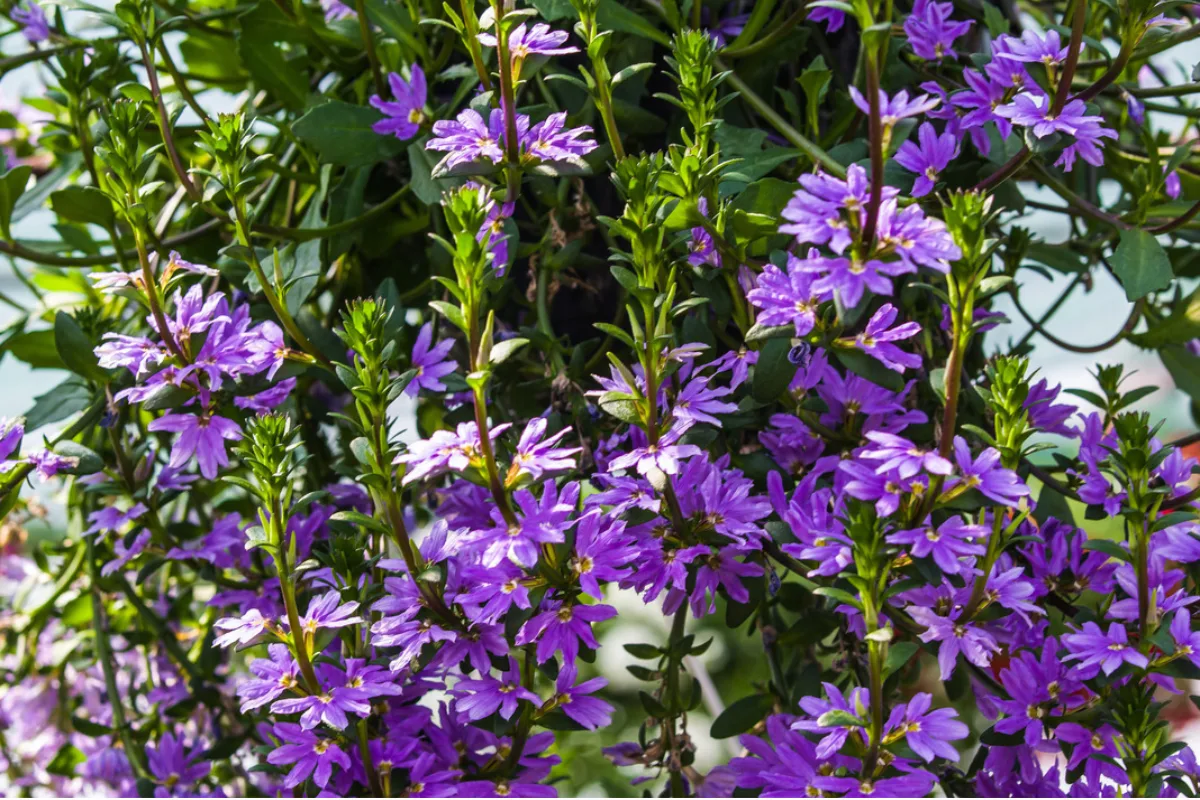
Fan flower
A flower-rich spreading native with distinctive fan-shaped blooms in mauve, purple, pink or white. It suits sunny borders, rockeries, hanging pots and the tops of retaining walls.
View plant →
Fruit tree
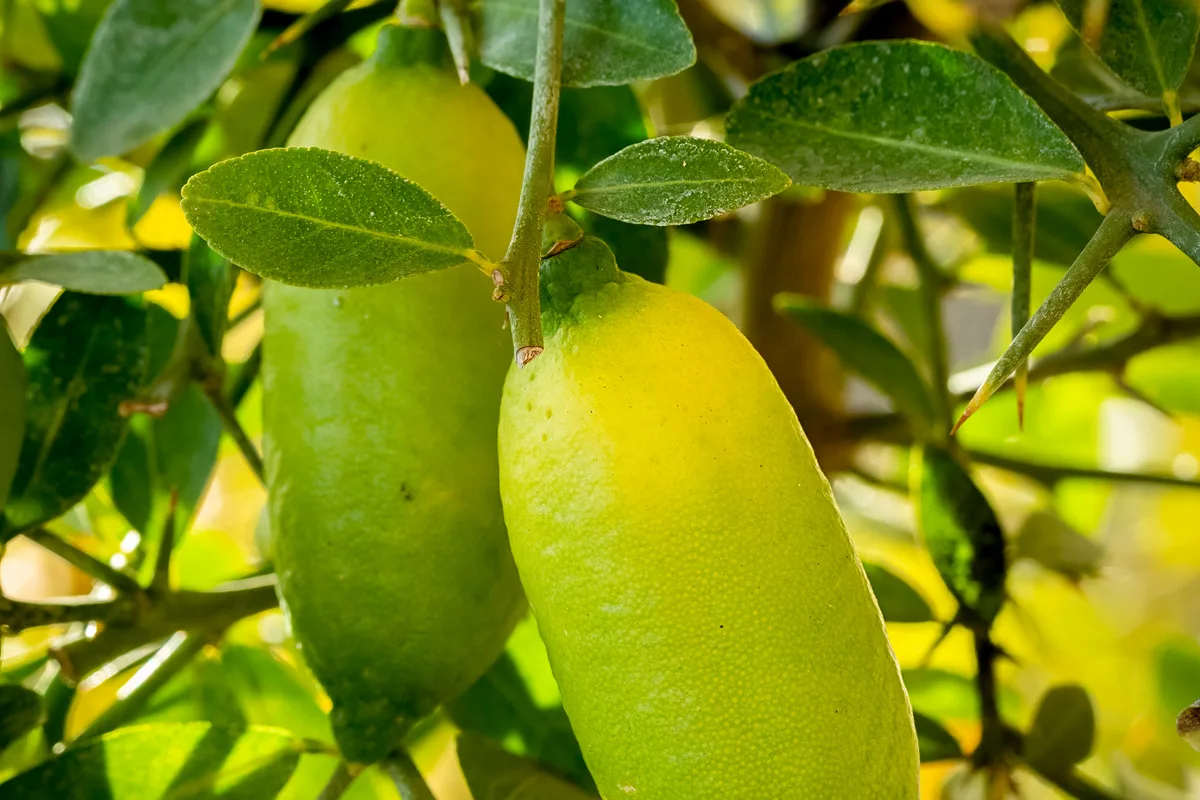
Finger lime
Finger limes are Australian rainforest citrus grown for the tangy little juice pearls inside their narrow fruit. They grow well in suitable warm and mild gardens, with good drainage and some shelter while young. Fruit colour, plant size and thorniness vary between cultivars, so a named grafted plant is a good way to choose what you want.
View plant →
Fruit tree
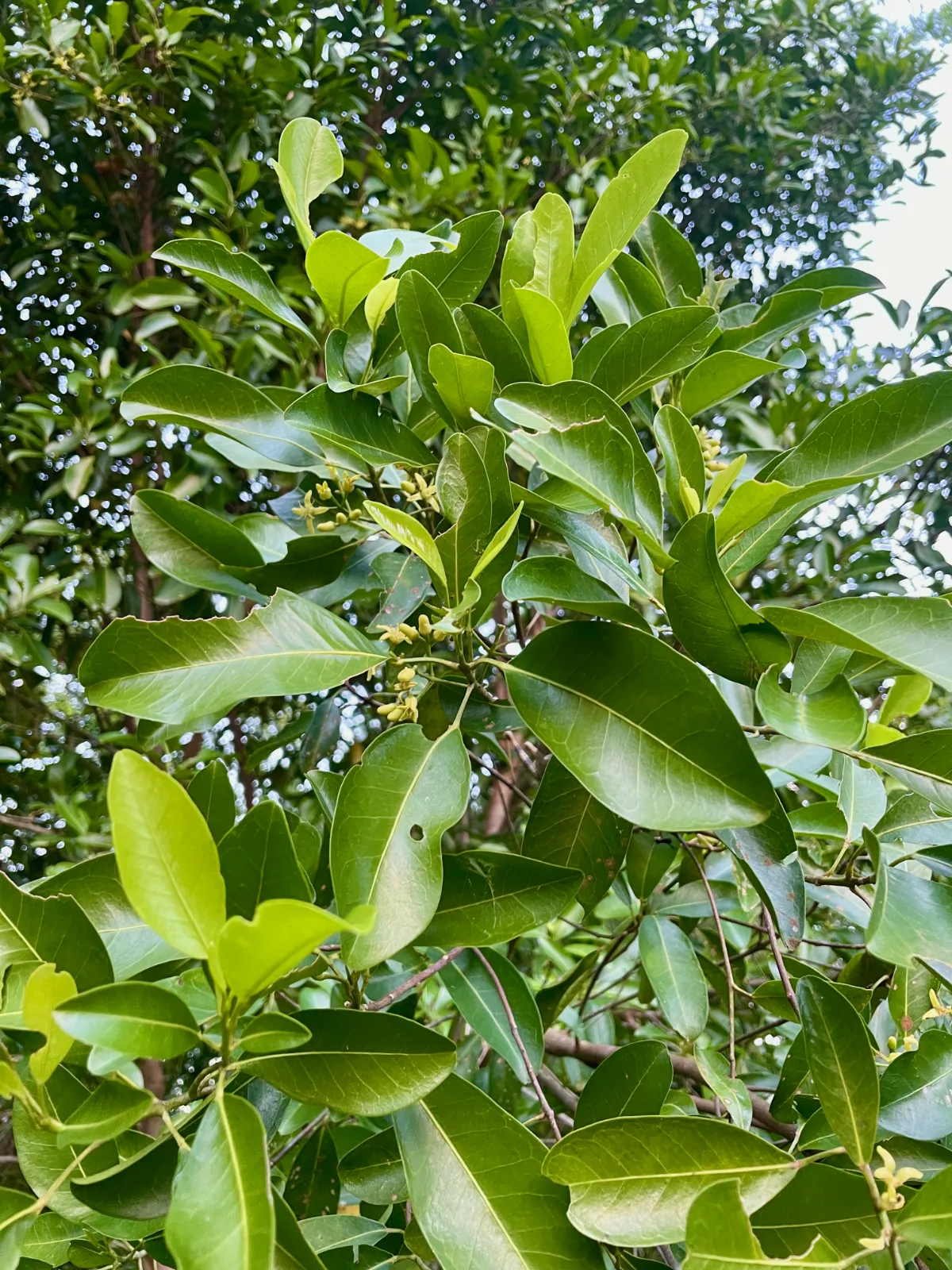
Fraser Island apple
Fraser Island apple is an Australian coastal rainforest tree, native to sheltered dune and littoral rainforest from central Queensland into northern New South Wales, with glossy leaves, fragrant cream flowers and small yellow fruit that can be used in preserves.
View plant →
Herb & spice
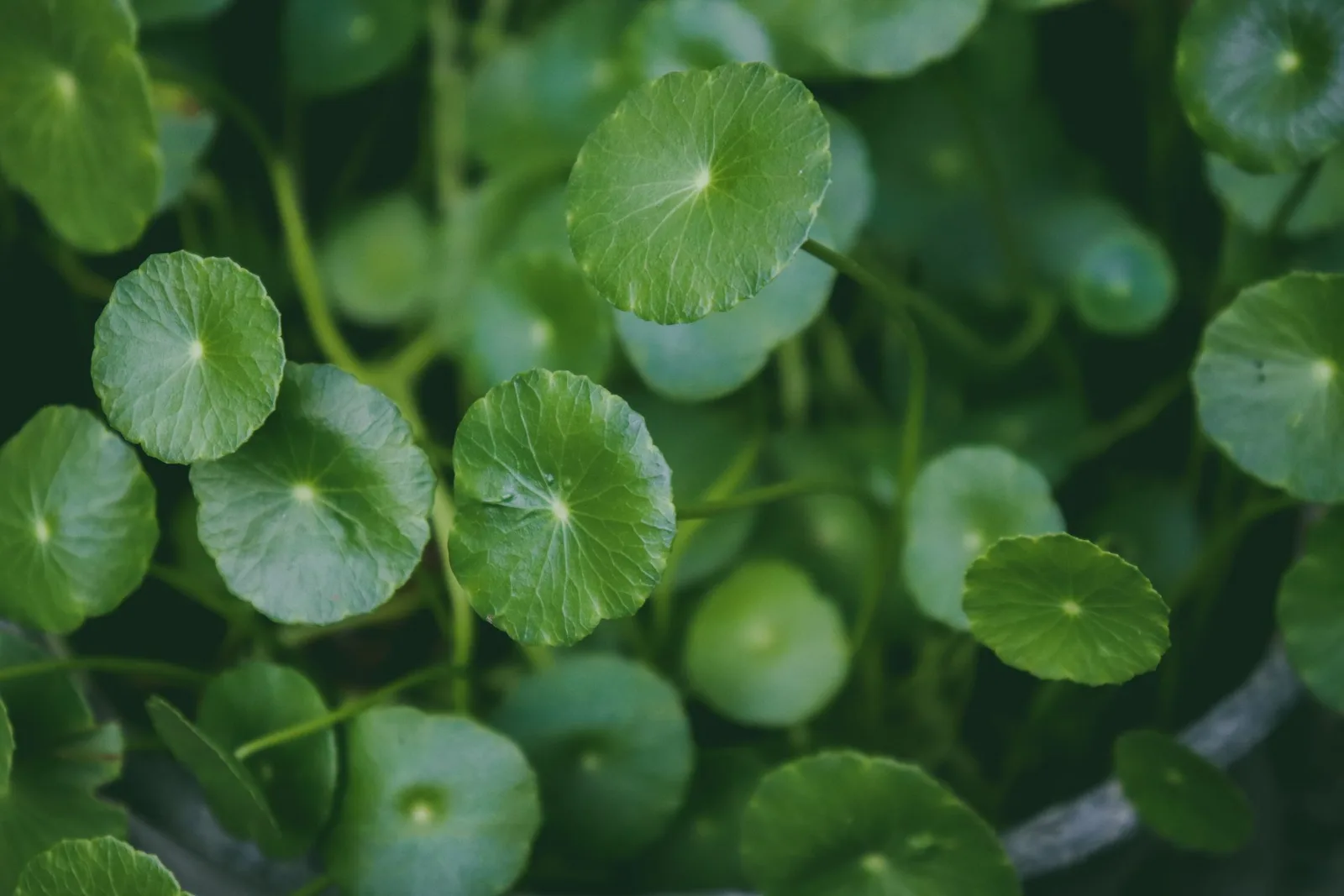
Gotu kola
Gotu kola is a low, creeping native herb that loves moisture and roots as it spreads. It makes a useful living groundcover in damp, partly shaded gardens and can also be contained in a pot.
View plant →
Ornamental
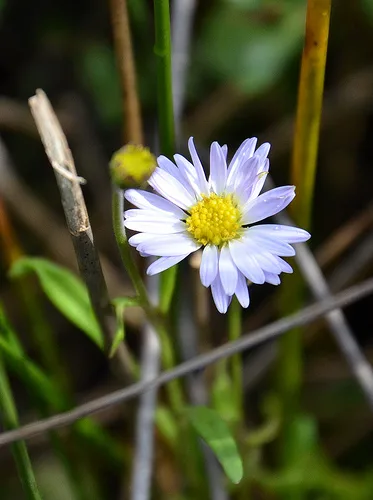
Grass daisy
A low spreading daisy with narrow leaves and small mauve flowers. It is useful along paths, in rockeries and through the front of native beds where the soil holds some moisture.
View plant →
Ornamental
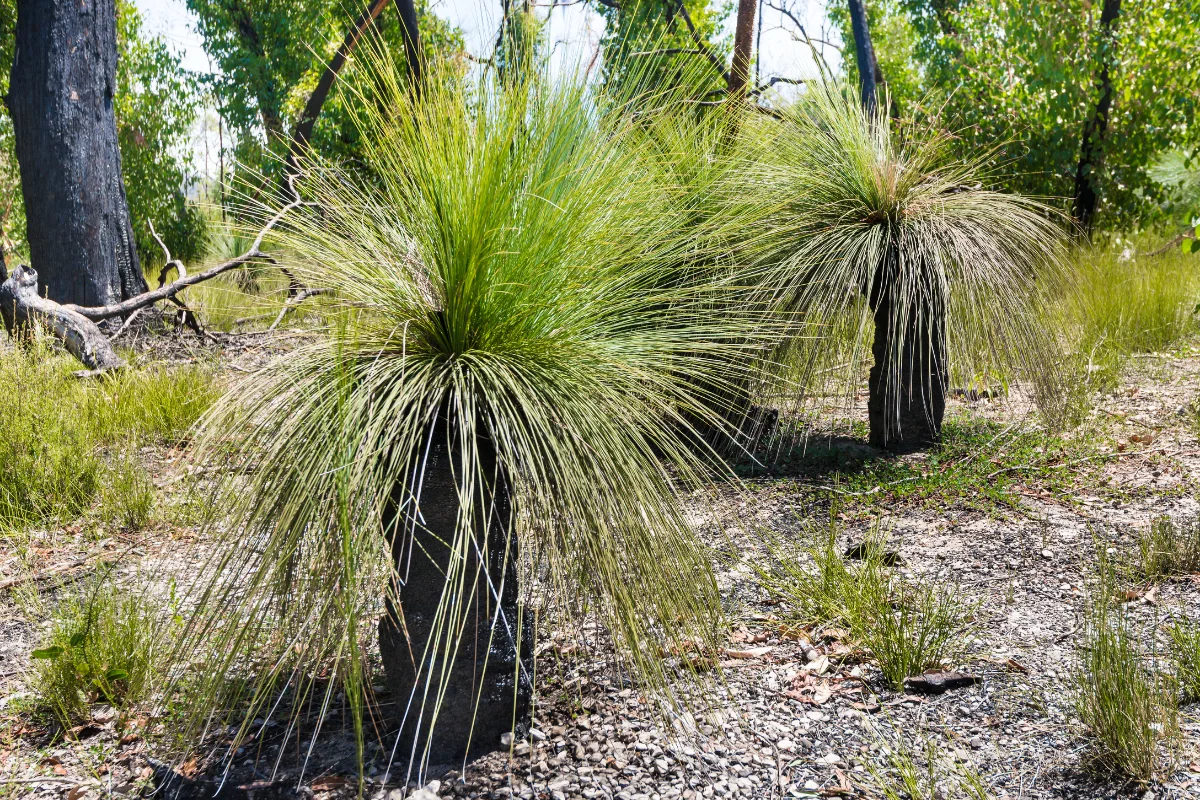
Grass tree
Grass trees are slow-growing, long-lived Australian natives that do best in lean, free-draining soil. They need very little feeding, and wild plants are best left undisturbed.
View plant →
Ornamental
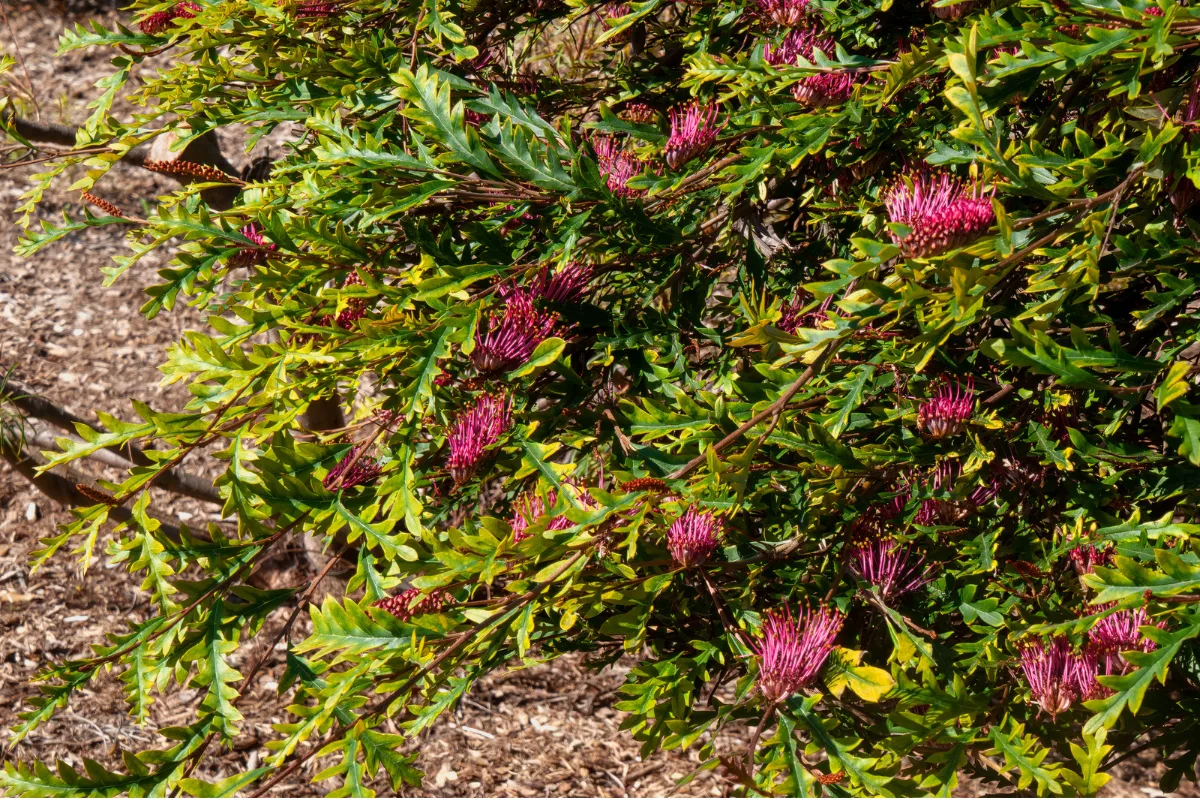
Grevillea 'Poorinda Royal Mantle'
A large prostrate grevillea for broad banks and beds, with red toothbrush flowers and branches that can spread more than three metres. This is for serious coverage, not a small gap between perennials.
View plant →
Herb & spice
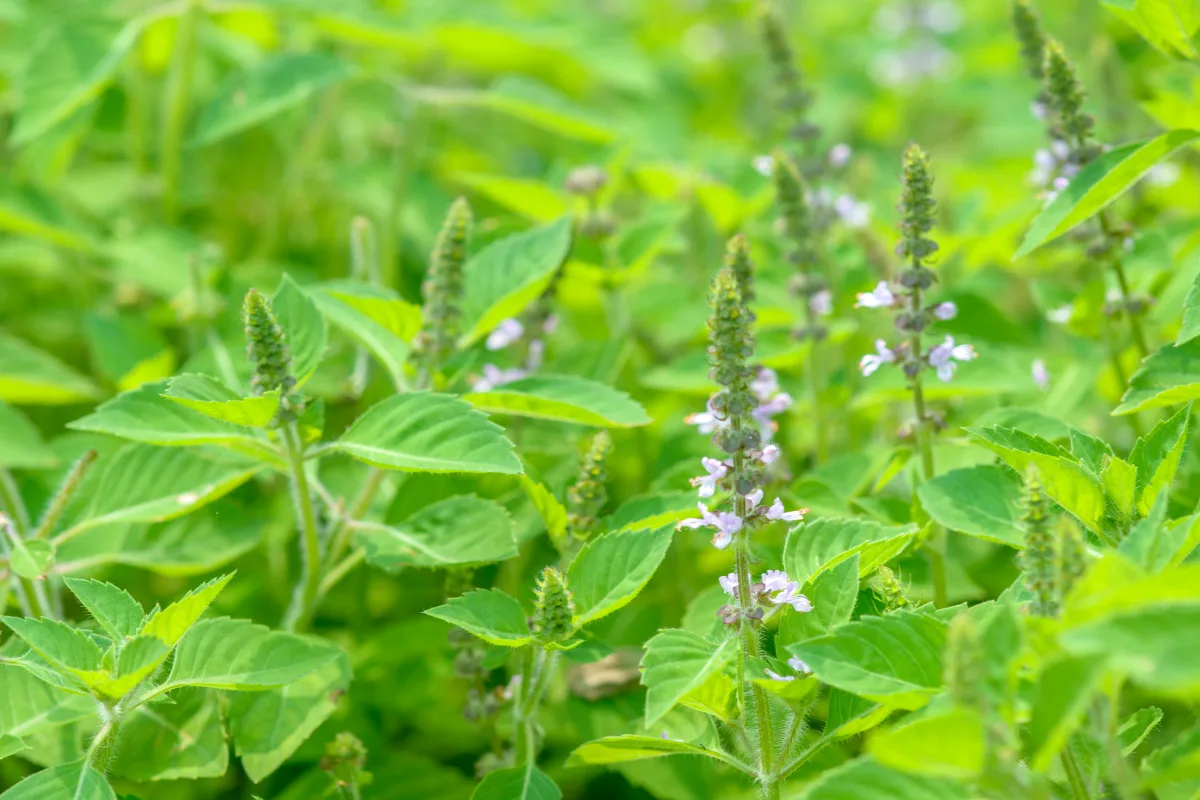
Holy basil
Holy basil, or tulsi, is a warm-loving aromatic basil with a bushy habit and pink or white flower spikes. In tropical climates it can behave as a short-lived perennial, while colder gardens usually grow it as an annual.
View plant →
Ornamental
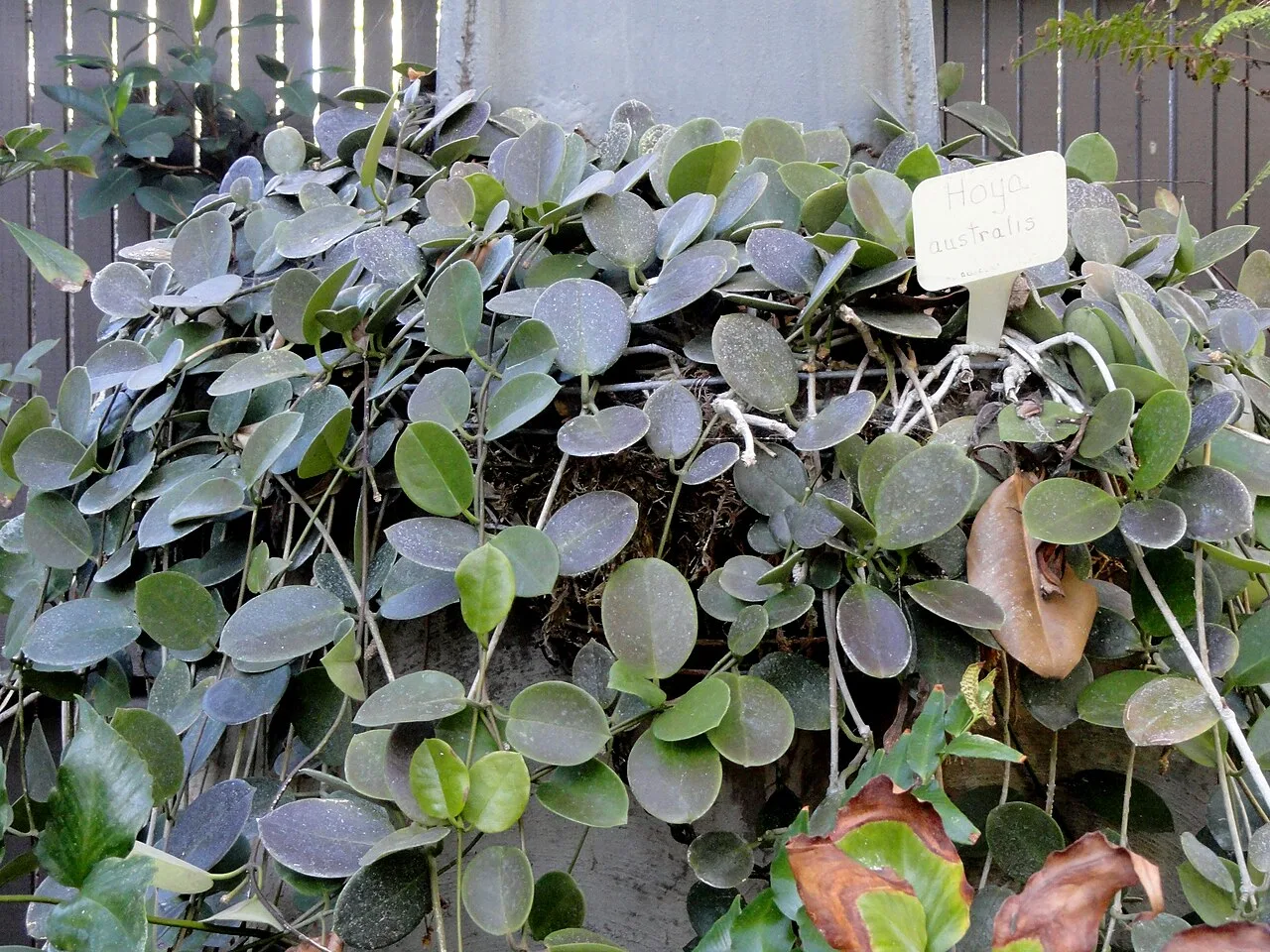
Hoya australis
Hoya australis is an Australian native climber with thick leaves and fragrant white flowers. An airy mix, bright filtered light and a slightly snug pot suit it better than a big pot of wet soil.
View plant →
Ornamental
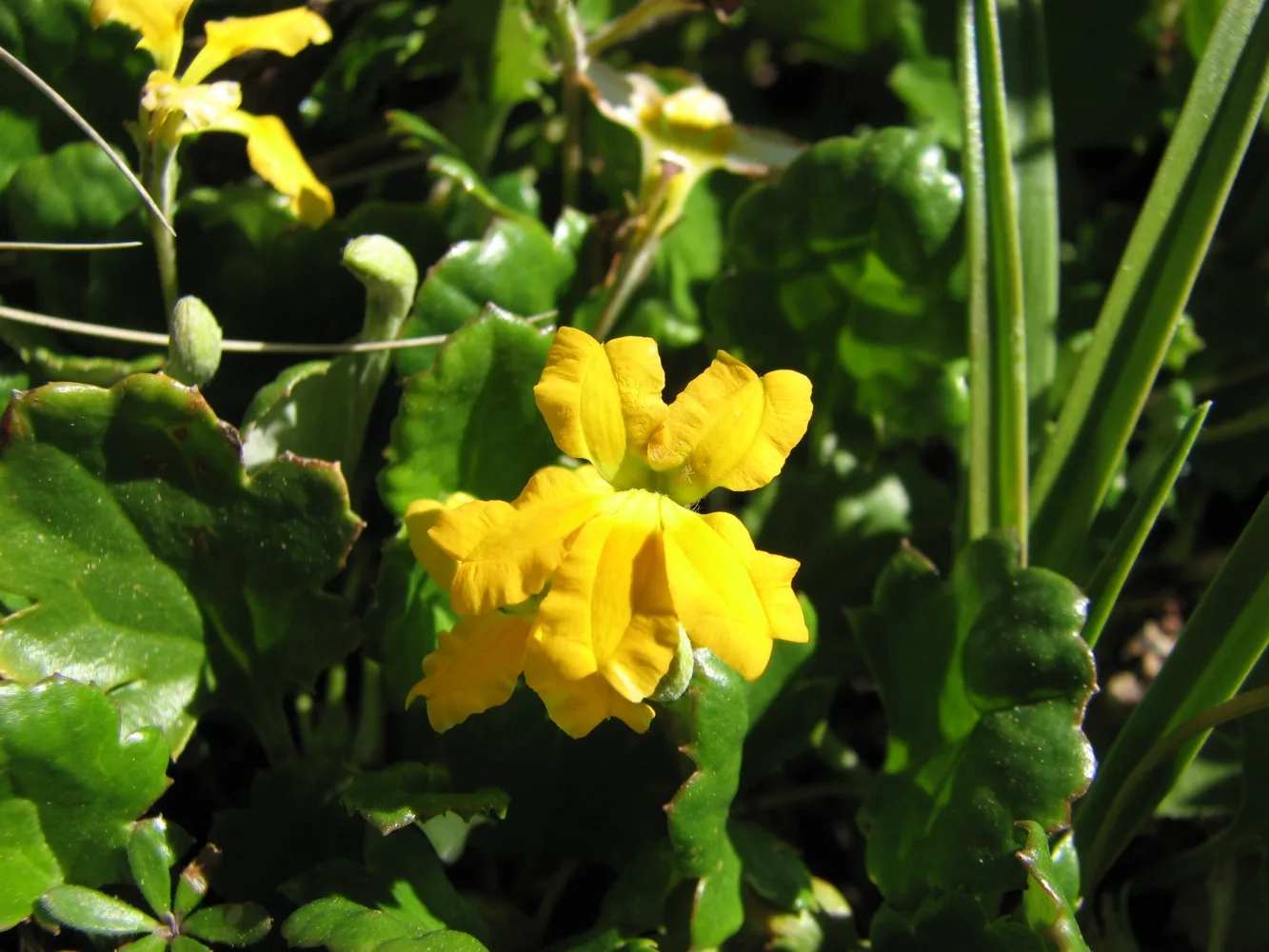
Ivy goodenia
A soft spreading native with rounded to lobed leaves and bright yellow flowers. It fits beneath open shrubs and along woodland edges where a low herbaceous layer is more useful than a woody groundcover.
View plant →
Ornamental
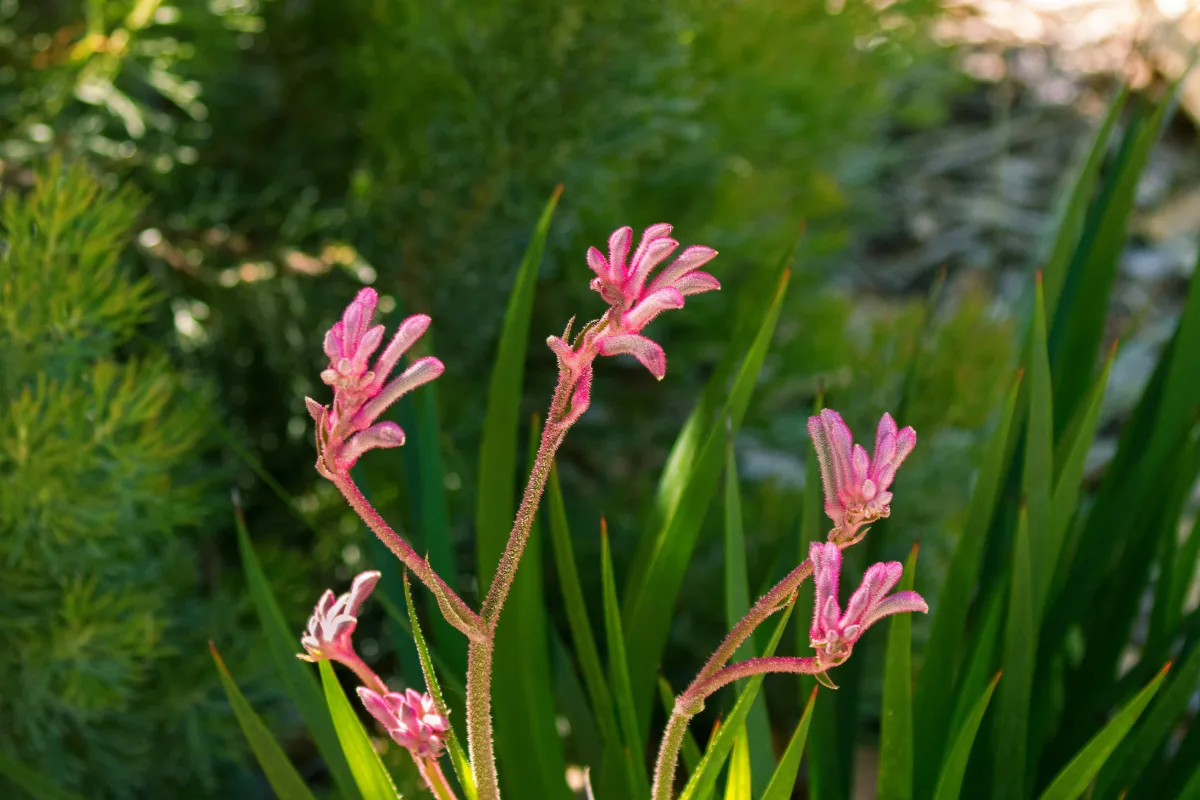
Kangaroo paw
Kangaroo paws flower best in sun and sharp drainage, and the tougher tall hybrids cope with east-coast humidity better than many compact types. A hard clean-up after flowering keeps old black foliage from building up.
View plant →
Ornamental
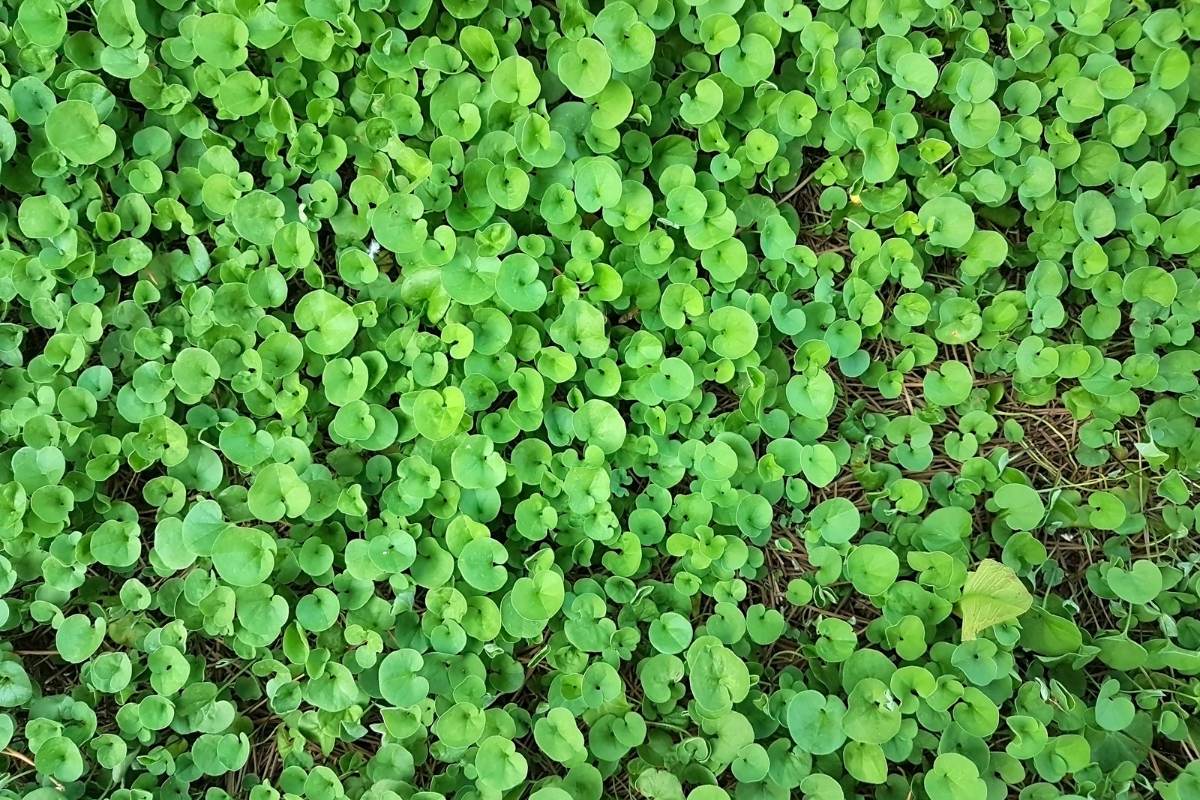
Kidney weed
A tiny-leaved native that makes a soft green carpet between pavers, beneath shrubs and through lightly used lawn areas. Creeping stems root at the nodes and gradually knit together.
View plant →
Fruit tree
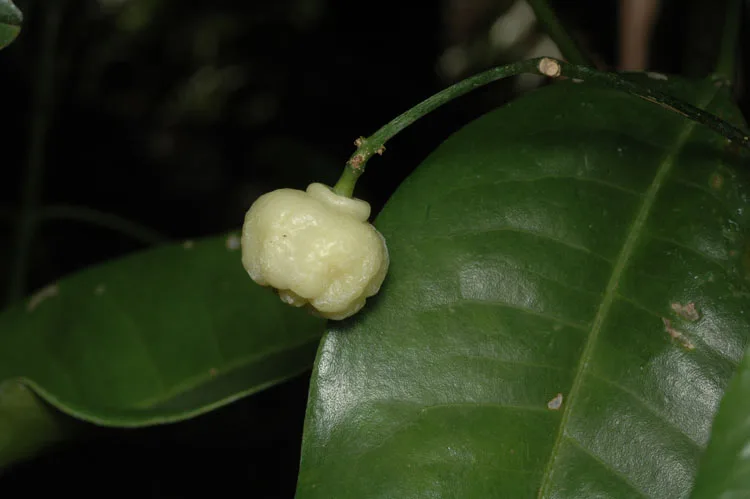
Lemon aspen
Lemon aspen is a Queensland rainforest tree with small pale fruit carrying an intense tart citrus flavour somewhere between lemon, lime and grapefruit. It is useful as a native food plant, has glossy evergreen foliage and suits warm, moist rainforest-style gardens.
View plant →
Herb & spice
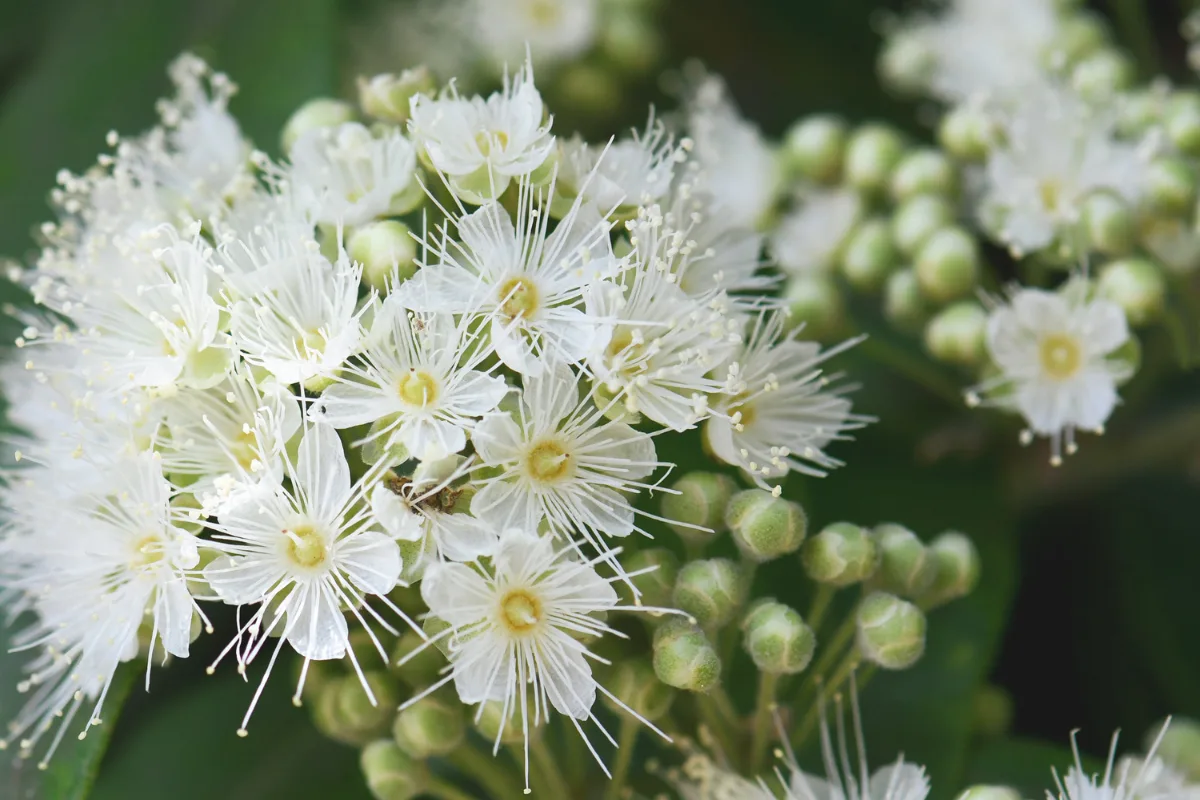
Lemon myrtle
Lemon myrtle is a Queensland rainforest tree famous for intensely lemon-scented leaves. It can be grown as a small tree, clipped shrub or hedge, and is particularly at home in warm, moist east-coast gardens.
View plant →
Fruit tree
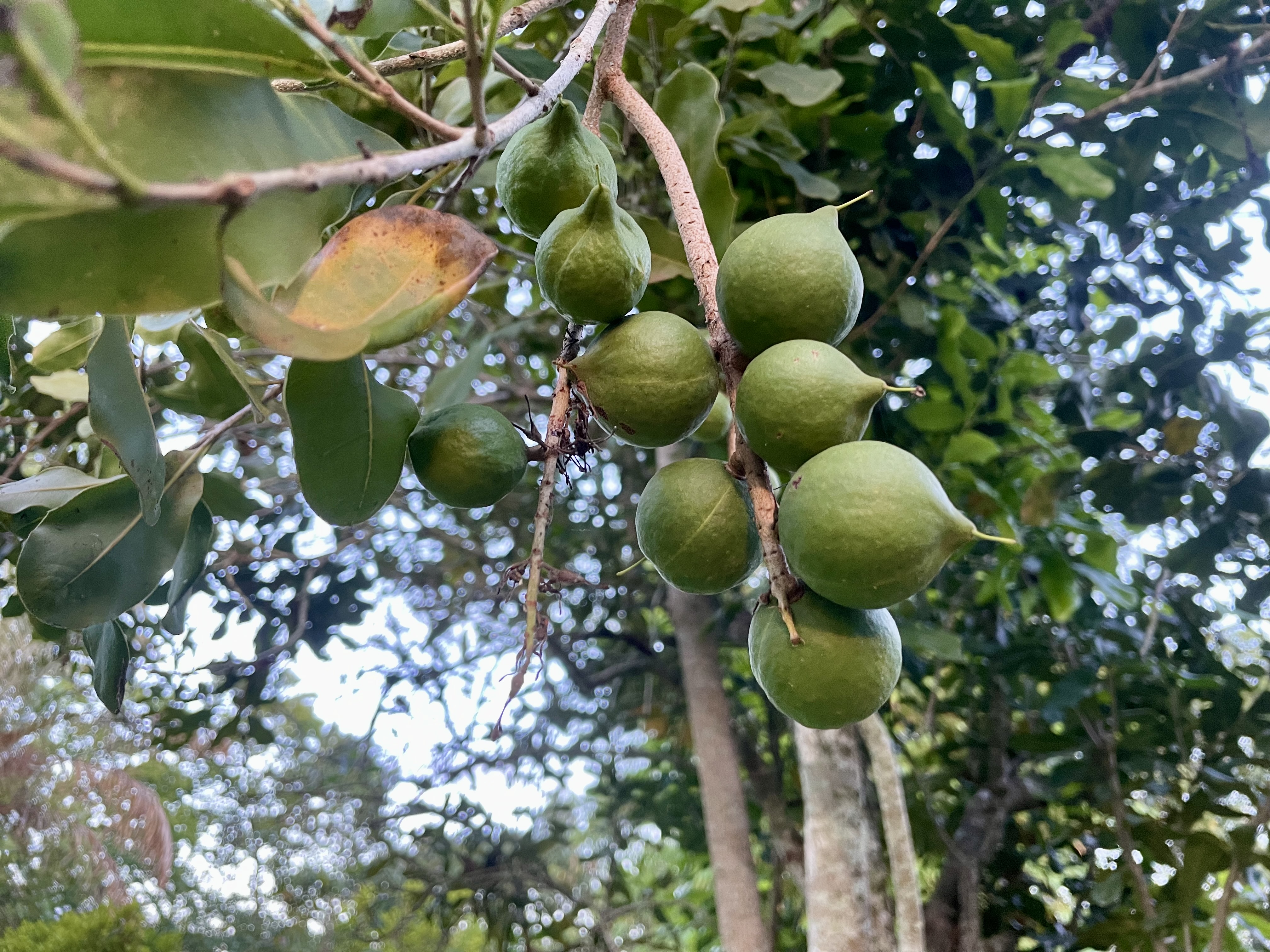
Macadamia
Macadamia is an Australian rainforest tree grown for rich edible nuts inside very hard shells. It prefers warm frost-free to lightly frosted climates, deep free-draining soil and shelter from strong wind when young. Trees become large and take time to crop, so cultivar choice, pollination and long-term space matter.
View plant →
Herb & spice
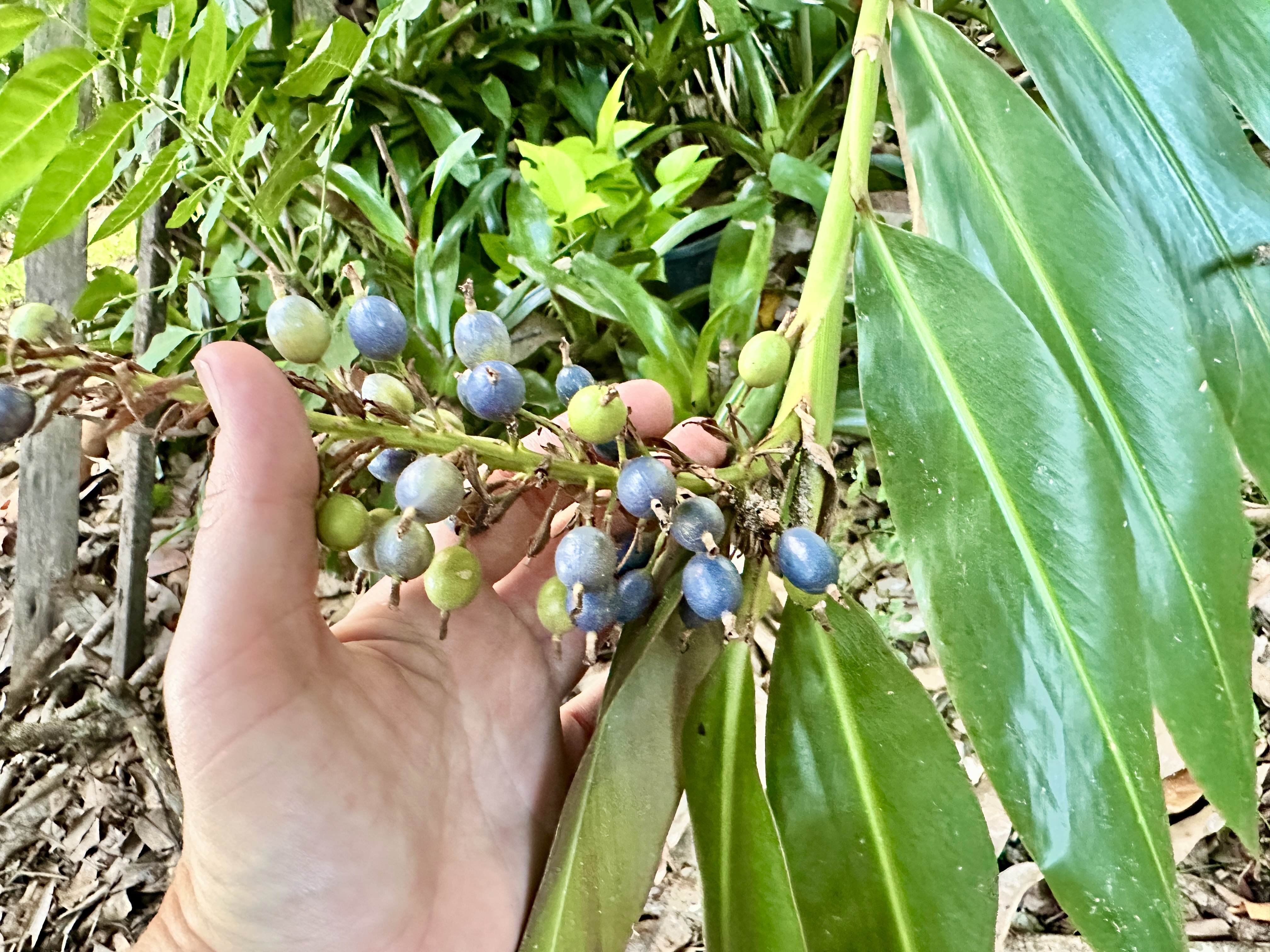
Native ginger
Native ginger is an eastern Australian rainforest plant with tall leafy stems, white flowers and blue fruit. The fruit pulp and rhizome have traditional food uses.
View plant →
Herb & spice
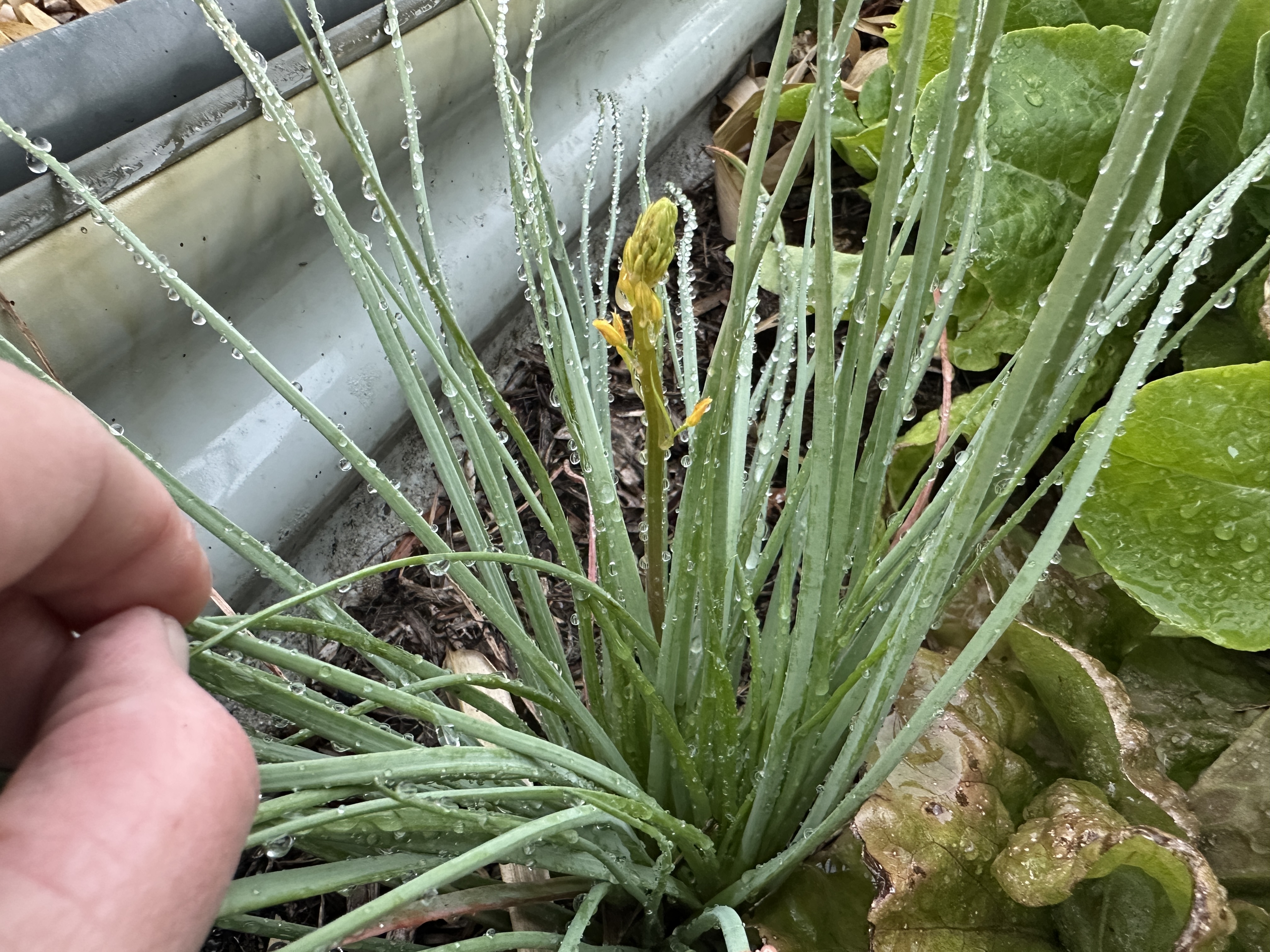
Native leek
Native leek is an Australian perennial with narrow fleshy leaves and bright yellow star-shaped flowers held above the clump. It grows from an underground corm-like stem rather than a true bulb and is useful in native food gardens, grassy plantings, rockeries and pots.
View plant →
Succulent
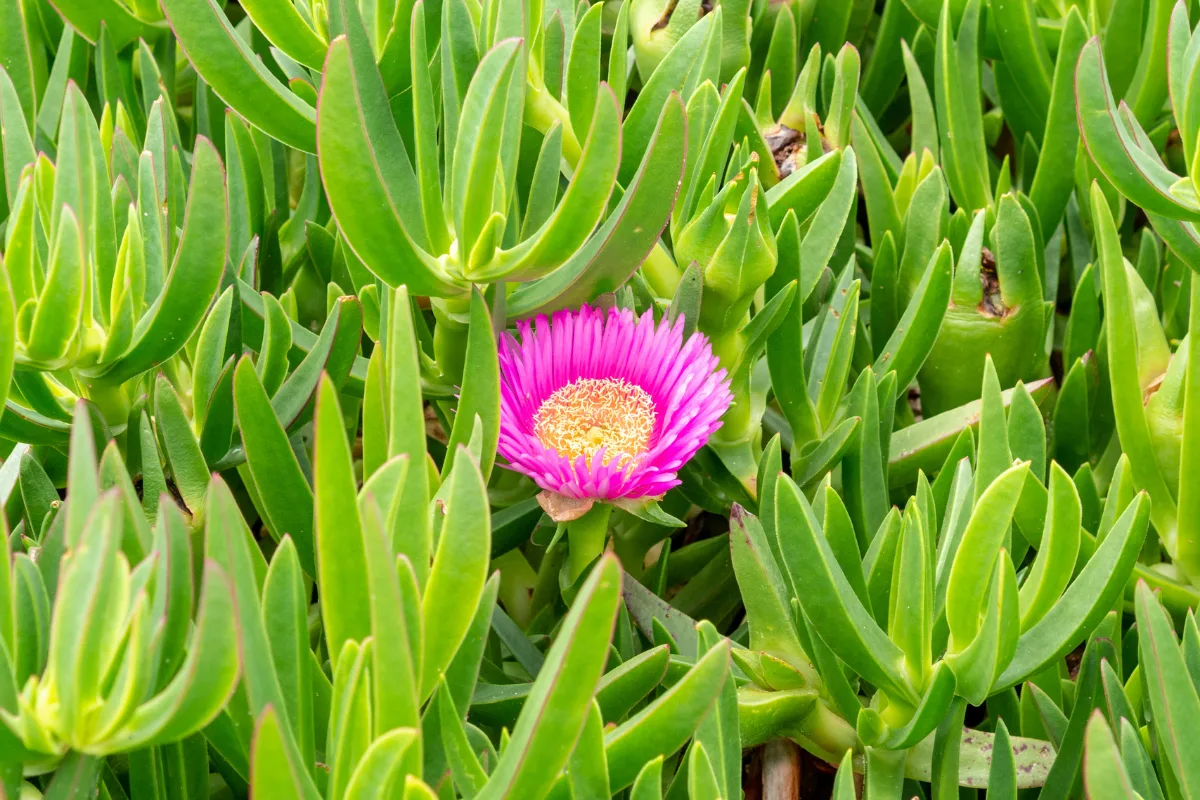
Native pigface
Native pigface makes a low carpet of fleshy leaves and bright pink-purple flowers in hot, exposed sites. It handles salt, wind and dry soil, and the true native species also has edible fruit and leaves.
View plant →
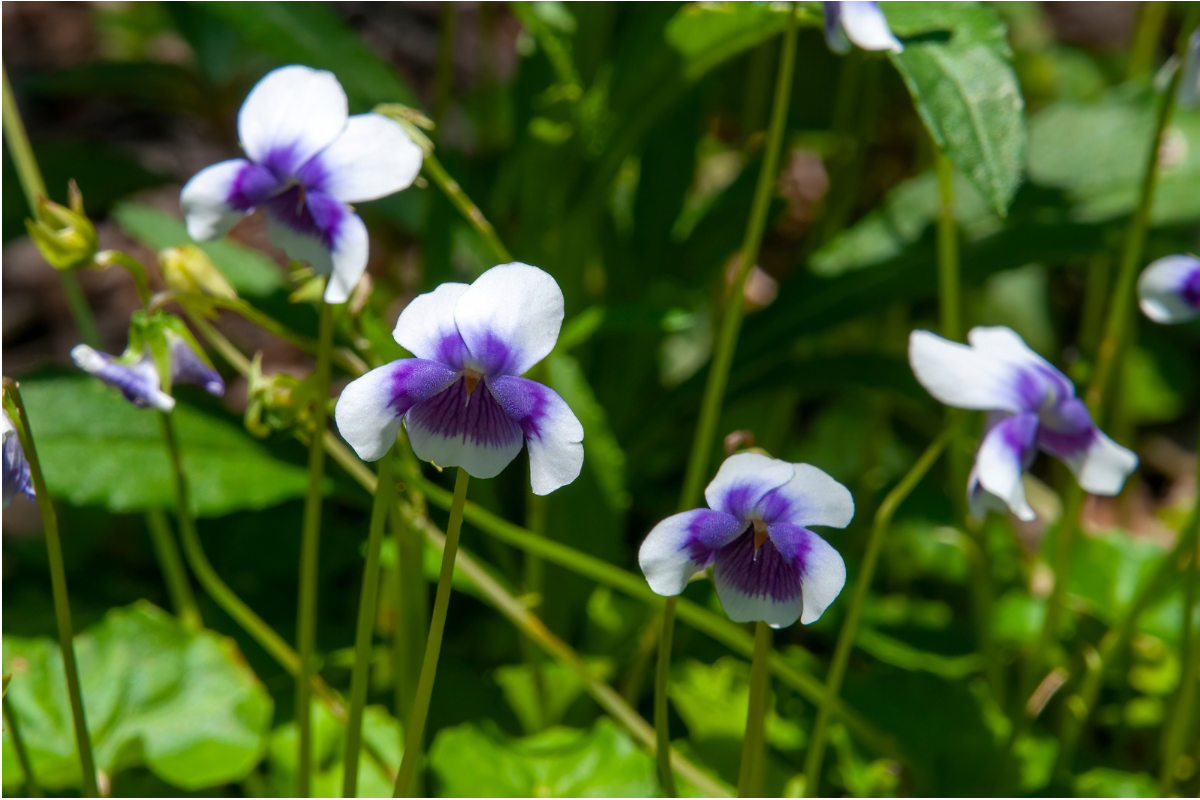
Ornamental
Native violet
A soft mat-forming native for sheltered shade, with small rounded leaves and white-and-mauve flowers. It is especially useful beneath shrubs, beside paths and around ferns where the soil stays moist.
View plant →
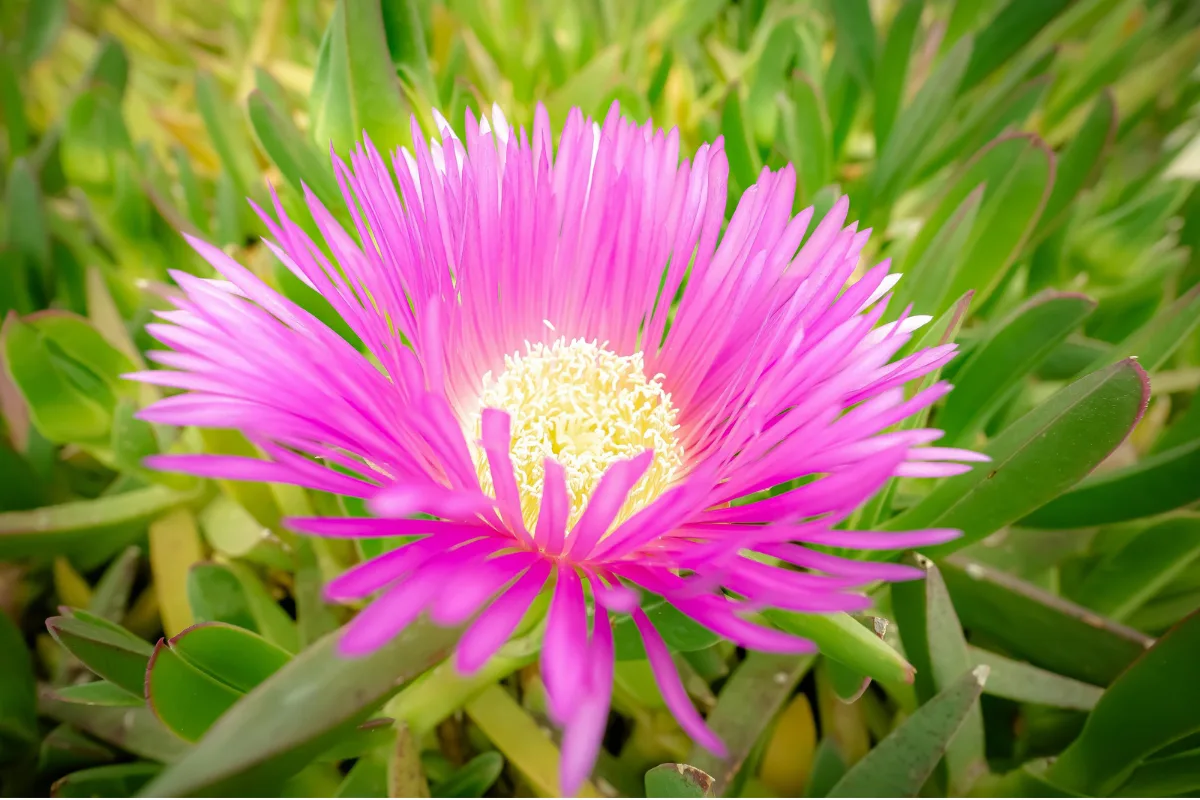
Succulent
Pigface
A tough east-coast native succulent for exposed sunny ground, with thick triangular leaves and large pink-purple flowers. It is particularly useful on coastal banks and sandy sites.
View plant →
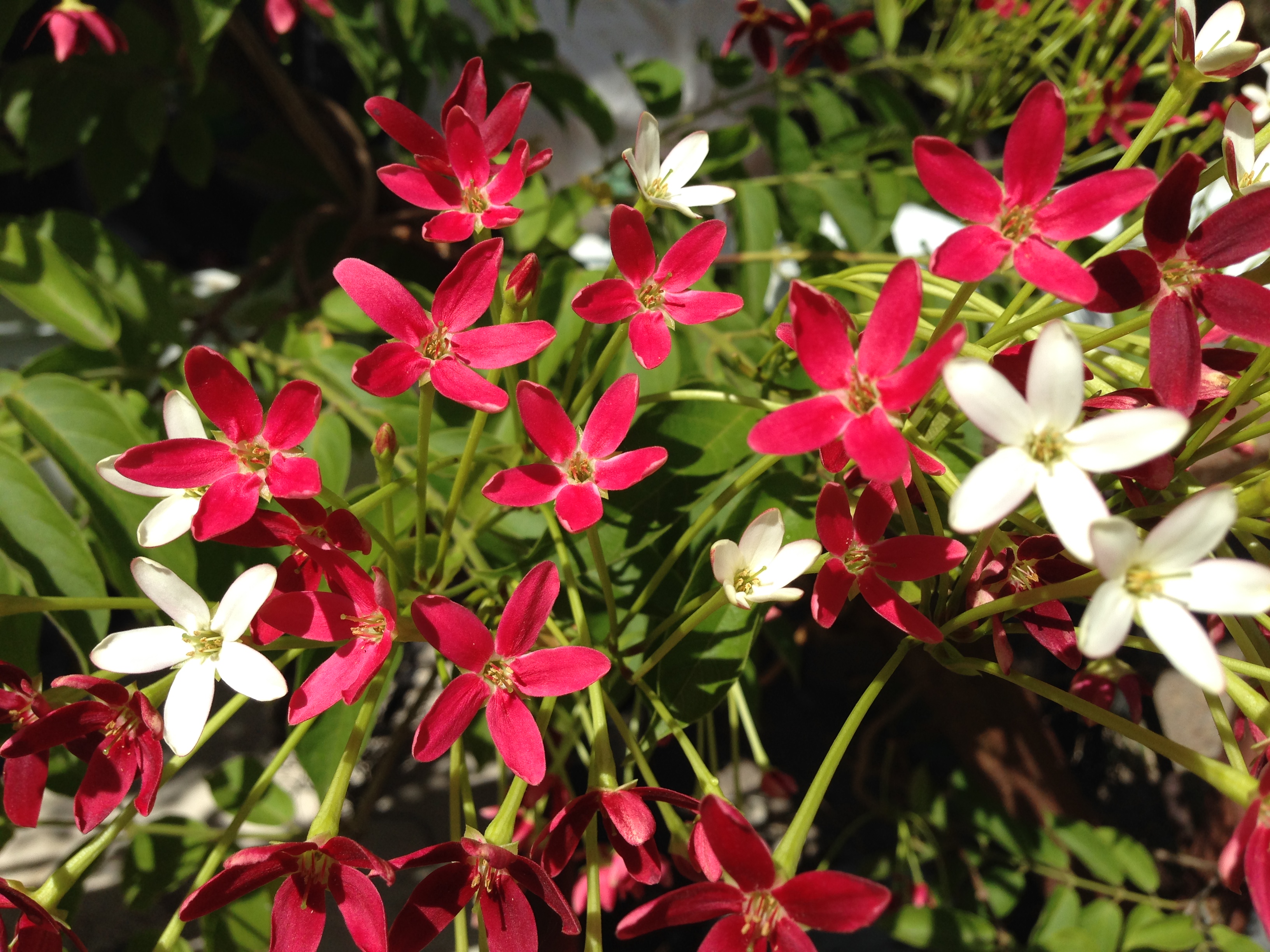
Vine
Rangoon creeper
Rangoon creeper is a vigorous woody climber with strongly scented flowers that open pale and deepen through pink to red. Give an existing vine a strong support and enough room for long arching growth.
View plant →
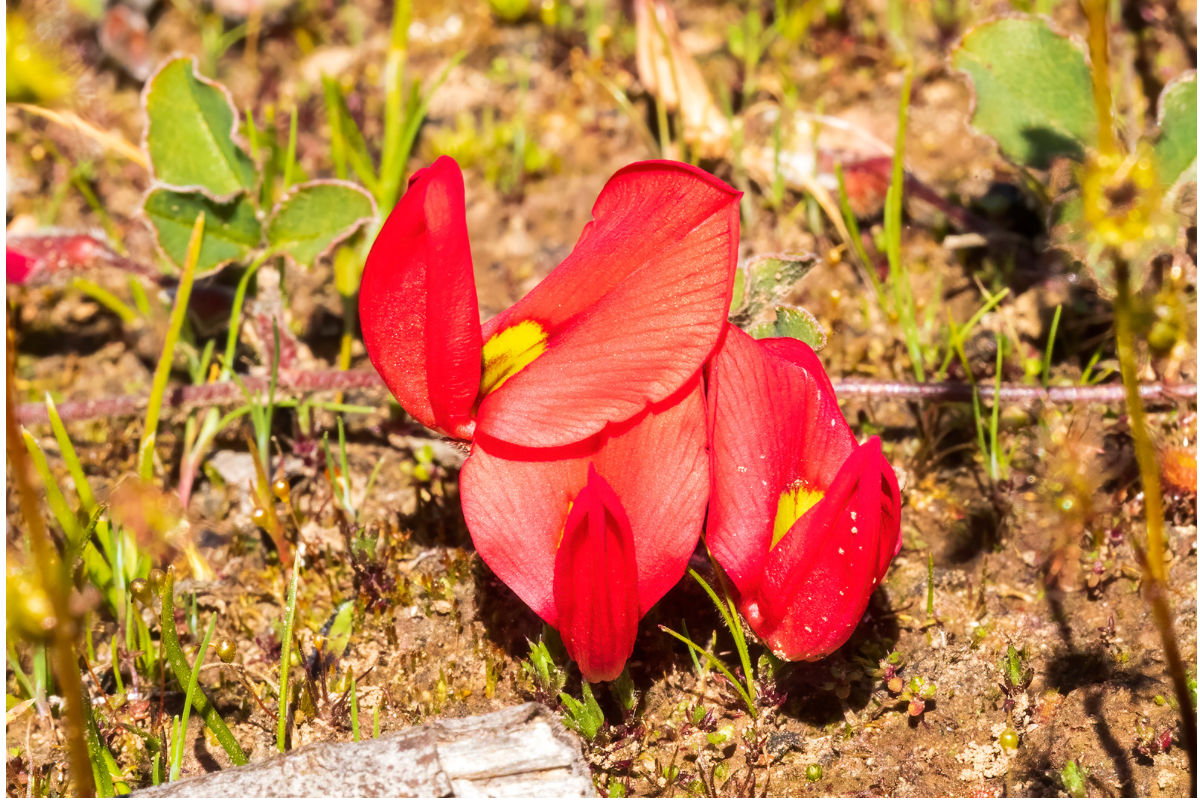
Vine
Running postman
Running postman is a low Australian native groundcover with vivid scarlet pea flowers in spring. Unlike many kennedias, it stays prostrate rather than climbing, so it can spill over banks, rocks, retaining walls and hanging baskets without adding much height.
View plant →
Ornamental
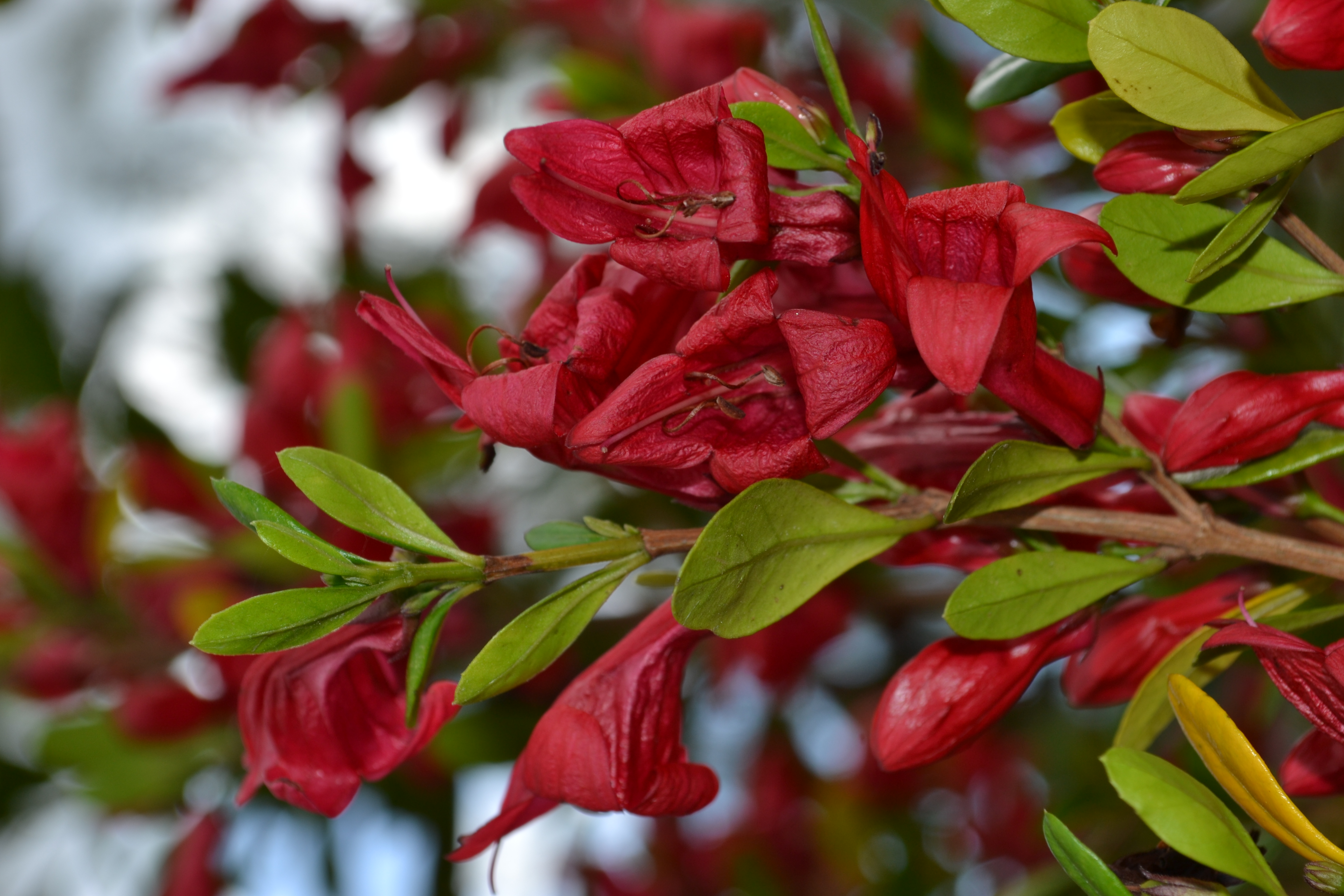
Scarlet fuchsia
Scarlet fuchsia is a Queensland native shrub with glossy leaves and deep red tubular flowers that draw nectar-feeding birds. It handles pruning well and can be grown as a specimen, screen or informal hedge.
View plant →
Ornamental
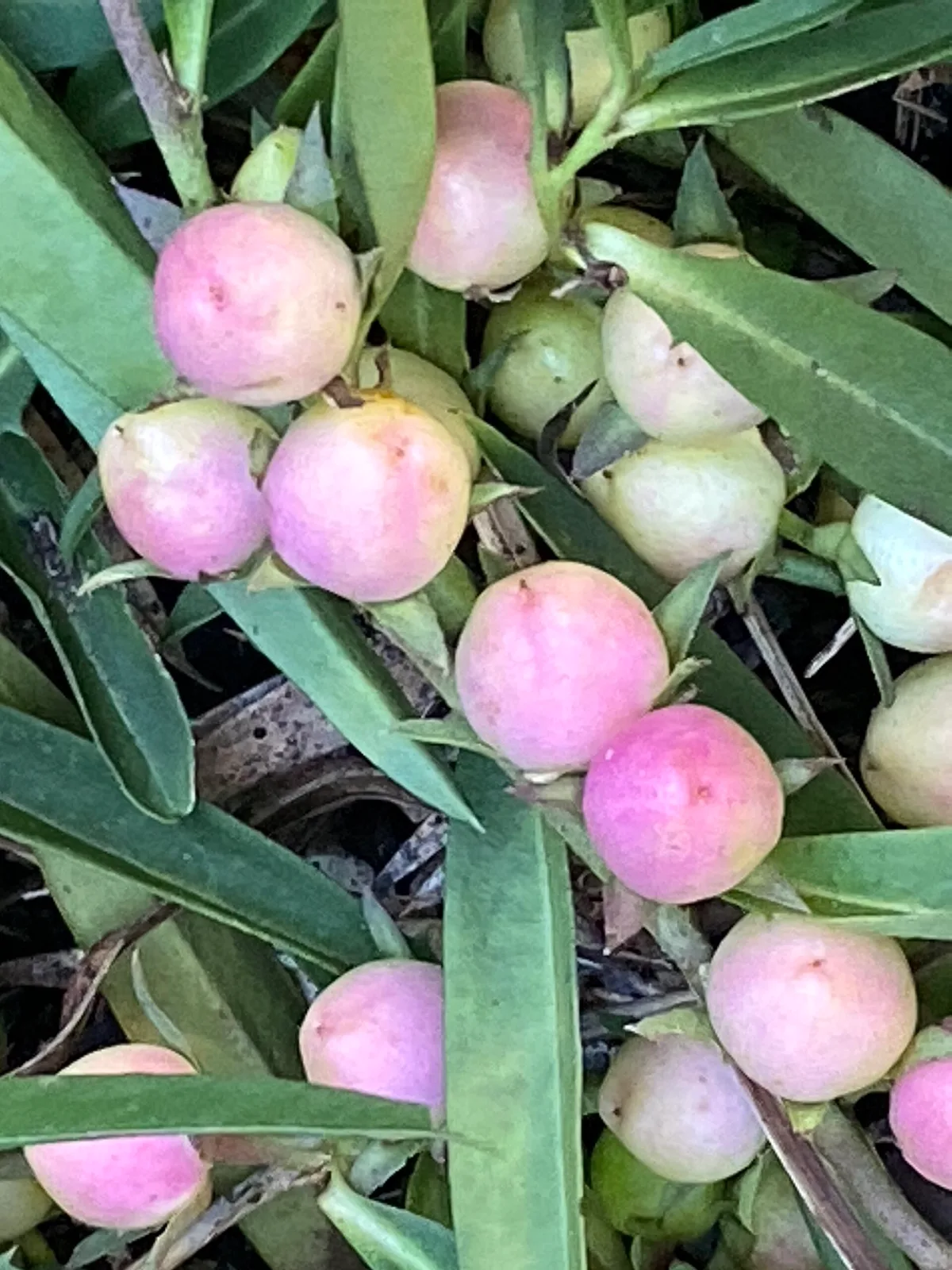
Winter apple
A creeping native with glossy leaves, small pale flowers and fleshy fruit. It makes a low natural-looking layer through woodland-style beds and under open shrubs.
View plant →
Ornamental
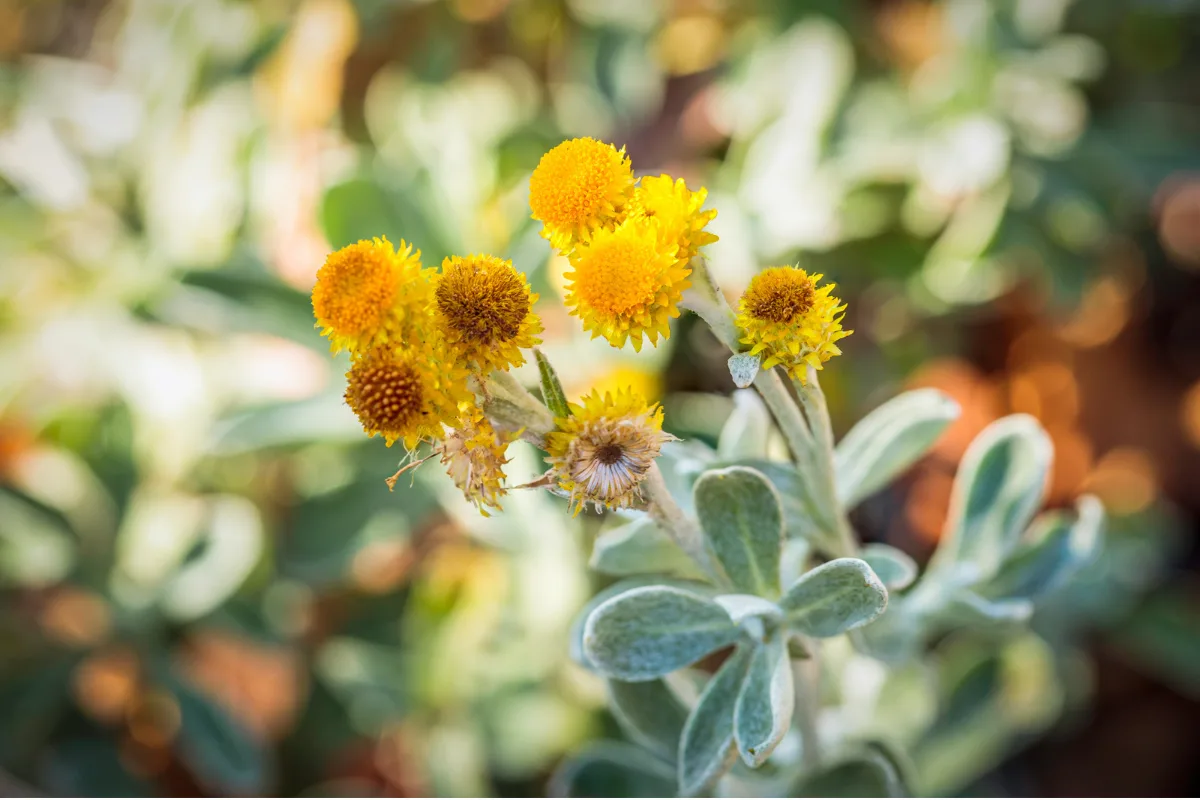
Yellow buttons
Golden papery flower heads sit above grey-green foliage on this extremely variable Australian native. Choose a low spreading form for groundcover use; upright forms behave more like small perennials.
View plant →
Australian Native and Locally Native Are Different
A plant from Western Australia is still Australian native when grown in Queensland, but it may not be native to that district. If habitat is a priority, include plants indigenous to your local area as well as suitable species from elsewhere in Australia.
Use the exact taxon when checking origin and care. A broad genus can contain both Australian and overseas species, and cultivars may differ from the wild form in size and flower colour.
Provide Food and Shelter
Nectar-rich flowers, fruit, seed and dense foliage support different animals. A layered planting with several flowering times generally gives birds and insects more reliable resources than one large flush.
Choose mature sizes that fit the site and keep sightlines safe around paths and driveways. Local native nurseries and councils can help with plants suited to district soils and wildlife.
If habitat is your priority, include plants native to your district as well as suitable Australian species from other regions.
Common questions
- Are all Australian native plants drought tolerant?
- No. Australian plants come from rainforests, wetlands, alpine areas, coasts and dry country. Water and drainage needs depend on the species and its natural habitat.
- What is the difference between native and locally native?
- Australian native means the species occurs naturally somewhere in Australia. Locally native or indigenous means it occurs naturally in your district, which can make it especially useful for local habitat planting.
- Which native plants attract birds?
- Grevilleas, banksias and bottlebrushes can provide nectar, while lilly pillies and native figs provide fruit. Dense shrubs and grasses add shelter, and the best mix depends on local bird species and conditions.