


Plant profile
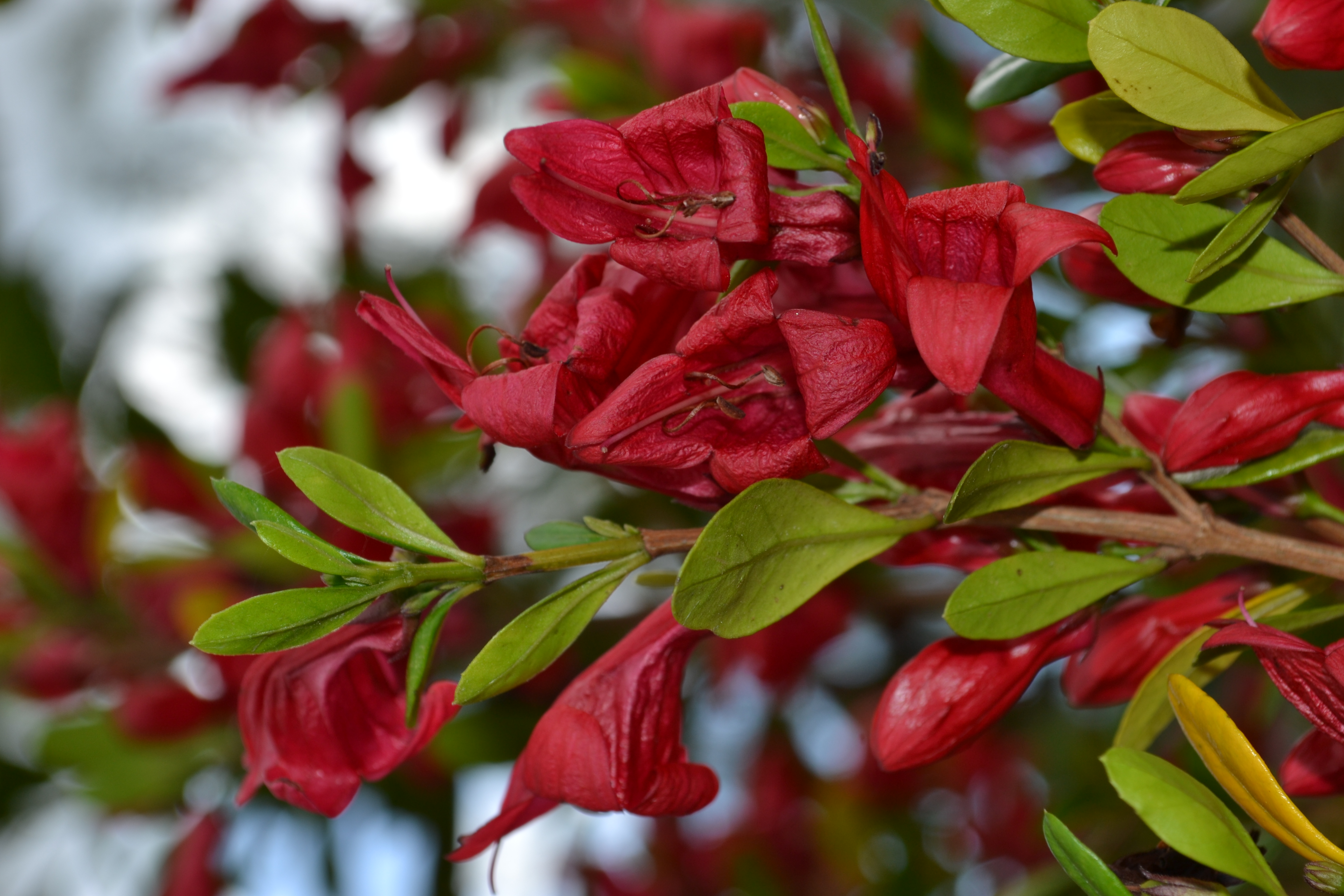
Scarlet fuchsia
Graptophyllum excelsum
Also known as Graptophyllum, Native fuchsia, Graptophyllum excelsum.
Scarlet fuchsia is a Queensland native shrub with glossy leaves and deep red tubular flowers that draw nectar-feeding birds. It handles pruning well and can be grown as a specimen, screen or informal hedge.
- Grows well in
- Tropical, Subtropical, Temperate, Cool / mountains
- Lifecycle
- Evergreen native shrub or small tree
- Light
- Full sun, Part shade
- Mature size
- Usually 1.5–4 m tall and about 1–2.5 m wide; older plants can become taller.
- Spacing
- About 1–2 m apart for a hedge, or 2–3 m for a broader specimen.
- Growth habit
- Multi-stemmed shrub or small tree that can sucker and form a wider clump over time.
- Native range
- Queensland
- Natural habitat
- Wet tropical rainforest and rainforest margins.
When to plant
Tropical
February–May, September–November
Subtropical
March–May, September–November
Temperate
September–November
Cool / mountain
September–November
Mediterranean
September–November
Plant during mild or warm weather when there is enough moisture to establish new roots before extreme heat or cold.
Full growing guide
How to Grow Scarlet Fuchsia Plants in Australia
Grow Scarlet fuchsia plants in Australia for glossy foliage, scarlet flowers and a Queensland native shrub that attracts nectar-feeding birds.
Read the full growing guidePlanting
Plant into free-draining soil with room for a multi-stemmed shrub to broaden. Use nursery-propagated stock rather than taking material from wild plants.
Position and light
Full sun to light shade. More sun generally gives heavier flowering; light shade is useful in very hot exposed sites.
Soil
Free-draining soil with some organic matter. The species also occurs naturally on enriched and limestone-derived soils.
Watering
Water regularly while establishing. Established plants handle dry periods better than newly planted shrubs, but flowering is stronger with some moisture through active growth.
Feeding
Usually little is needed. Compost or a light low-phosphorus native fertiliser can be used if growth is poor.
Pruning
Prune after flowering if you want a hedge or denser shrub. It tolerates cutting well and may also sucker from the base. After the main flowering flush, a light prune keeps the shrub compact and encourages fresh branching. Avoid cutting hard into an old bare framework unless you need to renovate the plant.
Propagation
Cuttings are reliable. Fresh seed and rooted suckers can also be used.
Common problems
Poor drainage can weaken plants. Young growth may occasionally be chewed by insects, but serious problems are uncommon in a suitable site.
Worth knowing
Graptophyllum excelsum is endemic to Queensland and is listed as Near Threatened under Queensland conservation legislation. Buy propagated plants and leave wild populations alone.
Grow Scarlet fuchsia with Brancho
Add it to My Garden and Brancho works out what it needs next, timed for your climate.
How it grows around Australia
Growing this too? Share what you've noticed in your garden.
Grow a Little Wild
New plants to try, useful growing tips and a few garden jobs based on what you grow.