
Plants That Feed Birds
Bird-friendly planting can provide nectar, fruit or seed through the year. Different birds use different food sources, so a varied garden is more useful than one plant chosen for a single flowering season. Native plants can be especially valuable where they match the local bird community. 7 plants in the library.
7 plants
Ornamental
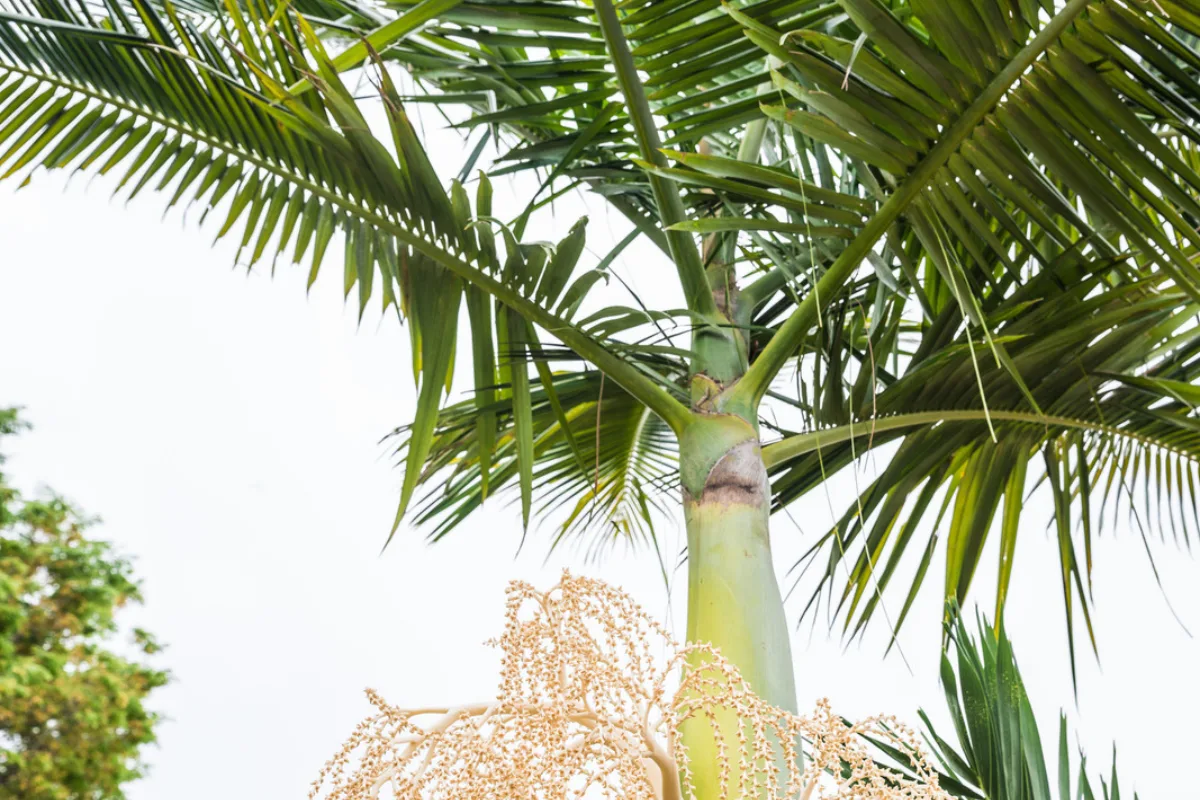
Alexandra palm
Alexandra palm is a tall Queensland native palm with a smooth trunk, green crownshaft and silvery leaf undersides. It grows quickly in warm, moist conditions and suits tropical and subtropical gardens where there is enough room for a very tall canopy.
Ornamental
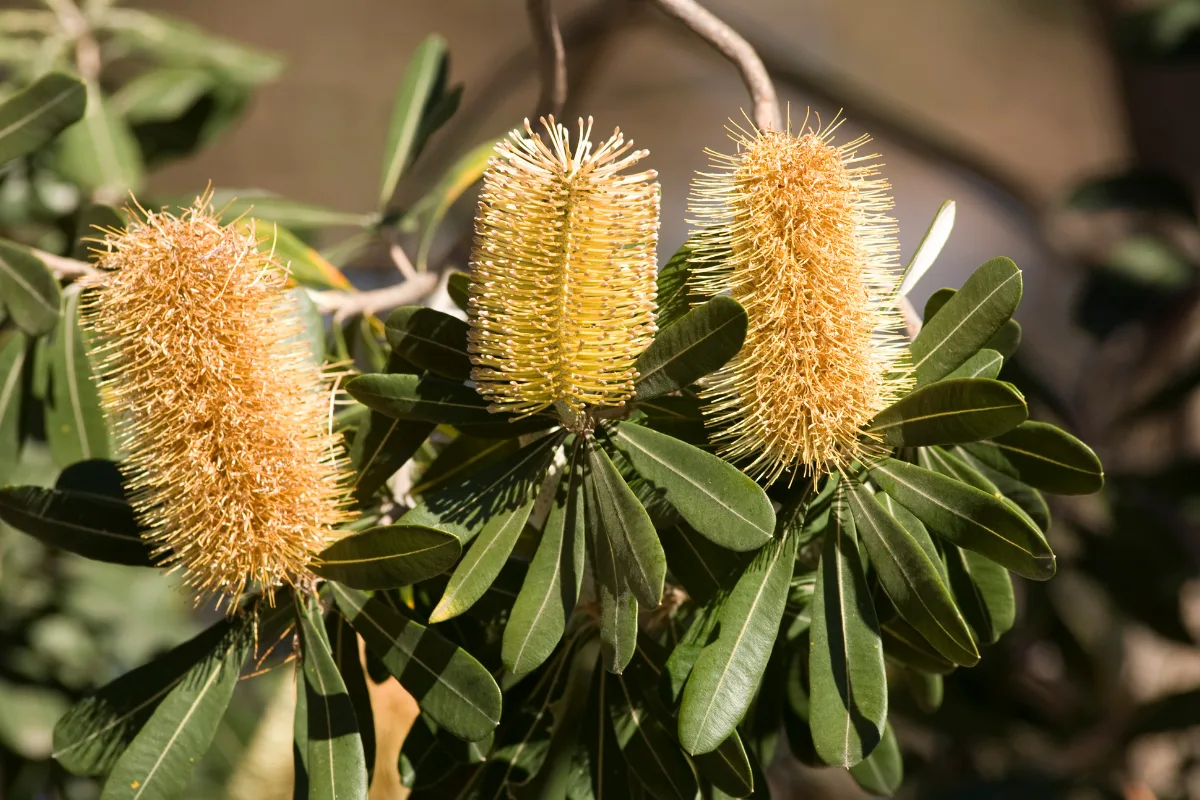
Banksia
Banksias range from groundcovers to large trees, with nectar-rich flower spikes that bring birds into the garden. Match the species to your climate and soil rather than treating all banksias the same.
Ornamental
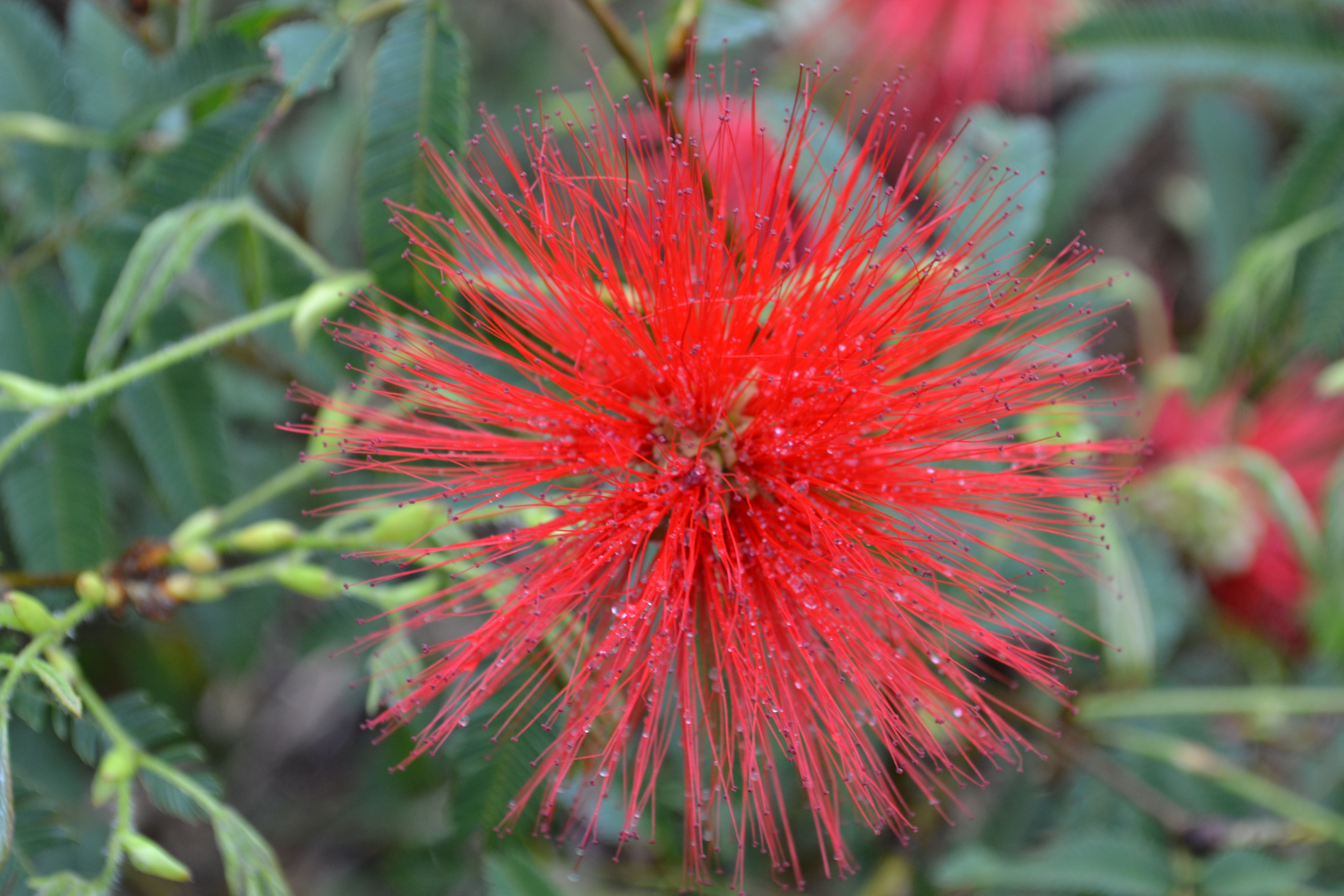
Calliandra tweediei
Calliandra tweediei is a spreading warm-climate shrub with fine divided foliage and bright red powder-puff flowers. It can flower for long periods and responds well to pruning when size needs controlling.
Fruit tree
Grumichama
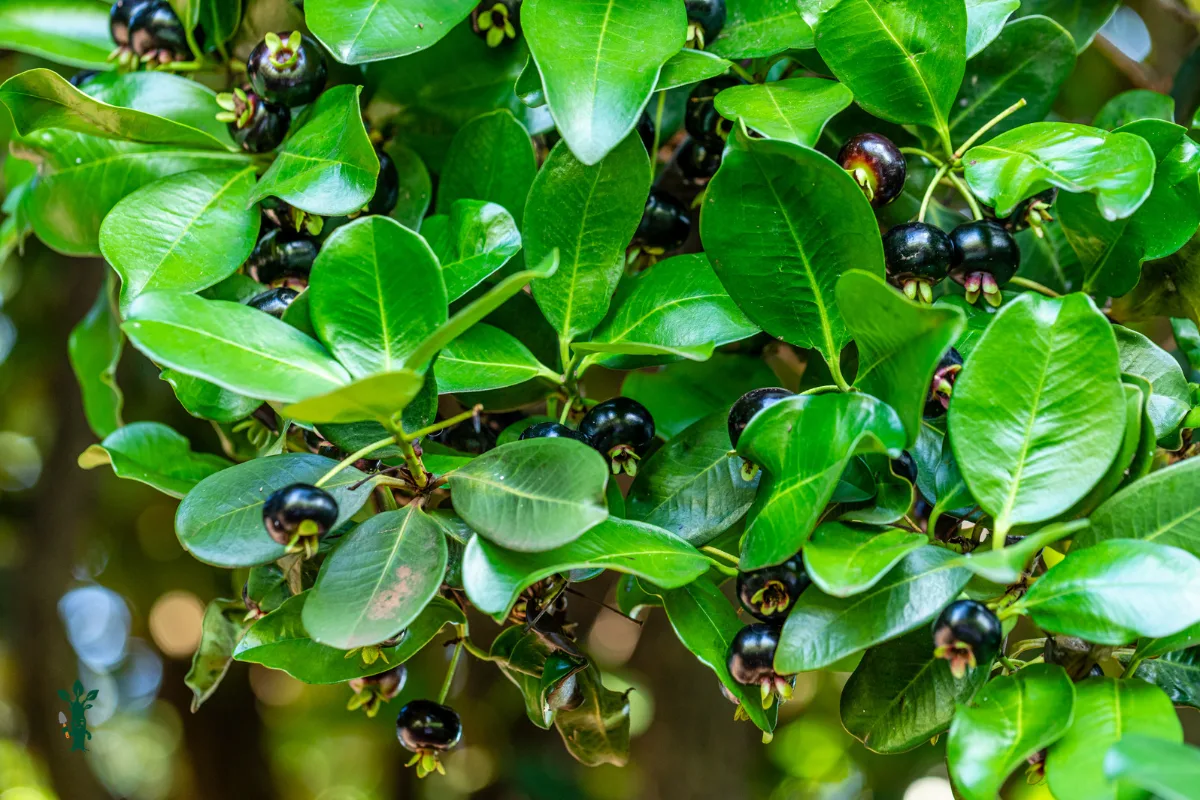
Grumichama is a glossy-leaved subtropical fruit tree with white flowers and cherry-like fruit that ripens from red to dark purple or almost black.
Fruit tree
Lemon aspen
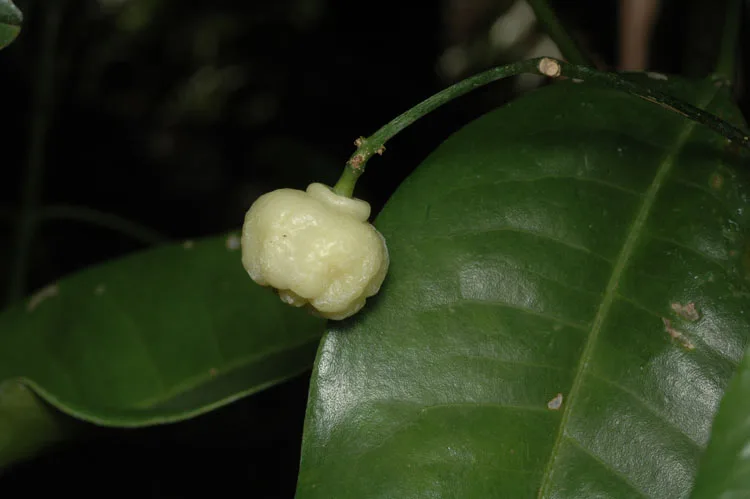
Lemon aspen is a Queensland rainforest tree with small pale fruit carrying an intense tart citrus flavour somewhere between lemon, lime and grapefruit. It is useful as a native food plant, has glossy evergreen foliage and suits warm, moist rainforest-style gardens.
Fruit tree
Loquat
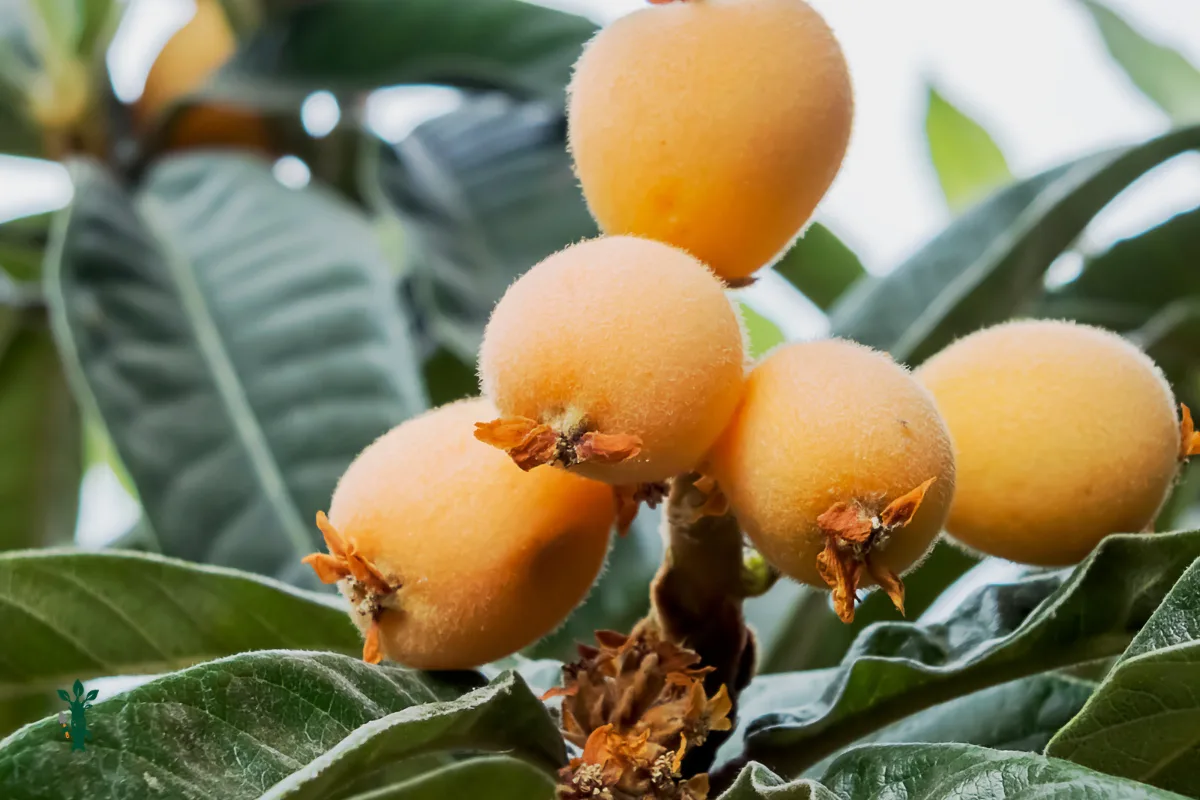
Loquat is an evergreen fruit tree with fragrant winter flowers and orange spring fruit. It grows quickly in mild climates and can be pruned to keep the crop easy to reach.
Ornamental
Scarlet fuchsia
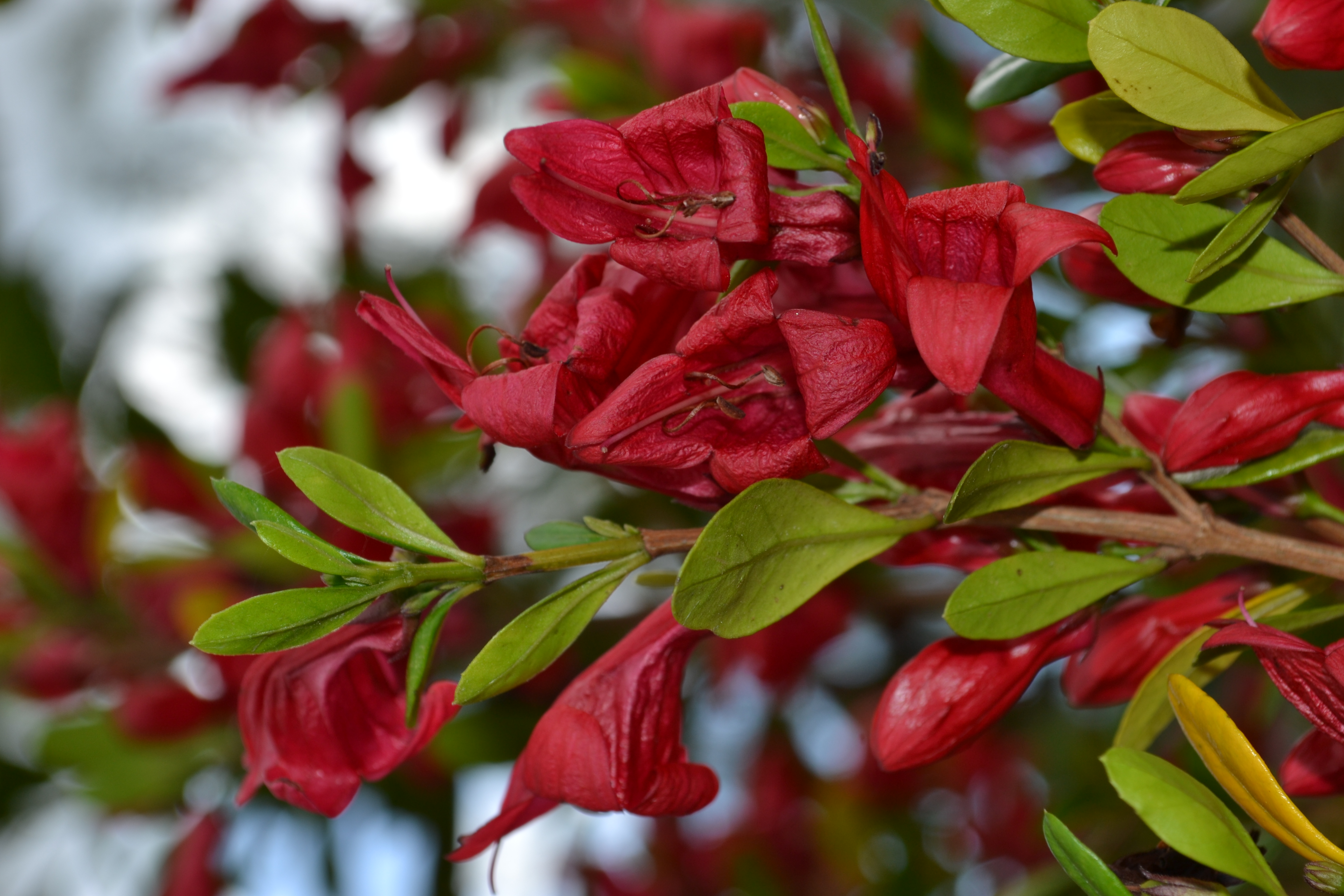
Scarlet fuchsia is a Queensland native shrub with glossy leaves and deep red tubular flowers that draw nectar-feeding birds. It handles pruning well and can be grown as a specimen, screen or informal hedge.
Before You Choose
Think in layers and seasons. Flowering trees and shrubs can supply nectar, while fruiting plants and seed-bearing grasses add different foods later. If you have enough space, combine several plant sizes so birds can feed at different heights and move through the garden with cover nearby.
A plant loaded with flowers or fruit is most useful when birds can reach it safely. Dense nearby foliage gives small birds somewhere to retreat. Open lawn around a single feeder plant may suit larger confident species but offers less cover for smaller visitors.
Leave some seed heads and small fruits in place where practical. A garden does not need to look untidy, but cutting every finished flower immediately removes food that could remain useful for weeks.
Fruit is only part of a bird garden. Nectar, insects and shelter also matter. Plants that support insects often provide an indirect food source for insect-eating birds. Open each profile for climate, mature size, flowering or fruiting habit and other wildlife traits, then build a mix that offers food at different times of year.
Think about where fallen fruit or seed will land. A heavily fruiting plant above a driveway, pool or frequently used path can create more cleanup than the same plant along a garden boundary. Place productive wildlife plants where dropped food can return to the soil or be reached easily. That lets you support birds without creating a maintenance problem in busy parts of the garden.