Australian Native Food Plants
Australian native food plants include fruits, leaves, seeds and flowers with a long history of use on this continent. They are not one single growing group. Rainforest fruits, arid-zone species and coastal plants need very different conditions, so choose by climate and habitat as carefully as you would any other crop. 11 plants in the library.
11 plants
Herb & spice
Anise myrtle
Anise myrtle is an Australian rainforest tree with aromatic leaves that smell and taste of aniseed or liquorice. It can be grown as a small tree, clipped screen or hedge and likes moisture while young.
Fruit & berry
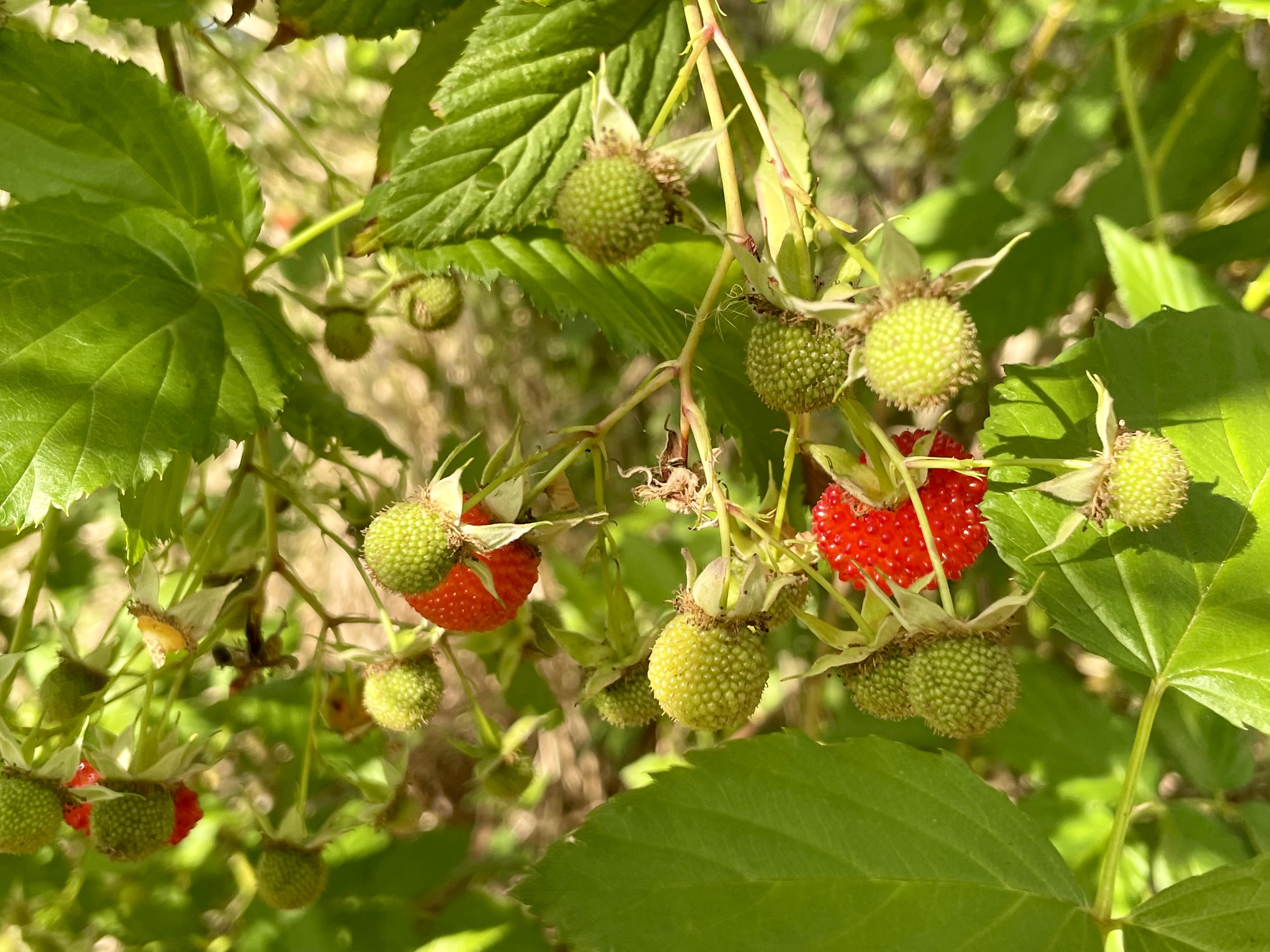
Atherton raspberry
Atherton raspberry is a vigorous Queensland native bramble that handles warm, humid climates far better than ordinary European raspberries. It makes prickly scrambling canes, white flowers and bright red fruit with a sharper raspberry flavour. Give it room, regular water and pruning or it can form a dense thicket.
Fruit tree
Davidson plum
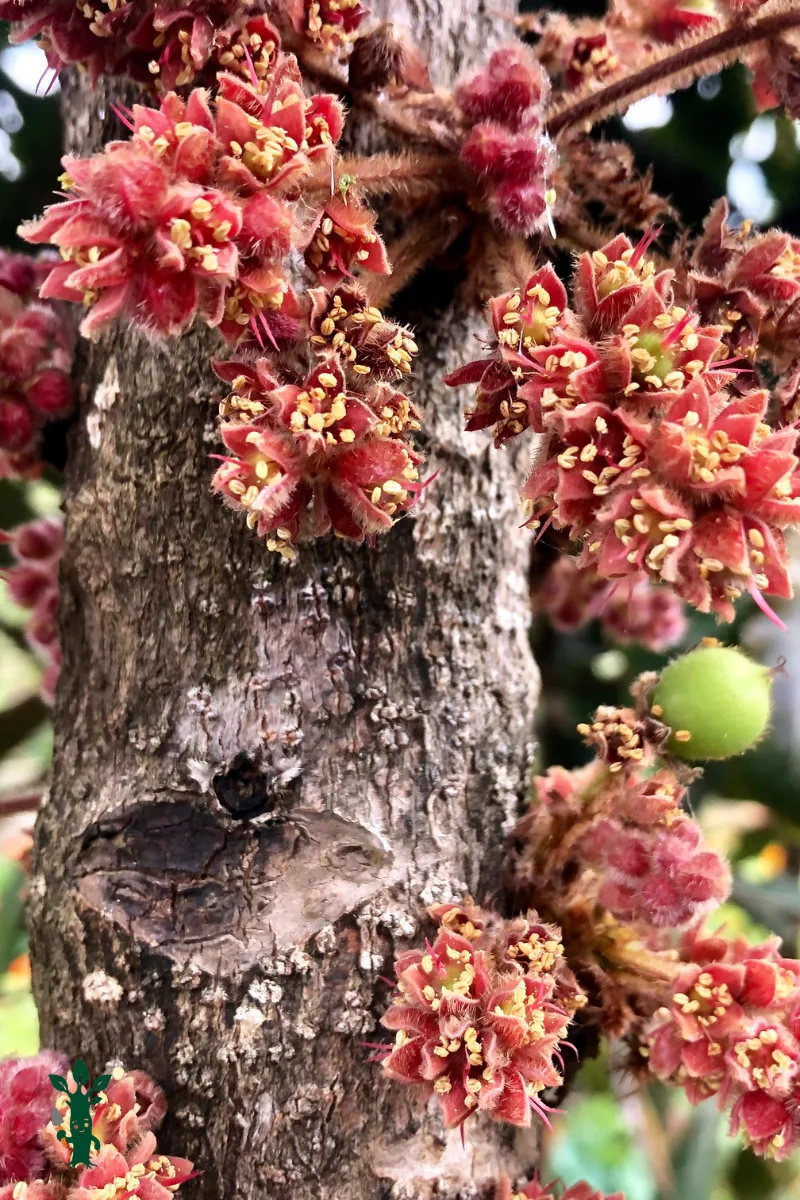
Davidson plum is an Australian rainforest tree with tart purple fruit. It grows well in warm, sheltered gardens and can handle part shade.
Fruit tree
Finger lime
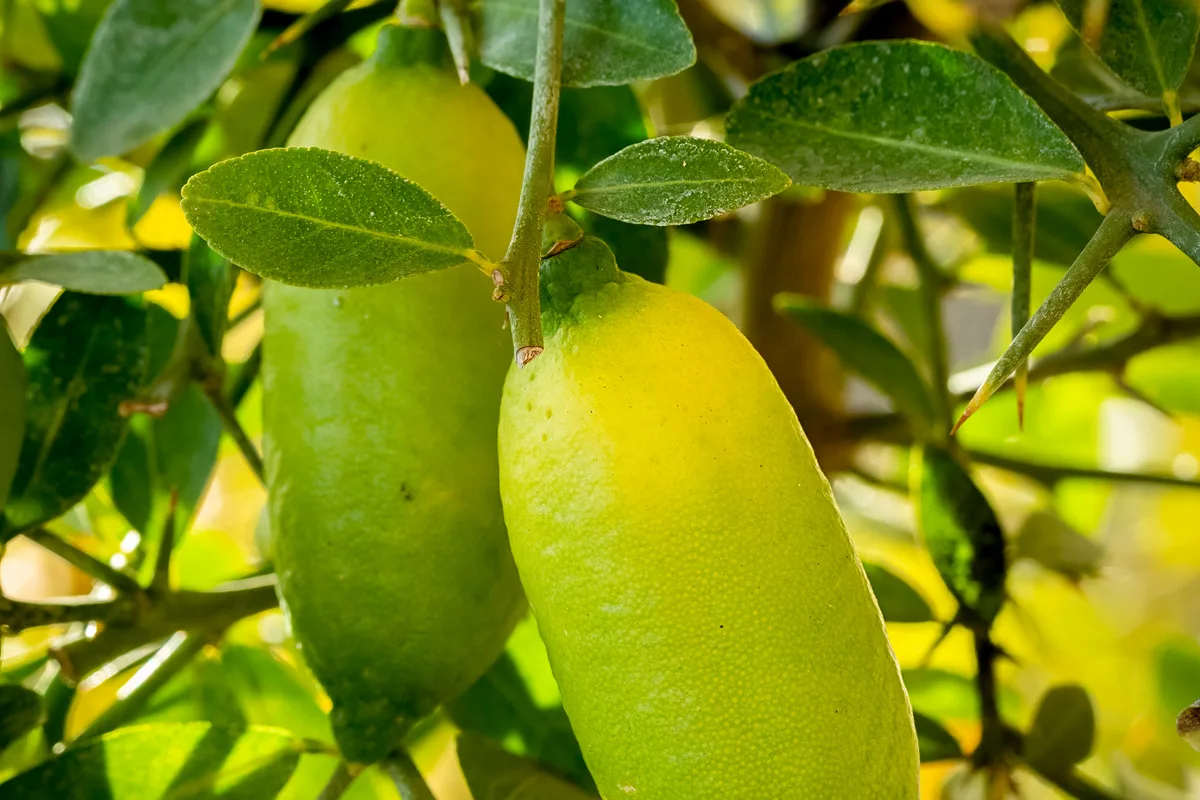
Finger limes are Australian rainforest citrus grown for the tangy little juice pearls inside their narrow fruit. They grow well in suitable warm and mild gardens, with good drainage and some shelter while young. Fruit colour, plant size and thorniness vary between cultivars, so a named grafted plant is a good way to choose what you want.
Fruit tree
Fraser Island apple
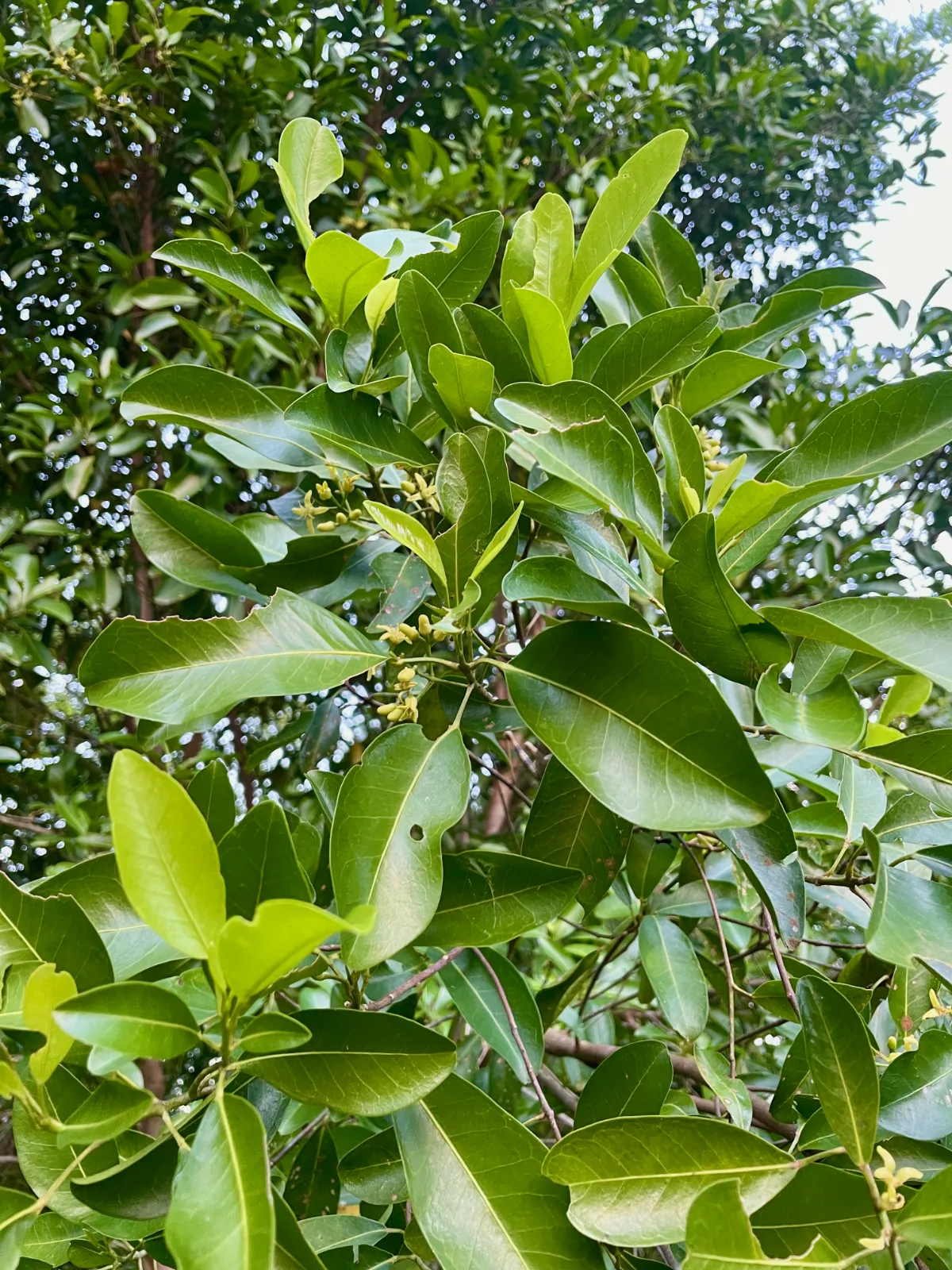
Fraser Island apple is an Australian coastal rainforest tree, native to sheltered dune and littoral rainforest from central Queensland into northern New South Wales, with glossy leaves, fragrant cream flowers and small yellow fruit that can be used in preserves.
Fruit tree
Lemon aspen
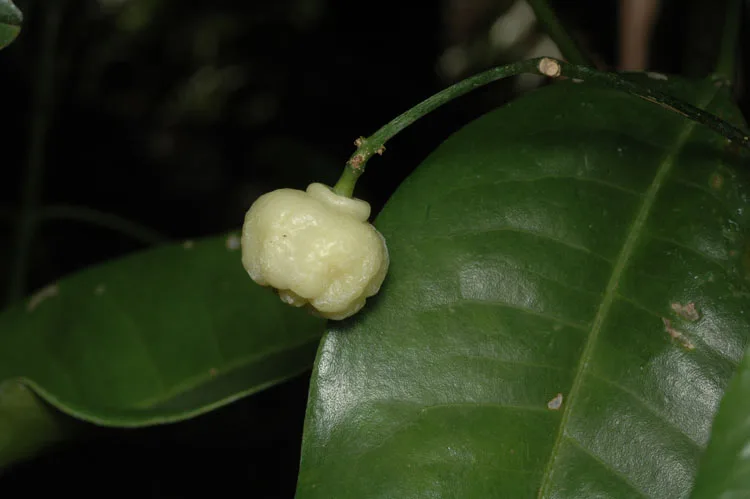
Lemon aspen is a Queensland rainforest tree with small pale fruit carrying an intense tart citrus flavour somewhere between lemon, lime and grapefruit. It is useful as a native food plant, has glossy evergreen foliage and suits warm, moist rainforest-style gardens.
Herb & spice
Lemon myrtle
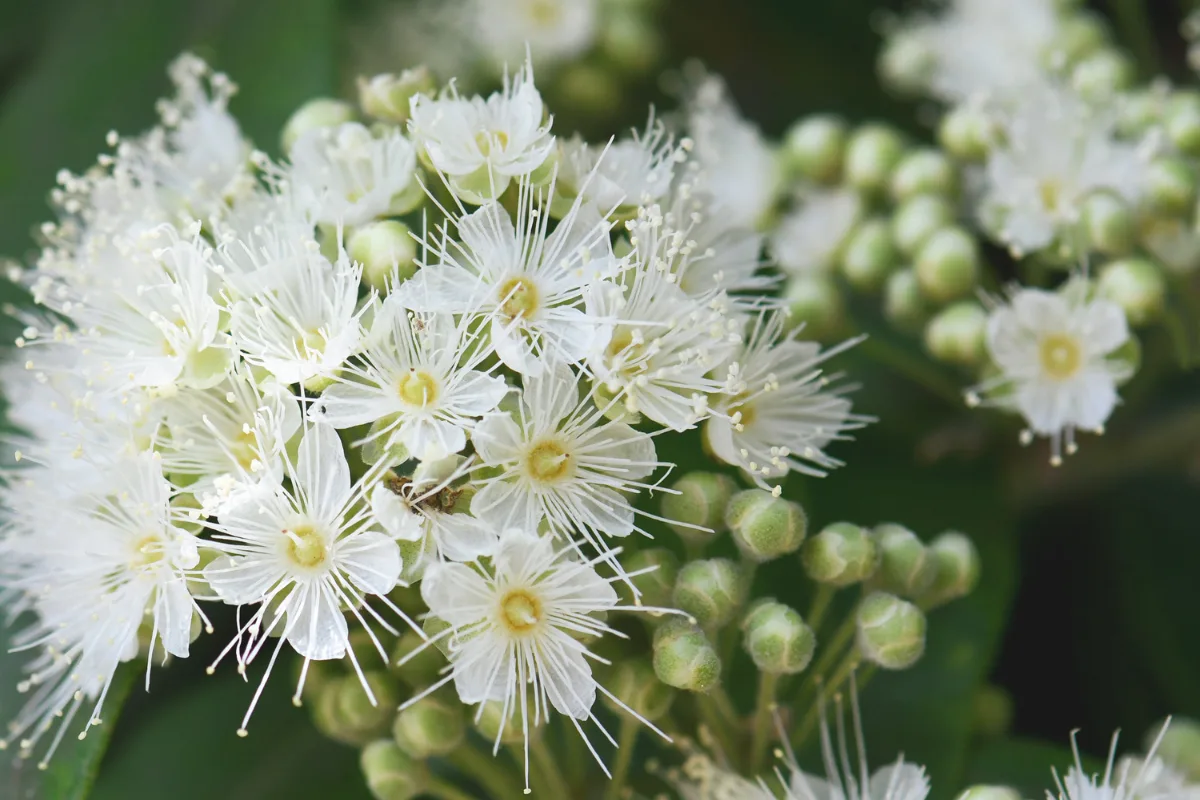
Lemon myrtle is a Queensland rainforest tree famous for intensely lemon-scented leaves. It can be grown as a small tree, clipped shrub or hedge, and is particularly at home in warm, moist east-coast gardens.
Fruit tree
Macadamia
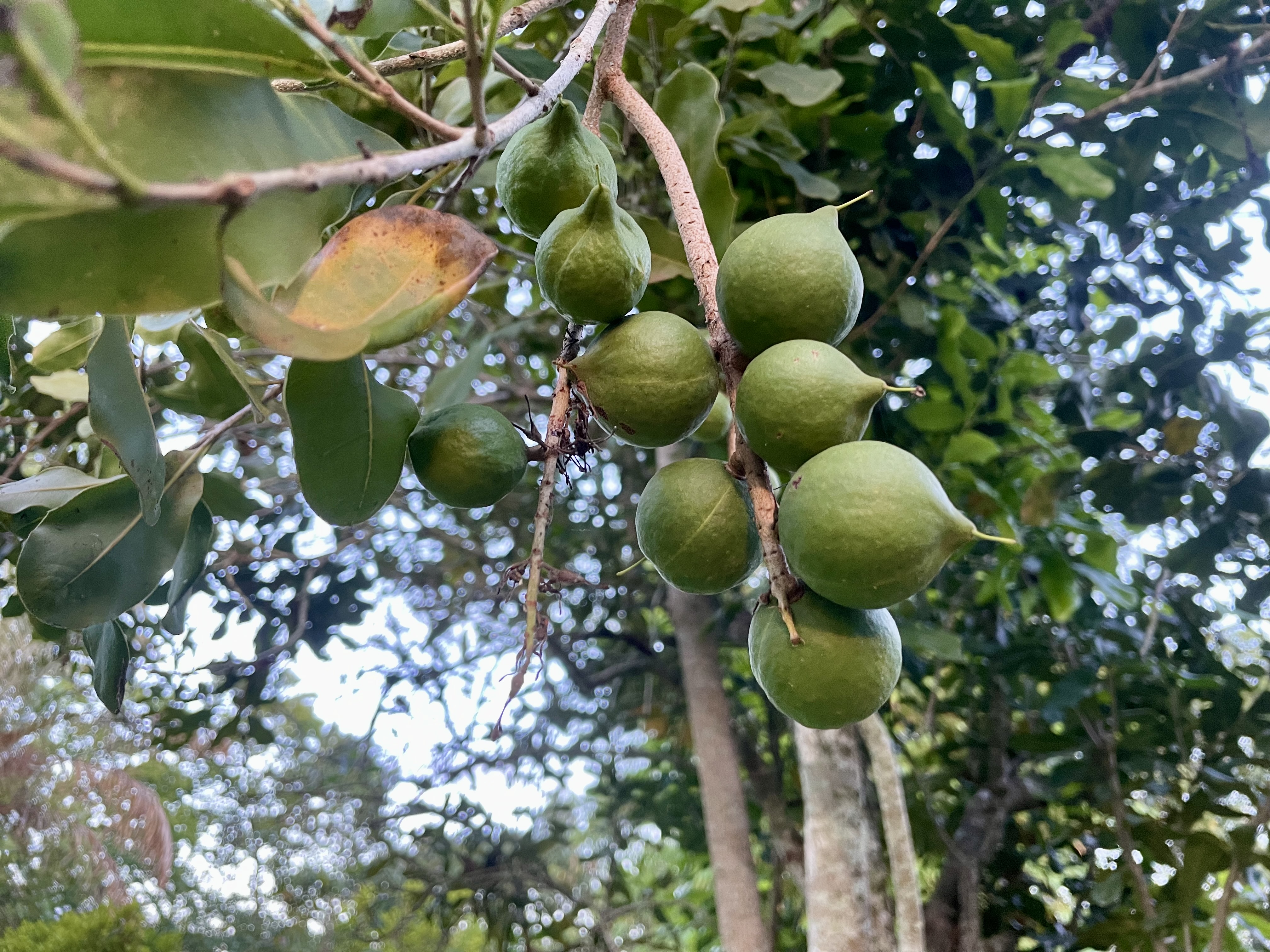
Macadamia is an Australian rainforest tree grown for rich edible nuts inside very hard shells. It prefers warm frost-free to lightly frosted climates, deep free-draining soil and shelter from strong wind when young. Trees become large and take time to crop, so cultivar choice, pollination and long-term space matter.
Herb & spice
Native ginger
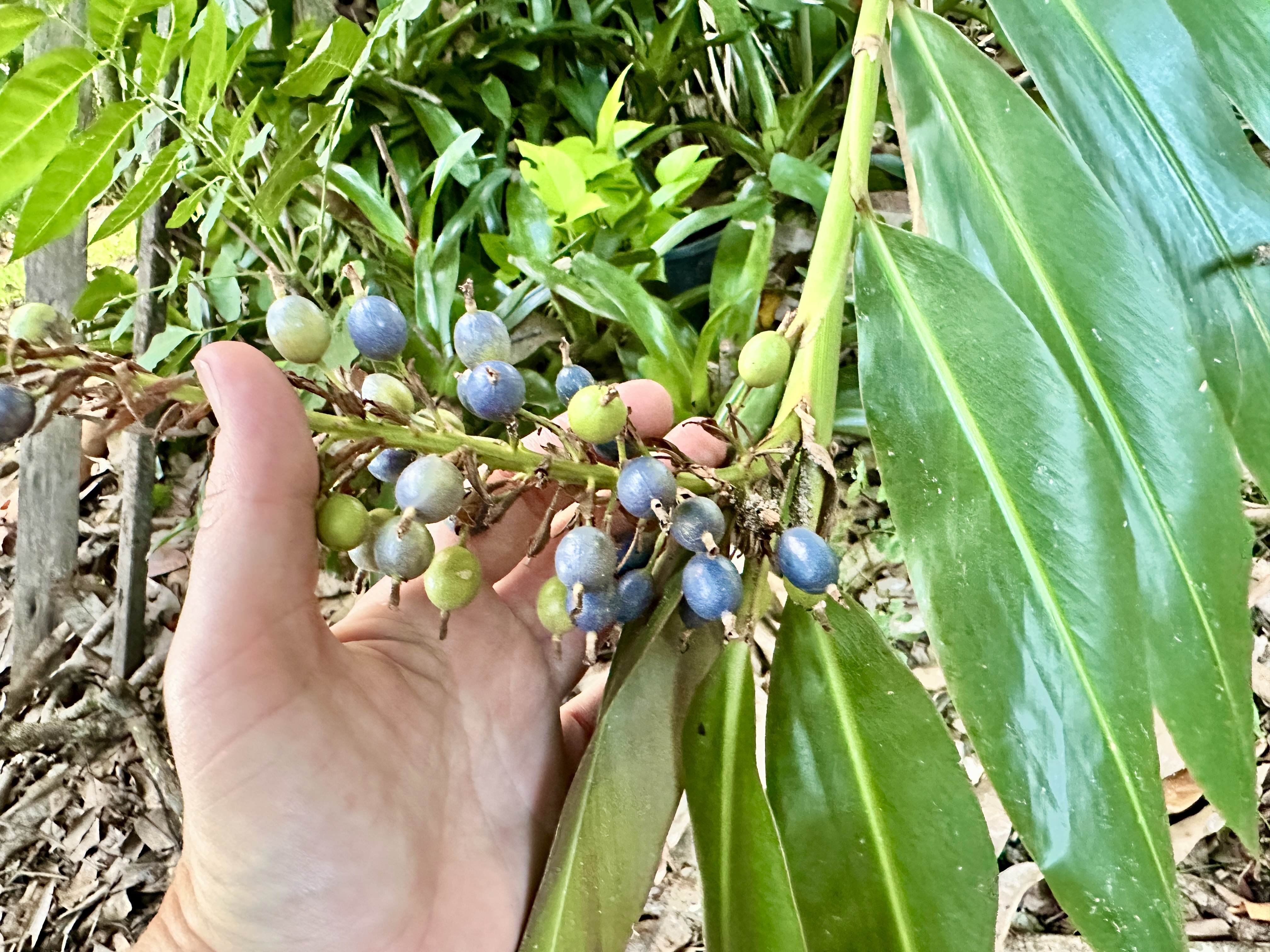
Native ginger is an eastern Australian rainforest plant with tall leafy stems, white flowers and blue fruit. The fruit pulp and rhizome have traditional food uses.
Succulent
Native pigface
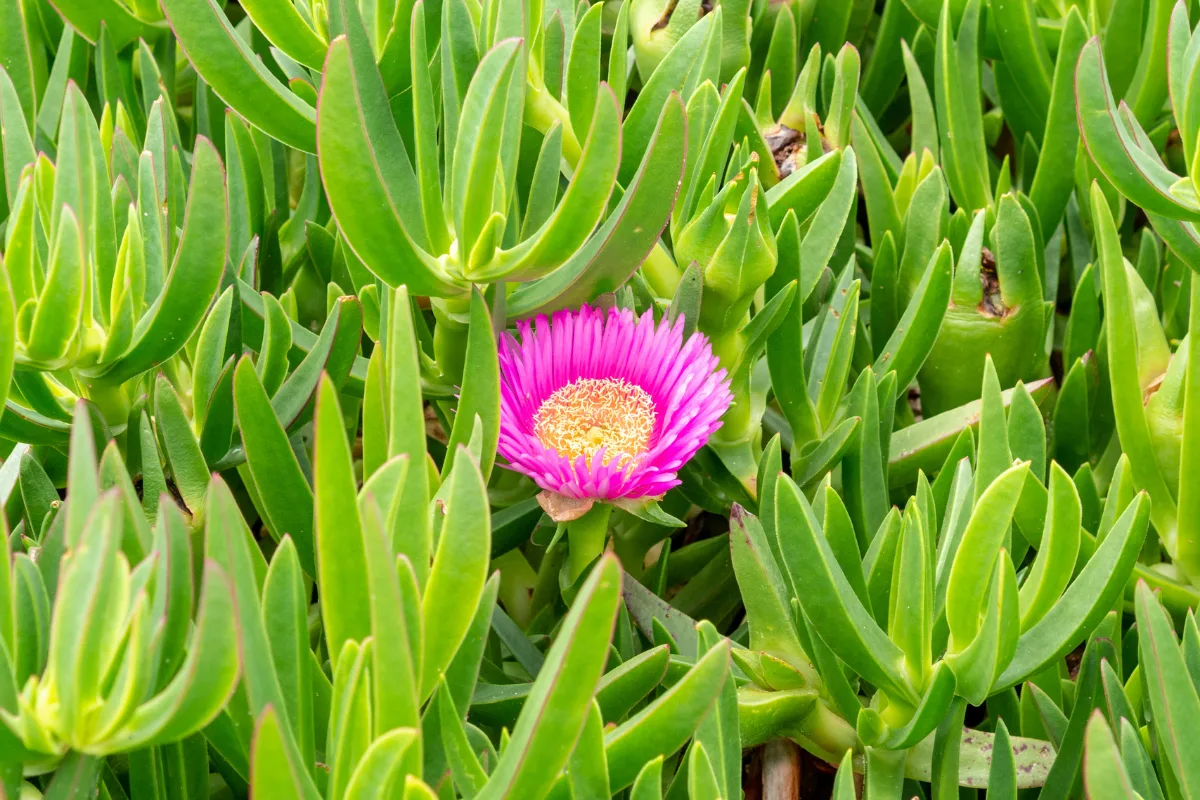
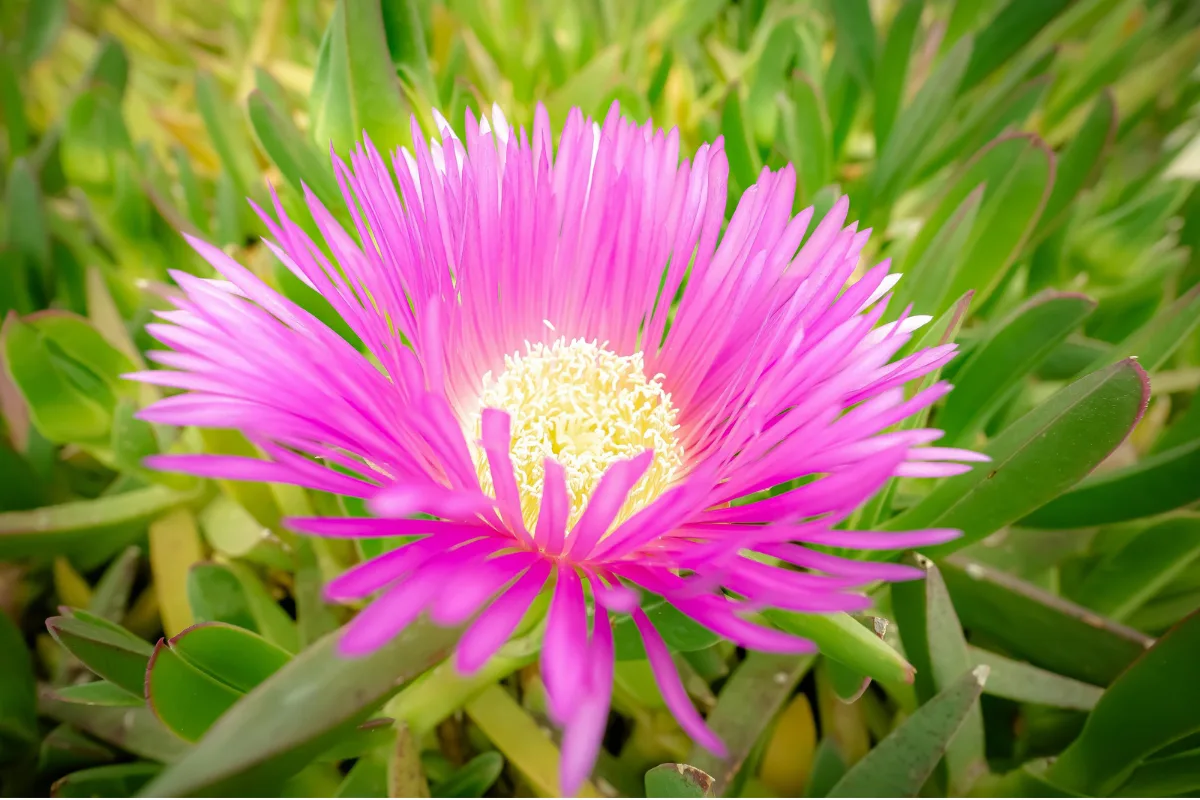
Native pigface makes a low carpet of fleshy leaves and bright pink-purple flowers in hot, exposed sites. It handles salt, wind and dry soil, and the true native species also has edible fruit and leaves.
Succulent
Pigface
A tough east-coast native succulent for exposed sunny ground, with thick triangular leaves and large pink-purple flowers. It is particularly useful on coastal banks and sandy sites.
Before You Choose
Start with correct identification. Common names can be shared by unrelated plants, and some native species have edible parts only when prepared in a particular way. Use the botanical name and reliable food-use information before eating an unfamiliar native plant.
Where possible, match the plant to conditions similar to its natural range. A rainforest fruit may need reliable moisture and shelter. A dry-country species may need sharp drainage and open sun. Native does not automatically mean low-water, frost-proof or suitable for every Australian garden.
Many native food plants also bring other values into the garden. Flowers can support pollinators, fruit may feed birds and dense foliage can add shelter. If you are growing for your own harvest, allow enough produce for the wildlife that already uses the plant where practical.
Harvest timing and flavour can be unfamiliar at first. Some fruits change quickly as they ripen, while leaves or shoots may be best picked young. Open each profile for climate, mature size, light and edible-use notes. For any plant with specialised preparation requirements, follow a reliable species-specific source before eating it.
If you buy a native food plant, keep the nursery label and botanical name with your records. Cultivars can differ in fruit size, flavour and growth habit, and that information becomes useful years later when the plant is mature. For less familiar foods, learn the traditional or documented preparation method before harvest time rather than relying on appearance alone to decide what is edible.