

Plants for Coastal Gardens
Coastal gardens can combine salt spray, strong wind, bright sun and fast-draining soil. The exact exposure changes within a single block, so a plant protected behind a house may have very different conditions from one facing the ocean. Choose for the position, not just the postcode. 8 plants in the library.
8 plants
Succulent
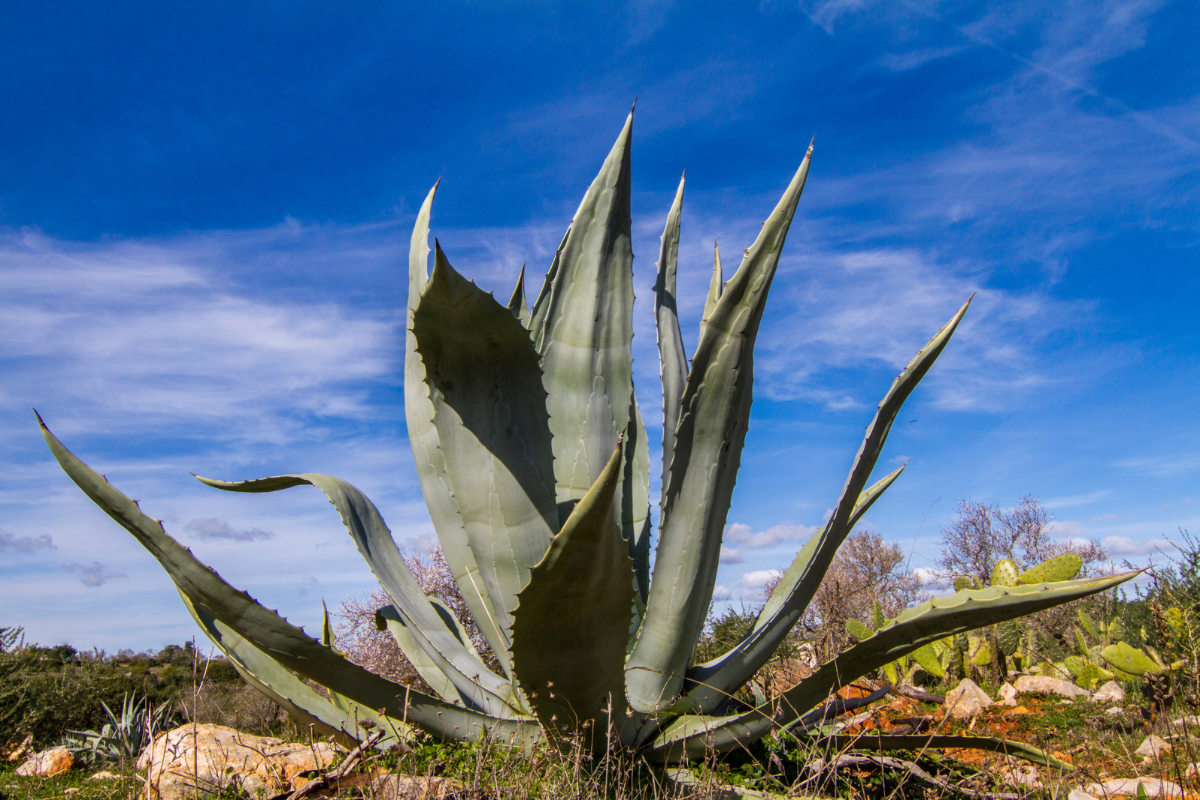
Century plant
Century plant is a large architectural agave with a bold rosette of blue-green leaves and a towering flower spike at maturity. Agave americana suits hot sunny dry gardens where there is ample room for its broad rosette and sharp leaf tips.
Ornamental
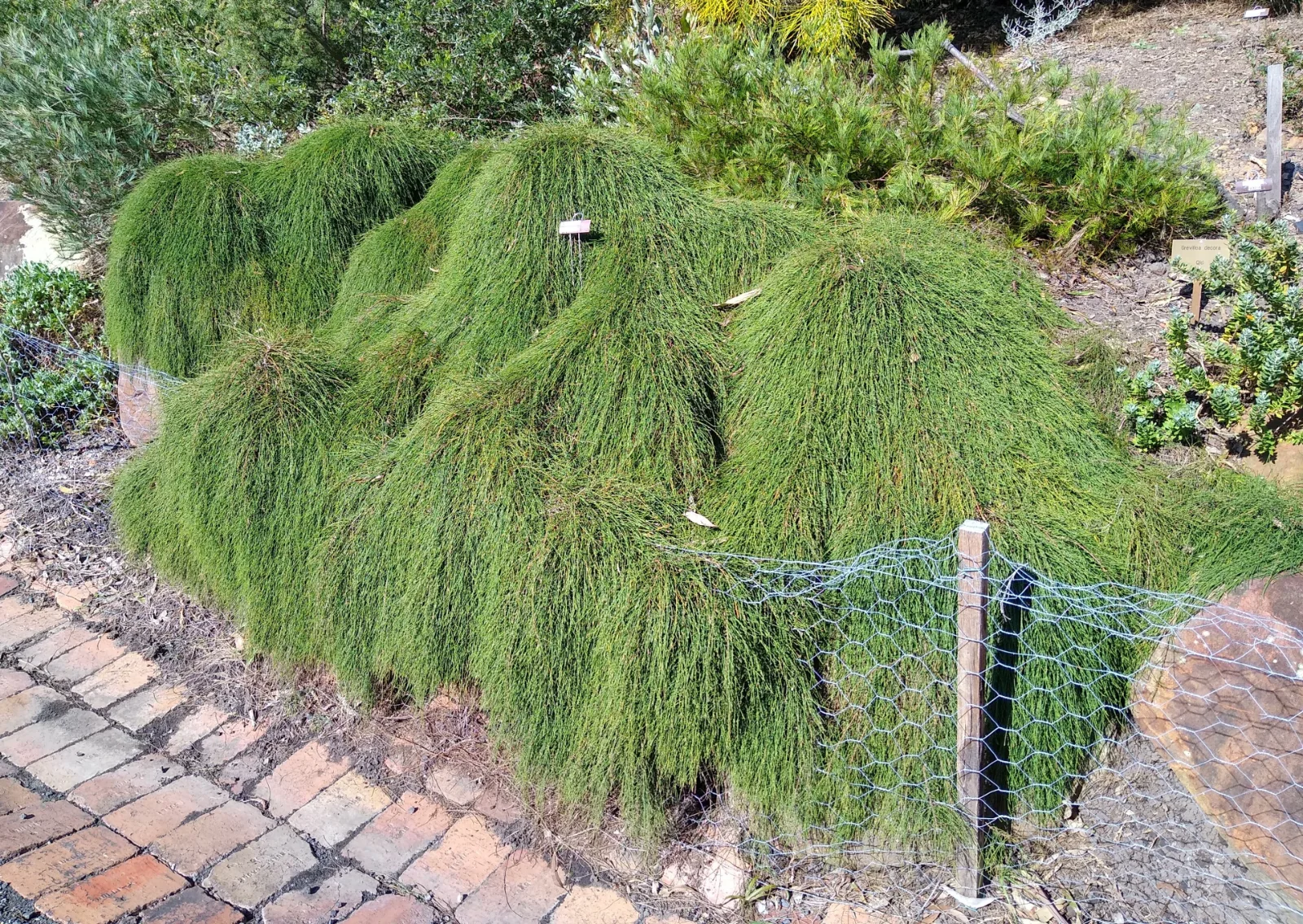
Cousin It
Cousin It is a low, cascading form of swamp she-oak that makes a dense curtain of fine green branchlets over banks, walls and large pots. It is grown for texture rather than flowers.
Ornamental
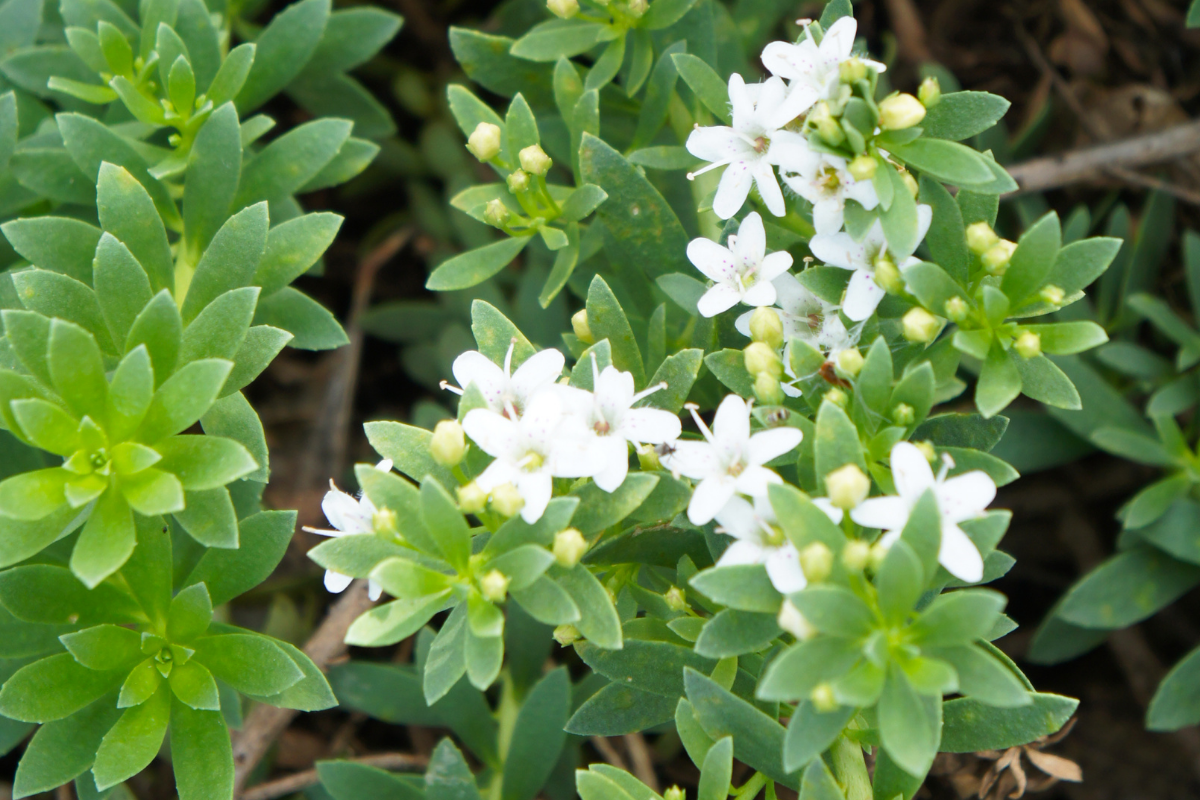
Creeping boobialla
A broad, very low native groundcover for sunny banks and open beds. Fine green foliage forms a dense mat and small white to pale pink flowers appear through the warmer months.
Fruit tree
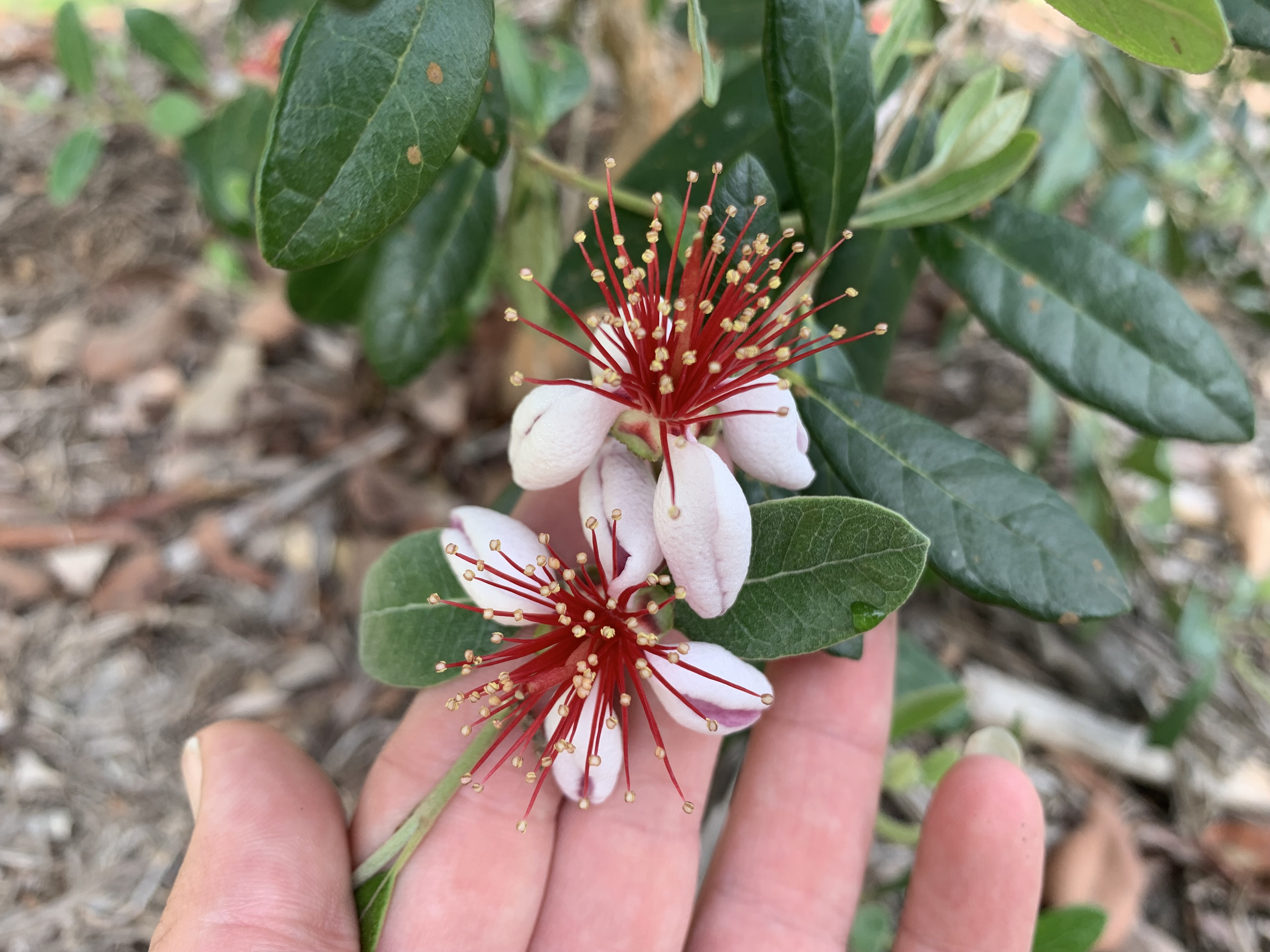
Feijoa
Feijoa is an evergreen subtropical fruit shrub or small tree with silver-backed leaves, edible flowers and fragrant green fruit. Cool winters, full sun and compatible pollination help it crop well.
Ornamental
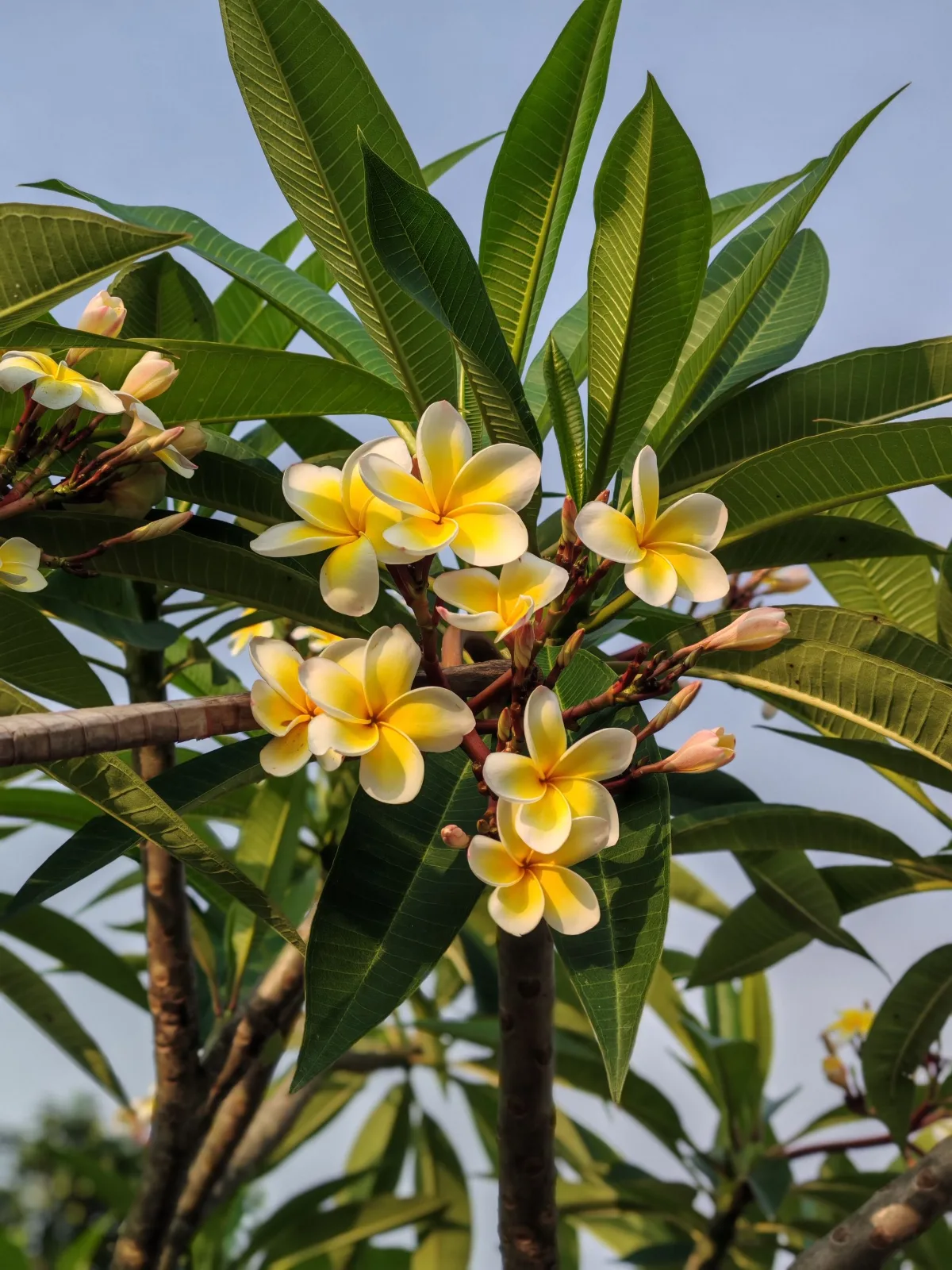
Frangipani
Frangipani is a warm-climate flowering tree that needs sun and excellent drainage. It is easy to propagate from large cuttings once the cut end has callused.
Fruit tree
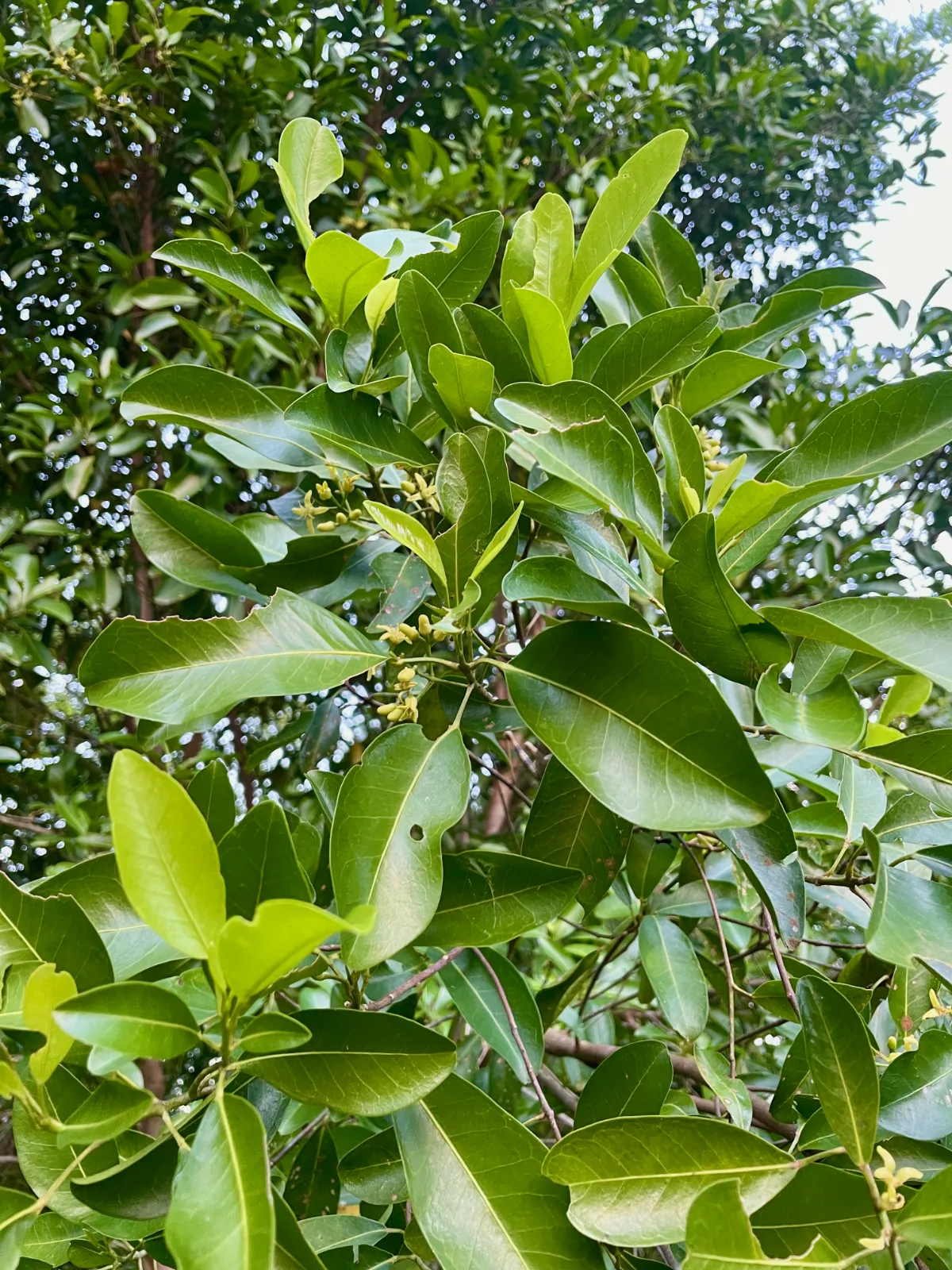
Fraser Island apple
Fraser Island apple is an Australian coastal rainforest tree, native to sheltered dune and littoral rainforest from central Queensland into northern New South Wales, with glossy leaves, fragrant cream flowers and small yellow fruit that can be used in preserves.
Ornamental
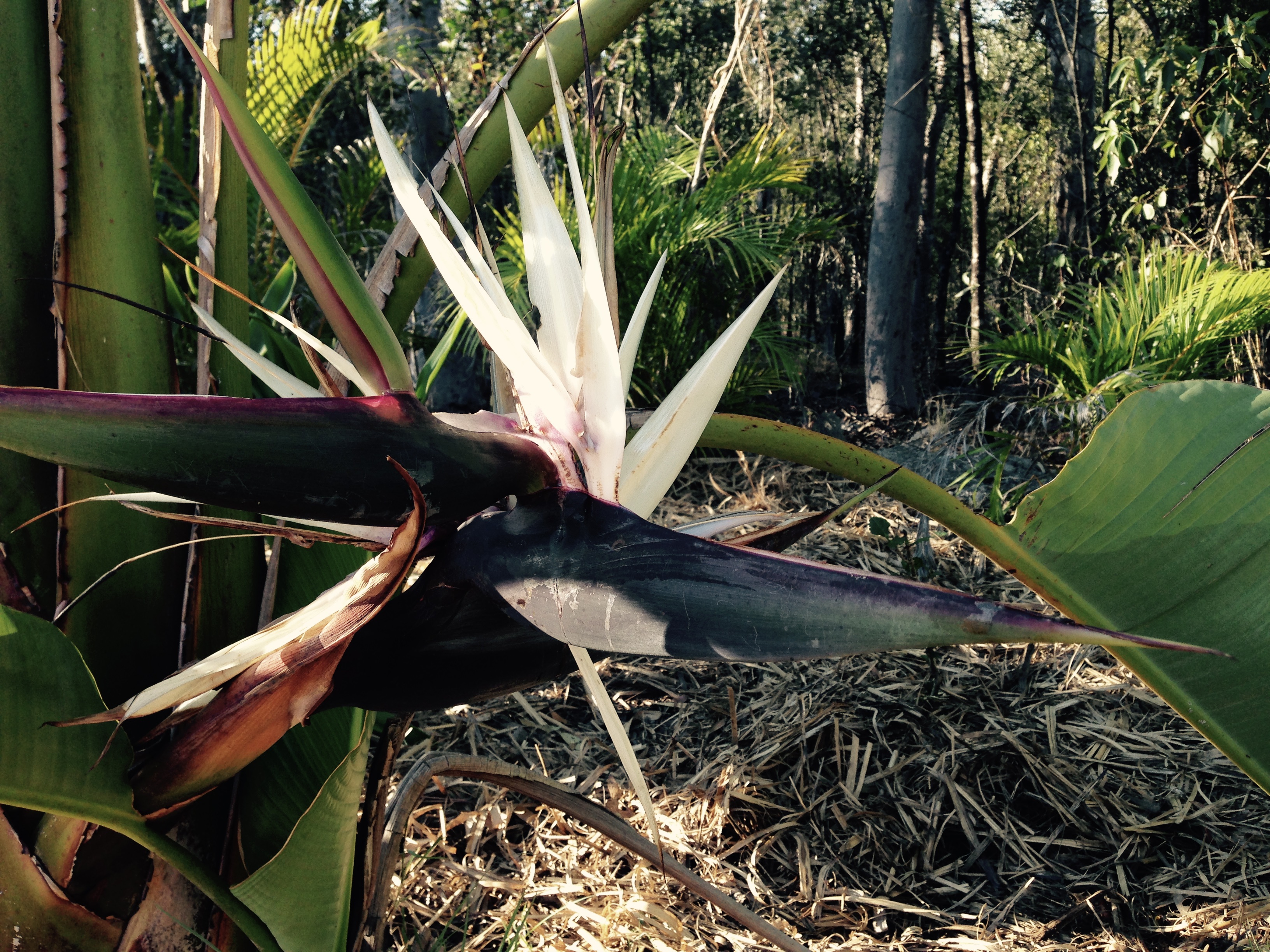
Giant bird of paradise
Giant bird of paradise grows into a tall multi-trunked clump with huge paddle-shaped leaves and white-and-blue flowers. It makes a dramatic foliage plant where there is enough room for its mature size.
Fruit tree
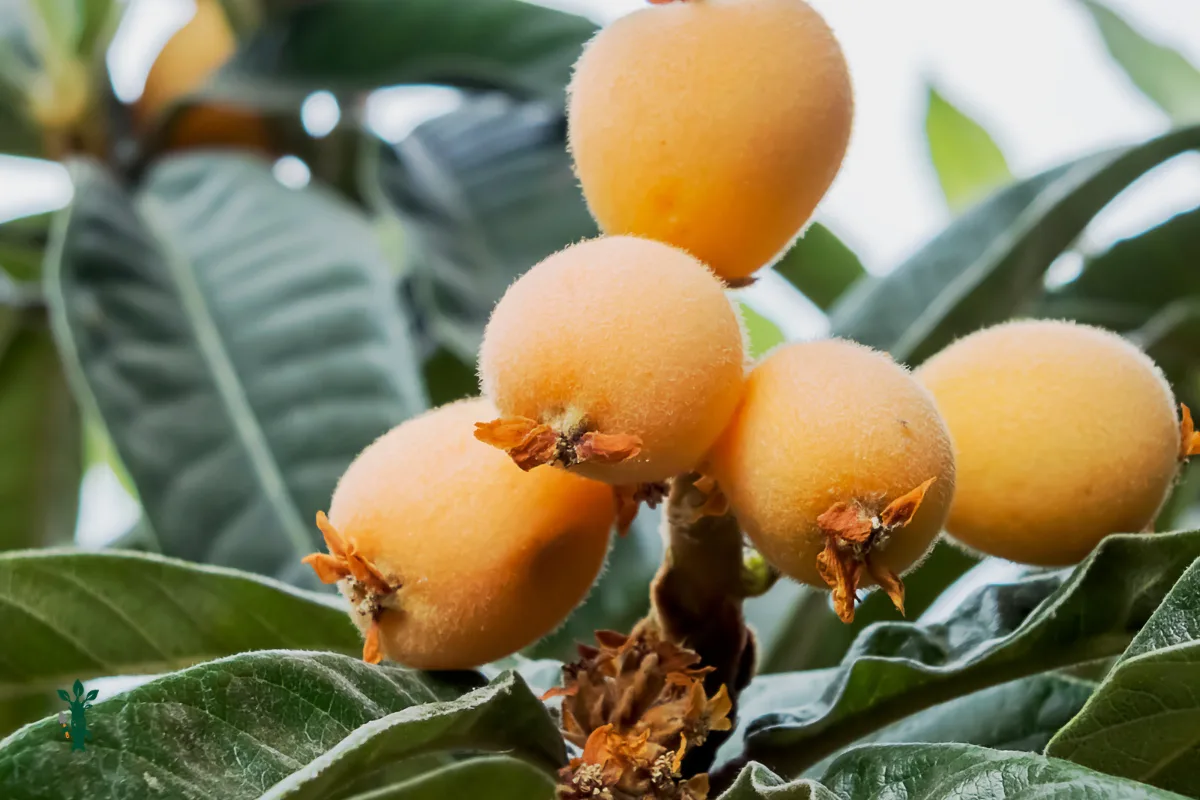
Loquat
Loquat is an evergreen fruit tree with fragrant winter flowers and orange spring fruit. It grows quickly in mild climates and can be pruned to keep the crop easy to reach.
Before You Choose
Start with salt exposure. Plants close to the shoreline may receive salt on their leaves and roots, while gardens further inland mainly deal with wind and sandy soil. Buildings, fences and existing vegetation create useful sheltered pockets where a wider range of plants can grow.
Wind can dry foliage and soil quickly. Dense brittle plants may suffer more damage than flexible growth that moves with the air. Young trees and shrubs often benefit from temporary protection while roots establish, but staking should still allow some natural movement.
Sandy coastal soil drains freely and may hold little nutrition. Compost, mulch and steady watering during establishment can make a big difference. Keep organic matter on the surface and choose fertilisers appropriate to the plant rather than applying heavy doses that can wash through the root zone.
Sun and reflected heat from paving, pale walls and sand can be intense. A plant described as suitable for full sun still needs enough water while establishing. Use the toughest plants on the exposed edge, then take advantage of the shelter they create for more delicate planting behind.
Material durability matters near the coast as well. Trellises, stakes, wire and metal fixings can deteriorate faster in salt-laden air, so choose hardware that suits the exposure and inspect it as plants grow heavier. Leave enough access to replace ties or supports without dismantling mature growth. A healthy coastal planting still needs a structure that can survive the same conditions.