
Plant profile
Loquat
Eriobotrya japonica
Also known as Japanese medlar, Japanese plum, Bibasse.
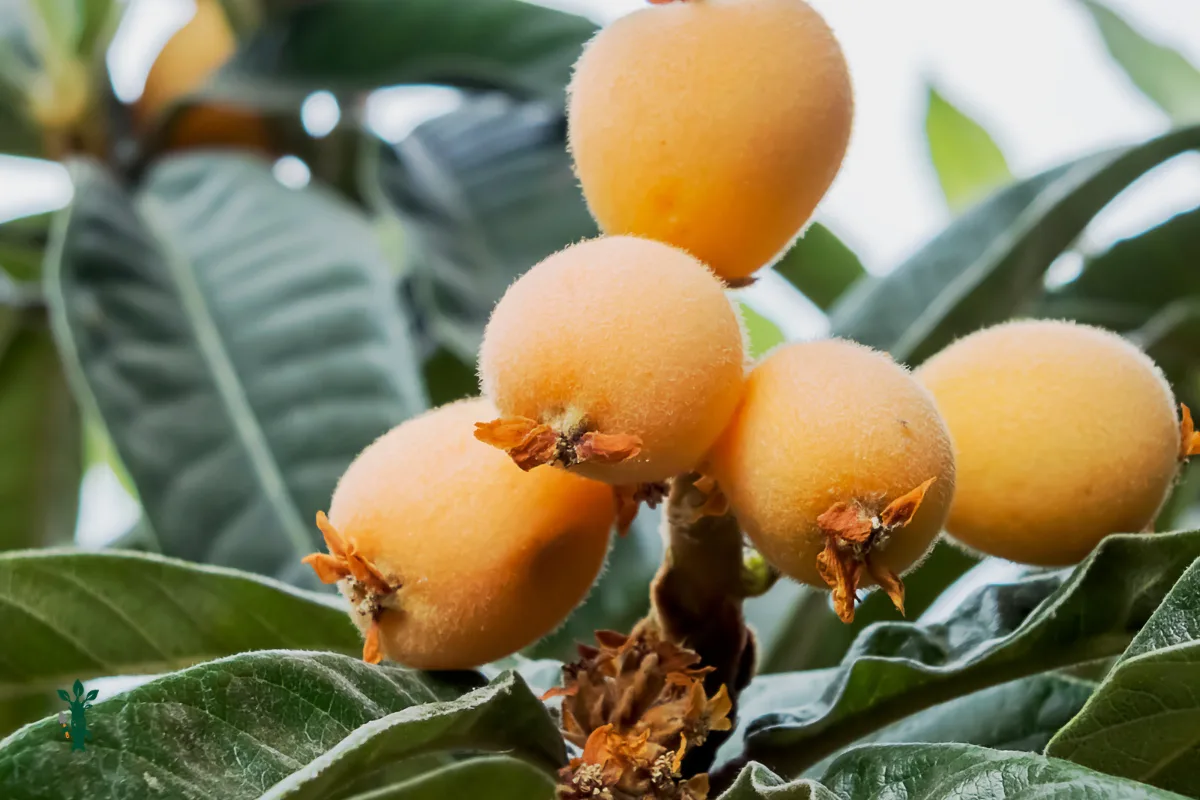
Loquat is an evergreen fruit tree with fragrant winter flowers and orange spring fruit. It grows quickly in mild climates and can be pruned to keep the crop easy to reach.
- Grows well in
- Subtropical, Temperate, Mediterranean
- Lifecycle
- Evergreen fruit tree
- Light
- Full sun, Part shade
- Mature size
- Usually 4–8 m high and 4–6 m wide, but smaller with pruning
- Spacing
- About 4–6 m apart for full-sized trees
- Growth habit
- Dense evergreen small tree with a rounded canopy
- Native range
- China (Chongqing and Hubei)
- Natural habitat
- Temperate forest and woodland on hills and mountain slopes.
When to plant
Tropical
March–June
Subtropical
March–June, September–November
Temperate
March–May, August–October
Cool / mountain
September–November
Mediterranean
March–May, August–October
Subtropical: autumn to early winter is ideal. Temperate and Mediterranean: plant in autumn or spring, avoiding severe frost or heat.
Planting
Plant in a sunny, free-draining position with room for a broad canopy. Water well while the root system establishes.
Position and light
Full sun gives the best flowering and fruiting. Light part shade is tolerated.
Soil
Adaptable to many garden soils as long as drainage is good. Compost and mulch help on sandy or low-organic-matter ground.
Watering
Water regularly while young and during dry periods when flowering or carrying fruit. Established trees are fairly resilient once rooted deeply.
Feeding
Top-dress with compost and use a balanced fruit-tree feed if growth or cropping is weak. Avoid pushing very soft growth with heavy nitrogen.
Pruning
Prune after harvest to remove crowded growth and keep the canopy at a workable height. Shape young trees early. Thinning crowded fruit clusters can improve fruit size and reduce branch strain on a heavily laden tree.
Harvest
Pick fruit when fully coloured and sweet. Loquats bruise easily, so handle ripe fruit gently.
Propagation
Seed grows easily but does not guarantee the same fruit quality. Named cultivars are usually grafted or budded.
Common problems
Fruit fly can attack ripening fruit. Birds and bats may take fruit, and dense canopies can hide scale insects or sooty mould.
Safety notes
The ripe flesh is edible. Do not eat the seeds; like several members of the rose family, they contain cyanogenic compounds.
Worth knowing
Loquat flowers through the cooler months and ripens fruit in spring. Seedlings are common where birds carry the fruit, so remove unwanted young trees.
Featured In
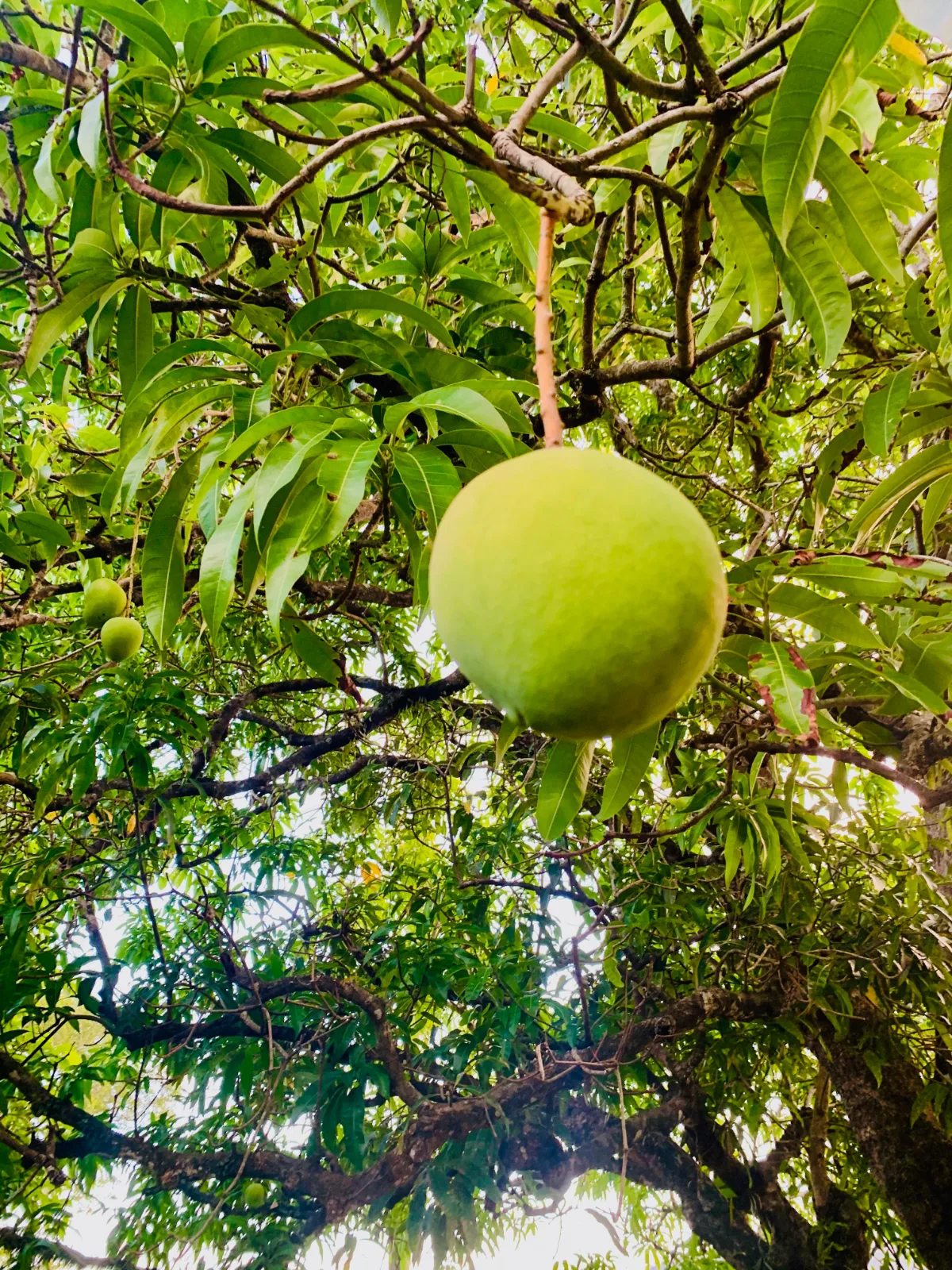

Grow Loquat with Brancho
Add it to My Garden and Brancho works out what it needs next, timed for your climate.
How it grows around Australia
Growing this too? Share what you've noticed in your garden.
Grow a Little Wild
New plants to try, useful growing tips and a few garden jobs based on what you grow.