
Plant profile
Anise myrtle
Syzygium anisatum
Also known as Aniseed myrtle, Backhousia anisata, Anetholea anisata, Ringwood.
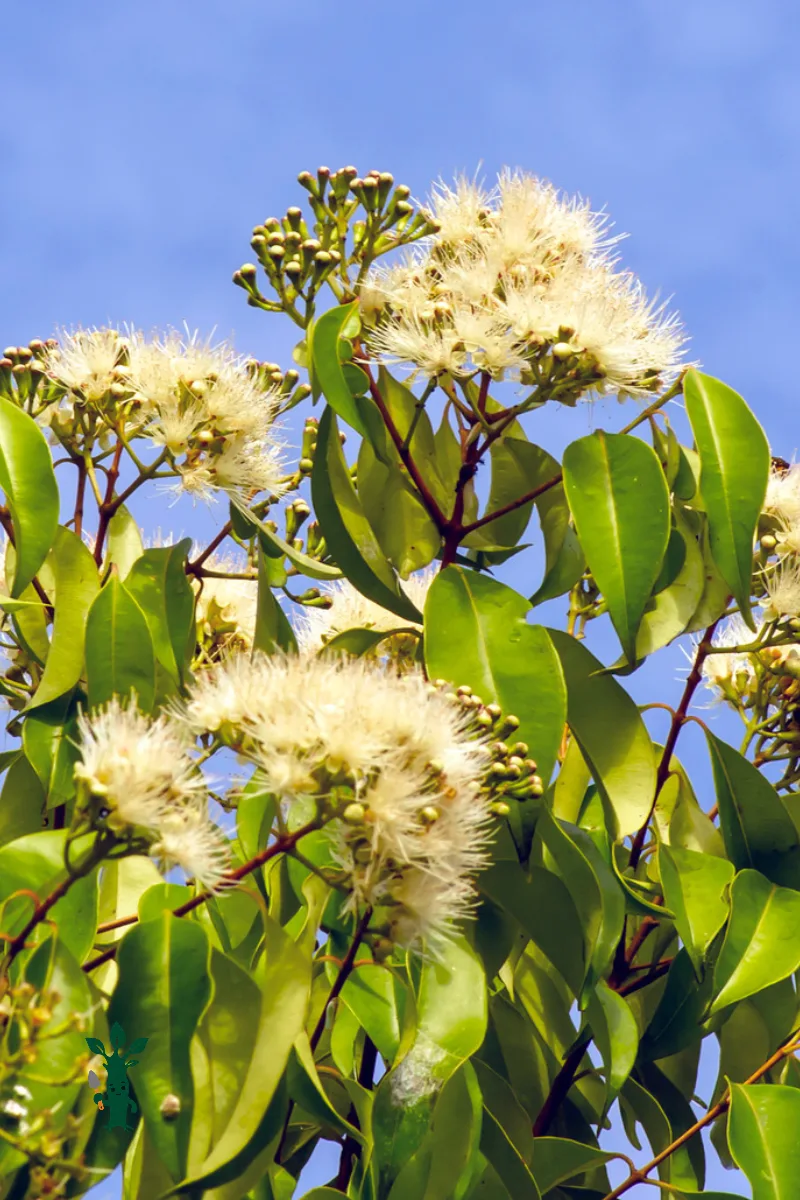
Anise myrtle is an Australian rainforest tree with aromatic leaves that smell and taste of aniseed or liquorice. It can be grown as a small tree, clipped screen or hedge and likes moisture while young.
- Grows well in
- Tropical, Subtropical, Temperate
- Lifecycle
- Evergreen rainforest tree or shrub
- Light
- Full sun, Part shade
- Mature size
- Potentially a medium rainforest tree, but readily kept much smaller as a clipped garden shrub or hedge.
- Spacing
- Allow several metres for a natural-form tree, or around 1–1.5 m for a managed screen or hedge.
- Growth habit
- Dense evergreen rainforest shrub or tree with aromatic foliage and a naturally bushy response to tip pruning.
- Native range
- North-eastern New South Wales
- Natural habitat
- Subtropical rainforest, often along streams or on lower slopes.
When to plant
Tropical
February–November
Subtropical
March–October
Temperate
September–April
Plant during warm settled weather. Keep a small plant consistently moist through its first establishment period and protect it from frost in cooler districts.
Planting
Plant at the same depth as the nursery pot into moist, well-prepared soil. Mulch the root zone and keep a young plant watered while it settles.
Position and light
Full sun to part shade. It also tolerates sheltered, shadier positions, but a bright site gives denser growth when moisture is adequate.
Soil
Moist, fertile, well-drained soil with organic matter suits this rainforest species. Mulch helps keep the shallow feeder roots cool.
Watering
Water regularly while young and during prolonged dry weather. Once established, trees become more resilient but still respond to steady moisture.
Feeding
Use compost or an occasional suitable native-plant fertiliser during active growth. Do not overfeed.
Pruning
Tip-prune young plants to encourage bushiness. It responds well to clipping and can be maintained as a hedge or screen.
Harvest
Pick a few mature aromatic leaves from healthy established growth as needed for culinary use, spreading the harvest around the plant.
Propagation
Usually propagated from cuttings or seed. Young plants establish best with warmth and reliable moisture.
Common problems
Drying out while young and frost outside its preferred warm range are the main issues. As a Myrtaceae species, keep an eye out for suspicious myrtle-rust symptoms.
Safety notes
The leaves are used as a culinary flavouring. Concentrated essential oil is much stronger than the amount used in food.
Worth knowing
The currently accepted botanical name is Syzygium anisatum. Older gardening references may use Anetholea anisata or Backhousia anisata. Kew records it as native to north-eastern New South Wales.
Grow Anise myrtle with Brancho
Add it to My Garden and Brancho works out what it needs next, timed for your climate.
How it grows around Australia
Growing this too? Share what you've noticed in your garden.
Grow a Little Wild
New plants to try, useful growing tips and a few garden jobs based on what you grow.