


Plant profile
Cut-leaf daisy
Brachyscome multifida
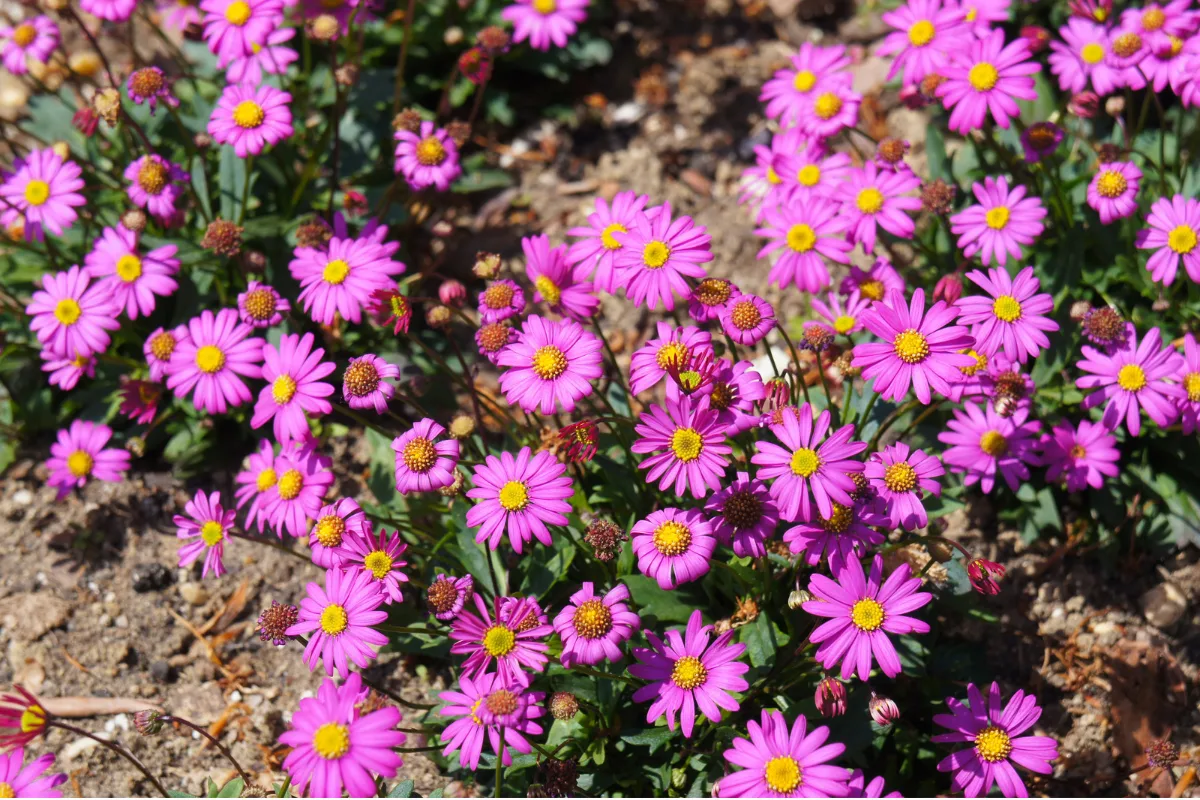
A low native daisy with finely divided foliage and mauve, pink or white flowers. It works along paths, around rocks and at the front of mixed native beds without hiding smaller plants.
- Grows well in
- Subtropical, Temperate, Cool / mountains
- Lifecycle
- Perennial native groundcover
- Light
- Full sun, Part shade
- Mature size
- 15–30 cm high and about 40–80 cm wide
- Spacing
- Space about 30–45 cm apart for a joined low border or carpet.
- Growth habit
- Low spreading perennial daisy.
- Native range
- Queensland, New South Wales and Victoria.
- Natural habitat
- Sclerophyll forest and grassland across inland and coastal districts.
When to plant
Subtropical
March–August
Temperate
March–May
Cool / mountain
September–November
Plant during mild weather while you can provide reliable water for establishment. Autumn or spring suits temperate districts; in warmer subtropical gardens the cooler part of the year is often easier.
Planting
Plant several small plants together when you want a continuous flowering edge, leaving enough room for each clump to broaden. It combines well with tufting grasses and small shrubs because the foliage stays low. Avoid burying the crown under coarse mulch. In humid districts, a little air around each plant is more useful than pushing them together tightly for instant coverage, and a light trim once established will help the plants branch into the gaps.
Position and light
Grow cut-leaf daisy in full sun for the strongest flowering and compact growth. Light shade is useful in very hot districts, especially where afternoon sun reflects from paving or walls.
Soil
It grows in free-draining sandy loam and can also handle improved clay where excess water can move away. Add organic matter to very poor soil, but avoid creating a rich, constantly wet root zone.
Watering
Water regularly while new plants establish. Once the roots are settled, water through long hot or dry periods to keep flowering going and prevent the low foliage from thinning out.
Feeding
Established native groundcovers usually need little feeding. If growth is weak, use a light application of a low-phosphorus fertiliser suitable for Australian natives during active growth.
Pruning
Give the plant a light shear after a major flower flush to encourage fresh branching. Divide or replace older clumps if the centre becomes sparse and woody.
Propagation
Propagate selected forms from cuttings or division so their flower colour and habit stay true. Seed is also possible for the species, although seedlings may vary from named garden forms.
Common problems
Older plants can become open if they are never trimmed. Prolonged waterlogging can cause decline, and slugs or snails may chew soft young growth.
Worth knowing
There are many garden forms and cultivars, so flower colour and spread vary. Cuttings are the safest way to keep a particular selected form true.
Featured In

Grow Cut-leaf daisy with Brancho
Add it to My Garden and Brancho works out what it needs next, timed for your climate.
How it grows around Australia
Growing this too? Share what you've noticed in your garden.
Grow a Little Wild
New plants to try, useful growing tips and a few garden jobs based on what you grow.