



Groundcovers do much more than hide bare soil. They can soften the edge of a path, spill down a bank, grow beneath shrubs and give small insects somewhere to forage and shelter.
The useful part is choosing one that suits the spot. Native violet is brilliant in a sheltered patch with regular moisture, but it is the wrong plant for a baking coastal bank. Pigface is almost the opposite. Creeping boobialla can cover metres of open ground, while kidney weed stays tiny enough to grow between stepping stones.
I’ve picked 12 Australian natives with genuinely different jobs in the garden. Some are wild species and one, Grevillea 'Poorinda Royal Mantle', is a native-derived garden hybrid that is simply too useful as a large groundcover to leave out.
Plants to Explore
1
Creeping boobialla
Myoporum parvifolium
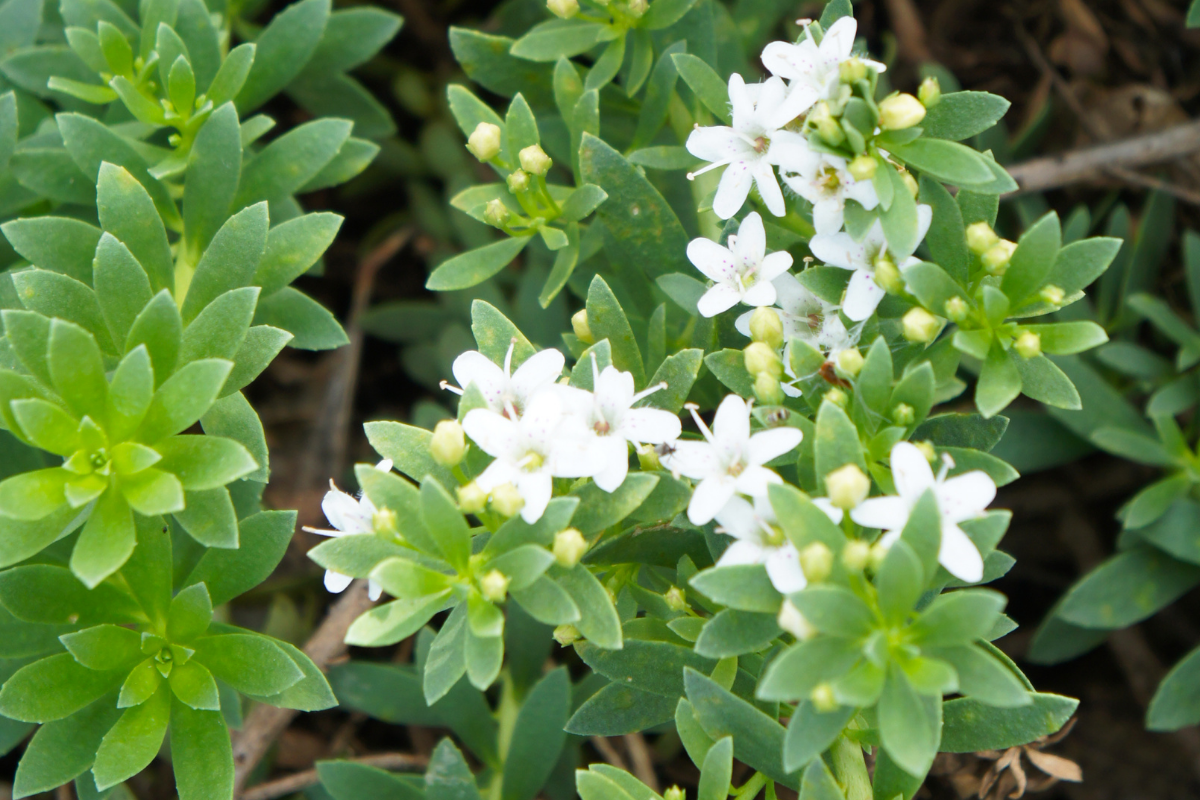
If you have a big sunny bank to cover, creeping boobialla can do a lot of the work. It stays very low but can spread a couple of metres or more, rooting as the stems travel. The little white to pale pink flowers are a bonus, but I’d choose it mainly for that dense green cover. Give it sun and enough room rather than squeezing it into a small border.
Size: 10–20 cm high, 1.5–3 m wide
2
Kidney weed
Dichondra repens
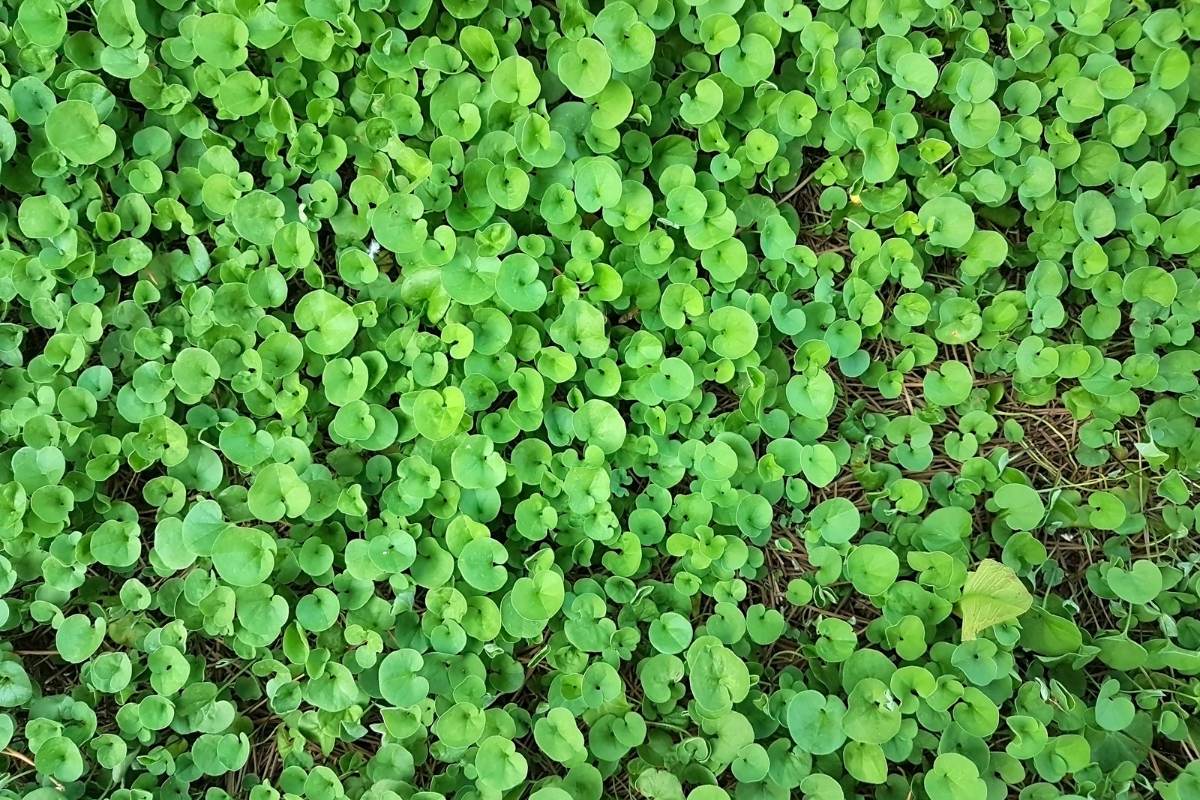
Kidney weed is one of the smallest groundcovers here, with round leaves sitting only a few centimetres above the soil. It works beautifully between stepping stones, under shrubs and anywhere you want a soft green carpet. Part shade and a little moisture suit it best in warm climates. It can take occasional foot traffic, but I wouldn’t use it as a replacement for a busy lawn.
Size: 2–5 cm high, spreading indefinitely
3
Native violet
Viola hederacea
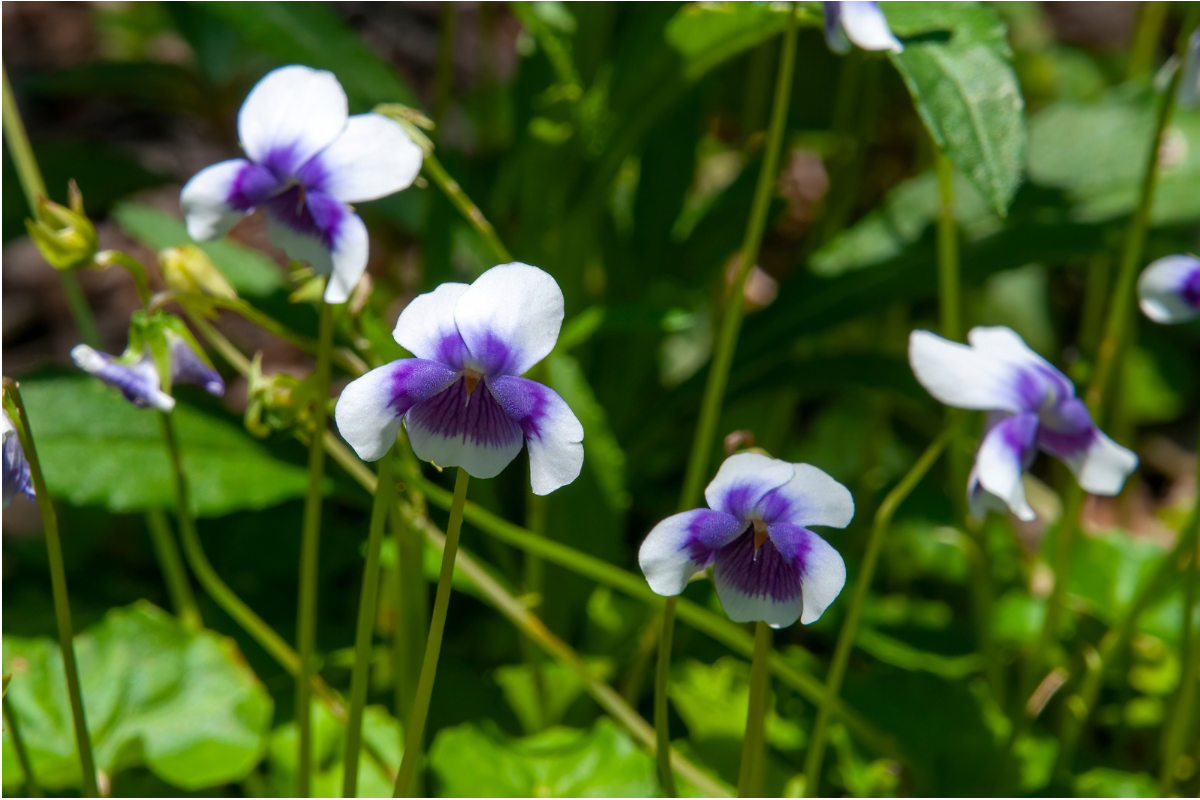
Native violet is my pick for a sheltered shady patch where the soil doesn’t dry out too quickly. The little white and mauve flowers sit above a mat of rounded leaves, and rooted runners gradually fill the gaps around ferns and shrubs. It’s much happier in dappled light than on a hot exposed bank, so save this one for the cooler parts of the garden.
Size: 5–10 cm high, spreading into broad mats
4
Running postman
Kennedia prostrata
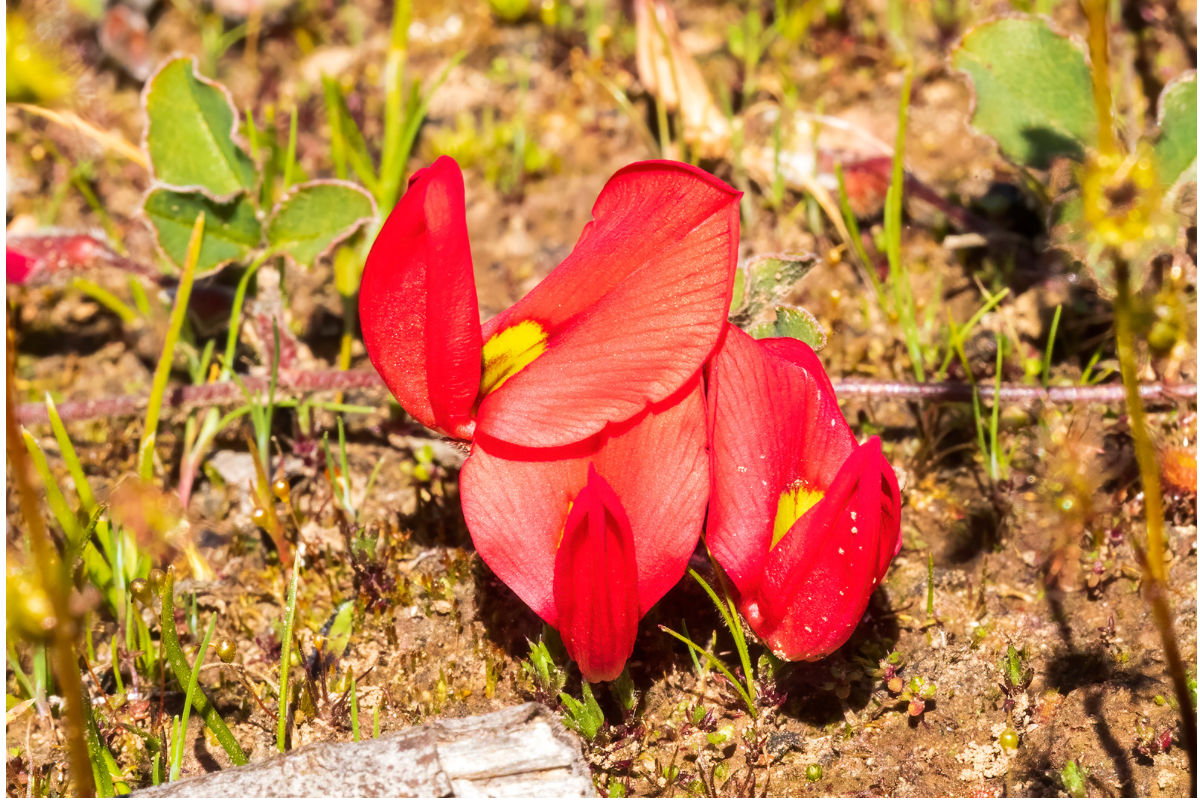
Running postman gives you something very different from a plain green carpet. The stems spread along the ground and the bright scarlet pea flowers stand out beautifully among rocks, grasses and small shrubs. It flowers best with plenty of light and can spread a couple of metres when it’s happy. Keep the area around a young plant fairly open until the stems get moving.
Size: 10–20 cm high, spreading to about 2–2.5 m
5
Fan flower
Scaevola aemula
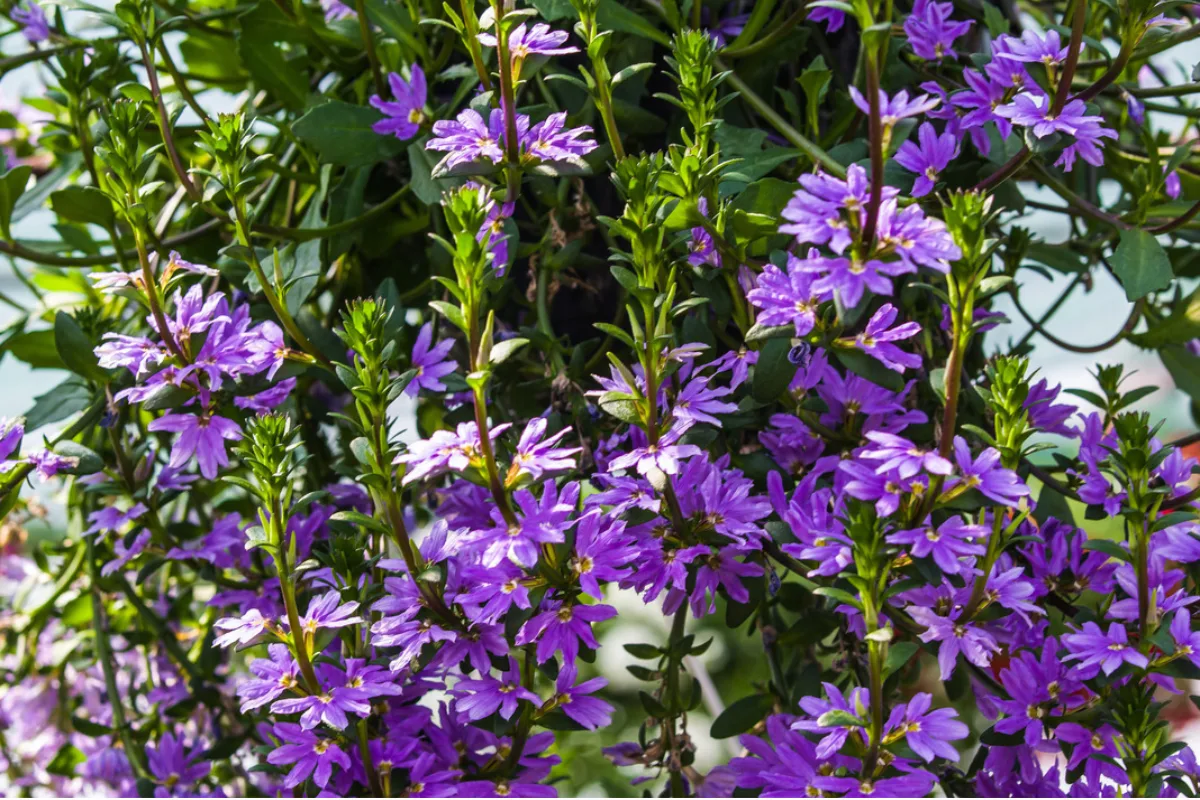
Fan flower is an easy way to bring a long run of mauve, purple, pink or white flowers into the front of a native bed. It stays low, spreads neatly and also works over retaining walls or in hanging pots. Full sun gives you the most flowers, although some afternoon protection can help in very hot districts. Check the cultivar because compact and broad-spreading forms can be quite different.
Size: 15–30 cm high and 50 cm–1 m wide in common garden forms
6
Cut-leaf daisy
Brachyscome multifida
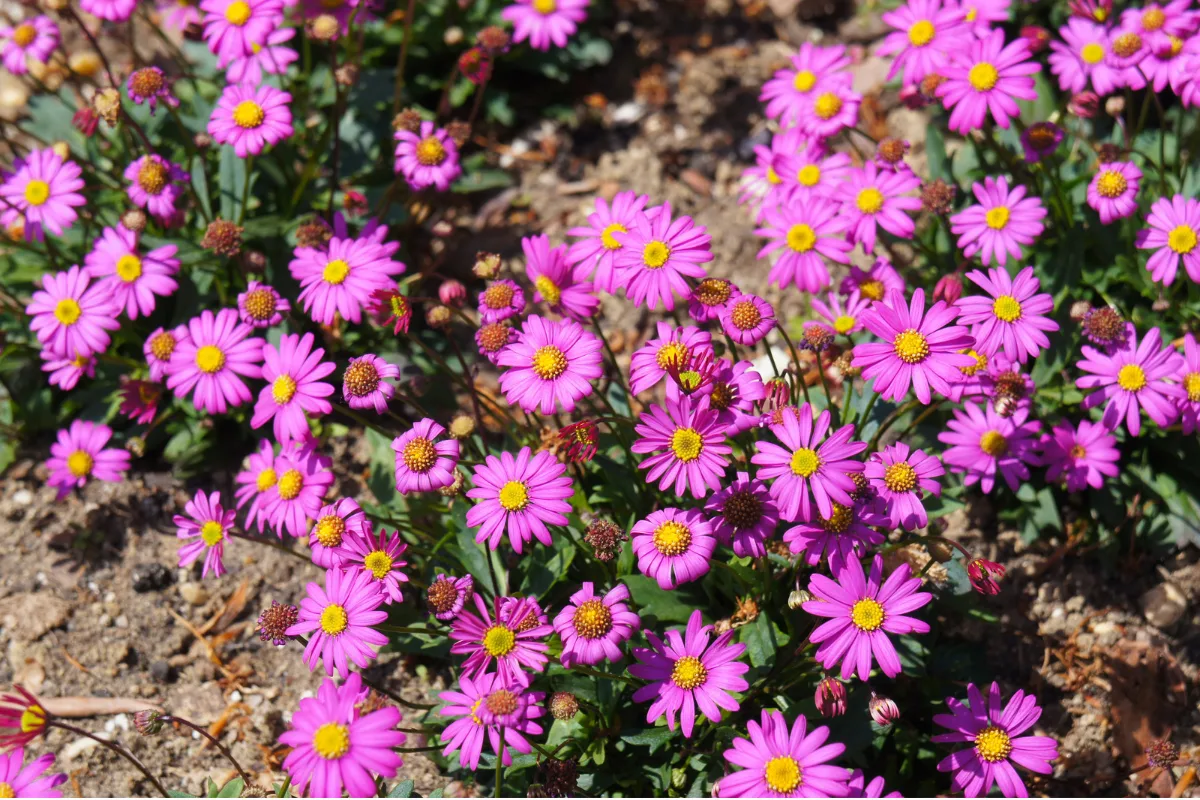
Cut-leaf daisy is lovely along a path or through the front of a mixed planting, where the fine foliage and little daisy flowers soften the edge without taking over. Most garden forms stay around knee height or lower and spread into a loose mound. Give it sun for the best flowering and trim it lightly after a big flush to keep fresh growth coming.
Size: 15–30 cm high and about 40–80 cm wide

Grow a Little Wild
New plants to try, useful growing tips and a few garden jobs based on what you grow.
7
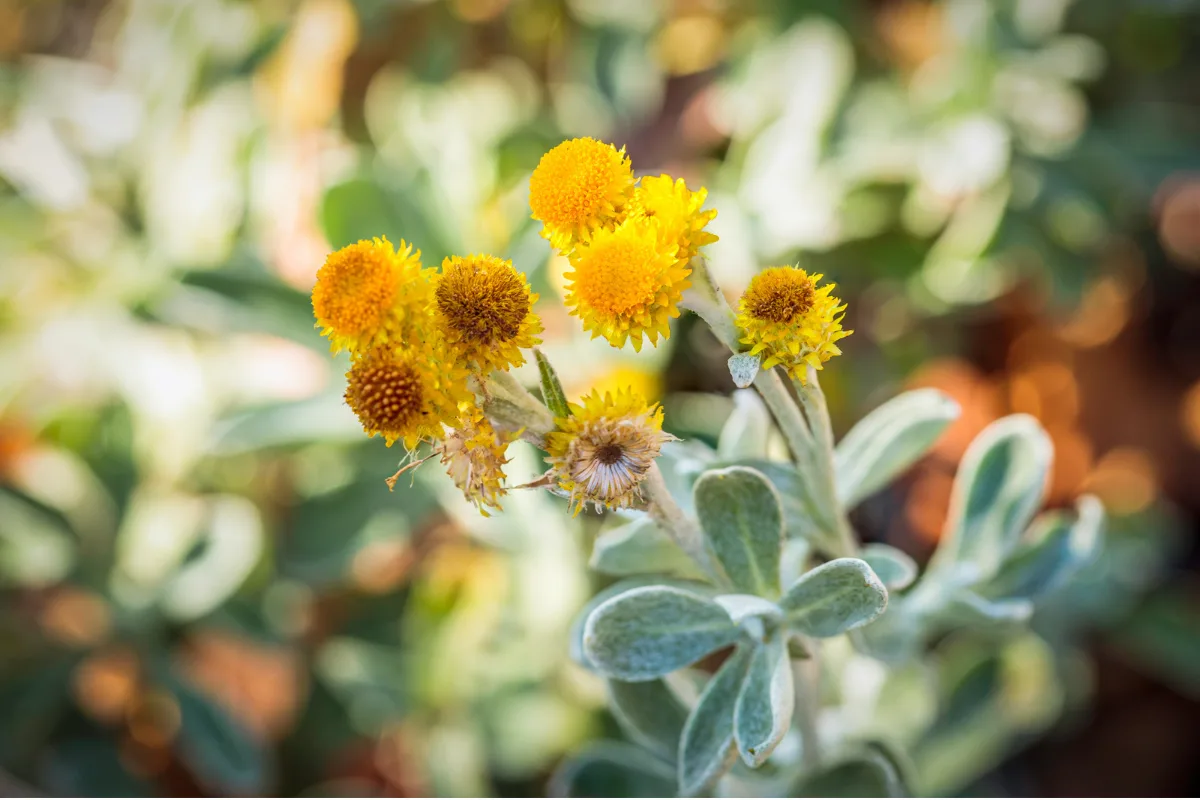
Yellow buttons
Chrysocephalum apiculatum
Yellow buttons brings grey-green foliage and clusters of small golden flowers, and it grows naturally across an enormous part of Australia. The trick is choosing a low form if you want a true groundcover because the species is very variable. In a sunny, well-drained bed, the spreading forms are excellent around rocks and between larger native shrubs.
Size: species 7–60 cm high; low forms commonly 40–80 cm wide
8
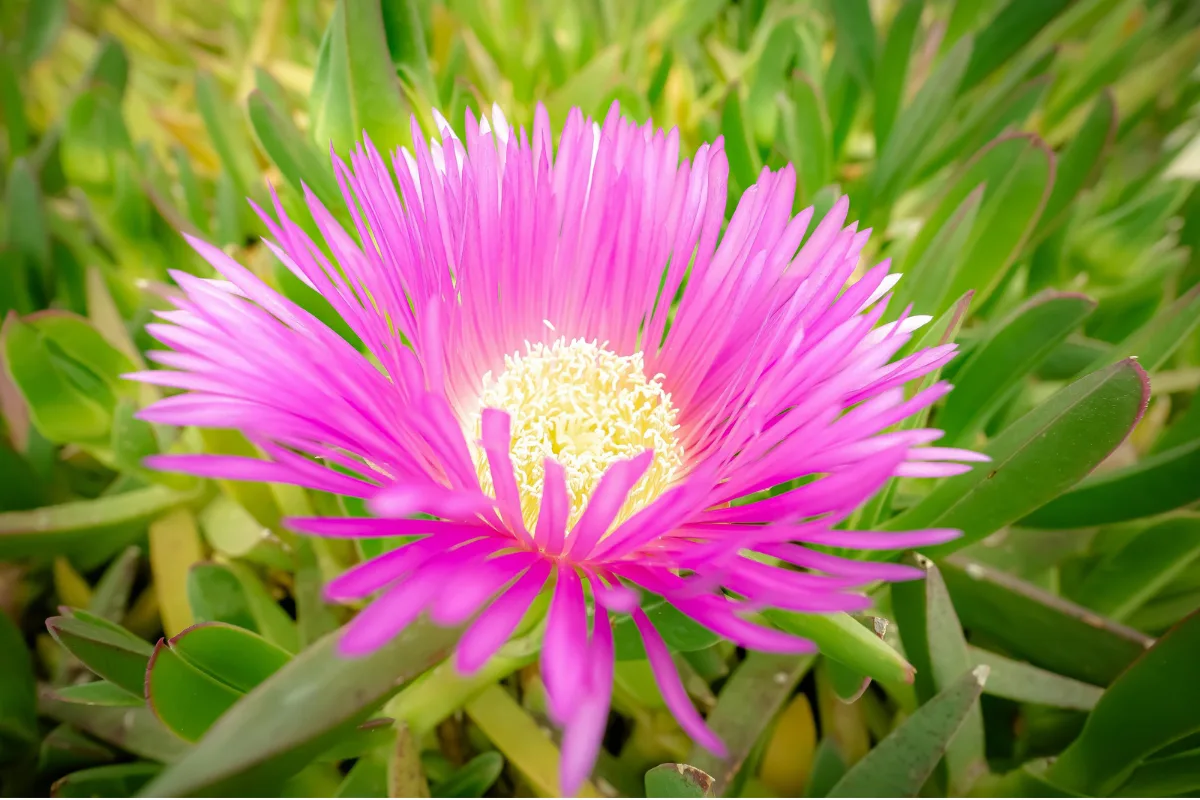
Pigface
Carpobrotus glaucescens
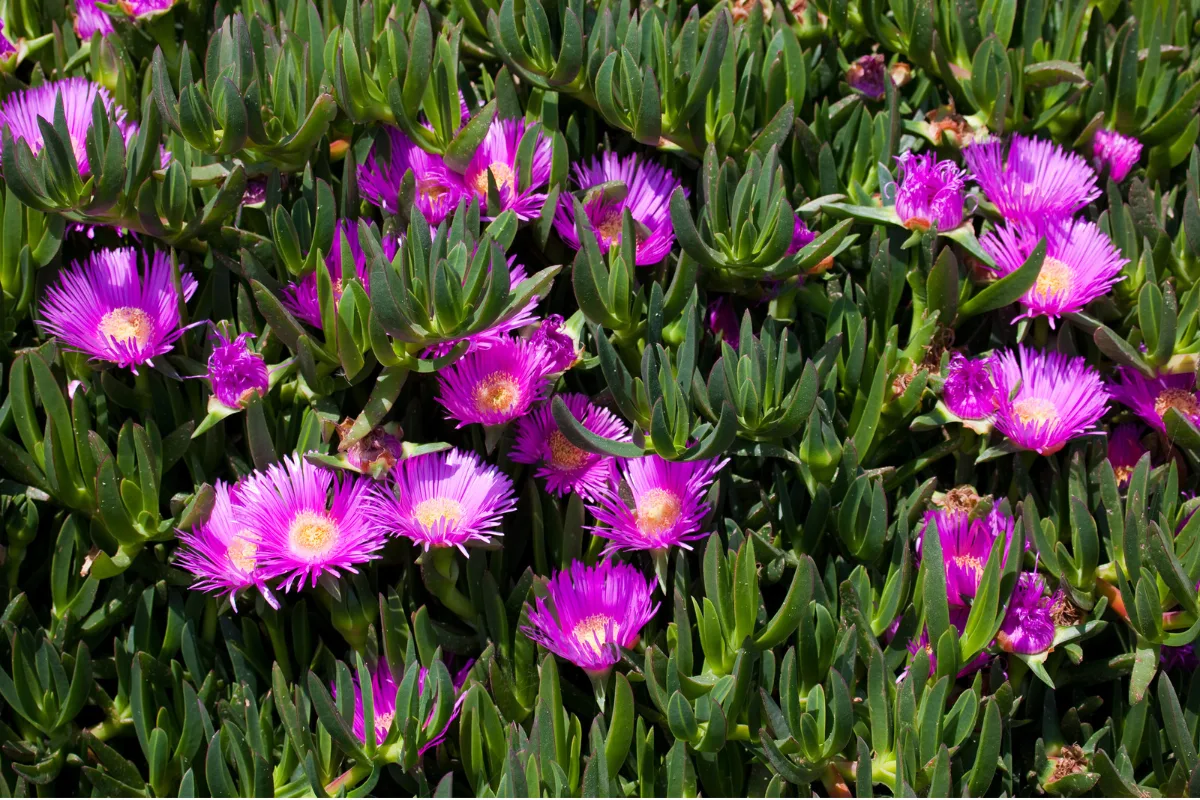
Pigface is hard to go past for a hot coastal bank. The fleshy leaves cope with exposed conditions and the large pink-purple flowers can turn a plain patch of sand or gravel into something spectacular. Give it full sun and sharp drainage, then let the stems spread. This one is Carpobrotus glaucescens, the east-coast Australian native, rather than the introduced South African pigface.
Size: 10–20 cm high with stems to around 2 m
9
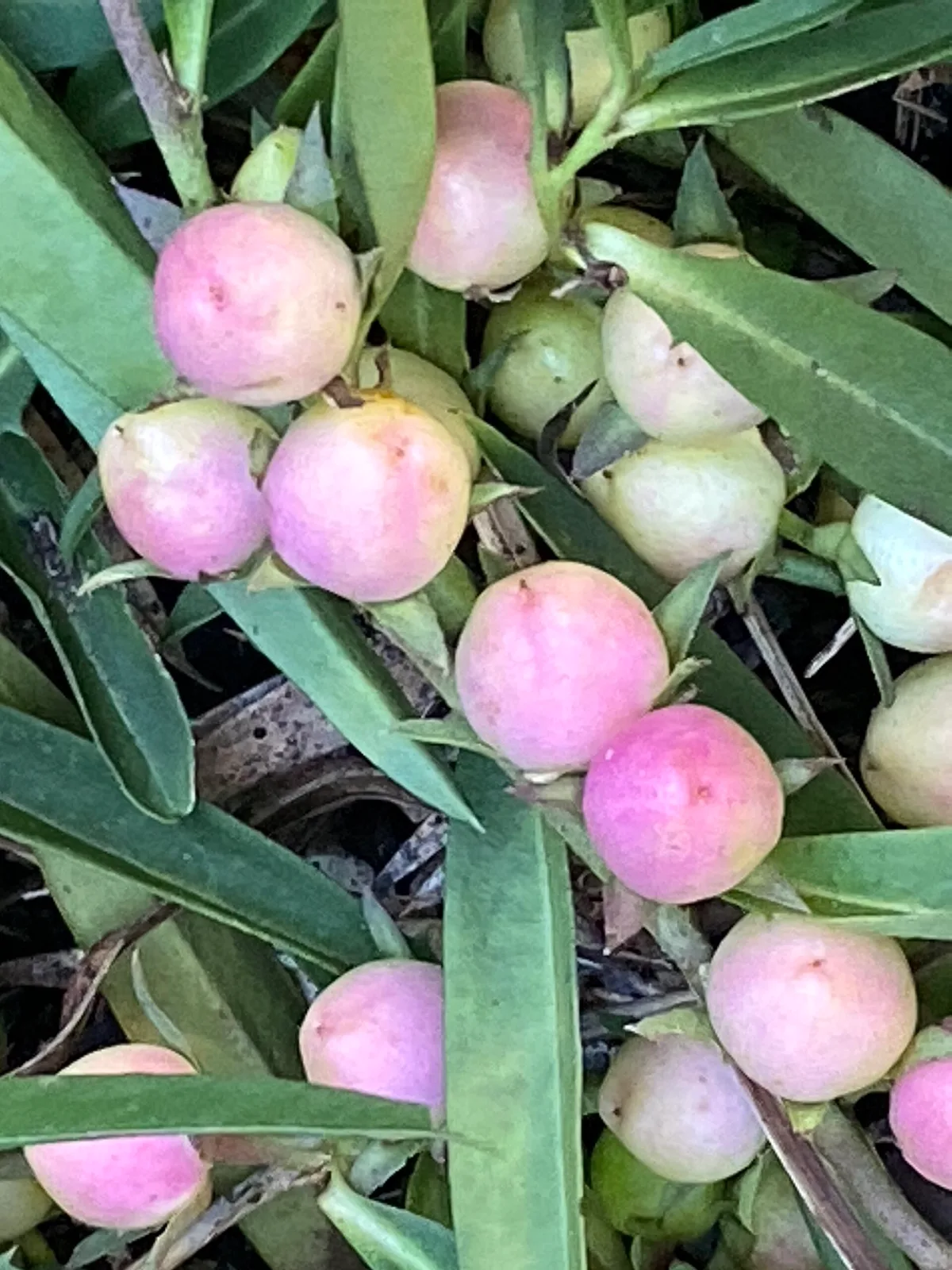
Winter apple
Eremophila debilis
Winter apple makes a quieter ground layer, with glossy green leaves, small pale flowers and creeping stems. I like it for woodland-style planting where a big flowering groundcover would feel too heavy. It takes sun or light shade and prefers a little more moisture than the dry-country look of the name Eremophila might suggest. Let it weave between grasses and small shrubs.
Size: 10–20 cm high, spreading 1 m or more
10
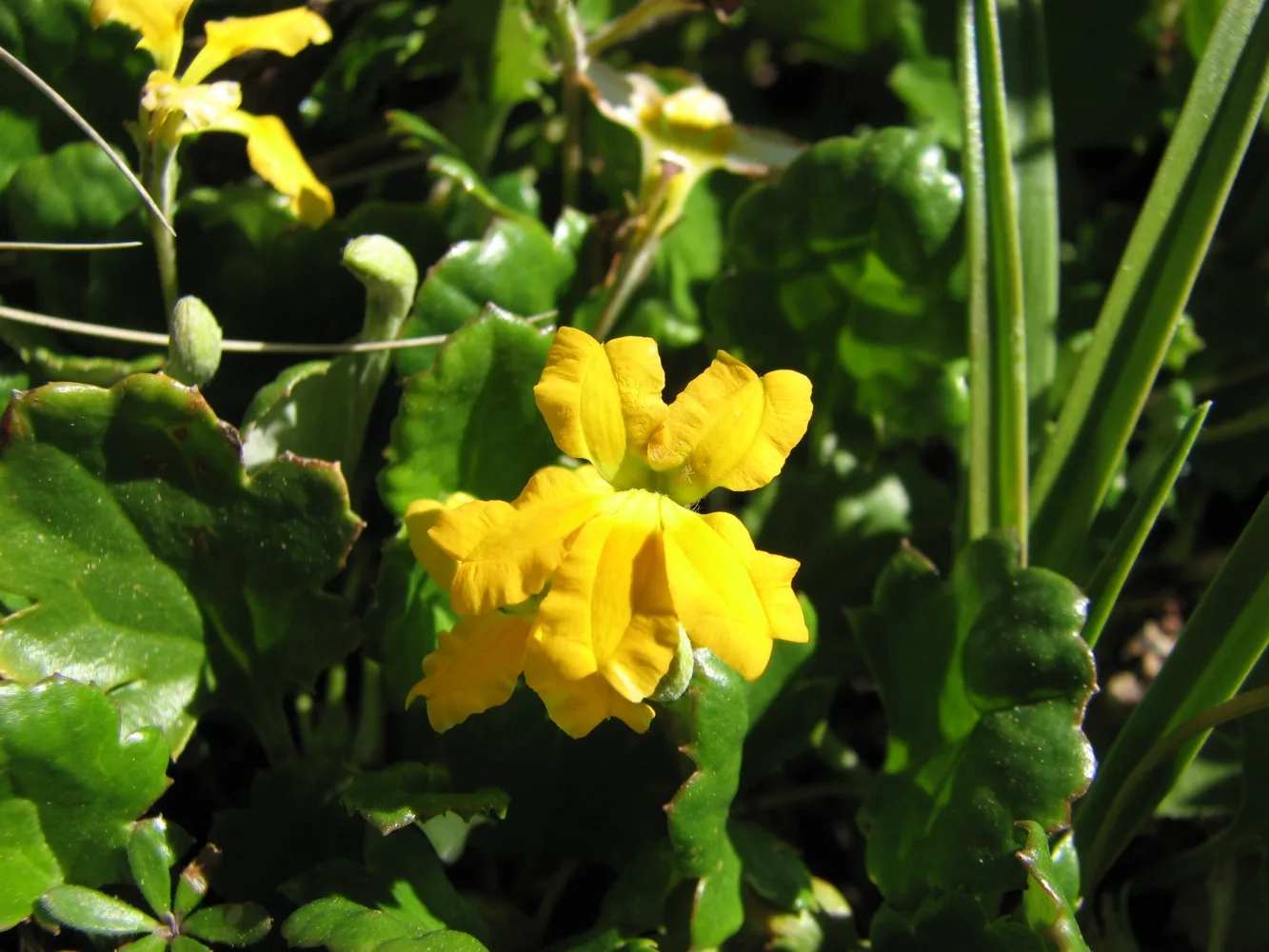
Ivy goodenia
Goodenia hederacea
Ivy goodenia is another good choice for the softer edges of a native garden. The low stems carry rounded leaves and cheerful yellow flowers, and it fits nicely under open shrubs or beside a lightly shaded path. It isn’t trying to smother every centimetre of soil, which makes it easy to mix with native grasses, violets and other small ground-layer plants.
Size: 10–30 cm high, spreading 40–80 cm or more
11
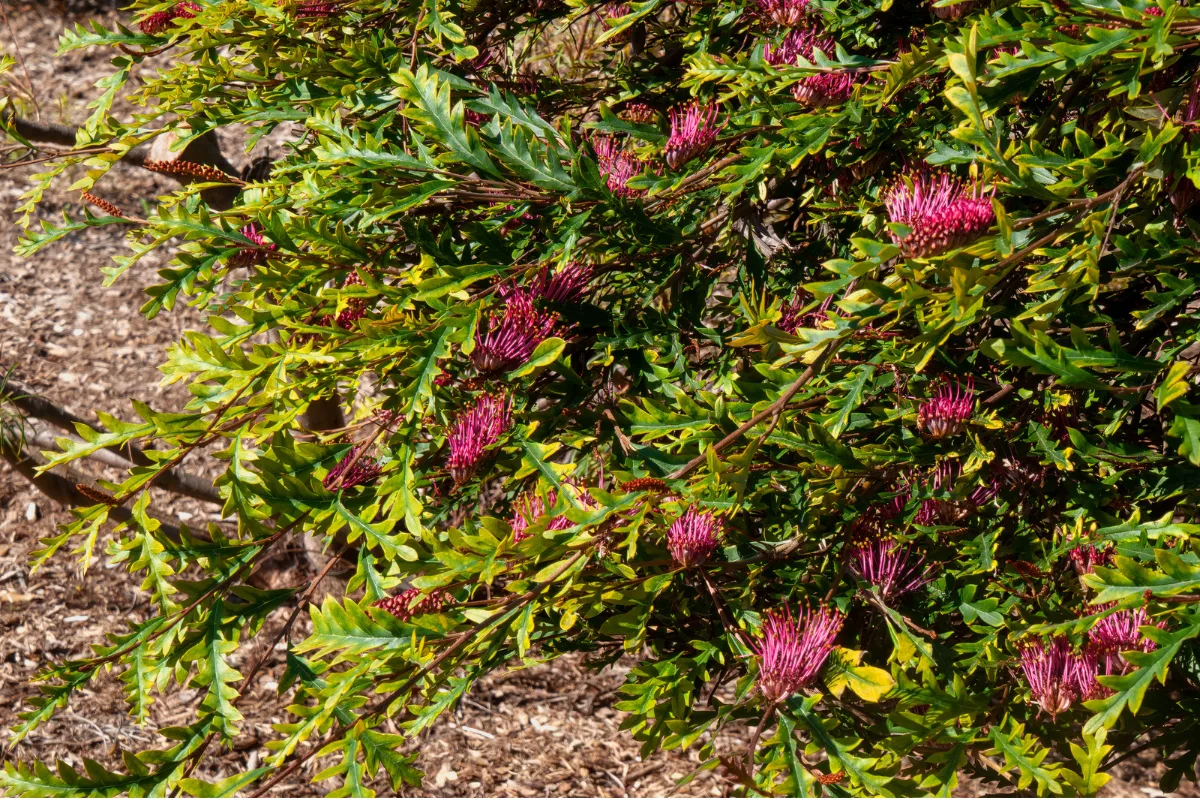
Grevillea 'Poorinda Royal Mantle'
Grevillea 'Poorinda Royal Mantle'
This is the one for a genuinely large area. ‘Poorinda Royal Mantle’ can spread more than three metres across a bank, with long prostrate branches and red toothbrush flowers. It’s a cultivated Australian grevillea hybrid rather than a wild species, but the growth habit is so useful that I think it belongs here. Give it room from the start because constant edge-pruning defeats the point.
Size: 20–40 cm high and 2–3 m or more wide
12
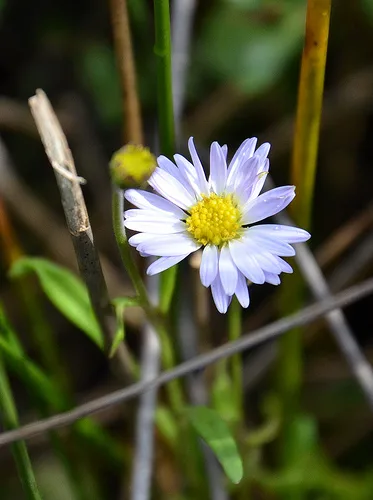
Grass daisy
Brachyscome graminea
Grass daisy gives you narrow foliage, little mauve flowers and a spreading habit that suits the front of a native bed. It likes a bit more moisture than pigface or a big prostrate grevillea, and dappled shade can be useful in hot districts. Rooted stolons are easy to divide and move, so an established patch can gradually be extended through the garden.
Size: 10–30 cm high and 40–80 cm or more wide

Choosing a Native Groundcover
Start with the conditions you already have rather than the flower colour.
- For hot sun and coastal exposure: pigface is the obvious starting point. Creeping boobialla also likes plenty of light and can cover a much larger area.
- For shade: native violet suits sheltered, moist ground, while kidney weed handles part shade and can creep between pavers or through lightly used areas.
- For flowers: running postman, fan flower, cut-leaf daisy and yellow buttons all bring much more colour than a plain green mat.
- For a big bank: check the mature spread before buying a tray of plants. One 'Poorinda Royal Mantle' can eventually cover several metres.
- For a mixed ground layer: ivy goodenia, winter apple and grass daisy are easy to weave between grasses, ferns and small shrubs instead of planting one solid carpet.
Groundcovers still need weeding while they establish. Give each plant enough room for its mature spread, keep the soil around young plants clear, and let the stems or stolons fill the gaps at their own pace.
The best result usually comes from mixing a few groundcovers that suit the different pockets in your garden rather than asking one plant to cope with sun, shade, wet soil and a dry bank all at once.