
Plant profile
Avocado
Persea americana
Avocados need very good drainage, regular moisture and protection from root rot. Feeding and pruning should be light and matched to the tree's growth.
- Grows well in
- Tropical, Subtropical, Temperate, Mediterranean
- Lifecycle
- Evergreen perennial fruit tree
- Light
- Full sun
- Mature size
- Unpruned avocado trees can reach roughly 8–12 m or more, with a broad canopy; grafted and dwarf varieties can be kept considerably smaller.
- Spacing
- Allow about 5–8 m between ordinary backyard trees, depending on variety and how heavily you plan to prune.
- Growth habit
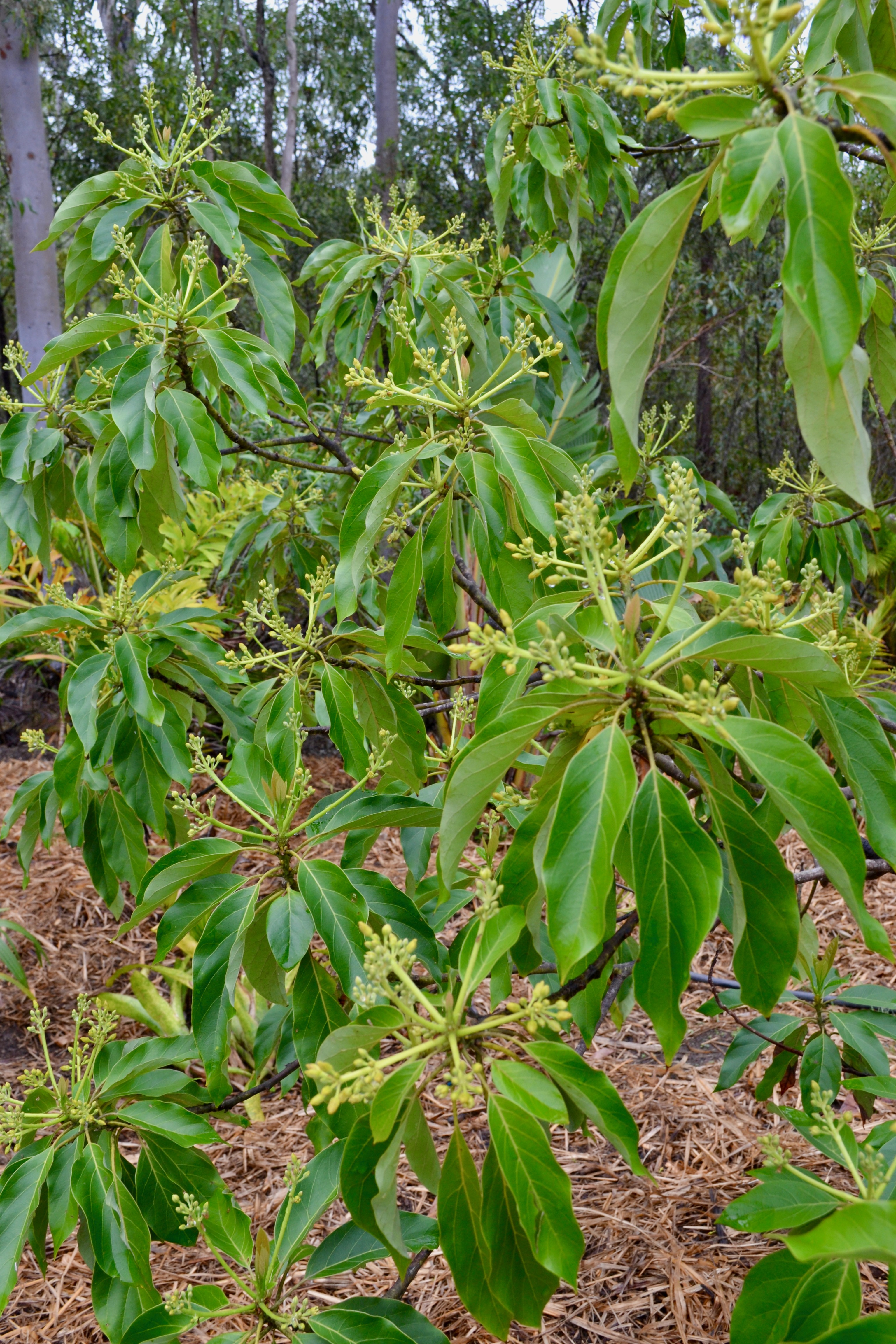
- Evergreen, broad-canopied fruit tree with vigorous flushes of new growth.
- Native range
- Central Mexico to Costa Rica
- Natural habitat
- Seasonally dry tropical forest and woodland.
When to plant
Plant during warm, mild weather when the tree can establish without frost or prolonged cold. In the tropics and warm subtropics, avoid planting immediately before the harshest hot, dry period unless you can water reliably.
Planting
Choose a grafted tree and a site with deep, free-draining soil. In frost-prone areas plant in spring; in warmer areas autumn can be easier because the tree avoids extreme summer heat while establishing. Plant on a mound where drainage is doubtful.
Position and light
Full sun is best for mature trees. Young trees can benefit from protection from strong wind, frost and harsh sun while establishing.
Soil
Drainage is critical. Avocados are highly susceptible to Phytophthora root rot in poorly drained soil. A slightly acidic soil is suitable, and mounding can help in high-rainfall sites.
Watering
Keep the root zone evenly moist but not waterlogged. Avocados have many shallow feeder roots, so long dry periods and saturated soil can both cause trouble.
Feeding
Use light, split fertiliser applications rather than large doses. Young newly planted trees should not be heavily fertilised. Nutrition needs vary with soil, tree size and crop load.
Pruning
Prune mainly to manage size, light and access. Major pruning is usually best after harvest, in autumn or winter, while avoiding periods just before very hot weather.
Harvest
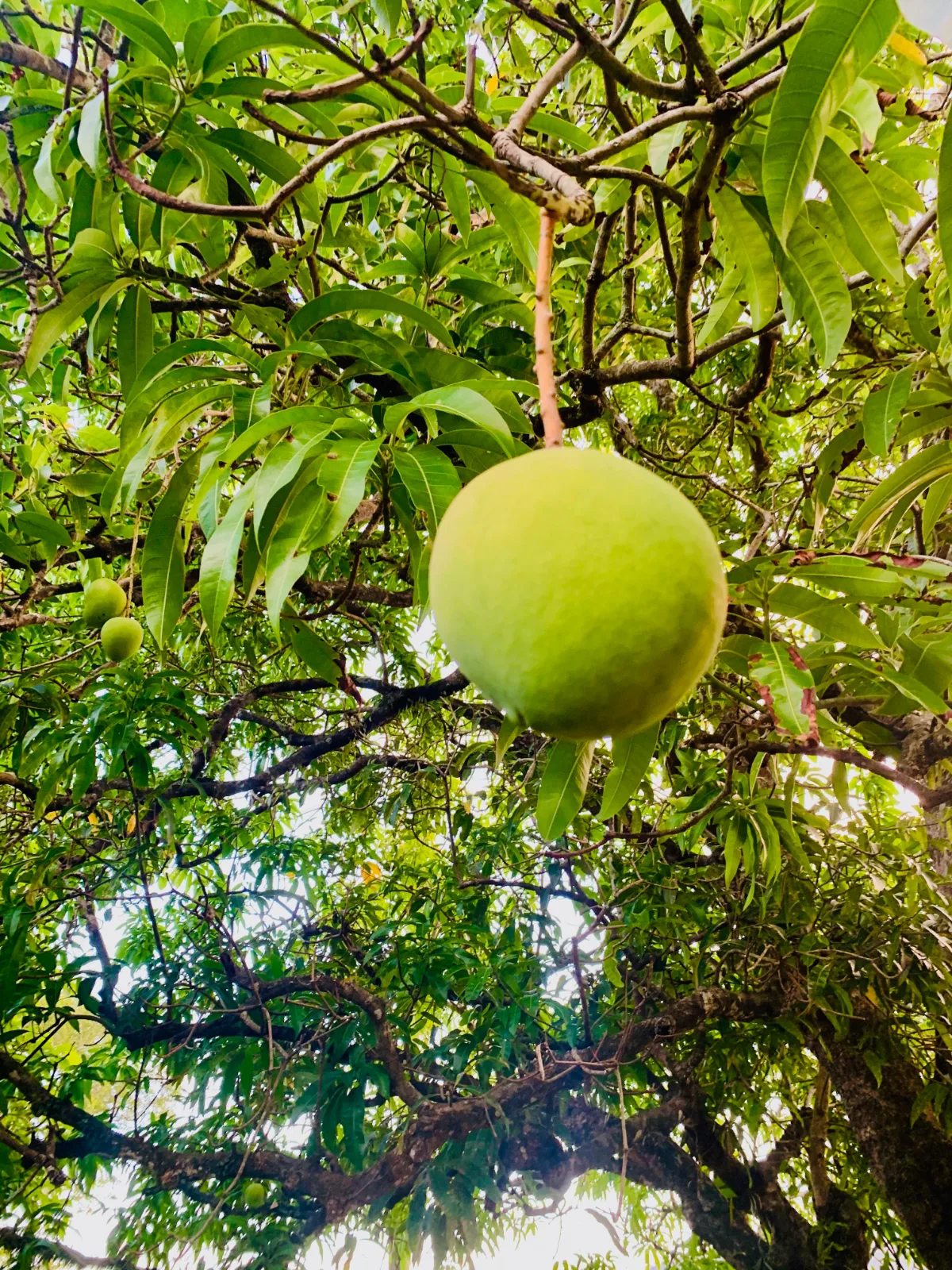
Fruit maturity varies greatly by variety and district. Avocados do not soften properly on the tree; pick mature fruit and allow it to ripen indoors. If unsure, pick one and test how it ripens.
Propagation
Named cultivars are grafted onto selected rootstocks. Seedlings are variable and may take many years to fruit.
Common problems
Phytophthora root rot is the main concern, especially in poorly drained sites. Sunburn, fruit rots, nutrient problems and mites or scale can also occur.
Safety notes
Avocado leaves, bark, seeds and fruit contain persin, which can be harmful to some animals, particularly livestock and birds.
Worth knowing
A single avocado tree can produce fruit, but having compatible A- and B-type flowering varieties nearby can improve pollination and fruit set in some conditions.
Featured In
Grow Avocado with Brancho
Add it to My Garden and Brancho works out what it needs next, timed for your climate.
How it grows around Australia
Growing this too? Share what you've noticed in your garden.
Grow a Little Wild
New plants to try, useful growing tips and a few garden jobs based on what you grow.