

Plant profile
Barleria
Barleria obtusa
Also known as Bush violet, Purple barleria, Purple Gem barleria, Purple Dazzler barleria.
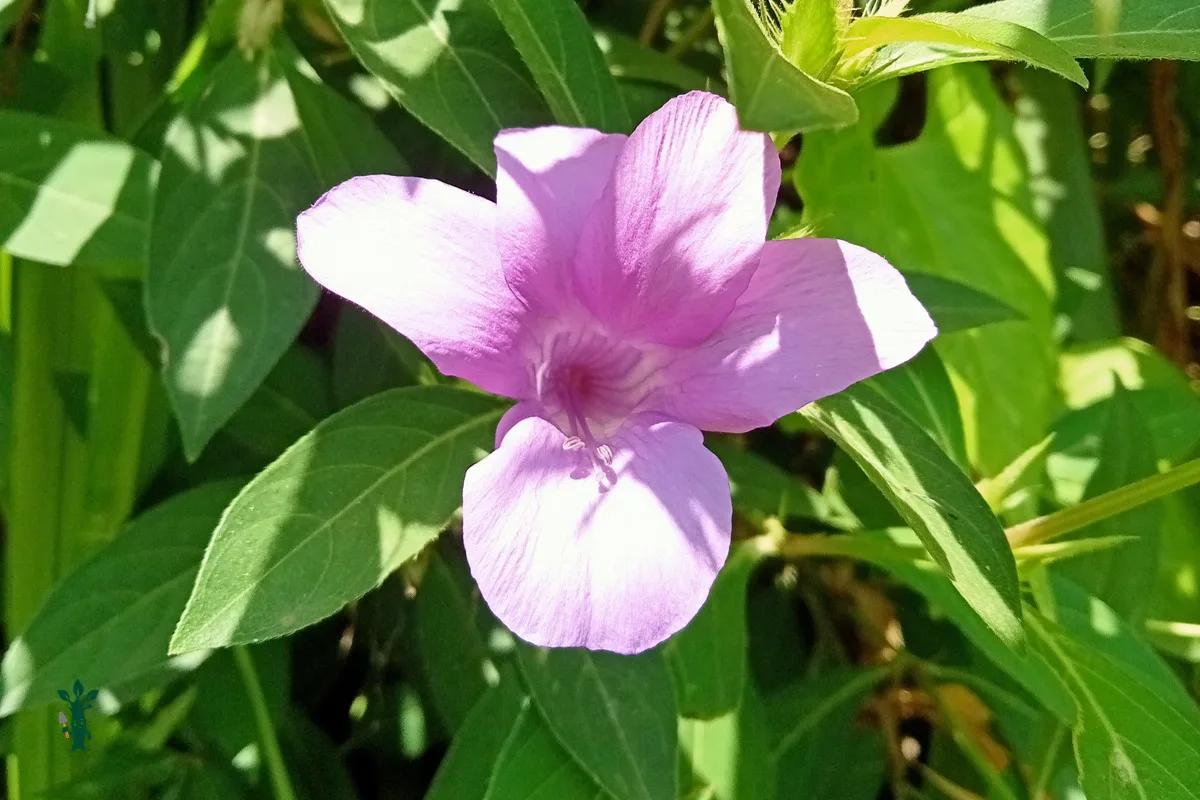
Barleria obtusa is a spreading warm-climate shrub grown for its purple flowers through the cooler part of the year. It handles sun or part shade, responds well to pruning and can be kept as a rounded shrub rather than allowed to sprawl.
- Grows well in
- Tropical, Subtropical, Temperate
- Lifecycle
- Evergreen to semi-evergreen flowering shrub
- Light
- Full sun, Part shade
- Mature size
- Usually 0.8–1.5 m high and 1–2 m wide
- Spacing
- About 1–1.5 m apart
- Growth habit
- Soft-wooded spreading shrub with arching stems
- Native range
- Mozambique to southern Africa
- Natural habitat
- Subtropical woodland, scrub and forest-edge habitats.
When to plant
Tropical
February–May, September–November
Subtropical
March–May, September–November
Temperate
September–November
Mediterranean
September–November
Tropical and subtropical: plant during warm weather with reliable moisture. Temperate: spring after frost risk.
Planting
Plant into free-draining soil and water regularly while establishing. Allow enough width for the naturally spreading habit.
Position and light
Full sun to part shade. More sun usually gives denser growth and heavier flowering where summers are not extreme.
Soil
Adaptable to many free-draining garden soils. Compost helps on very sandy or poor ground.
Watering
Water regularly while young. Once established, water deeply when the root zone has dried rather than giving frequent shallow watering. Plants handle some dry weather, but flowering and recovery after pruning are better when moisture is available.
Feeding
A light balanced feed in spring is usually enough. Avoid heavy nitrogen that produces soft growth at the expense of flowers.
Pruning
Prune after flowering to keep the shrub compact and remove long shoots. Tip-pruning young growth makes a denser plant.
Propagation
Stem cuttings are straightforward and are the best way to keep a named form true to type. Take healthy non-flowering shoots during warm growth, remove the lower leaves and root them in a free-draining propagation mix.
Common problems
Scale or mealybugs may occur on stressed or crowded plants. The more common garden problem is an open, sprawling shape when old stems are never shortened. Pruning after flowering encourages fresh branching and a denser plant.
Worth knowing
Barleria obtusa is grown mainly for its purple flowers through autumn and winter, when many warm-climate shrubs are between flowering flushes. Bees visit the flowers heavily. Named forms differ mostly in flower size and plant habit, and the blooms are usually mauve to purple rather than a true blue.
Grow Barleria with Brancho
Add it to My Garden and Brancho works out what it needs next, timed for your climate.
How it grows around Australia
Growing this too? Share what you've noticed in your garden.
Grow a Little Wild
New plants to try, useful growing tips and a few garden jobs based on what you grow.