
Plant profile
Wampee
Clausena lansium
Also known as Wampi, Wampee fruit.
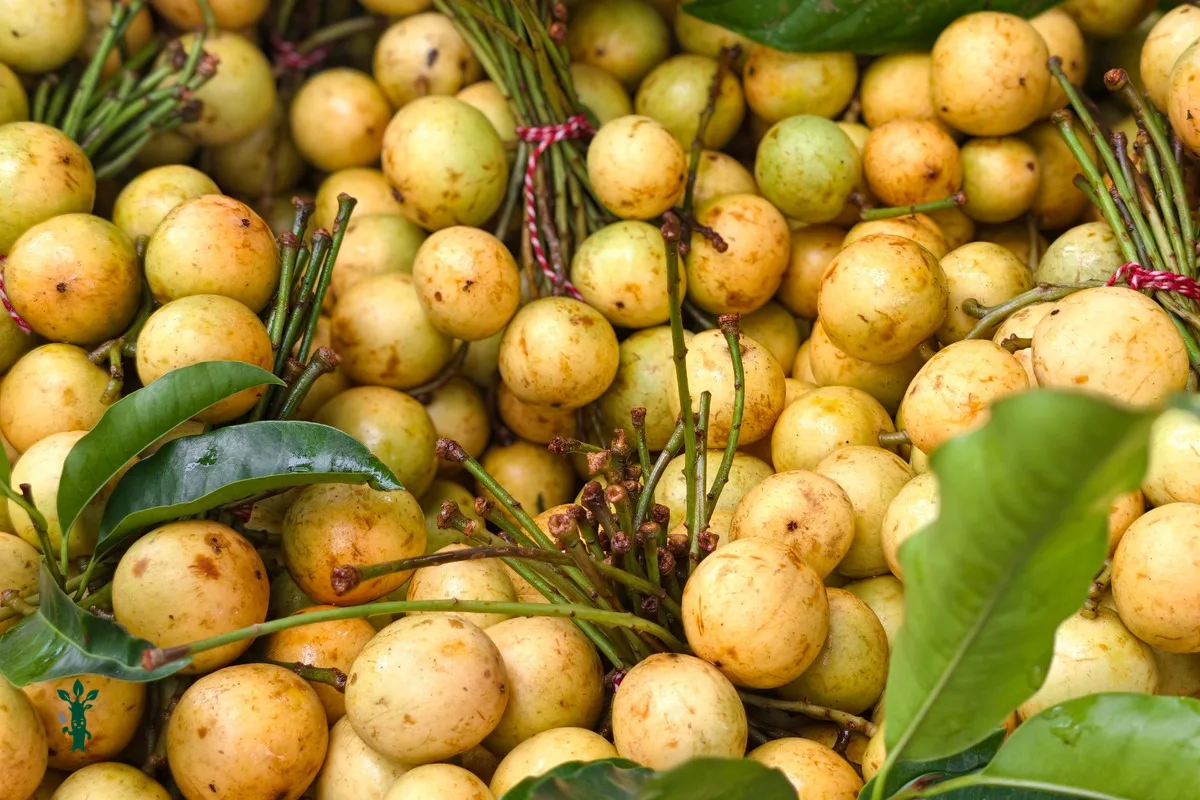
Wampee is a handsome citrus relative with glossy compound leaves and bunches of small yellow fruit that range from tangy to sweet depending on the cultivar. It suits subtropical gardens particularly well, stays smaller than many tropical fruit trees and is an excellent choice if you enjoy unusual fruit that is good eaten freshly picked.
- Grows well in
- Tropical, Subtropical, Temperate
- Lifecycle
- Evergreen subtropical fruit tree
- Light
- Full sun, Part shade
- Mature size
- Usually 4–8 m high and 3–5 m wide in gardens; can be kept smaller with light pruning
- Spacing
- Allow about 4–5 m between orchard trees, depending on pruning
- Growth habit
- Evergreen, low-branched small tree with flexible upright branches and dense glossy foliage
- Native range
- North-eastern Bangladesh through southern China to Indo-China.
- Natural habitat
- Wet tropical forest biome in its native range; long cultivated as a fruit tree in subtropical and tropical Asia.
When to plant
Subtropical and warm temperate: spring is the easiest planting time. Tropical: plant in a warm period with reliable moisture. Established trees tolerate brief light frost better than many tropical fruit trees, but young growth still needs protection.
Planting
Plant a grafted or otherwise selected tree into a sunny, well-drained position with regular moisture. Wampee is naturally fairly upright and can fit into a smaller orchard more easily than mango or jackfruit. Mulch broadly, keep mulch clear of the trunk and protect a young tree from severe frost.
Position and light
Full sun gives the best flowering and fruit quality. Light part shade is tolerated, but a heavily shaded tree will be less productive. The flexible branches cope reasonably well with ordinary garden wind, though strong exposure can still damage new growth.
Soil
Rich loam with good drainage is ideal, but wampee adapts to other free-draining soils. Slightly acidic to neutral conditions suit it well. On alkaline soil, watch for interveinal yellowing that may indicate iron or other micronutrient problems.
Watering
Keep moisture fairly even, especially while the tree is establishing and while fruit is developing. Wampee is not a tree I would choose for a dry corner that receives no supplementary water. Mulch helps keep the shallow feeder roots cooler and reduces moisture swings.
Feeding
Feed much like citrus: compost plus a balanced fruit-tree or citrus fertiliser during active growth. Use smaller regular feeds on sandy soil rather than one heavy dose, and include trace elements if the foliage shows a genuine deficiency.
Pruning
Prune lightly. Wampee carries flower and fruit clusters near branch tips, so repeated hard clipping can remove the wood that would have cropped. After harvest, remove awkward, crossing or overly long branches if you need to keep the tree compact.
Harvest
Leave the fruit to colour well on the tree for the best flavour. Ripe fruit is yellow to yellow-brown, with juicy translucent flesh around one or more green seeds. Better cultivars are sweeter and have a higher flesh-to-seed ratio than random seedlings. Fruit is good fresh and can also be used for preserves and drinks.
Propagation
Fresh seed germinates, but seedling fruit is variable and may be sour or very seedy. Choose a grafted, cutting-grown or otherwise known cultivar if fruit quality matters. Wampee can also be propagated by air layering and grafting.
Common problems
Aphids, scale and sooty mould may appear on soft growth. Fruit can also be taken by birds. Dense trees are usually trouble-free if they have good airflow, balanced feeding and enough water.
Safety notes
The juicy flesh is eaten; discard the seeds. There are no special preparation requirements for the ripe fruit.
Worth knowing
Wampee is in the citrus family, Rutaceae, but the fruit is grape-sized and borne in large clusters. Cultivar choice matters because seedlings vary greatly in sweetness, acidity and seed number. 'Yeem Pay' and 'Guy Sam' are names seen in Australian collections.
Featured In
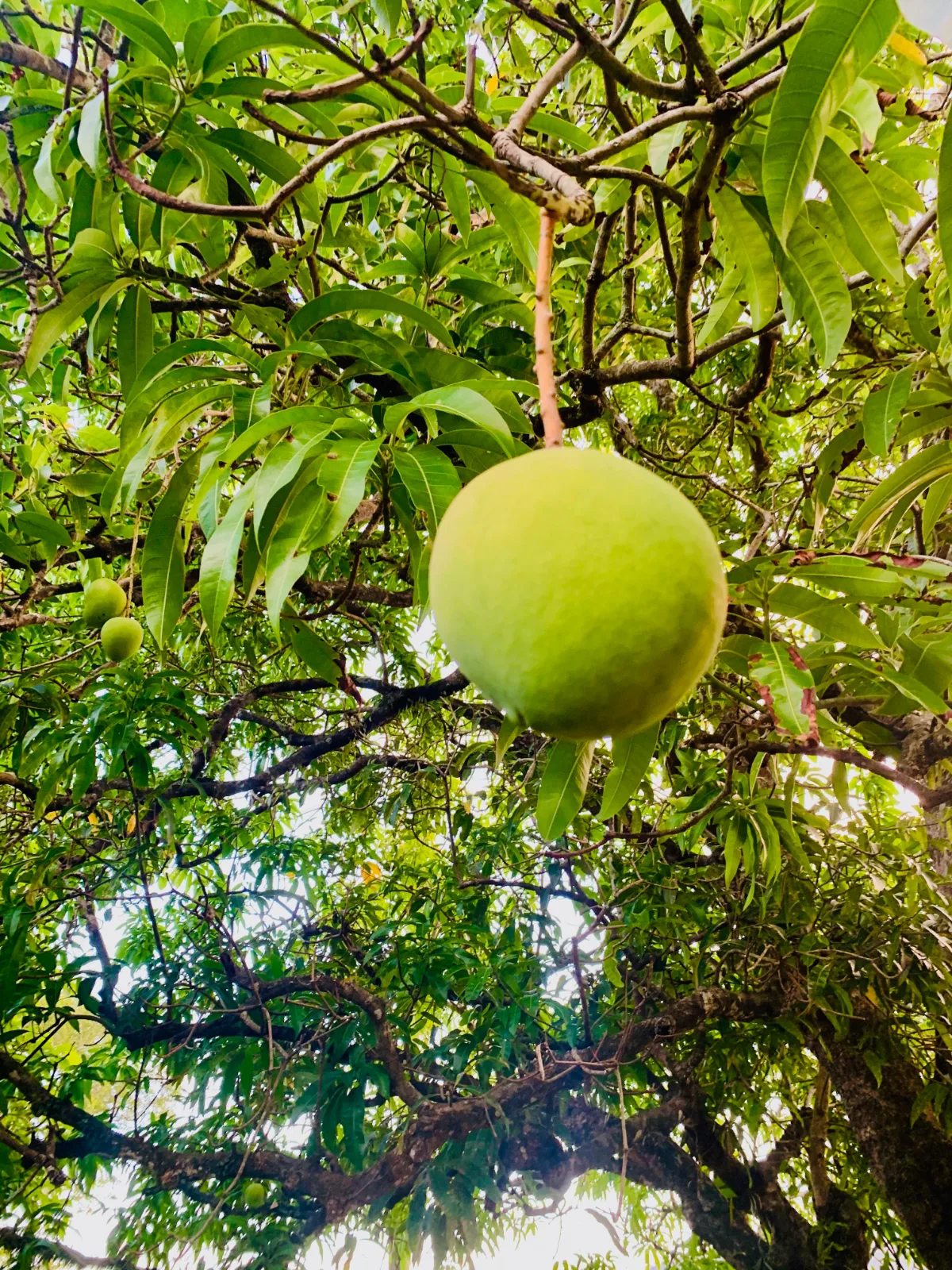

Grow Wampee with Brancho
Add it to My Garden and Brancho works out what it needs next, timed for your climate.
How it grows around Australia
Growing this too? Share what you've noticed in your garden.
Grow a Little Wild
New plants to try, useful growing tips and a few garden jobs based on what you grow.