
Plant profile
Elephant garlic
Allium ampeloprasum
Also known as elephant garlic plant, giant garlic, Allium ampeloprasum.
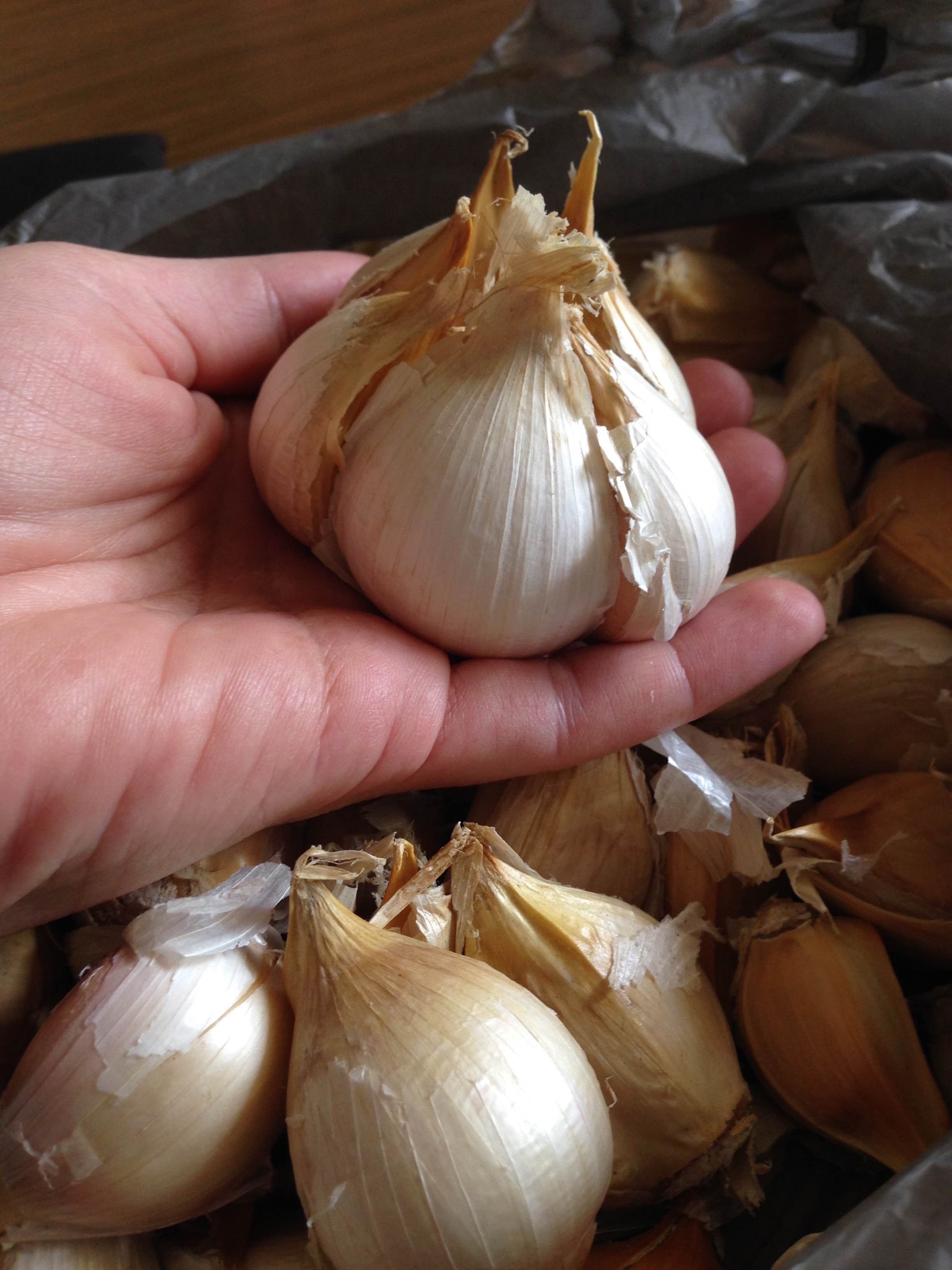
Elephant garlic grows huge mild cloves, but botanically it sits much closer to a leek than true garlic. You plant the cloves much like garlic, then give the bigger plant more room to build its bulb.
- Grows well in
- Tropical, Subtropical, Temperate, Cool / mountains, Arid / inland, Mediterranean
- Lifecycle
- Perennial allium usually grown as an annual bulb crop
- Light
- Full sun
- Mature size
- Leaves and flower stems can reach around 1–2 m; bulbs are much larger than true garlic.
- Spacing
- About 15–20 cm between plants, with wider rows for airflow and access.
- Growth habit
- Large leek-like allium forming a bulb made of a few very large mild cloves.
- Native range
- Atlantic islands west of Europe and North Africa through the Mediterranean to Central Asia
- Natural habitat
- Temperate and Mediterranean grassland, rocky slopes and open ground.
When to plant
Tropical
March–May
Subtropical
March–May
Temperate
March–May
Cool / mountain
March–May
Arid inland
March–May
Mediterranean
March–May
Autumn is the main planting period. Gardening Australia notes it can be a useful option in warmer parts of the country; local performance still varies.
Planting
Separate healthy bulbs close to planting time and use the largest cloves. Plant point-up in loose, weed-free soil with about 15–20 cm between plants.
Position and light
Full sun with good airflow.
Soil
Loose, fertile, well-drained soil with compost. Avoid fresh manure and waterlogged ground around the bulb.
Watering
Keep the soil evenly moist during leaf growth, then reduce watering as foliage yellows and bulbs mature.
Feeding
Feed lightly during strong leaf growth if the bed needs it. Stop pushing nitrogen once bulbs start swelling.
Pruning
No routine pruning is needed. Flower stalks can be removed if you want to direct growth back to the bulb, or left if you value the flowers.
Harvest
Lift when lower foliage has yellowed and bulbs are fully formed but wrappers are still intact. Cure in a dry shaded airy place before storage.
Propagation
Replant healthy cloves or the small cormlets that can form around the bulb. Large cloves make the strongest crop.
Common problems
Bulb rot, allium rust, thrips and small bulbs from crowding or poor timing can occur. Wet soil near maturity causes the most preventable losses.
Safety notes
Elephant garlic is an Allium and should be kept away from dogs and cats that may chew bulbs or foliage.
Worth knowing
Despite the name, elephant garlic is not true garlic (Allium sativum). That difference is enough to justify its own Brancho profile and timing rather than hiding it under ordinary garlic.
Grow Elephant garlic with Brancho
Add it to My Garden and Brancho works out what it needs next, timed for your climate.
How it grows around Australia
Growing this too? Share what you've noticed in your garden.
Grow a Little Wild
New plants to try, useful growing tips and a few garden jobs based on what you grow.