


Plant profile
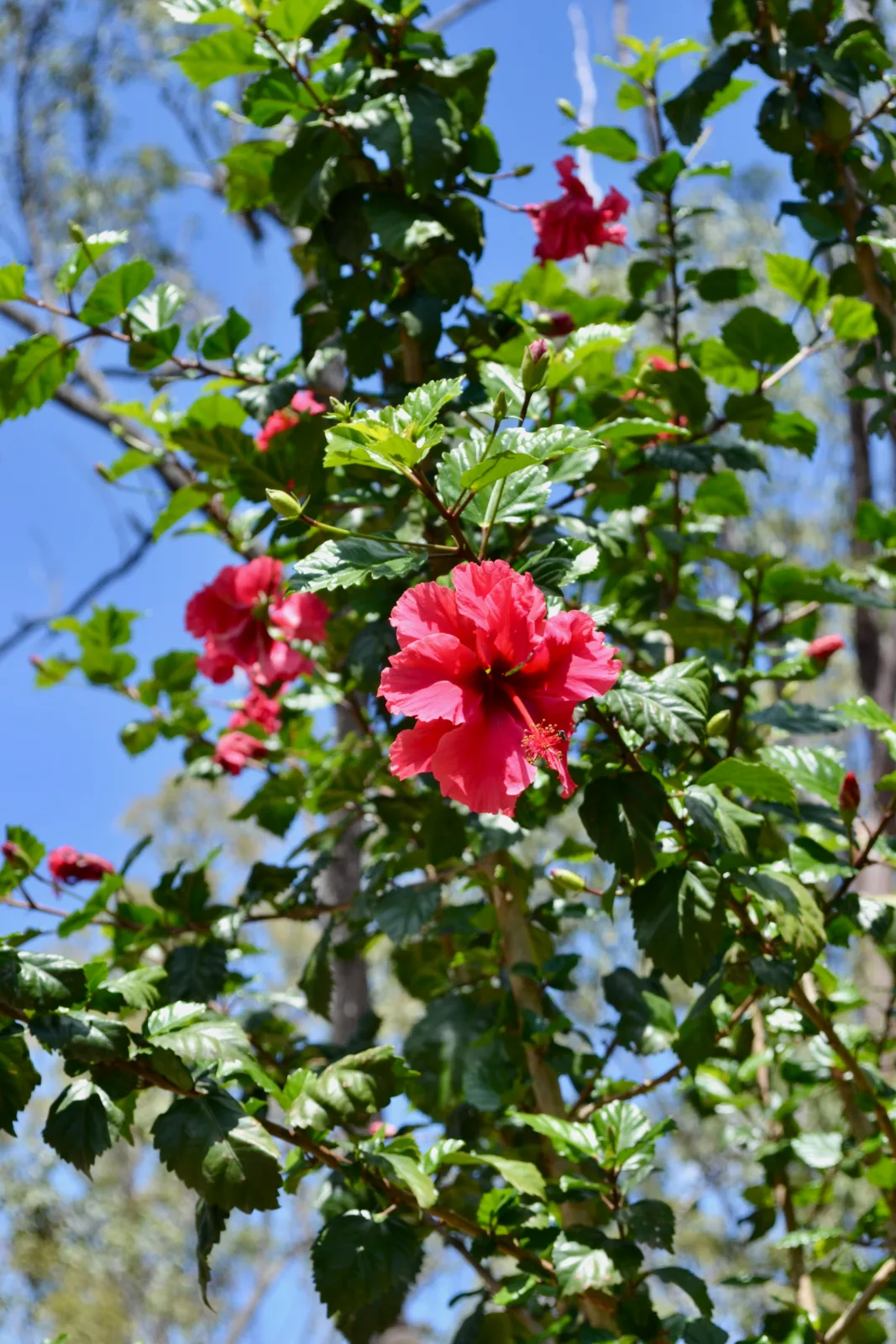
Tropical hibiscus
Hibiscus × rosa-sinensis
Also known as Chinese hibiscus, tropical hibiscus, shoe flower.
Hibiscus is a classic warm-climate shrub grown for large colourful flowers over a long season. It responds well to pruning, feeding and regular moisture and can be trained as a hedge, specimen shrub or small standard.
- Grows well in
- Tropical, Subtropical, Temperate, Mediterranean
- Lifecycle
- Evergreen to semi-evergreen flowering shrub
- Light
- Full sun, Part shade
- Mature size
- Commonly 1.5–3 m tall and wide; old shrubs may become larger
- Spacing
- About 1–2 m for hedges; 2–3 m free-standing
- Growth habit
- Branching evergreen shrub
- Native range
- A cultivated hybrid developed from South Pacific hibiscus species
- Natural habitat
- A cultivated hybrid with no natural wild habitat of its own; its parent species are tropical shrubs.
When to plant
Tropical
March–July
Subtropical
March–May
Temperate
September–November
Mediterranean
September–November
Plant in spring in frost-prone districts. Warm climates can plant through much of the year, avoiding extremes.
Planting
Plant into well-drained soil enriched with compost. Give the shrub room to branch and keep the root ball at its existing depth.
Position and light
Full sun gives the heaviest flowering. Part shade helps in very hot exposed sites; deep shade reduces flowers.
Soil
Fertile, well-drained soil with organic matter. It struggles where roots stay saturated.
Watering
Water regularly during active growth and flowering. Established plants handle short dry periods but flower better with even moisture.
Feeding
Feed during the warm growing season with a complete flowering-shrub fertiliser at the label rate.
Pruning
Prune to shape before strong spring growth or after a major flowering flush in warm climates. Most tropical hibiscus flower on fresh growth, so light regular pruning can renew the flowering wood without stripping the whole shrub bare.
Harvest
Flowers are mainly grown for display and can be cut for arrangements. Rosella is a different Hibiscus species grown specifically for edible calyces.
Propagation
Softwood or semi-hardwood cuttings keep a named cultivar true to type.
Common problems
Hibiscus beetles, aphids, mealybugs, scale and mites can occur. Bud drop can follow water stress.
Worth knowing
Modern hibiscus cultivars range from simple single flowers to large ruffled doubles in almost every warm colour. Regular light pruning keeps new flowering wood coming and helps maintain a dense shape.

Grow Tropical hibiscus with Brancho
Add it to My Garden and Brancho works out what it needs next, timed for your climate.
How it grows around Australia
Growing this too? Share what you've noticed in your garden.
Grow a Little Wild
New plants to try, useful growing tips and a few garden jobs based on what you grow.