

- Grows well in
- Tropical, Subtropical, Temperate, Cool / mountains, Arid / inland, Mediterranean
- Lifecycle
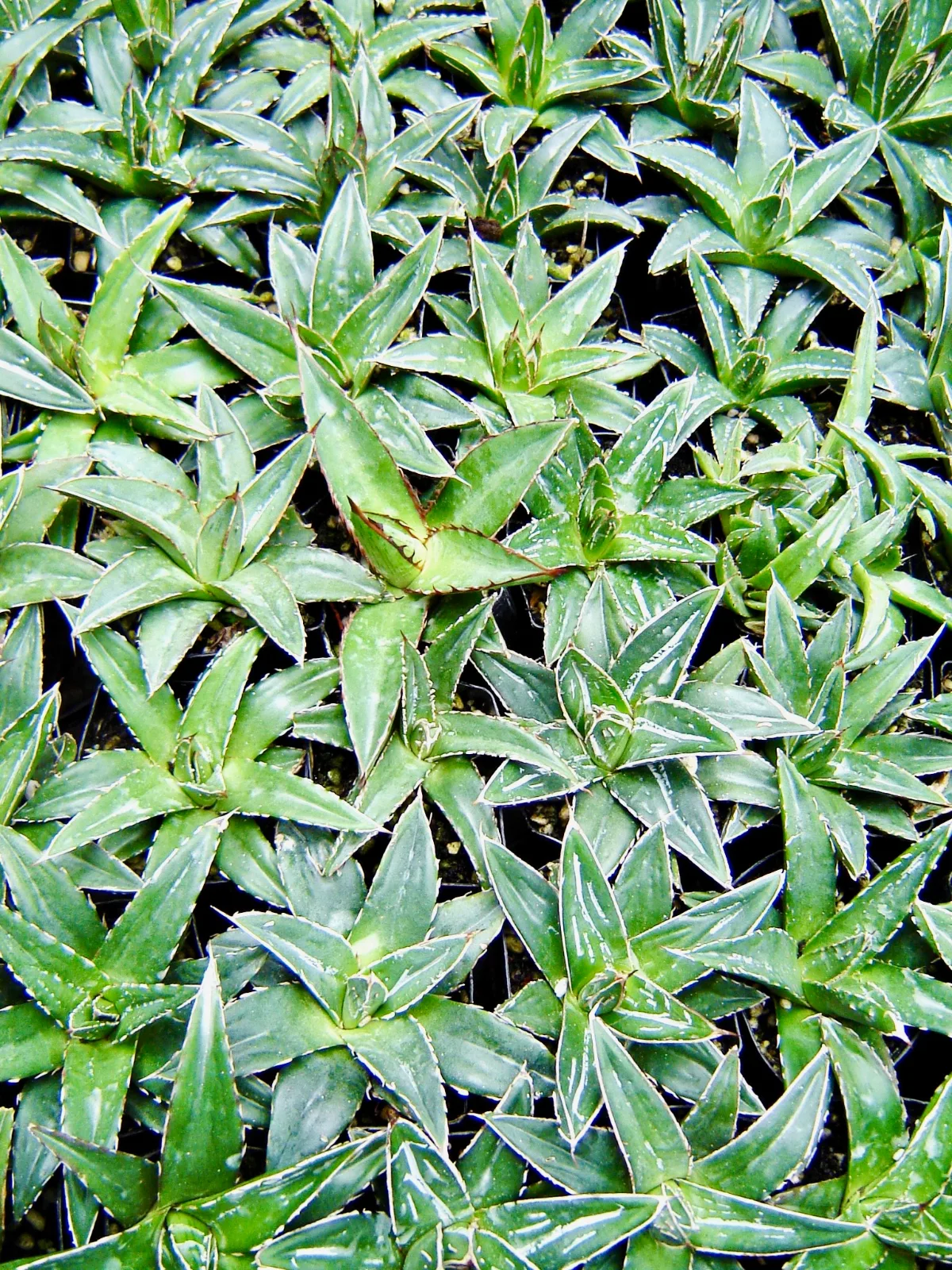
- Long-lived rosette-forming succulent perennial
- Light
- Full sun
- Mature size
- Highly variable: compact species may stay under 50 cm while large agaves can exceed 2 m across before flowering.
- Spacing
- Match spacing to the species. Large forms need at least 1.5–2.5 m of clear width.
- Growth habit
- Architectural succulent rosette; many species form offsets around the parent plant.
- Native range
- South-western and south-central United States to Venezuela, plus southern Florida and the Caribbean
- Natural habitat
- Mostly arid and semi-arid scrub, rocky slopes, desert grassland and dry woodland.
When to plant
Tropical
February–November
Subtropical
September–April
Temperate
October–March
Arid inland
September–April
Mediterranean
September–April
Plant during warm, relatively dry weather so roots can establish before cold wet conditions. In the tropics, avoid dropping a new plant into waterlogged ground at the peak of the wet season.
Planting
Plant with the crown above wet soil and use a position where water drains quickly. Give spiny species enough clearance from paths, doors and play areas.
Position and light
Most commonly grown agaves colour and hold their shape best in full sun. Acclimatise nursery plants gradually if they have been grown under shade cloth.
Soil
Very free-draining gritty soil is the priority. Mound heavy ground or use a raised bed rather than letting the crown sit wet through winter or a tropical wet season.
Watering
Water new plants until rooted, then let the soil dry well between deep drinks. Established agaves handle dry periods far better than prolonged wet soil.
Feeding
Feed lightly during active growth if the soil is very poor. Rich feeding can create soft growth and is rarely necessary.
Pruning
Remove dead lower leaves carefully. Cut unwanted pups below the soil line or lift them with roots if you want new plants.
Propagation
Remove rooted offsets or bulbils from species that produce them. Species can also be grown from seed.
Common problems
Crown and root rot follow poor drainage. Scale, mealybugs and snails can hide among leaves. Sharp terminal spines and toothed leaf margins make maintenance awkward on some species.
Safety notes
Many agaves have sharp spines and irritating sap. Wear gloves and eye protection when cutting leaves or removing pups, and keep spiny plants away from high-traffic areas.
Worth knowing
Many agaves produce offsets around the base, which makes them easy to propagate and useful for repeating strong shapes through a dry garden.
Grow Agave with Brancho
Add it to My Garden and Brancho works out what it needs next, timed for your climate.
How it grows around Australia
Growing this too? Share what you've noticed in your garden.
Grow a Little Wild
New plants to try, useful growing tips and a few garden jobs based on what you grow.