
Plant profile
Bunching onion
Allium fistulosum
Also known as Welsh onion, Japanese bunching onion, Multiplying onion, Spring onion, Scallion.
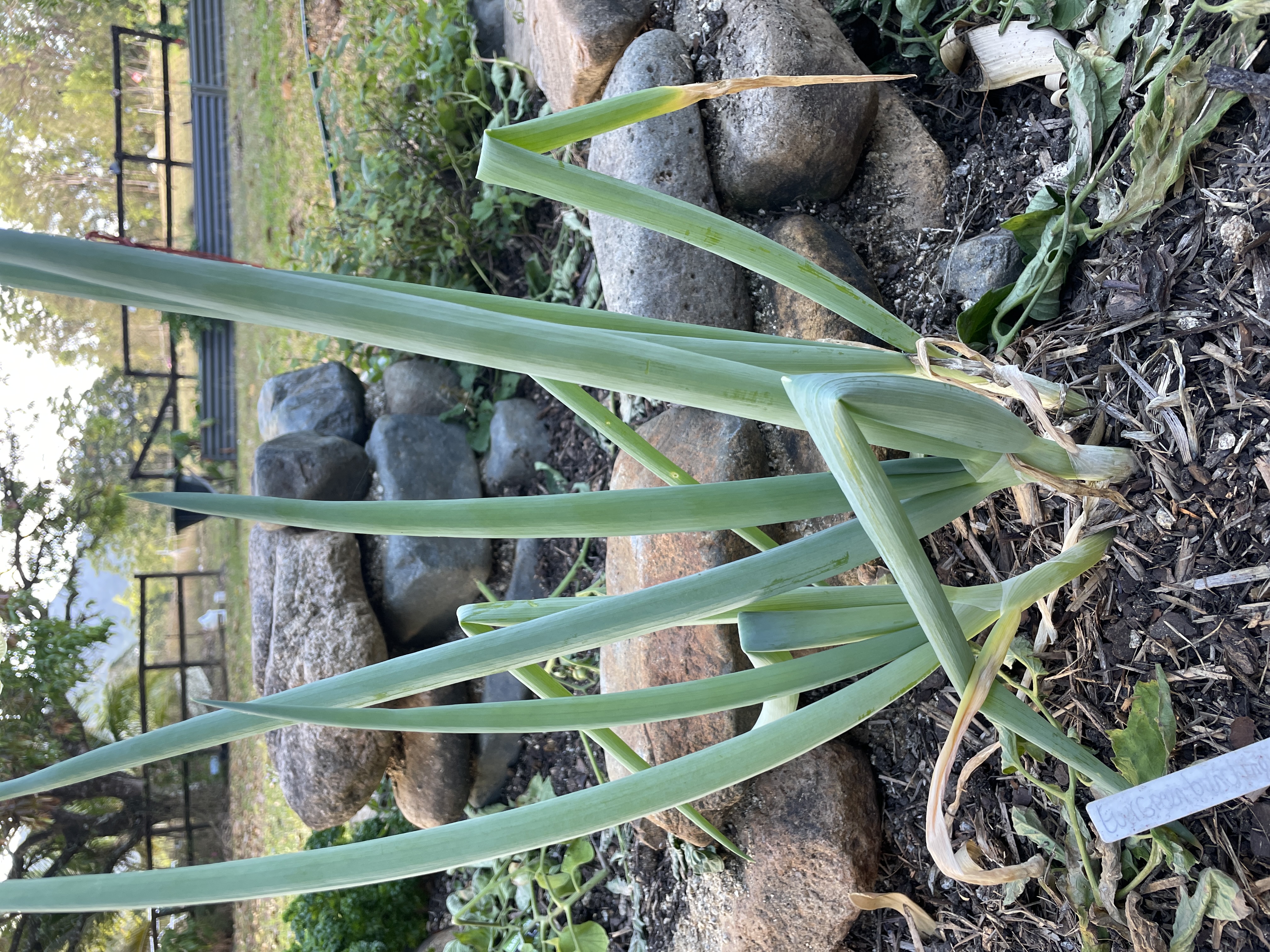
Bunching onion is a perennial allium grown for hollow green leaves and white stems rather than a large bulb. Established clumps can be cut, divided and replanted for a steady supply.
- Grows well in
- Tropical, Subtropical, Temperate, Cool / mountains, Arid / inland, Mediterranean
- Lifecycle
- Perennial clumping onion
- Light
- Full sun, Part shade
- Mature size
- 30 to 45 cm tall
- Spacing
- 5 cm apart in rows 20 cm apart, or clumps of five to eight
- Growth habit
- Upright clumping onion that multiplies from the base
- Native range
- An ancient cultivated onion from China, with its origins in north-central and south-central China
- Natural habitat
- A long-cultivated temperate onion rather than a plant with one clearly defined wild habitat.
When to plant
Subtropical and tropical: best through the cooler part of the year, though established clumps can persist year-round. Temperate and cool: sow from spring to autumn.
Planting
Sow seed or plant divided offsets into loose soil. For a permanent patch, leave enough room for each clump to widen and divide crowded plants when the stems become thin.
Position and light
Full sun to part shade. Part shade helps in very hot weather.
Soil
Loose, fertile, free-draining soil with compost. It also grows well in containers.
Watering
Keep moisture even while leaves are actively growing. Established clumps handle short dry periods but produce better stems with regular water.
Feeding
Top-dress with compost and use a light nitrogen-leaning feed during active leaf growth if needed.
Pruning
Harvest outer leaves or whole stems close to the base. Remove old flower stalks if you are growing mainly for leaves.
Harvest
Cut leaves and stems as needed, or lift a whole offset from the edge of the clump. Leave the centre growing so the planting keeps multiplying.
Propagation
Grow from seed or divide established clumps. Division is the quickest way to expand a permanent planting.
Common problems
Thrips, onion rust and bulb or root rots can occur. Crowded clumps produce thinner stems and benefit from division.
Safety notes
Onions and other alliums are toxic to dogs and cats, so keep trimmings out of pet reach.
Worth knowing
Allium fistulosum is the true bunching or Welsh onion. In Australia, the name spring onion is also used for young Allium cepa, so the common names can overlap even though they are different plants.
Grow Bunching onion with Brancho
Add it to My Garden and Brancho works out what it needs next, timed for your climate.
How it grows around Australia
Growing this too? Share what you've noticed in your garden.
Grow a Little Wild
New plants to try, useful growing tips and a few garden jobs based on what you grow.