
Plant profile
Hippeastrum
Hippeastrum × hybridum
Also known as Garden hippeastrum, Amaryllis, Hippeastrum hybrids.
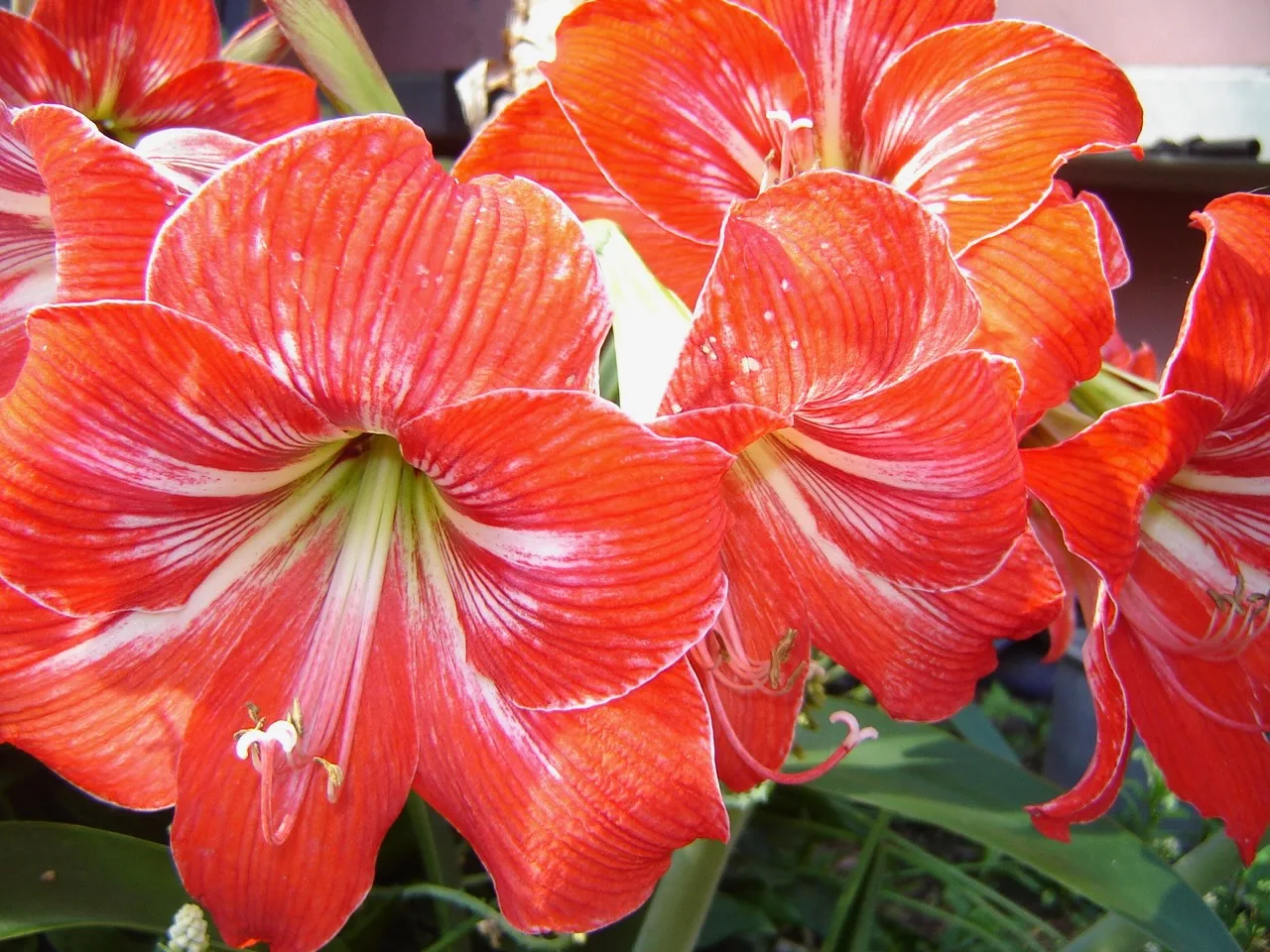
Garden hippeastrums are large-flowered bulbs that send up bold trumpet-shaped blooms in spring and summer. The bulbs can stay in the ground long term in mild climates.
- Grows well in
- Tropical, Subtropical, Temperate, Cool / mountains, Mediterranean
- Lifecycle
- Perennial flowering bulb
- Light
- Full sun, Part shade
- Mature size
- Usually 30–70 cm high in flower, depending on cultivar
- Spacing
- About 15–30 cm apart
- Growth habit
- Clumping bulb with seasonal strap leaves and tall flower stems
- Native range
- Cultivated hybrids derived from Hippeastrum species native to tropical and subtropical South America
- Natural habitat
- Parent species occupy seasonally dry woodland, grassland and forest margins, depending on species.
When to plant
Tropical
March–June
Subtropical
March–June, September–November
Temperate
March–May, August–October
Cool / mountain
September–November
Mediterranean
March–May, August–October
Plant bulbs from late winter into spring; in frost-free warm climates they can remain in the ground.
Planting
Plant with the neck and upper part of the bulb above soil level. Use free-draining soil and leave enough space for offsets to develop. Plant bulbs with the neck and upper part of the bulb at or just above the soil surface rather than burying them deeply. In heavy or very wet ground, raise the planting slightly so water cannot sit around the bulb base.
Position and light
Full sun to part shade. In hot districts, morning sun and afternoon shade keep flowers and leaves in better condition.
Soil
Moderately fertile, humus-rich soil with excellent drainage.
Watering
Water as growth starts and keep moisture steady while leaves and flowers are active. Reduce watering during dormancy.
Feeding
Feed as new growth begins and again after flowering while the leaves are rebuilding the bulb.
Pruning
Cut spent flower stems near the bulb, but leave green foliage until it dies back naturally.
Harvest
Flowers can be cut for display.
Propagation
Divide offsets from established bulbs. Seed can be used but hybrids will not necessarily come true.
Common problems
Snails, aphids, spider mites, red blotch and bulb rot can occur.
Safety notes
Hippeastrum bulbs and other plant parts are toxic if eaten and can poison pets.
Worth knowing
The garden plants commonly called amaryllis in Australia are usually Hippeastrum hybrids. True Amaryllis is a different genus. When harvesting, flowers can be cut for display. Bulbs left undisturbed for several seasons will build up into dense clumps that flower more heavily, so lifting and dividing is only needed when flowering declines or the clump becomes crowded.
Grow Hippeastrum with Brancho
Add it to My Garden and Brancho works out what it needs next, timed for your climate.
How it grows around Australia
Growing this too? Share what you've noticed in your garden.
Grow a Little Wild
New plants to try, useful growing tips and a few garden jobs based on what you grow.