


Plant profile
Beans
Phaseolus vulgaris and related garden beans
Also known as Bush beans, Climbing beans, French beans.
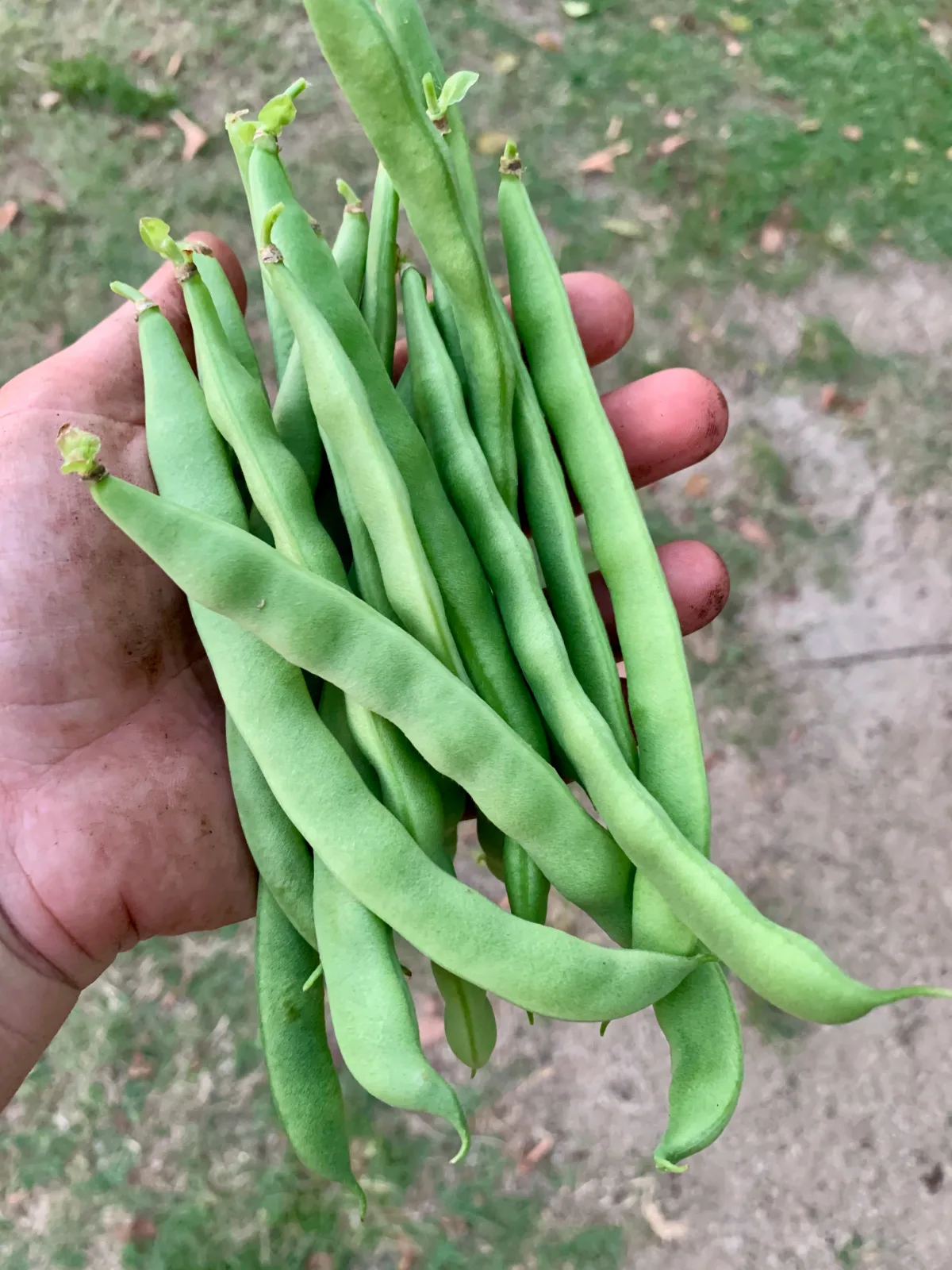
Common garden beans include bush and climbing types grown for fresh pods or mature beans. Climbing types need support and regular picking keeps fresh-pod varieties productive.
- Grows well in
- Tropical, Subtropical, Temperate, Cool / mountains, Arid / inland, Mediterranean
- Lifecycle
- Warm-season annual legume
- Light
- Full sun
- Mature size
- Bush beans are usually about 30–60 cm tall; climbing beans commonly reach 1.5–3 m or more when supported.
- Spacing
- Bush beans: roughly 10–15 cm apart. Climbing beans: about 15–20 cm apart along a trellis or other support.
- Growth habit
- Fast-growing annual legume, ranging from compact bush forms to vigorous twining climbers.
- Native range
- Common bean is native from Mexico through Central America to northern South America; related garden beans vary by species
- Natural habitat
- Warm-season forest margins, open woodland and disturbed ground; habitat varies across the bean species grouped here.
When to plant
Tropical
March–September
Subtropical
August–March
Temperate
September–January
Cool / mountain
October–December
Arid inland
August–March
Mediterranean
September–January
Planting
Direct sow into warm soil after frost risk has passed. Put the trellis in place before sowing climbing varieties so young roots are not disturbed later. Bush beans can be grown in rows or blocks where air can move through the foliage.
Position and light
Full sun gives the strongest flowering and pod production. In very hot districts, light afternoon protection can help fresh-pod crops if the soil still receives plenty of light.
Soil
Use humus-rich, free-draining soil with moderate fertility. Compost at planting is useful, but avoid loading the bed with high-nitrogen fertiliser because that encourages leafy growth at the expense of flowers and pods.
Watering
Keep soil moisture steady during flowering and pod development. Repeated drying at that stage can cause flowers or young pods to drop, while constantly wet foliage and soil increase disease pressure in humid weather.
Feeding
Avoid heavy nitrogen feeding. Beans can form nitrogen-fixing nodules with compatible rhizobia, so in fertile soil they usually need only compost and modest phosphorus, potassium and trace nutrients.
Pruning
No regular pruning is needed. Guide climbing types back onto their support and remove badly tangled or diseased growth where airflow is poor. Bush types usually need no training.
Harvest
For fresh beans, pick pods while tender, often a few weeks after flowering. For dry beans, leave pods until fully mature and dry.
Propagation
Grow from seed. Saving dry seed is straightforward from open-pollinated varieties if plants are healthy.
Common problems
Aphids, mites, caterpillars and bean fly can attack new growth. Rusts and other fungal diseases are more troublesome in humid districts or crowded plantings. Extreme heat during flowering can reduce pod set.
Safety notes
Some mature dry beans, especially kidney beans, must be cooked properly before eating. Do not eat raw mature kidney beans.
Worth knowing
Common garden beans include both bush and climbing forms, usually selected from Phaseolus vulgaris and related garden beans. Runner beans are a separate species and can behave differently. For dry beans, use a variety intended for mature seed rather than simply letting any fresh-pod cultivar age on the plant.

Grow Beans with Brancho
Add it to My Garden and Brancho works out what it needs next, timed for your climate.
How it grows around Australia
Growing this too? Share what you've noticed in your garden.

Grow a Little Wild
New plants to try, useful growing tips and a few garden jobs based on what you grow.