
Plant profile
Black sapote
Diospyros nigra
Also known as Chocolate pudding fruit, Black persimmon, Diospyros digyna.
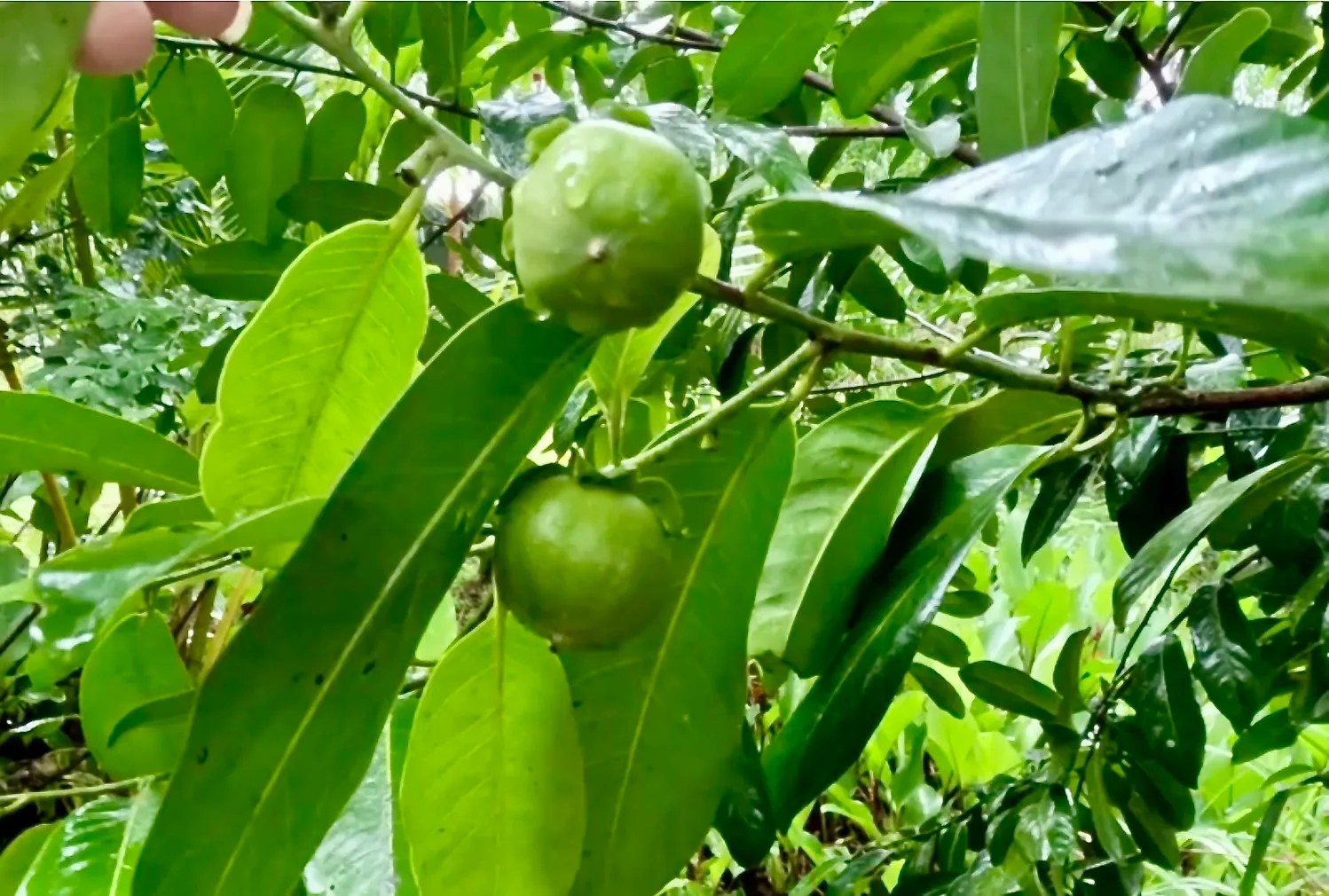
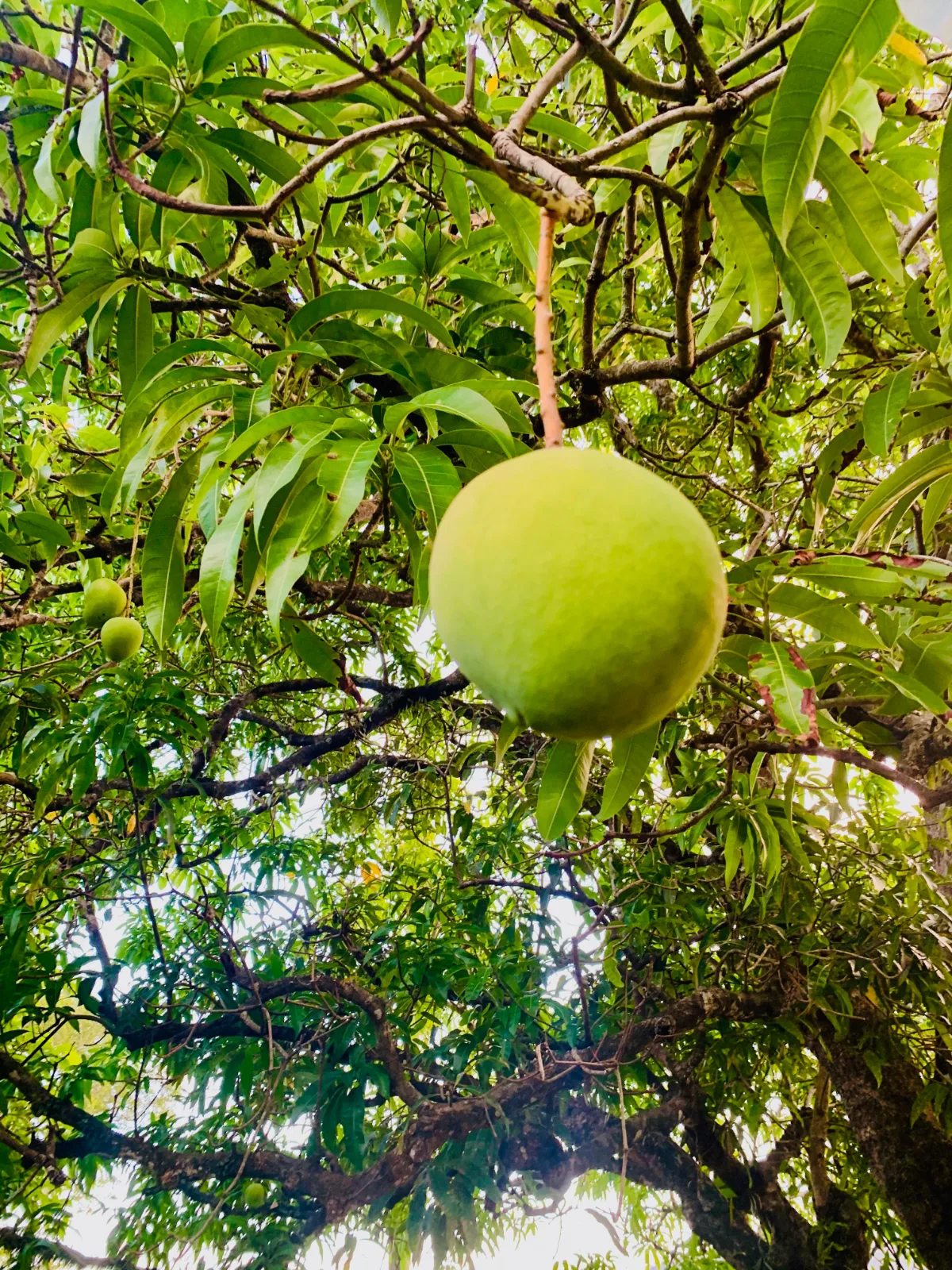
Black sapote is a tropical fruit tree with green fruit that softens to dark chocolate-brown pulp when ripe. The flesh is mild, sweet and custard-like.
- Grows well in
- Tropical, Subtropical
- Lifecycle
- Evergreen tropical fruit tree
- Light
- Full sun, Part shade
- Mature size
- Usually 6–10 m high in gardens, potentially taller if unpruned
- Spacing
- About 5–7 m apart
- Growth habit
- Evergreen medium-sized fruit tree with a dense crown
- Native range
- Mexico to Colombia
- Natural habitat
- Wet tropical forest and humid lowland woodland.
When to plant
Tropical
February–May, September–November
Subtropical
March–May, September–November
Temperate
September–November
Mediterranean
September–November
Tropical and subtropical: plant during warm weather with reliable moisture.
Planting
Plant into deep, free-draining soil with room for a medium-sized tree. Water regularly while young and protect from frost, which can damage or kill young trees.
Position and light
Full sun gives the best fruiting; light part shade is tolerated.
Soil
Deep fertile soil with good drainage and regular mulch. It adapts to several soil types once established.
Watering
Water regularly while establishing and during flowering and fruit development. Avoid prolonged waterlogging.
Feeding
Mulch and add compost, with a light fruit-tree feed during active growth if needed.
Pruning
Shape young trees and keep the canopy at a manageable height for picking. Mature trees need only moderate pruning.
Harvest
Pick mature fruit when the skin has dulled and the fruit begins to soften. Let it finish softening off the tree if needed before eating.
Propagation
Seed is common, but seedlings vary. Grafted trees are useful when you want known fruit quality and earlier cropping.
Common problems
Fruit fly and scale may occur. Birds or bats may take soft fruit.
Safety notes
Eat only fully ripe fruit. Unripe fruit is strongly astringent.
Worth knowing
Black sapote is native to Mexico and Central America and belongs to the persimmon genus, Diospyros, though the fruit looks and tastes quite different from common persimmons. The ripe pulp is often used in Australia in a similar way to a dessert ingredient, blended into puddings, smoothies or a mock chocolate mousse because of its dark colour and mild sweetness. Some varieties have been selected for lower seed numbers and better flesh texture, and grafted trees of these named types generally fruit sooner than seedlings.
Featured In
Grow Black sapote with Brancho
Add it to My Garden and Brancho works out what it needs next, timed for your climate.
How it grows around Australia
Growing this too? Share what you've noticed in your garden.
Grow a Little Wild
New plants to try, useful growing tips and a few garden jobs based on what you grow.