
Plant profile
Pumpkin
Cucurbita spp.
Also known as Winter squash.
Pumpkins are warm-season vines that need sun, fertile soil, room to spread and enough frost-free weather to mature fruit.
- Grows well in
- Tropical, Subtropical, Temperate, Cool / mountains, Arid / inland, Mediterranean
- Lifecycle
- Warm-season annual vine
- Light
- Full sun
- Mature size
- Most pumpkins spread 3–6 m or more across the ground, although compact bush varieties take far less space.
- Spacing
- Allow roughly 1–2 m between ordinary plants and much more room for vigorous trailing or giant varieties.
- Growth habit
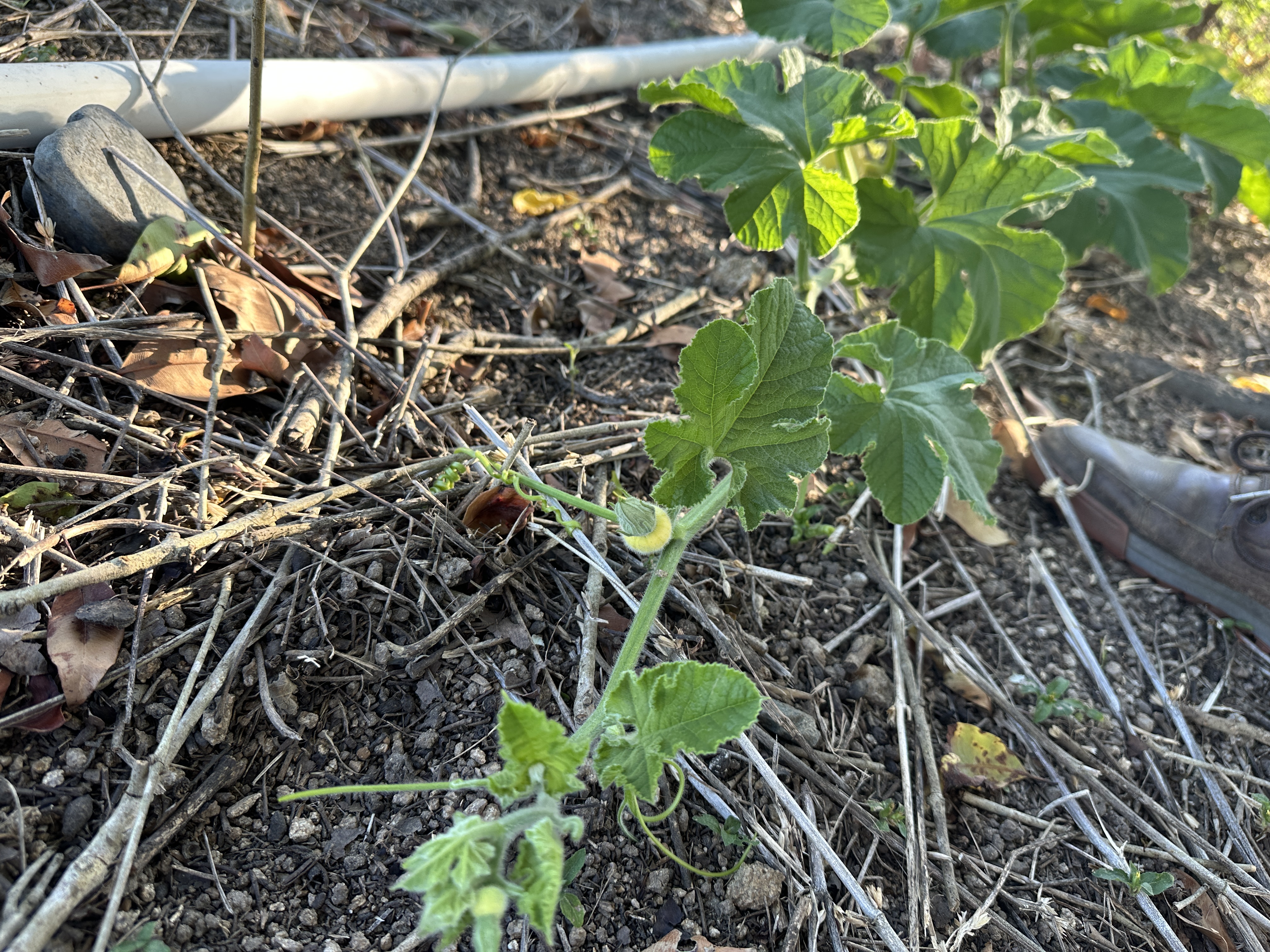
- Fast-growing annual cucurbit with long creeping or climbing vines, large leaves and tendrils.
- Native range
- The genus Cucurbita is native to the Americas; exact range depends on species
- Natural habitat
- Warm open habitats, seasonally dry forest margins and disturbed ground, depending on species.
When to plant
Tropical
February–August
Subtropical
August–February
Temperate
September–December
Cool / mountain
October–December
Arid inland
August–October, February–March
Mediterranean
September–December
Planting
Sow or plant after frost risk when soil is warm. Give vigorous varieties plenty of space or a strong trellis.
Position and light
Full sun with good airflow.
Soil
Rich, well-drained soil with plenty of compost.
Watering
Water regularly through active vine growth and fruit development.
Feeding
Feed during strong growth and fruiting with a complete vegetable or fruiting fertiliser.
Pruning
Routine pruning is not essential; redirect vines where needed.
Harvest
Harvest when skin is hard, colour is mature and the nearest tendril is dry. Leave a good length of stem attached and cure before storage.
Propagation
Grow from seed. Saved seed may cross with related cucurbits.
Common problems
Powdery mildew, poor pollination, fruit fly and vine damage can reduce crops. Good airflow, spaced planting and watering at the base rather than over the leaves all help limit fungal problems, and rotating pumpkin beds each season reduces the build-up of soil-borne diseases common to the cucurbit family. Vine borers and stem rots at soil level are also worth watching for in humid conditions, particularly where mulch is kept piled directly against the base of the stem.
Worth knowing
Pumpkins carry separate male and female flowers on the same plant. Male flowers normally appear first, so don't worry if the earliest flowers open and fall without forming fruit. Poor fruit set is often due to a shortage of pollinating insects rather than a plant fault, and hand pollination with a small brush can help in gardens with few bees. Different pumpkin varieties can cross-pollinate, which affects seed saved for replanting but does not affect the eating quality of the fruit in the same season.
Grow Pumpkin with Brancho
Add it to My Garden and Brancho works out what it needs next, timed for your climate.
How it grows around Australia
Growing this too? Share what you've noticed in your garden.
Grow a Little Wild
New plants to try, useful growing tips and a few garden jobs based on what you grow.