
Plant profile
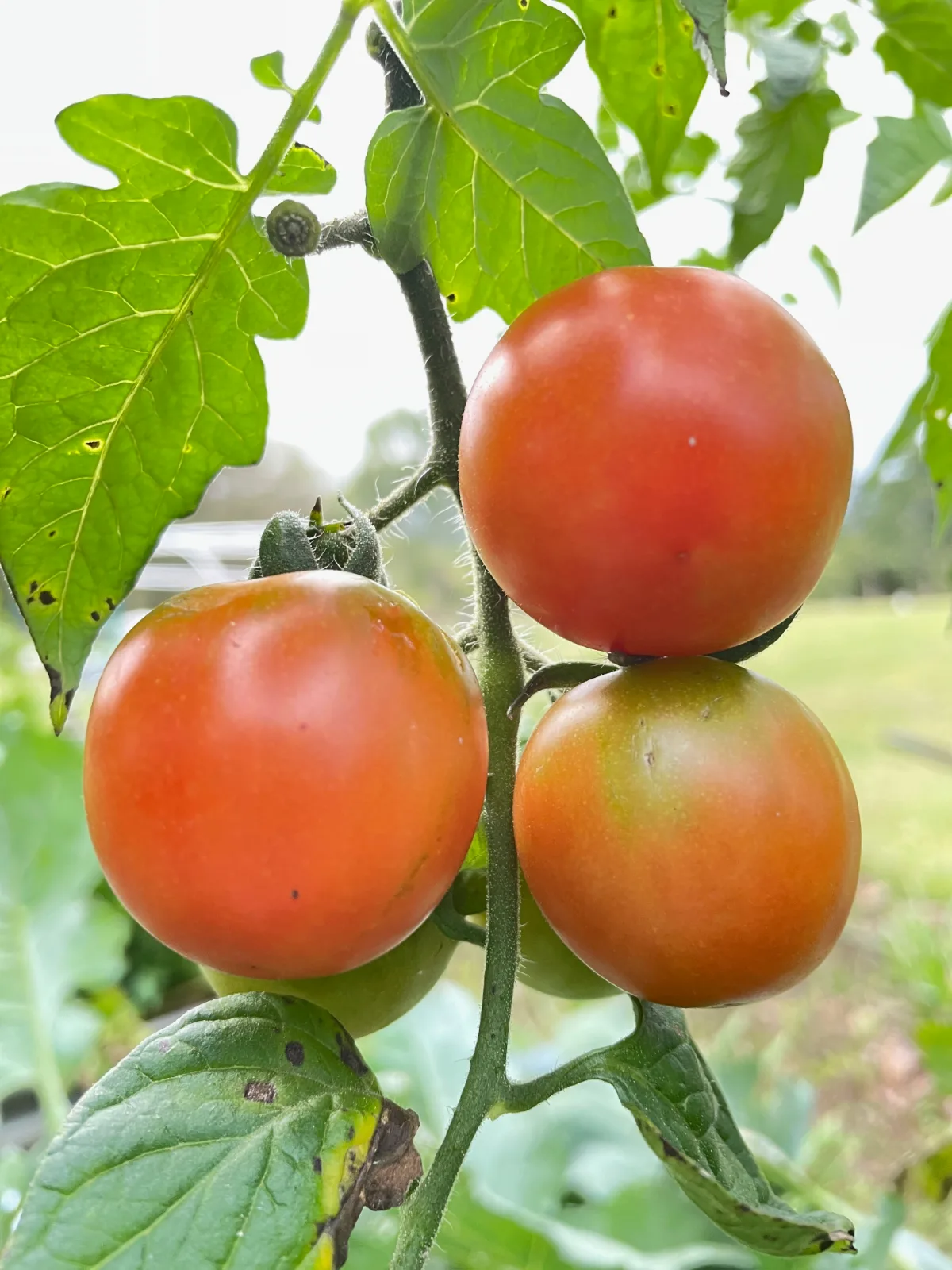
Tomato
Solanum lycopersicum
Tomatoes need sun, steady water, good airflow and support where the variety needs it. Feeding becomes more important as plants flower and fruit.
- Grows well in
- Tropical, Subtropical, Temperate, Cool / mountains, Arid / inland, Mediterranean
- Lifecycle
- Warm-season annual or short-lived perennial
- Light
- Full sun
- Mature size
- Determinate tomatoes are often about 60 cm–1.2 m tall; indeterminate vines commonly reach 1.5–2.5 m or more with support.
- Spacing
- Allow roughly 50–100 cm between plants, depending on whether the variety is compact, staked or allowed to sprawl.
- Growth habit
- Branching warm-season plant ranging from compact determinate bushes to indeterminate vines that keep growing and flowering.
- Native range
- An ancient cultivated form originating in Peru
- Natural habitat
- A cultivated crop from the wet tropical biome rather than a plant with one clearly defined wild habitat.
When to plant
Tropical
March–July
Subtropical
March–May
Temperate
September–December
Cool / mountain
October–December
Arid inland
August–October, February–March
Mediterranean
September–November
Full growing guide
How to Grow Tomato Plants in Australia
Tomatoes can be wildly productive when you get the timing and growing conditions right. Learn how to grow strong plants in beds or pots and deal with the common problems between flowering and harvest.
Read the full growing guidePlanting
Plant seedlings into warm soil after frost risk has passed, except in tropical and hot subtropical areas where the cooler, drier months are usually easier. Bury part of a leggy stem if needed and install stakes or a trellis at planting for tall varieties.
Position and light
Full sun with good airflow. In very hot inland or tropical conditions, some afternoon protection can reduce heat stress.
Soil
Fertile, well-drained soil with compost worked in before planting. Avoid very high nitrogen feeding, which can give lots of leaves and fewer fruit.
Watering
Keep soil moisture steady, especially during flowering and fruit development. Water the root zone rather than keeping foliage wet for long periods.
Feeding
Start with fertile soil and a balanced fertiliser. Once flowering and fruiting begin, use a tomato or fruiting fertiliser at the label rate rather than high-nitrogen feeds.
Pruning
Pruning depends on growth type. Indeterminate tomatoes can be trained and thinned for airflow; determinate bush tomatoes need much less pruning. Remove leaves that lie on the soil and damaged or diseased foliage.
Harvest
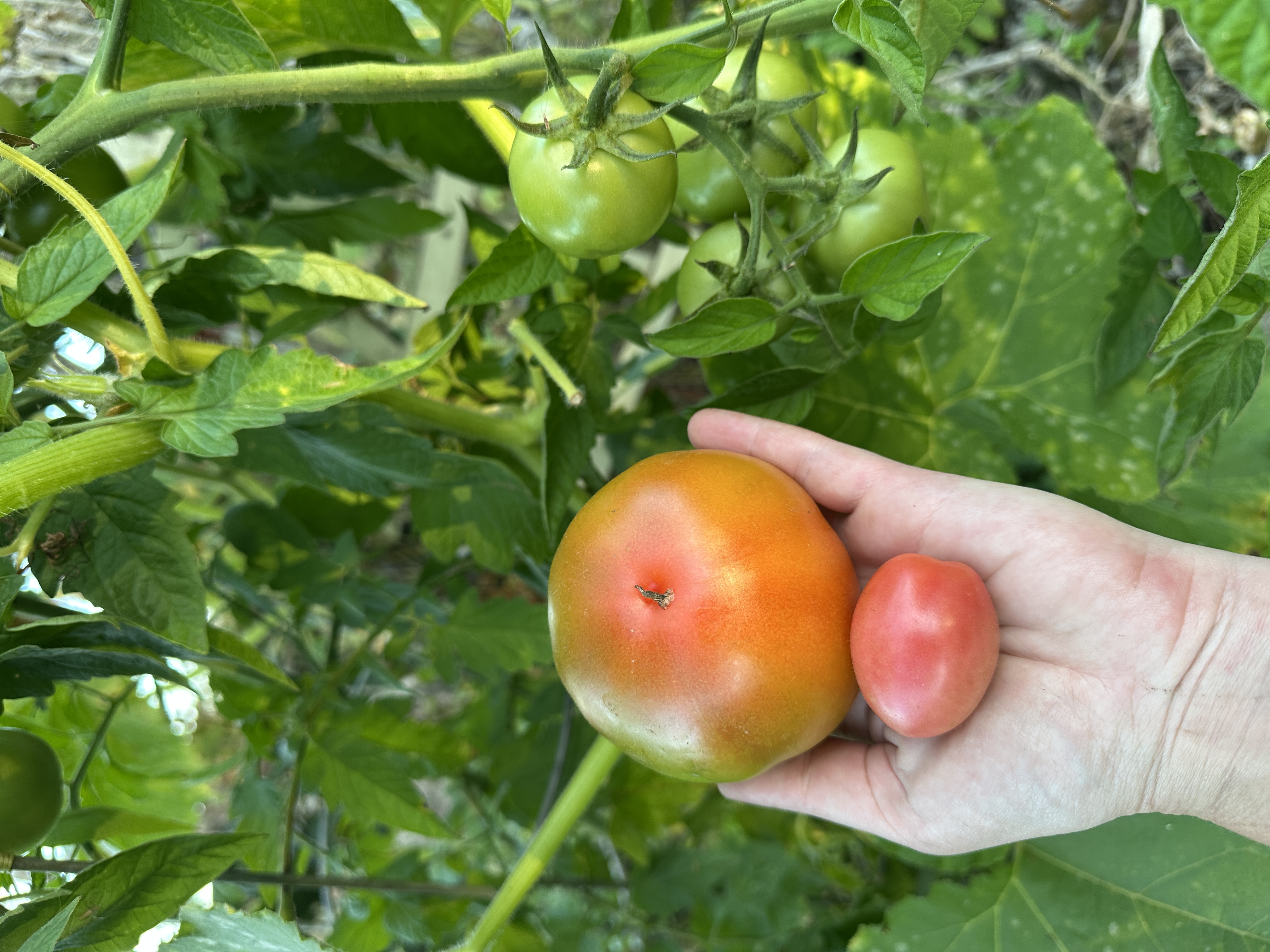
Pick fruit when it has reached the colour and firmness you want. Frequent picking keeps fruit from becoming overripe and reduces losses.
Propagation
Grow from seed or seedlings. Healthy side shoots from indeterminate plants can also root, but saved seed may not come true from hybrid varieties.
Common problems
Fruit fly, caterpillars, aphids, whitefly, mites, fungal and bacterial leaf diseases, blossom-end rot and fruit cracking can occur. Steady watering and airflow prevent several common problems.
Safety notes
Tomato leaves and stems are not eaten. Keep green plant material away from pets or livestock that may chew it.
Worth knowing
Before pruning or staking, find out whether the tomato is determinate or indeterminate. Determinate types naturally stop growing after a set flush, while indeterminate vines keep extending and need more support.
Grow Tomato with Brancho
Add it to My Garden and Brancho works out what it needs next, timed for your climate.
How it grows around Australia
Growing this too? Share what you've noticed in your garden.
Grow a Little Wild
New plants to try, useful growing tips and a few garden jobs based on what you grow.