
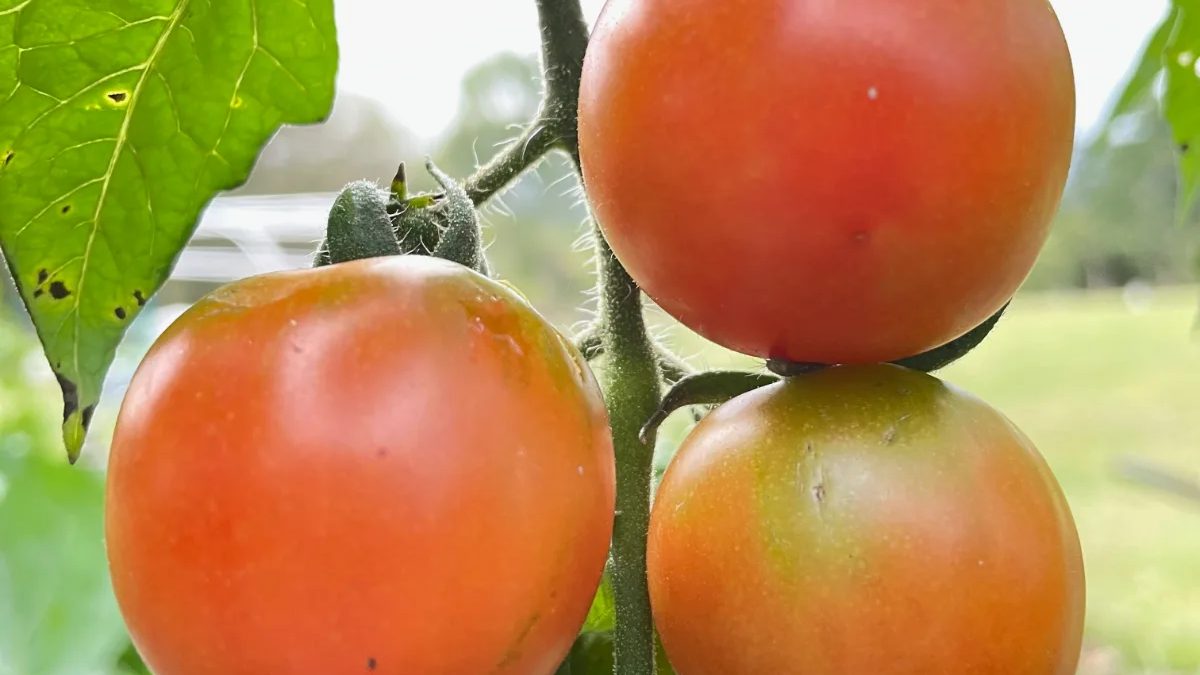

Tomato timing changes with climate. In southern Australia they are usually a spring and summer crop; in the tropics and subtropics, the cooler dry season is often the more reliable window.
Once the timing is right, focus on sun, steady water, fertile soil, airflow and support that suits the variety. This guide covers tomatoes in the ground and in pots, including planting times around Australia, laterals, feeding, fruit set, blossom-end rot, splitting and the other problems that can appear as the crop develops.
- Botanical name: Solanum lycopersicum
- Plant type: Warm-season annual or short-lived perennial
- Position: Full sun; some afternoon protection can help in very hot climates
- Soil: Fertile, free-draining soil with plenty of organic matter
- Spacing: Usually 50–100 cm, depending on growth habit and training
- Harvest: Often about 8–12 weeks from transplanting, depending on variety and conditions
Tomato Growing Conditions at a Glance
Tomatoes grow best with plenty of sun, fertile free-draining soil, steady moisture and enough space for air to move through the foliage. The exact season depends heavily on climate: in cool and temperate districts they are usually a warm-season crop, while tropical and subtropical gardeners often get better results through the cooler, drier months.
Before you plant, find out whether your variety is determinate or indeterminate. That one detail changes how much room it needs, how you support it and how much pruning makes sense.
When to Plant Tomatoes in Australia
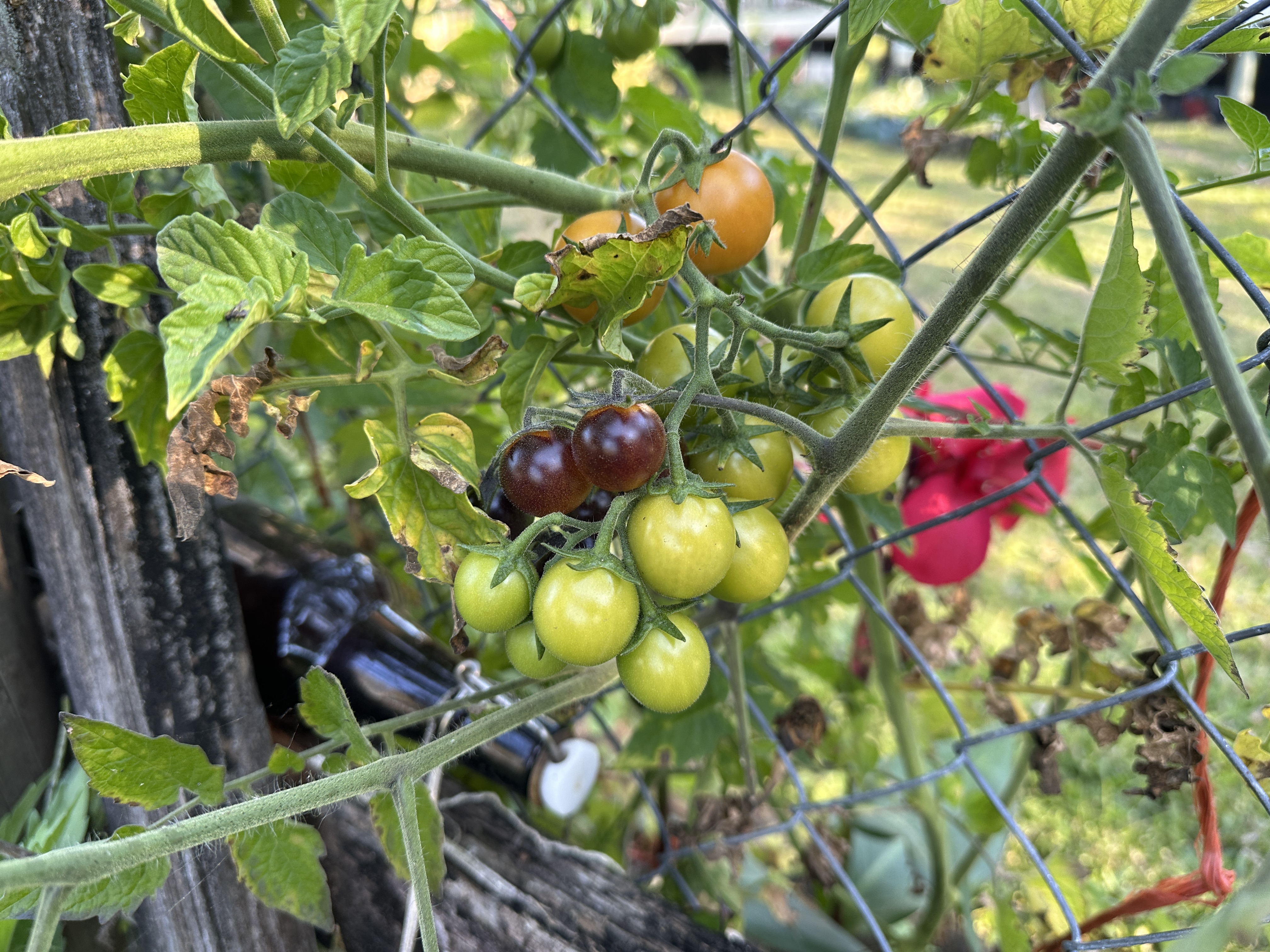
Tomato timing changes more across Australia than most generic planting advice suggests.
Cool climates: plant out after frost danger has passed and the soil has warmed. Gardening Australia suggests waiting until soil is at least about 16°C, with 18–20°C even better.
Temperate and Mediterranean climates: spring is the main planting season once frost risk has passed. A second crop may be possible in long, mild seasons.
Subtropical climates: autumn is often the easiest tomato season. Sow around March and plant out in April or May so plants grow and fruit through the cooler, drier months.
Tropical climates: tomatoes generally perform best in the dry season. Start seed toward the end of the wet season and plant out as conditions cool and humidity drops.
Arid and inland climates: avoid both frost and the most harsh summer heat. Spring and early autumn can both work depending on local temperatures.
Determinate vs Indeterminate Tomatoes
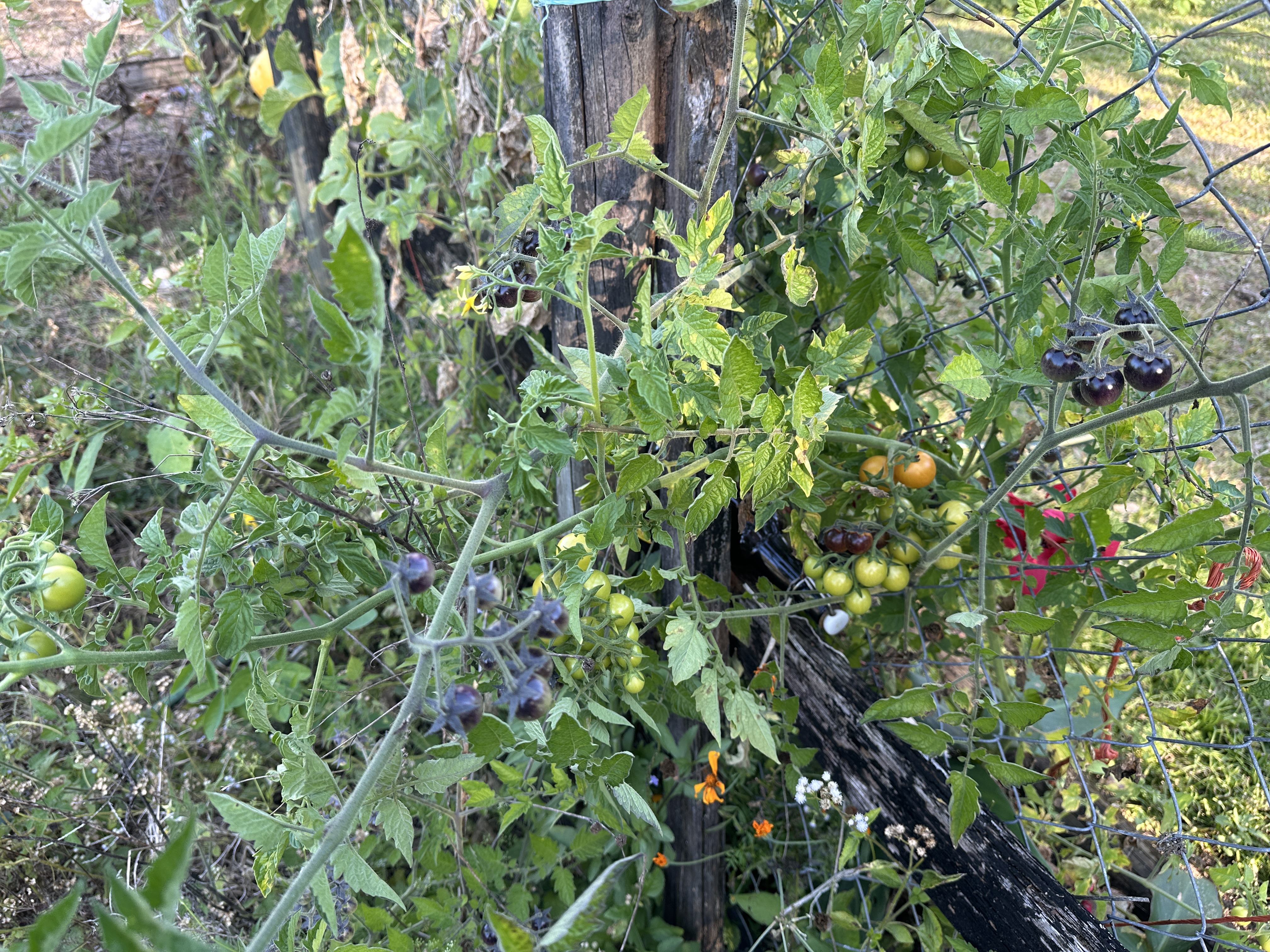
Determinate tomatoes are compact bush types that grow to a set size, flower and crop over a relatively short period. They suit pots, small gardens and preserving because much of the fruit ripens together.
Indeterminate tomatoes keep extending, flowering and fruiting while conditions suit them. Many grow 1.8–2 m or more and need a strong stake, cage or frame. They usually crop over a longer period.
Semi-determinate varieties sit somewhere between the two. Check the seed packet or plant label before deciding how much support or pruning to give the plant.
Choosing Tomato Varieties
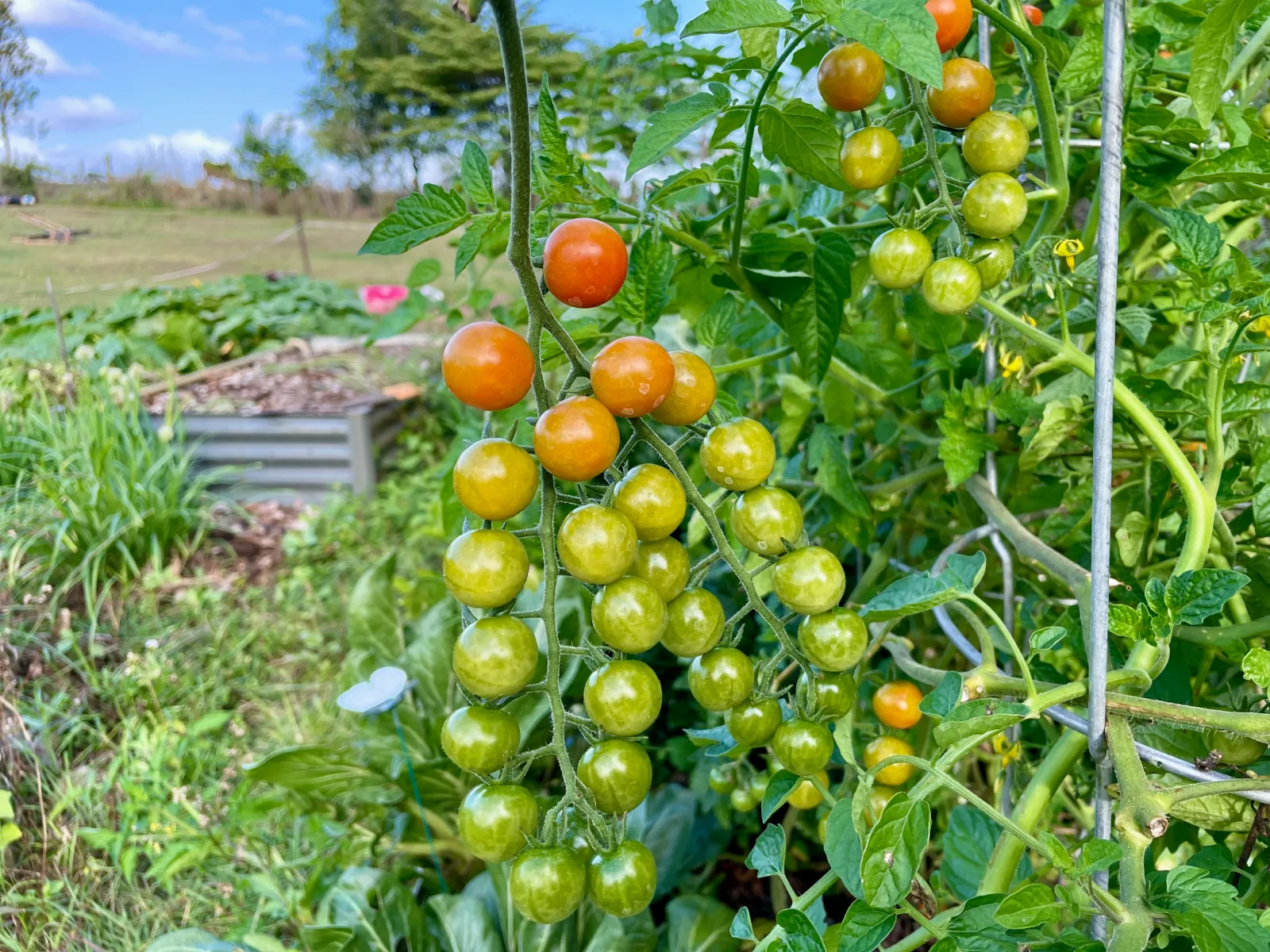
Choose varieties for the way you want to grow and use them. Cherry tomatoes are often vigorous and productive and can be a useful choice in difficult climates. Roma and other paste tomatoes have dense flesh suited to sauces and preserving. Large slicing and beefsteak types usually need more support and a longer, steady growing season.
Local performance matters. A variety that handles a cool Tasmanian summer is not automatically the best choice for a humid Queensland winter, so local seed suppliers, garden clubs and neighbours can be useful sources of variety information.
How to Grow Tomatoes From Seed
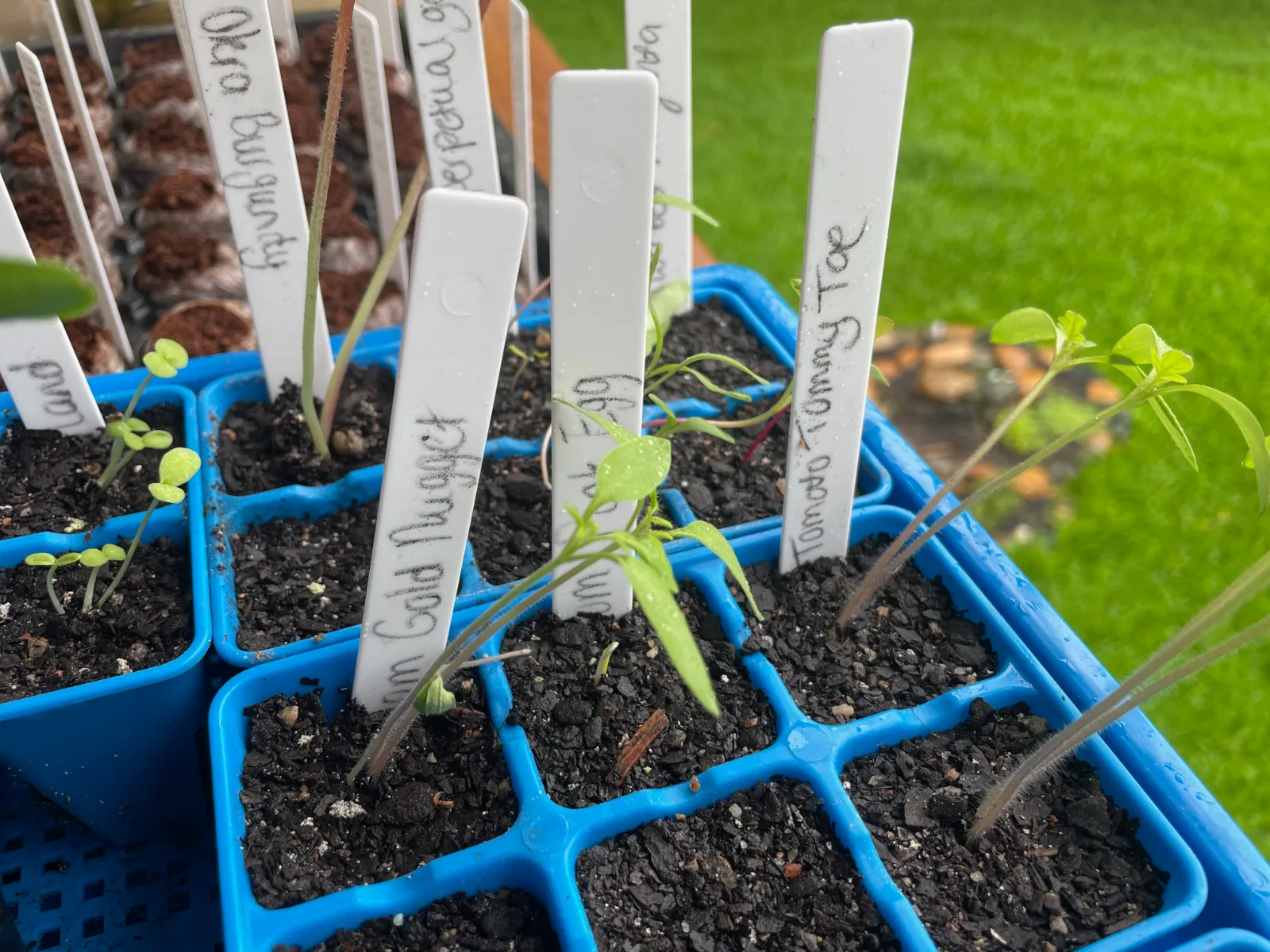
Sow tomato seed into seed-raising mix and keep it warm and evenly moist. Gardening Australia reports that tomato seed commonly germinates in about 7–10 days under warm conditions.
Once seedlings have their first true leaves, pot them into individual containers so roots have room to develop. Keep seedlings in strong light and gradually harden them to outdoor conditions before planting. In cold climates, starting seed under cover lets you get plants well established while you wait for the soil to warm.
Seeds or Seedlings?
Seed gives you far more variety choice and is economical if you want several plants. Seedlings save time and are useful if the planting window is already open.
Whichever you use, choose sturdy plants rather than tall, stretched seedlings. Avoid plants with obvious leaf spots, distorted growth or badly root-bound pots. If you buy grafted tomatoes, keep the graft union above the soil when planting.
How to Plant Tomatoes
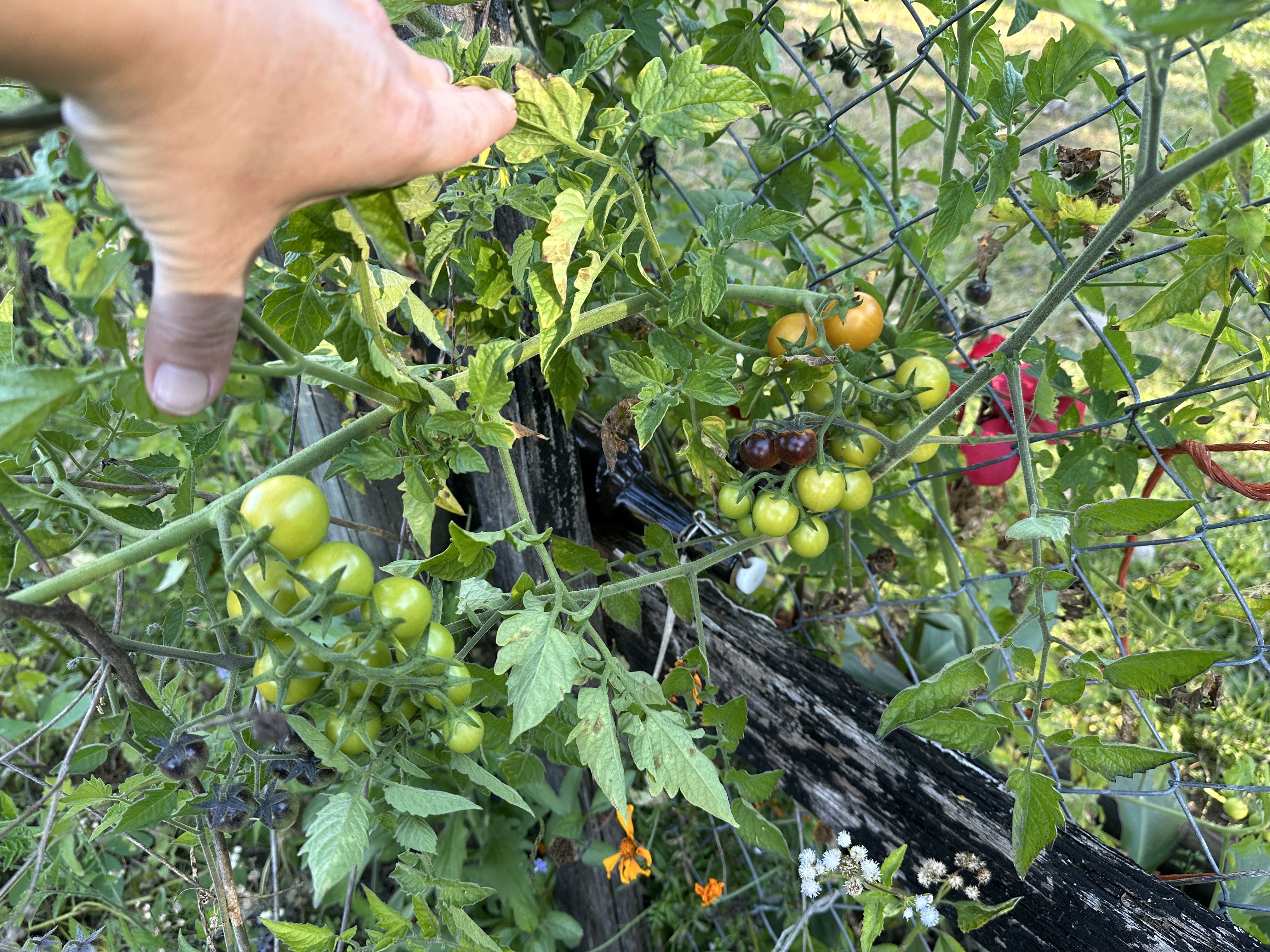
Prepare the bed with compost and make sure excess water can drain away. Tomatoes can be planted deeper than they grew in the punnet because buried stem can form extra roots. Remove the lowest leaves if needed and bury part of the stem, but keep the foliage above soil level.
Put stakes or other permanent supports in at planting time so you do not damage an established root system later. Water seedlings in thoroughly and leave enough space between plants for airflow.
How Much Sun Do Tomatoes Need?
Aim for at least six hours of direct sun, with more useful in mild climates. In cool areas, the sunniest position you have is usually best.
In very hot tropical, subtropical or inland gardens, fierce afternoon sun can scorch fruit and push plants beyond the temperatures where fruit set is reliable. Light afternoon protection can help without turning the position into shade. Good airflow matters in every climate and becomes especially important where humidity is high.
The Best Soil for Tomatoes
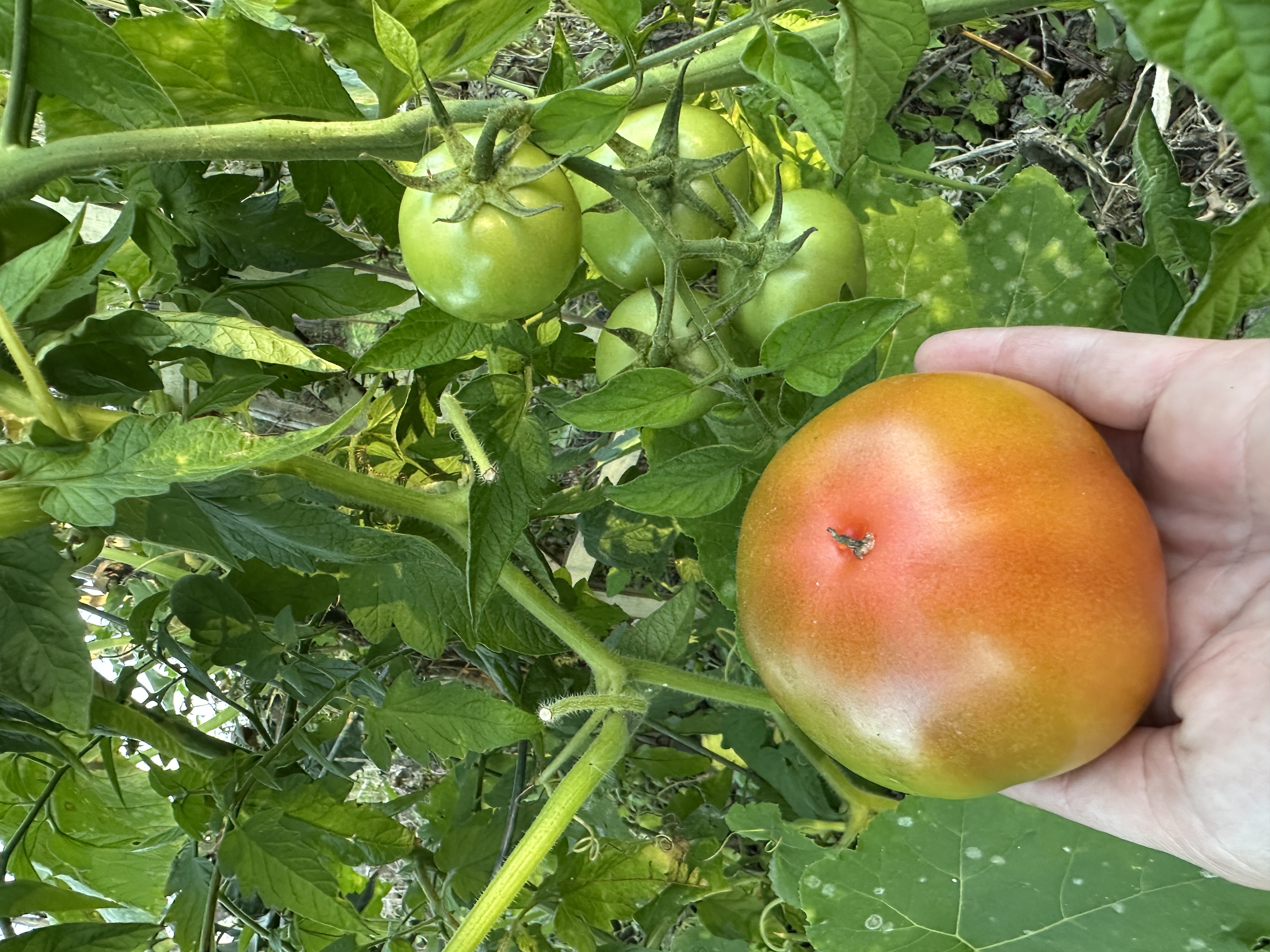
Tomatoes grow well in fertile soil that drains freely but still holds enough moisture to avoid constant drying. Work compost into poor soil before planting and correct serious drainage problems rather than trying to compensate with careful watering later.
A soil pH around 6–7 supports good nutrient availability. Do not assume every problem needs lime: blossom-end rot can occur even where calcium is present if roots cannot take it up because moisture is inconsistent.
How to Stake and Support Tomato Plants
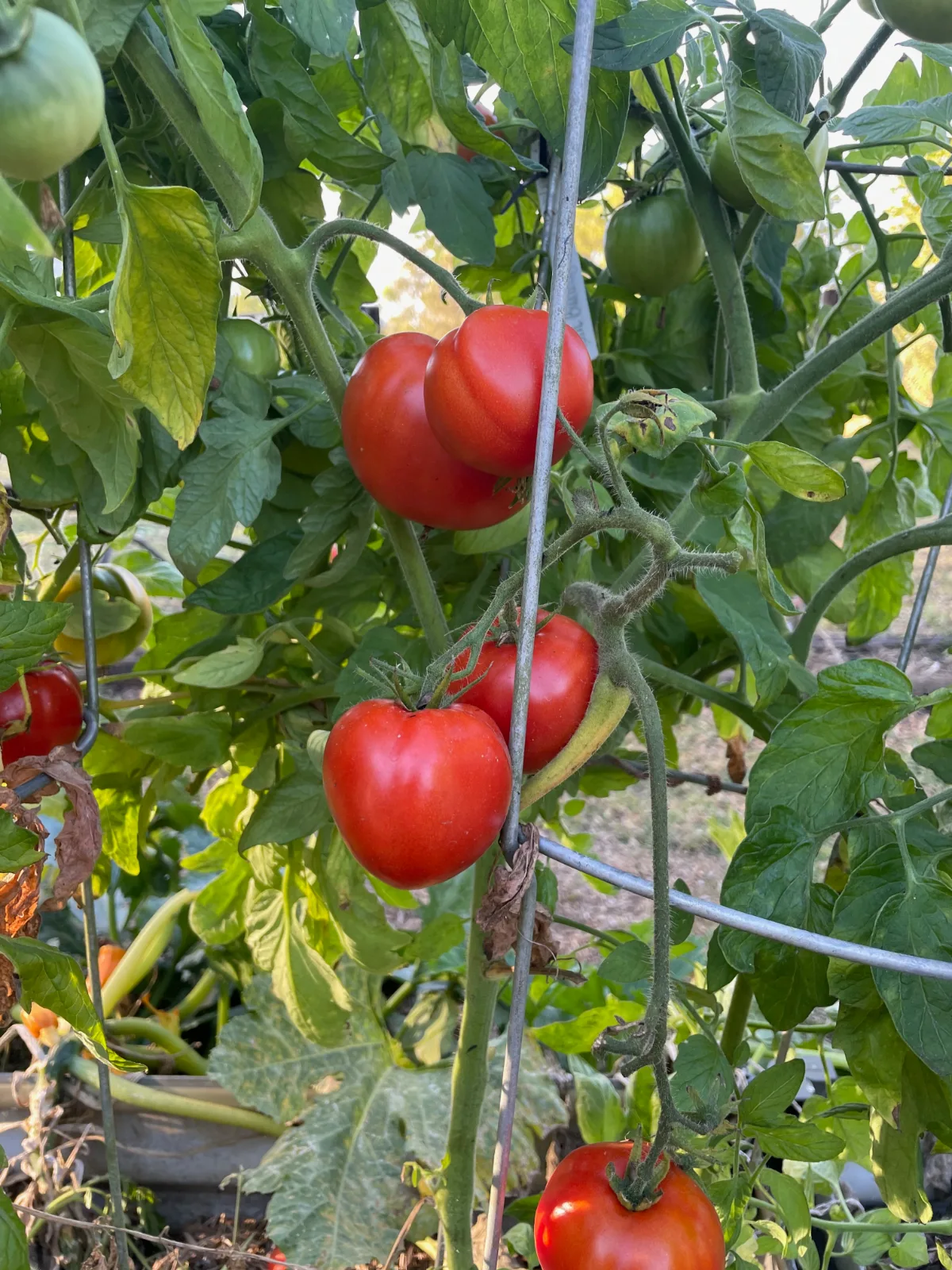
Indeterminate tomatoes need strong support from early in the season. A tall stake, cage, trellis or sturdy frame all work; for large vines, supports around 1.8–2 m are often more useful than short garden stakes.
Tie stems with soft material and leave room for thickening. Determinate bush tomatoes need much less training, although a stake or small cage can stop a heavily laden plant collapsing when fruit develops.
How to Grow Tomatoes in Pots
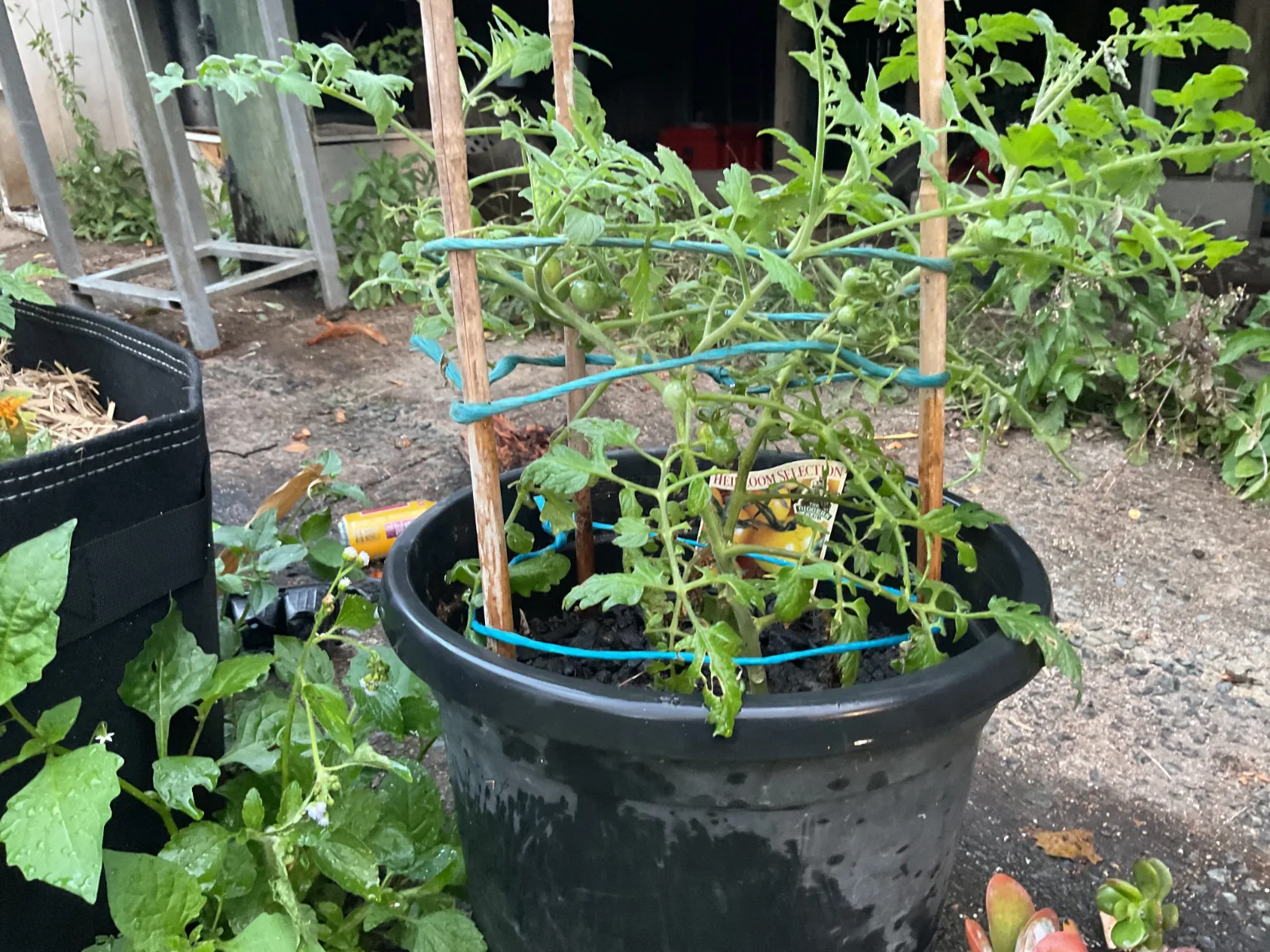
Tomatoes grow very well in containers as long as the pot is large enough to hold moisture and nutrients through the season. Gardening Australia recommends at least 20–25 litres for a tomato plant, and a pot around 40 cm wide gives a useful extra buffer.
Use a good-quality potting mix and make sure the container has generous drainage holes. Compact determinate varieties are easiest in pots, but indeterminate tomatoes can also be grown in large containers if you provide strong support.
Container tomatoes dry and exhaust nutrients faster than plants in the ground. Check moisture frequently in hot or windy weather and feed regularly rather than trying to rescue a badly depleted plant later.
How Often Should You Water Tomatoes?
There is no useful fixed schedule because soil, weather, pot size and plant size change how quickly roots dry. The aim is steady moisture rather than alternating between bone dry and saturated.
Water deeply at the root zone and check the soil before watering again. Pots may need daily checking in hot weather; established in-ground plants can usually be watered less often but more deeply. Irregular watering is strongly linked with fruit splitting and can contribute to blossom-end rot.
Where fungal disease is common, water the soil rather than routinely wetting foliage, particularly late in the day.
Should You Mulch Tomatoes?
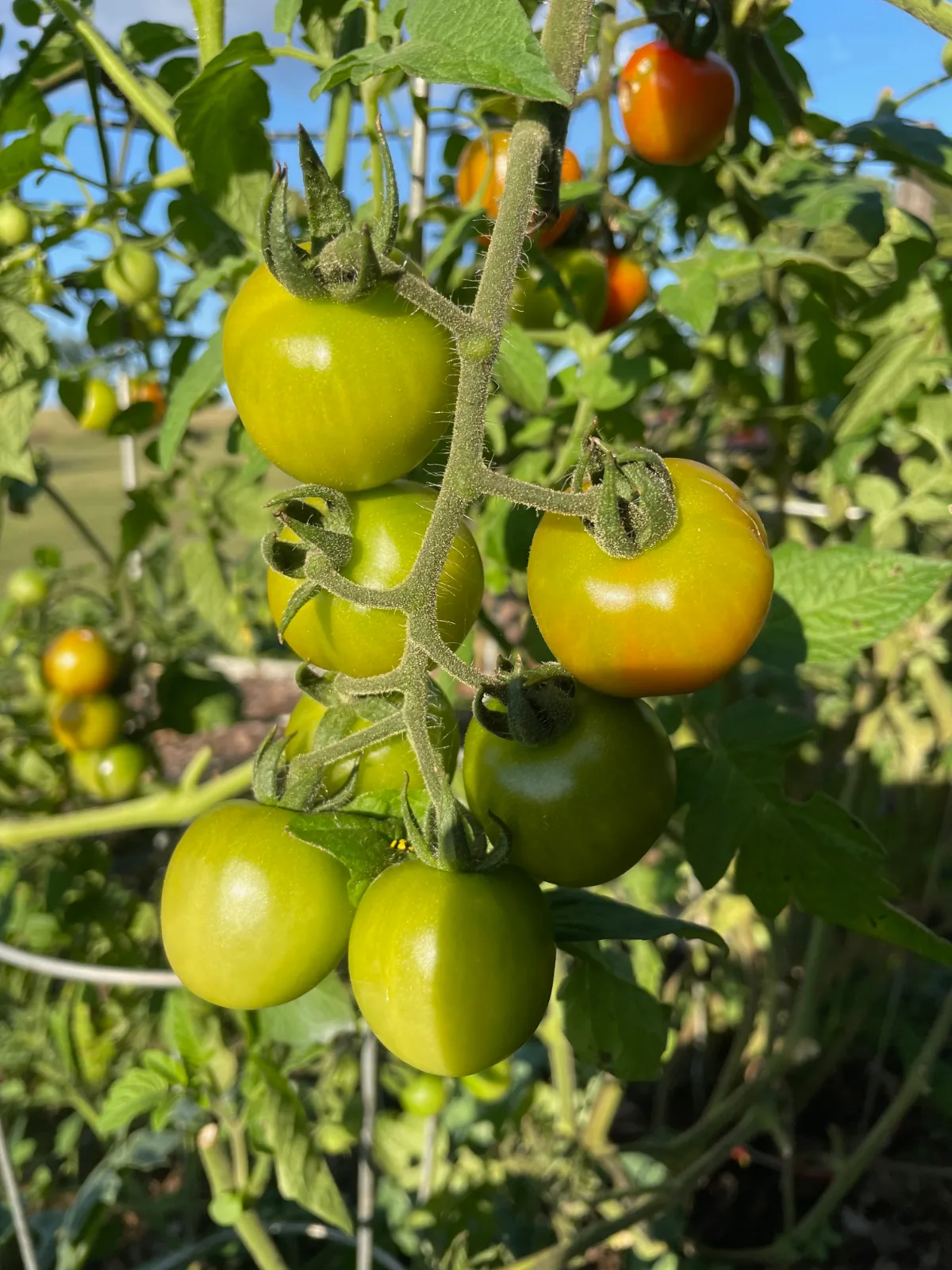
Mulch can help keep soil moisture and root temperature steadier, which is valuable in hot, dry or windy conditions. Keep mulch a little clear of the main stem rather than piling it against the plant.
In very humid climates, use judgement. Dense organic mulch combined with frequent rain can keep the root zone and lower canopy wetter for longer, so drainage and airflow matter as much as moisture conservation.
Grow a Little Wild
New plants to try, useful growing tips and a few garden jobs based on what you grow.
What Fertiliser Should You Use for Tomatoes?
Start with decent soil rather than relying on fertiliser alone. Compost plus a balanced vegetable fertiliser is a good base for most gardens.
Once flowering begins, avoid repeatedly pushing high-nitrogen feeds. Excess nitrogen can produce a large, leafy plant with disappointing fruiting. A complete tomato or fruiting fertiliser with adequate potassium is useful through flowering and fruit development; follow the product rate rather than assuming more is better.
Plants in pots need feeding more regularly because their root system is confined and nutrients wash from the mix with watering.
Should You Prune Tomato Laterals?
First identify the growth type. Indeterminate tomatoes can be thinned or trained by removing some laterals — the shoots that form in the angle between a leaf and the main stem — especially where plants become crowded.
You do not need to strip every lateral from every tomato. Some growers train one main stem; others keep two or three leaders. The goal is a manageable plant with enough healthy leaf area to feed the fruit and enough airflow to reduce disease.
Determinate bush tomatoes generally need little pruning. Heavy pruning can remove branches that would have carried much of their crop. Remove dead, diseased or soil-touching leaves from either type.
Tomato Flowers and Fruit Set
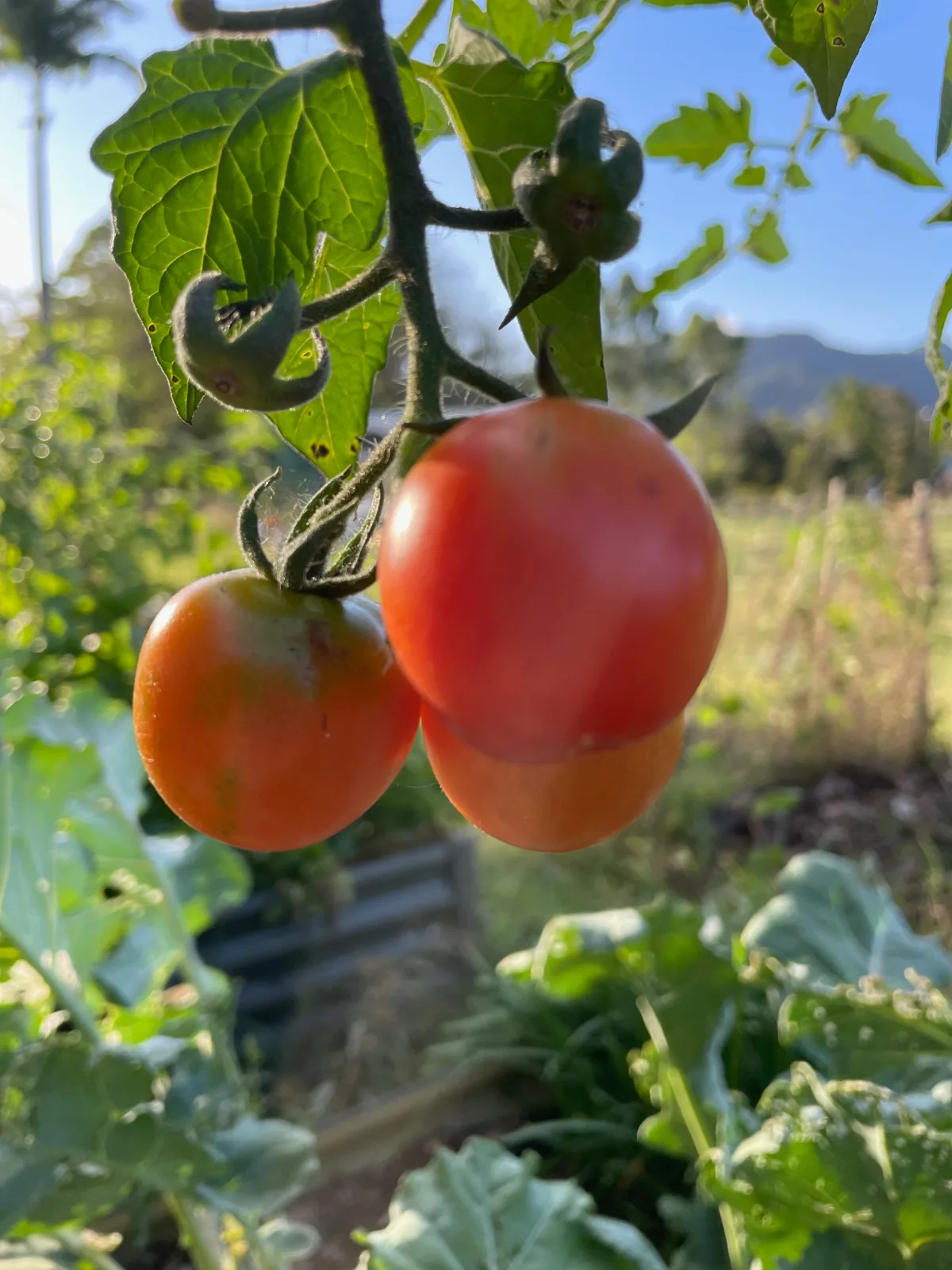
Tomato flowers are self-fertile, so you do not need separate male and female plants. Wind, insects and movement help shake pollen within the flower.
Extreme heat, very high humidity, cold nights, water stress and excessive nitrogen can all reduce fruit set. This is one reason tomato season matters so much in tropical and subtropical Australia: plants may grow strongly in the wet-season heat but still set fruit poorly.
How Long Do Tomatoes Take to Grow?
Timing varies widely by variety and climate. Many garden tomatoes begin producing roughly 8–12 weeks after transplanting, while some cherry types are faster and large late-season varieties take longer.
Seed-grown plants need extra time before transplanting. Cool weather slows growth; excessive heat can delay fruit set even when the plant itself is growing quickly. Use the variety's stated days to maturity as a guide, not an appointment.
When Are Tomatoes Ready to Pick?
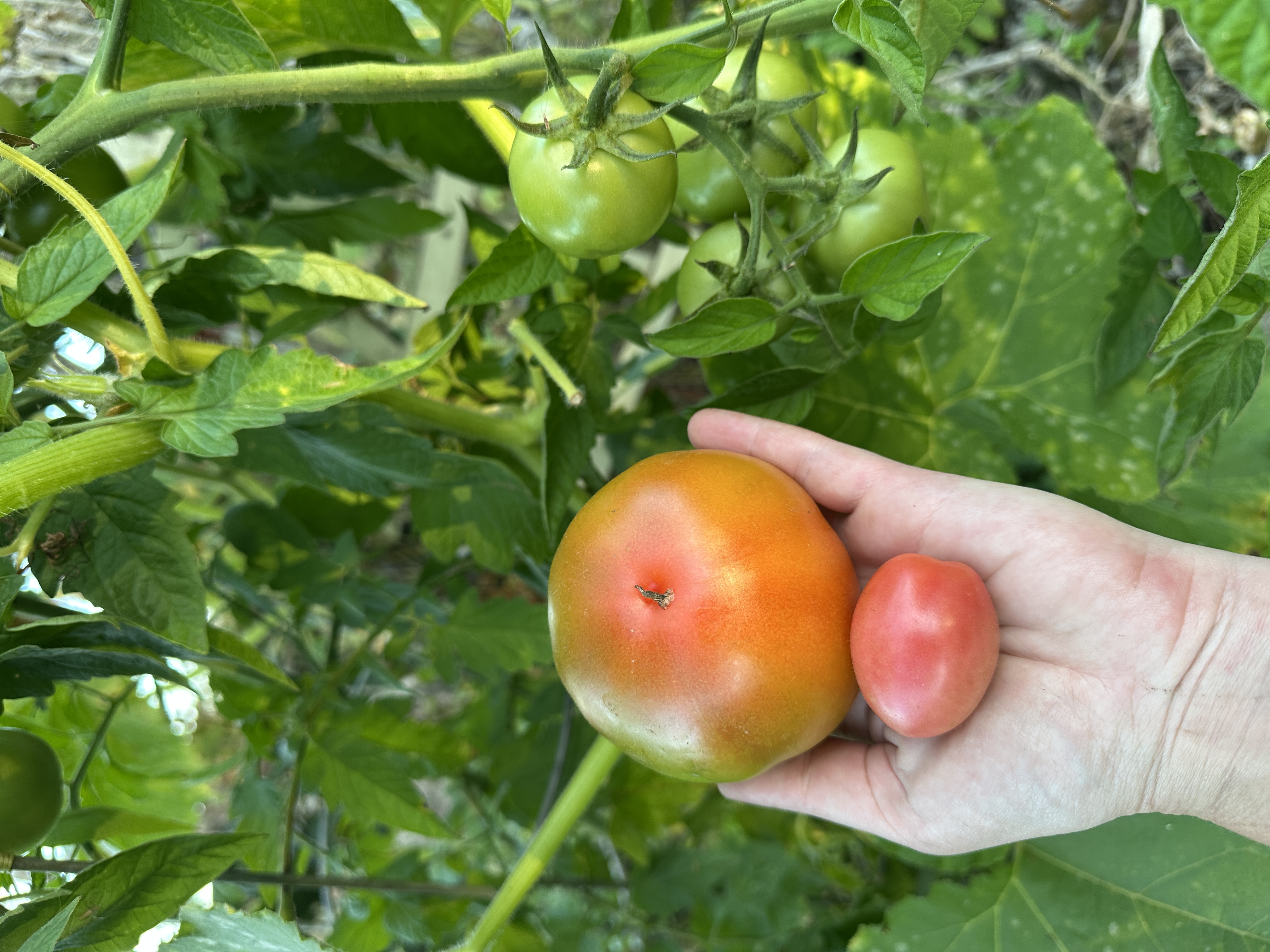
Pick according to the mature colour of the variety rather than assuming every tomato should be red. Fruit should have developed good colour and flavour and usually softens slightly as it ripens.
You do not have to leave every tomato on the vine until fully ripe. Gardening Australia notes that fruit can be picked when it is just starting to colour and allowed to finish ripening indoors, which can reduce losses to birds, caterpillars and weather damage.
Will Green Tomatoes Ripen After Picking?
Tomatoes that have started to change colour usually continue ripening after harvest. Late in the season, fruit can be brought inside and left to ripen away from frost, feeding insects or declining vines.
Very immature green fruit is less reliable, but it does not have to be wasted: green tomatoes can be used in chutneys, pickles and cooked dishes. If a whole plant is being removed at the end of the season, some gardeners hang the vine under cover so remaining fruit can continue to mature.
How to Save Tomato Seed
If you want to collect tomato seed, start with a healthy, fully ripe fruit. Open-pollinated varieties are the best choice when you want the next generation to resemble the parent; seed from an F1 hybrid is still viable, but the plants may turn out quite different.
The slippery gel around fresh tomato seed helps stop it germinating inside the fruit. For seed you want to clean, dry and store, let the seeds and their gel ferment briefly in a small jar or container. Usually a few days is enough for the gel to break down. Add a little water if needed, then rinse the seed well through a fine sieve and spread it out to dry completely before labelling and storing it somewhere cool and dry.
This fermentation step is for stored seed. You do not need to ferment seed before every tomato can grow. If a ripe tomato falls into the garden and breaks down naturally, the pulp and gel decompose around the seed and seedlings can appear later on their own.
Letting Tomatoes Self-Seed
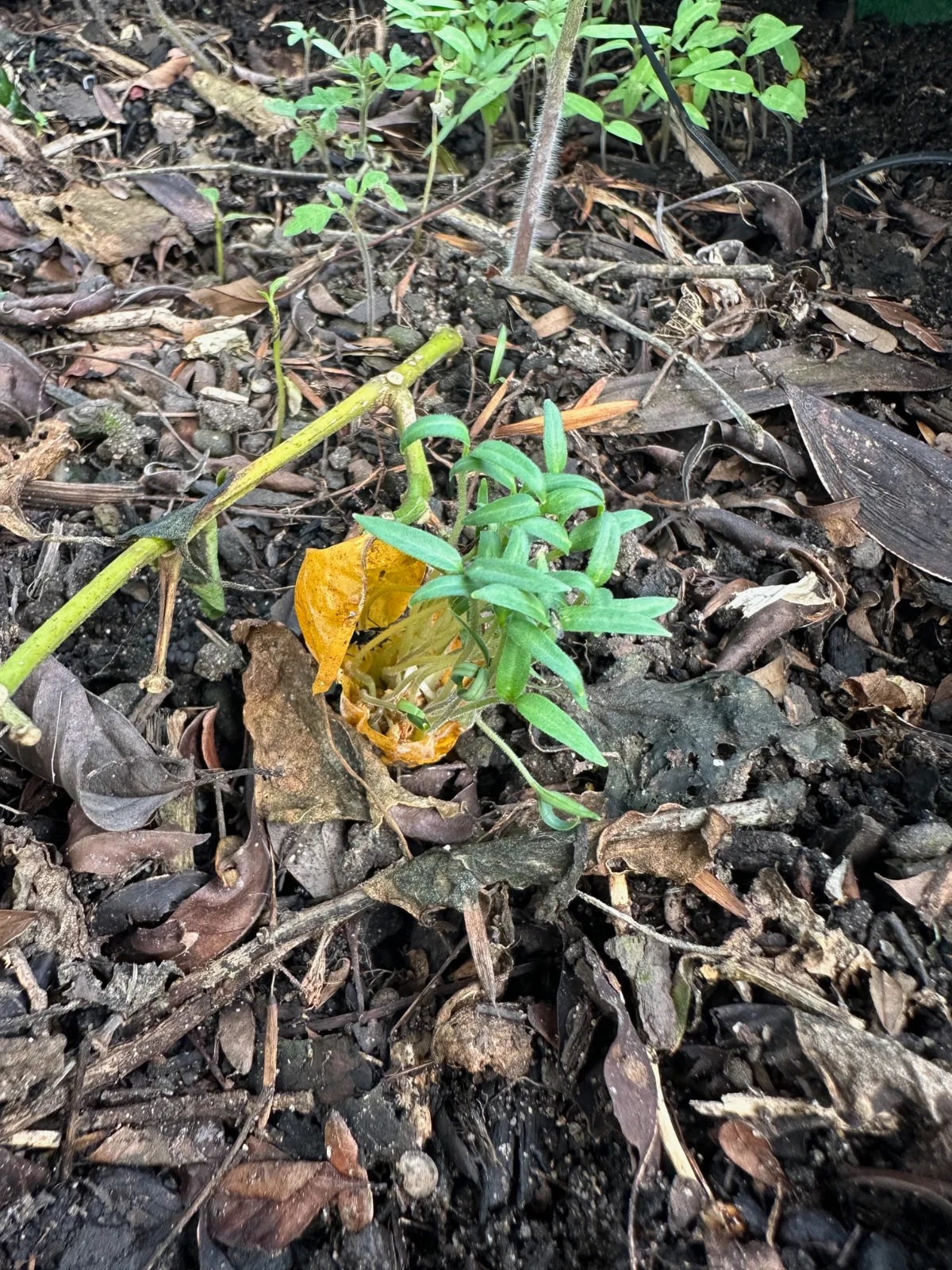
Tomatoes are very good at sowing themselves. A ripe fruit that falls into mulch, compost or a garden bed can leave you with seedlings months later, and in warm climates they may appear through much of the year. If a volunteer comes up somewhere useful, I am quite happy to leave it, thin the weaker seedlings and give the strongest one a stake or move it while it is still small.
This works particularly well with open-pollinated and heritage tomatoes because the seedlings are more likely to resemble the parent. Volunteers from hybrid tomatoes can still be worth growing, but the fruit may be different in size, flavour, colour or growth habit.
Keep a little judgement in the system. Several seedlings crowded together should be thinned, and if you are rotating tomatoes away from a bed because of soil-borne disease, nematodes or repeated problems with insects feeding on crops, a cheerful volunteer tomato is still a tomato. Move it or remove it rather than undoing the rotation. Otherwise, self-sown tomatoes are one of the easiest ways to let the garden do some of the propagation for you.
Why Do Tomatoes Get Blossom-End Rot?
Blossom-end rot appears as a dark, sunken patch at the end of the fruit opposite the stem. It is linked to calcium not reaching developing fruit effectively.
Low soil calcium or unsuitable pH can contribute, but inconsistent water is a very common trigger. If roots repeatedly dry out and are then flooded, calcium movement through the plant becomes erratic. Keep moisture more even, avoid excessive nitrogen, and test soil before adding lime or calcium products blindly.
Why Are My Tomatoes Splitting?
Fruit often splits when water availability changes suddenly — for example, dry soil followed by heavy rain or a large watering. The fruit swells faster than the skin can stretch.
Keep moisture steadier, especially as fruit sizes up. Mulch can help in dry climates, and pots need enough volume that they do not swing from dry to saturated within hours. Harvest nearly ripe fruit before a major rain event if splitting is a repeated problem.
Why Are Tomato Leaves Yellow or Curling?
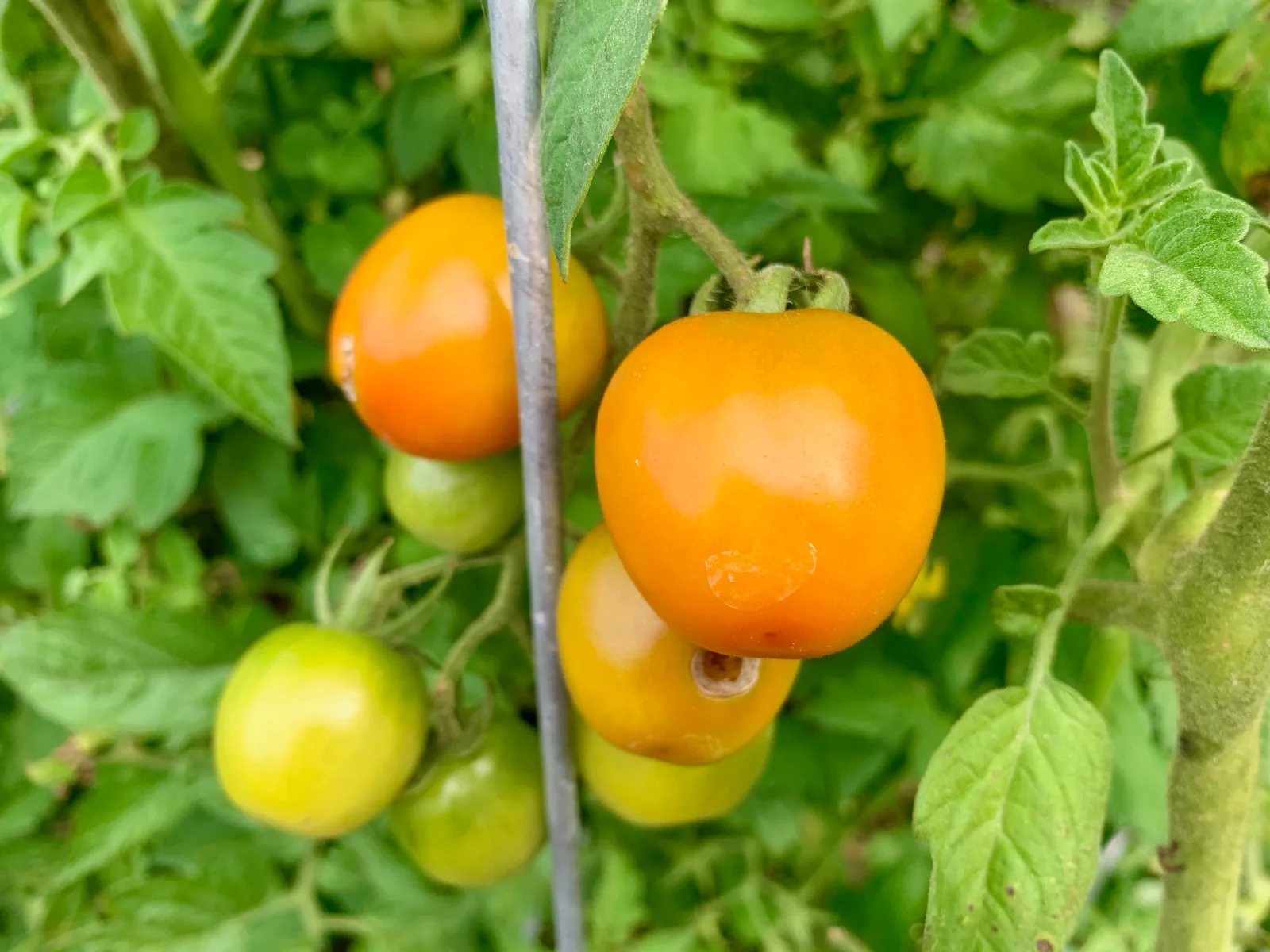
Yellowing or curling leaves are symptoms rather than a single diagnosis. Older lower leaves naturally decline, but widespread yellowing can point to nutrient problems, root stress, disease or prolonged wet soil.
Leaf curl can also follow heat, irregular moisture or excessive nitrogen. Look at the whole plant: which leaves are affected, whether there are spots or distorted new shoots, how wet the soil is and whether aphids, mites or whitefly are feeding on the leaves.
Common Tomato Insects and Diseases
Tomatoes can attract caterpillars, aphids, whitefly, mites and fruit fly, depending on location. Fungal and bacterial leaf diseases become more troublesome when foliage stays crowded and wet.
Start with prevention: space plants properly, keep supports open, remove badly affected lower leaves, water the roots rather than the foliage where disease pressure is high and clear old tomato debris at the end of the crop. Rotate tomatoes away from other solanaceous crops where soil-borne disease has been a problem.
Growing Tomatoes in Tropical and Subtropical Australia
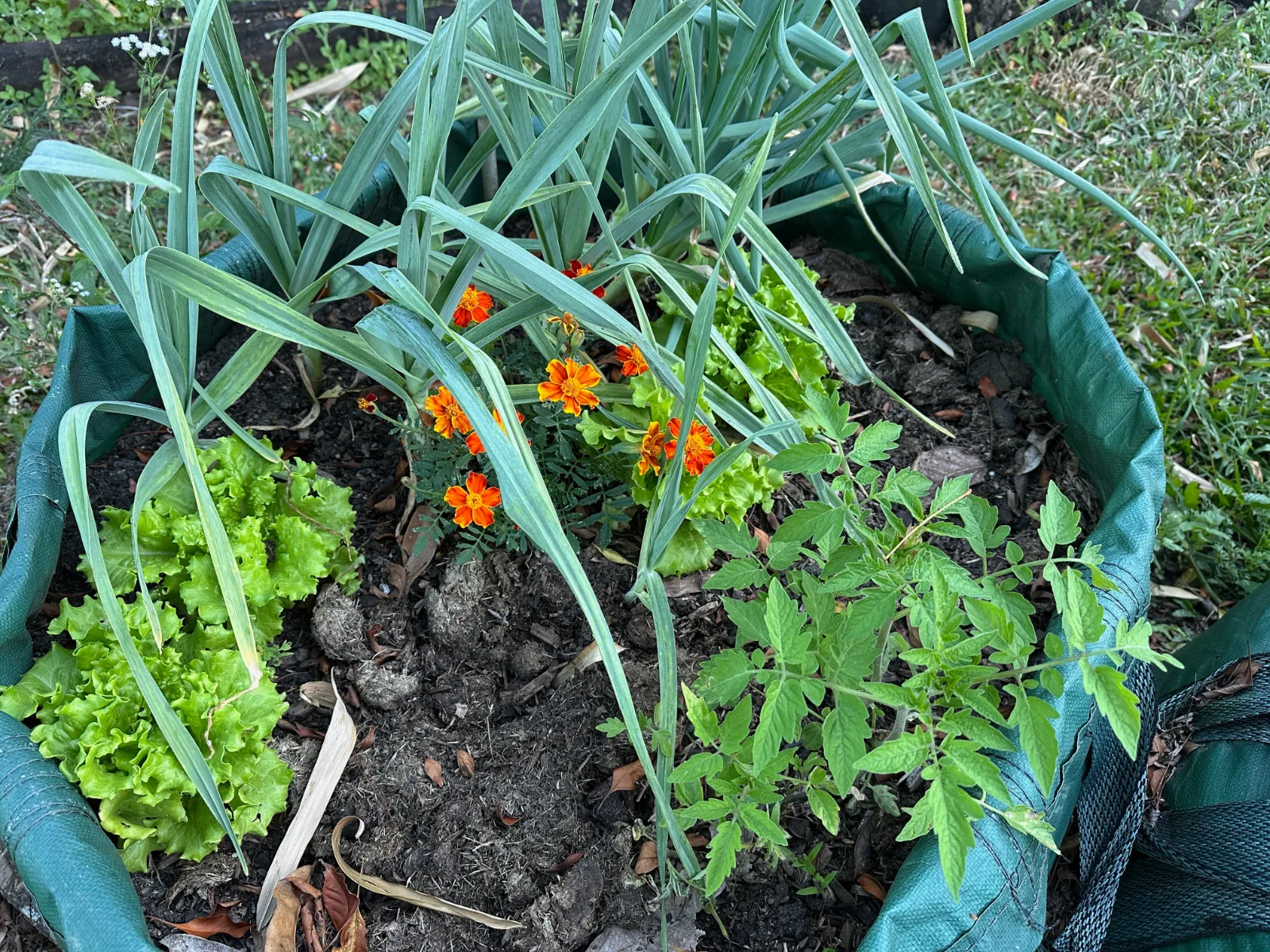
The main adjustment is timing. In much of subtropical Australia, sowing in March and planting in April or May lets tomatoes grow through the cooler, drier season. In the tropics, aim for the dry season rather than the wet.
Humidity, fungal disease, fruit fly and poor fruit set in hot weather can make wet-season crops much harder. Choose locally proven varieties, give plants generous airflow and avoid treating southern spring planting dates as universal Australian advice.
Are Tomato Leaves Edible?
Treat the ripe fruit as the edible part of the plant. Tomato foliage and stems contain glycoalkaloids and are not used as a leafy vegetable. Keep prunings away from pets and livestock that are likely to chew them.
Sources Checked
I checked Australian growing advice against these sources:
- ABC Gardening Australia — Tomato Care (2025): determinate tomatoes, feeding, moisture and disease.
- ABC Gardening Australia — Cold Climate Tomatoes from Seed (2025): seed raising and germination.
- ABC Gardening Australia — FAQs: Picking tomatoes (2024): harvesting and indoor ripening.
- ABC Gardening Australia — Subtropical Starters (2024): subtropical tomato timing.
- ABC Gardening Australia — Crop Pots (2024): container growing.
- ABC Gardening Australia — Tomato Trade (2022): climate-by-climate planting timing.
- ABC Gardening Australia — Top Tomato Tips (2021): determinate vs indeterminate, staking, position and common problems.
- ABC Gardening Australia — Blossom-end Rot (2021/2022): calcium, soil pH and consistent moisture.
- ABC Gardening Australia — Tip Top Tomatoes (2020): spacing, deep planting, support and feeding.
- ABC Gardening Australia — Tomato Time (2015/2018): growing tomatoes in pots, pot volume and training.
- ABC Gardening Australia — Saving Seed (2016): fermenting tomato seed before cleaning, drying and storage.
- ABC Gardening Australia — Volunteer Plants (2009) and Volunteers (2018): self-sown tomatoes, managing volunteers and keeping crop rotation in mind.
Questions People Ask
- What month should I plant tomatoes in Australia?
It depends on climate. Cool and temperate gardeners usually plant in spring after frost and once soil has warmed. Subtropical gardeners often get the easiest crop by sowing in March and planting in April or May, while tropical tomatoes are usually best through the dry season.
- Do tomatoes need full sun?
Usually yes. Aim for at least six hours of direct sun. In cool areas, more sun is useful; in very hot tropical, subtropical or inland gardens, some protection from severe afternoon sun can reduce heat stress and sunscald.
- How big should a pot be for tomatoes?
Use at least about 20–25 litres for one tomato plant. A container around 40 cm wide gives a better moisture and nutrient buffer, especially for vigorous varieties. It must have good drainage and enough support for the plant.
- Should I remove tomato laterals?
Only when it suits the growth type and training system. Indeterminate tomatoes can be thinned to one, two or three main leaders for easier staking and airflow. Determinate bush tomatoes generally need little pruning because removing too much growth can remove fruiting branches.
- How often should tomatoes be watered?
Water according to soil and weather rather than a fixed calendar. Keep the root zone consistently moist without leaving it saturated. Pots may need daily checking in hot weather; in-ground plants usually need less frequent but deeper watering.
- Why are my tomato flowers falling off without fruit?
Heat, cold nights, very high humidity, water stress and excess nitrogen can all interfere with fruit set. In tropical and subtropical climates, moving the crop into the cooler, drier season often improves fruiting dramatically.
- Can tomatoes ripen after you pick them?
Yes. Tomatoes that have begun to colour can finish ripening indoors. Picking at first colour can be useful when birds, caterpillars, fruit fly or bad weather are damaging fruit on the vine.
- Can you grow tomatoes from saved seed?
Yes, especially from open-pollinated varieties. Save seed from healthy, fully ripe fruit, ferment briefly to remove the gel coating, rinse and dry thoroughly. Seed from F1 hybrids may produce plants unlike the parent.
Grow Tomato
Add it to My Garden for practical jobs matched to your climate and the season.