


Plant profile
Cucamelon
Melothria scabra
Also known as Mexican sour gherkin, Mouse melon, Mexican sour cucumber.
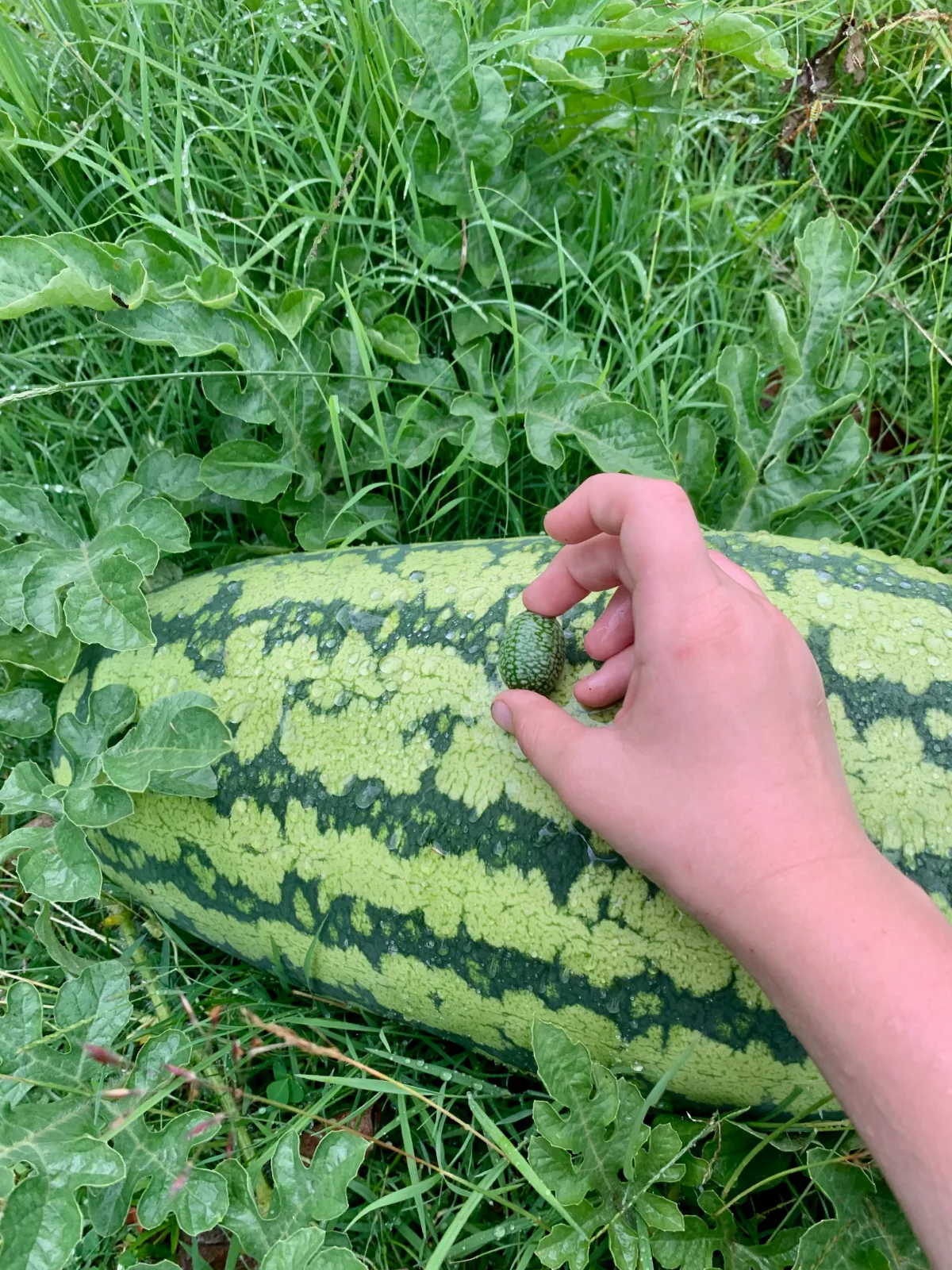
Cucamelon is a fine-stemmed warm-season climber that produces grape-sized green fruit patterned like tiny watermelons. The fruit is crisp and cucumber-like with a tart edge. Grow it up a trellis, keep the root zone evenly moist and pick regularly once fruiting starts.
- Grows well in
- Tropical, Subtropical, Temperate, Arid / inland, Mediterranean
- Lifecycle
- Tender perennial climber, usually grown as an annual
- Light
- Full sun, Part shade
- Mature size
- Trellised vines commonly reach about 1.5–2.5 m; the plant stays much lower if allowed to sprawl
- Spacing
- About 30–45 cm between plants on a trellis
- Growth habit
- Fine, fast-growing tendril climber with small leaves, yellow flowers and grape-sized fruit
- Native range
- Mexico to Venezuela
- Natural habitat
- Warm tropical and subtropical scrub, forest margins and open disturbed ground.
When to plant
Tropical and subtropical: grow through the warm season, avoiding the wettest disease-prone period if mildew is a recurring problem. Temperate and Mediterranean: sow in spring after frost. Arid/inland: spring to early summer with reliable irrigation.
Planting
Sow or plant once the soil is warm and frost risk has passed. Give the vine a trellis from the start so the fine stems do not tangle through nearby crops. Seedlings are small at first but accelerate once warm weather settles in.
Position and light
Full sun is best in mild and temperate summers. In very hot inland or tropical gardens, morning sun with some protection from harsh afternoon heat can help keep the foliage and fruit in better condition.
Soil
Loose, fertile, free-draining soil with compost mixed through. In pots use a quality vegetable potting mix and a container large enough to stay evenly moist through hot weather.
Watering
Water regularly while vines establish and during flowering and fruiting. Do not leave the root zone constantly saturated, but avoid repeated wilting because the small developing fruit can stall or drop.
Feeding
Compost at planting plus an occasional balanced vegetable feed is usually enough. Avoid pushing heavy nitrogen once vines are established or you may get plenty of foliage with less flowering.
Pruning
No routine pruning is needed. Train wandering stems onto the trellis and trim them only if they are smothering nearby plants or making the crop impossible to reach.
Harvest
Pick the fruit while it is firm, green and around grape size. Regular picking encourages the vine to keep producing. Older fruit becomes softer and seedier and is better left only if you want seed.
Propagation
Usually grown from seed. Save seed from fully mature fruit, rinse away the pulp, dry it thoroughly and store it somewhere cool and dry. In frost-free climates the underground tuber may persist, but seed is the simplest way to start again.
Common problems
Powdery mildew can develop late in the season, especially where foliage is crowded and airflow is poor. Aphids, mites, slugs and snails may damage young growth. Heat or drought stress can reduce flowering and fruit set.
Safety notes
The fruit is edible and is normally eaten fresh or pickled. As with other cucurbit crops, avoid eating unusually bitter fruit.
Worth knowing
Despite the common name, cucamelon is not a tiny watermelon or a cucumber cultivar. It is Melothria scabra, a separate cucurbit from tropical America. The flavour is cucumber-like but noticeably tart, which is why Mexican sour gherkin is another useful name.

Grow Cucamelon with Brancho
Add it to My Garden and Brancho works out what it needs next, timed for your climate.
How it grows around Australia
Growing this too? Share what you've noticed in your garden.
Grow a Little Wild
New plants to try, useful growing tips and a few garden jobs based on what you grow.