
Plant profile
Moringa
Moringa oleifera
Also known as Drumstick tree, Horseradish tree, Malunggay, Sajna.
Moringa grows faster than almost anything else in a warm garden, and you eat the leaves, the young pods and the flowers. Keep it cut low and it becomes a leaf crop rather than a tree.
- Grows well in
- Tropical, Subtropical, Arid / inland
- Lifecycle
- Fast deciduous tree, often grown as a cut-back leaf crop
- Light
- Full sun
- Mature size
- Up to 10 m if left alone; kept at 2 to 3 m as a pruned leaf crop
- Spacing
- 1 m apart for a hedge-style leaf crop, 4 m as a tree
- Growth habit
- Fast, upright, soft-wooded tree with fine feathery leaves
- Native range
- North-eastern Pakistan to north-western India
- Natural habitat
- Dry tropical and subtropical woodland, scrub and rocky foothills.
When to plant
Tropical
October–January
Subtropical
September–December
Arid inland
September–November
Tropical: at the start of the wet season. Subtropical: spring to early summer. Arid: spring, with water available for the first season. Not recommended in the ground in frost areas.
Planting
Sow seed straight into warm ground about 2 cm deep, or plant a thick hardwood cutting. Growth is quick once the soil is warm, often a metre or more in the first season. Plant at the start of the warm season and keep it away from paths and pipes, because the tree gets large if you let it.
Position and light
Full sun, all day. Moringa does not perform in shade.
Soil
Sandy or loamy soil that drains freely. It handles poor soil and dry ground, but not heavy wet clay.
Watering
Water young plants until they are established. After that, water during dry weather for leaf production, but do not keep the ground constantly wet. Waterlogged roots rot quickly.
Feeding
Feed lightly. Compost and a balanced fertiliser once or twice through the warm season is enough for a leaf crop. Too much water and nitrogen gives soft growth that snaps in wind.
Pruning
This is the important job. Cut the main stem back to about a metre when the tree reaches head height, then keep pruning to hold it at picking height. Unpruned moringa becomes a tall, brittle tree with all the leaves out of reach. Prune hard at the start of the warm season.
Harvest
Strip young leaves and leaf stalks any time in the growing season and use them like spinach, cooked. Pick pods young, while they still snap, at around 30 to 45 cm. Older pods turn woody and are only good for the seed inside. Flowers are also eaten cooked.
Propagation
From seed, which grows readily, or from thick hardwood cuttings around a metre long pushed into damp soil.
Common problems
Branches break in strong wind because the wood is soft, so keep the tree low. Root rot in wet soil is the main killer. Caterpillars and grasshoppers chew leaves in the wet season. Cold weather makes the tree drop its leaves, and in the subtropics it can look dead over winter before shooting again.
Safety notes
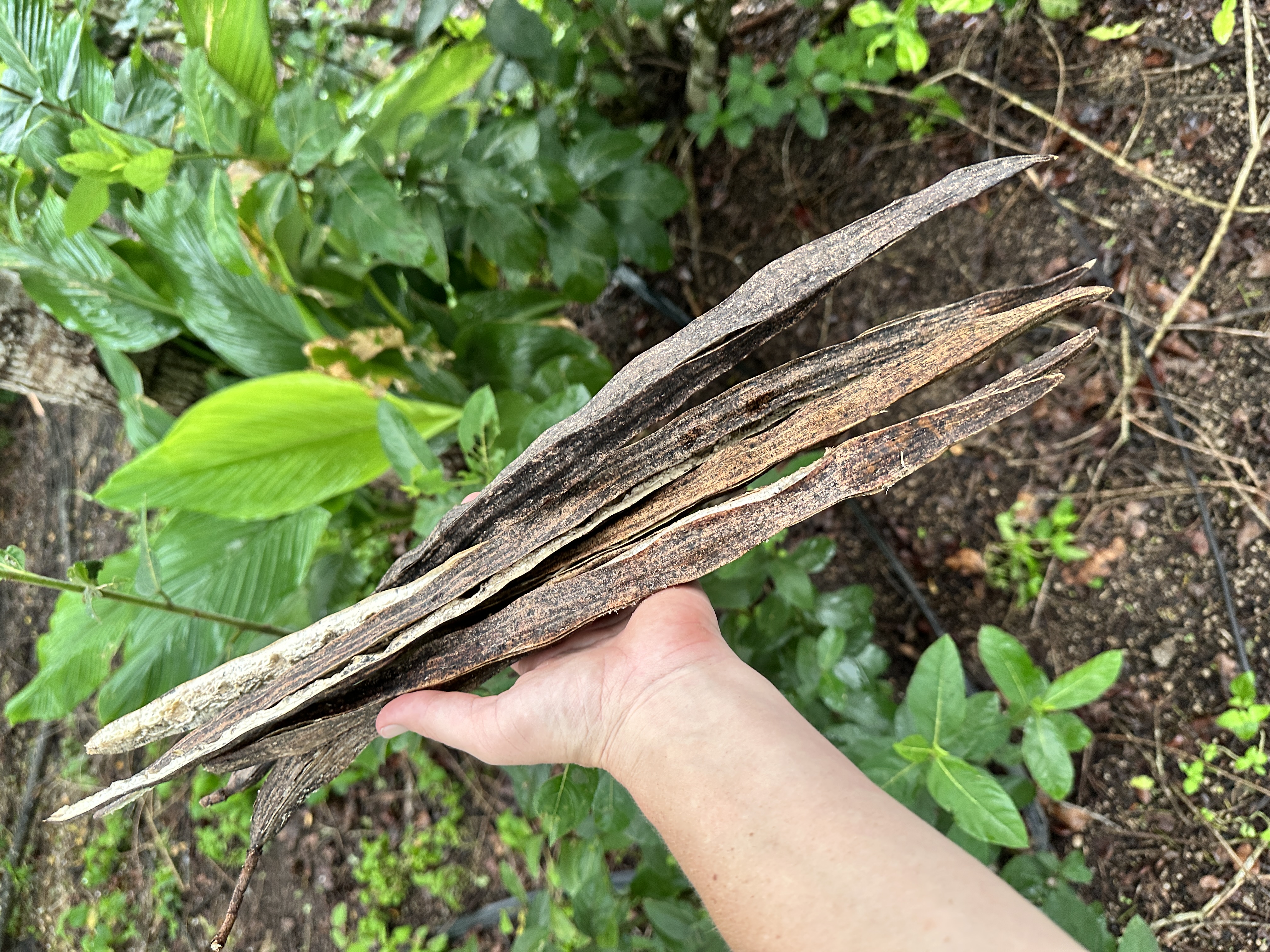
Leaves, young pods and flowers are eaten cooked in many cuisines. Moringa root and root bark contain compounds that are not considered safe to eat, so do not use them. Seed and seed extracts are sometimes taken in large medicinal doses; that is not a garden food use, and anyone pregnant or on medication should get medical advice first.
Worth knowing
Moringa is not suited to cool or frost-prone gardens in the ground. In a cool climate you can still grow it in a large pot as a summer leaf crop and cut it back hard each year.
Grow Moringa with Brancho
Add it to My Garden and Brancho works out what it needs next, timed for your climate.
How it grows around Australia
Growing this too? Share what you've noticed in your garden.
Grow a Little Wild
New plants to try, useful growing tips and a few garden jobs based on what you grow.