


Plant profile
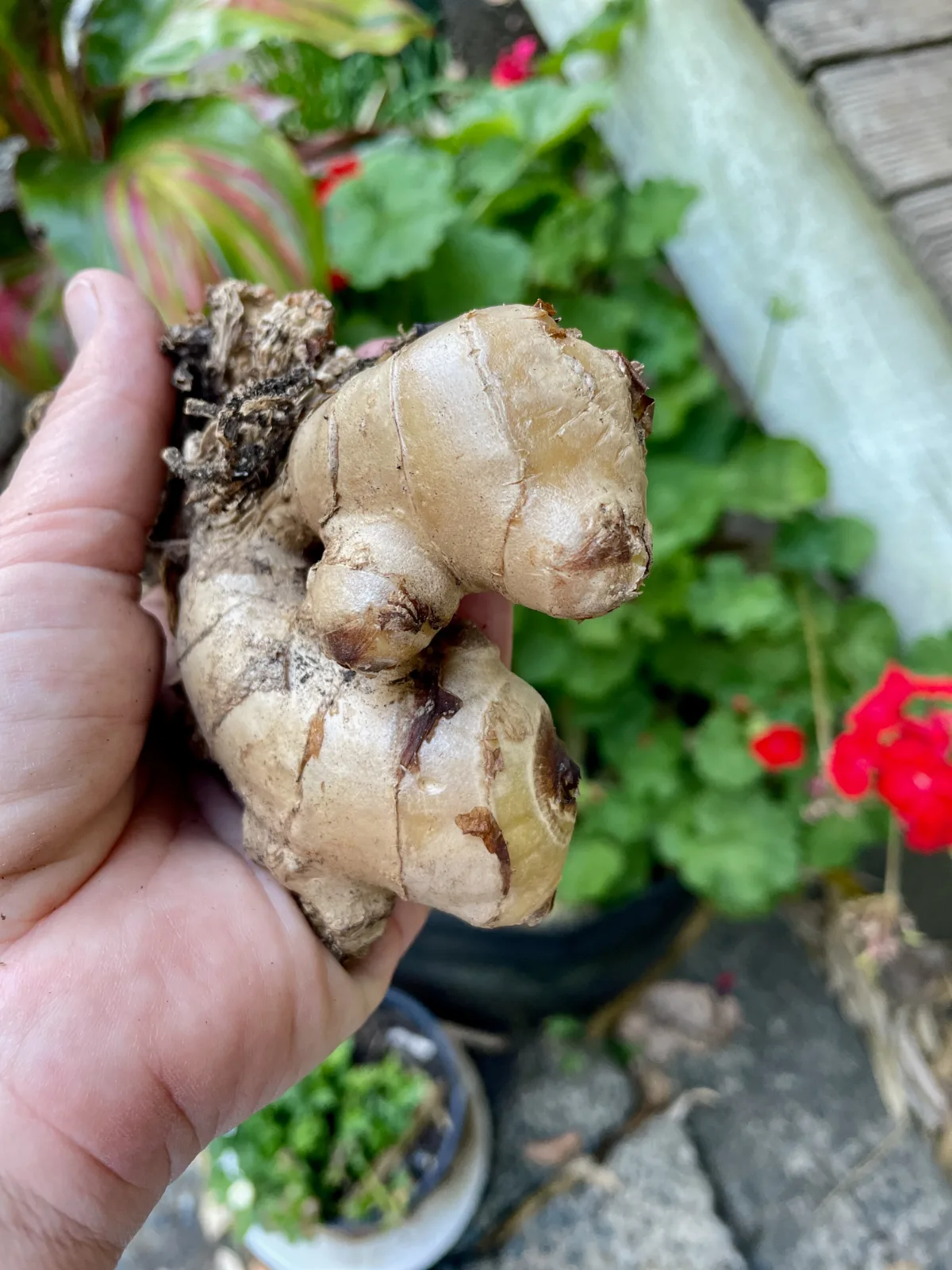
Ginger
Zingiber officinale
Also known as Common ginger.
Ginger is a warm-season rhizome crop that likes rich soil, steady moisture and some protection from harsh afternoon sun.
- Grows well in
- Tropical, Subtropical, Temperate
- Lifecycle
- Perennial rhizomatous herb often grown as a crop
- Light
- Full sun, Part shade
- Mature size
- Usually about 1–1.5 m tall in good conditions, gradually spreading sideways as the underground rhizomes expand.
- Spacing
- Plant rhizome pieces about 20–30 cm apart, with around 30 cm between rows or ridges.
- Growth habit
- Clumping herbaceous perennial that sends upright leafy shoots from fleshy underground rhizomes.
- Native range
- Eastern Himalaya to south-central China
- Natural habitat
- Seasonally dry tropical forest and monsoonal woodland.
When to plant
Tropical
August–November
Subtropical
September–November
Temperate
October–November
Planting
Plant healthy rhizome pieces with visible buds when the soil is warm and new growth is ready to start. Set pieces shallowly in compost-rich, free-draining soil and mulch after planting.
Position and light
Bright filtered light or morning sun with afternoon shade suits warm districts. In cooler areas, use a warm sheltered position with enough light for strong growth.
Soil
Rich soil with plenty of organic matter that holds moisture but still drains well.
Watering
Keep the soil evenly moist during active growth. Reduce watering as leaves naturally yellow and the plant becomes dormant.
Feeding
Add compost before planting and feed lightly during strong leaf growth. Avoid excessive fertiliser late in the season when the crop is moving toward dormancy.
Pruning
No regular pruning is needed. Remove dead stems after the foliage dies back.
Harvest
Young ginger can be taken earlier for tender rhizomes. For a larger mature crop, wait until the leaves yellow and die back, then lift only what you need or harvest the clump.
Propagation
Divide healthy rhizomes, keeping at least one strong bud on each planting piece. In mild climates some rhizomes can be left in the ground for the next season if drainage is good.
Common problems
Rhizome rot is most likely in poorly drained soil. Snails, slugs and chewing insects can damage new shoots. Growth can stall in dry soil or cold weather.
Worth knowing
Edible ginger is Zingiber officinale. It is different from ornamental ginger lilies such as Hedychium species, so keep the botanical name with the plant if you are growing it for the kitchen.

Grow Ginger with Brancho
Add it to My Garden and Brancho works out what it needs next, timed for your climate.
How it grows around Australia
Growing this too? Share what you've noticed in your garden.
Grow a Little Wild
New plants to try, useful growing tips and a few garden jobs based on what you grow.