
Plant profile
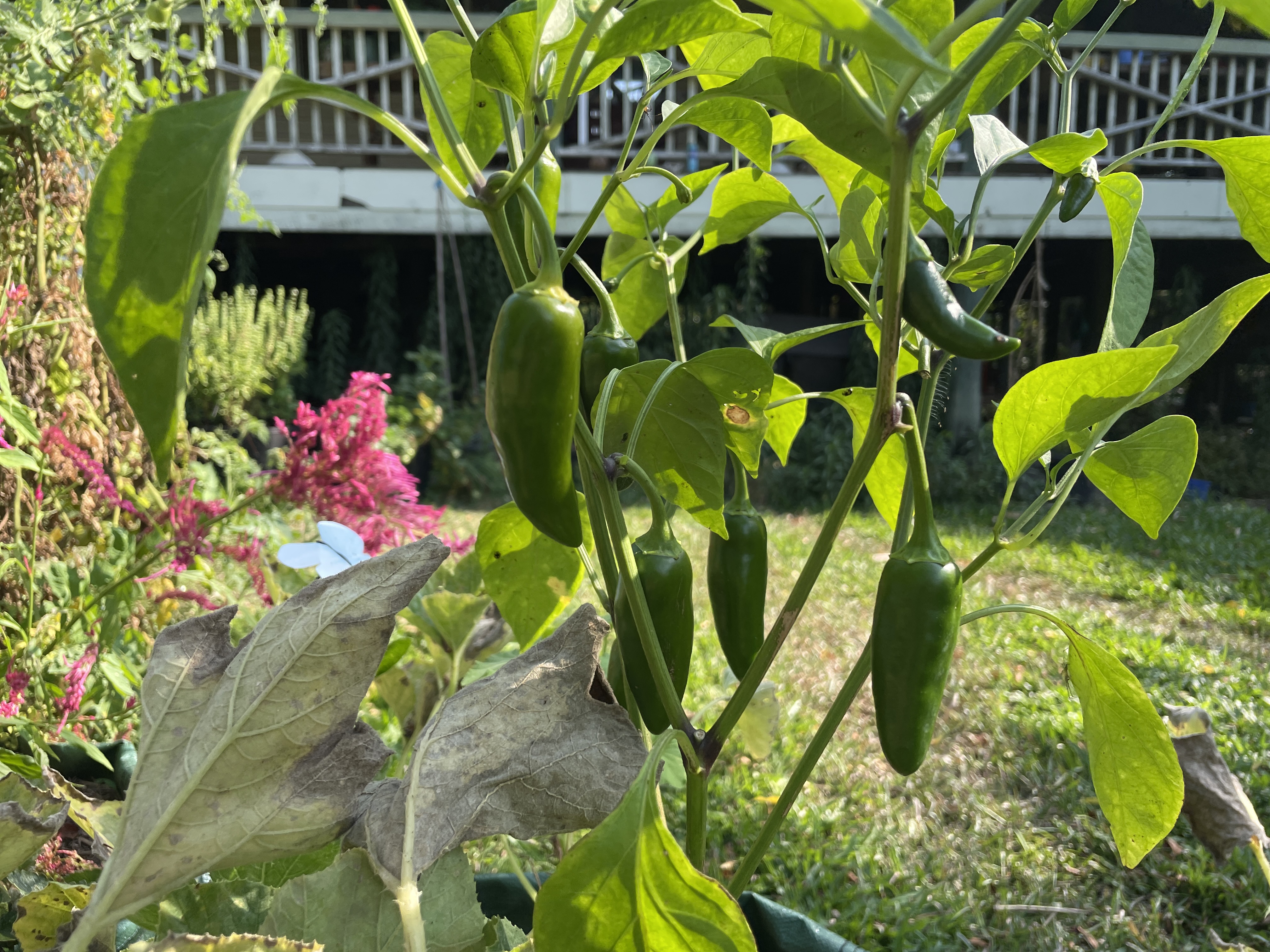
Chilli
Capsicum annuum var. annuum
Also known as Chili, Chile, Hot pepper, Mirchi.
One chilli plant supplies most households for a year, and in a frost-free garden it keeps going for three or four seasons. The second year is usually the best one.
- Grows well in
- Tropical, Subtropical, Temperate, Arid / inland, Mediterranean
- Lifecycle
- Perennial in frost-free gardens, annual where it freezes
- Light
- Full sun
- Mature size
- 40 cm to 1.5 m depending on variety
- Spacing
- 40 to 50 cm apart
- Growth habit
- Bushy branching plant, woody at the base with age
- Native range
- An ancient cultivated chilli originating in central Mexico
- Natural habitat
- A long-cultivated crop from seasonally dry tropical country rather than a plant with one clearly defined wild habitat.
When to plant
Tropical
March–August
Subtropical
August–December
Temperate
October–December
Arid inland
September–November
Mediterranean
September–December
Tropical: dry season, around March to August. Subtropical: late winter to spring. Temperate and mediterranean: plant out mid-spring after frost. Arid: spring, with afternoon shade in summer.
Planting
Sow seed in punnets in warmth, since it germinates slowly below 20 degrees. Plant out after the frosts once nights are mild. Chilli grows well in a large pot, which makes it easy to move somewhere sheltered for winter in cool areas.
Position and light
Full sun. In very hot inland gardens some afternoon shade prevents sunburnt fruit.
Soil
Free-draining soil with compost. Avoid beds that grew tomatoes, capsicum, eggplant or potatoes last season.
Watering
Water deeply and regularly while fruit is setting and filling. Do not keep the soil soaking. Mild dryness late in the season can increase heat in the fruit, but real drought stress drops flowers.
Feeding
Feed with a potassium-leaning fertiliser every three to four weeks from first flowering. High nitrogen gives a bushy green plant and few chillies.
Pruning
Pinch the growing tip early to make the plant branch. In frost-free areas cut the plant back by about a third in late winter, remove dead wood, and it will shoot away and crop earlier than any new seedling.
Harvest
Pick green for a sharper flavour, or leave fruit to colour up for more sweetness and usually more heat. Picking often keeps the plant flowering. At the end of the season pick everything and dry, freeze or make sauce.
Propagation
From seed, kept from a fully ripe fruit. Cuttings also strike in warm weather.
Common problems
Flowers dropping in extreme heat or dry soil. Aphids on new growth and mites in hot dry weather. Fruit fly in most of Australia. Sunburn on exposed fruit as pale, papery patches. Blossom end rot from uneven watering.
Safety notes
Capsaicin burns skin and eyes. Wear gloves when picking and cutting hot varieties, and do not touch your face. Keep very hot varieties out of reach of children. Wash boards and knives well.
Worth knowing
Heat varies with variety, sun, water and how ripe the fruit is, so the same plant can give you mild and fierce fruit in one season. Taste a small piece before you cook with a batch.
Grow Chilli with Brancho
Add it to My Garden and Brancho works out what it needs next, timed for your climate.
How it grows around Australia
Growing this too? Share what you've noticed in your garden.
Grow a Little Wild
New plants to try, useful growing tips and a few garden jobs based on what you grow.