


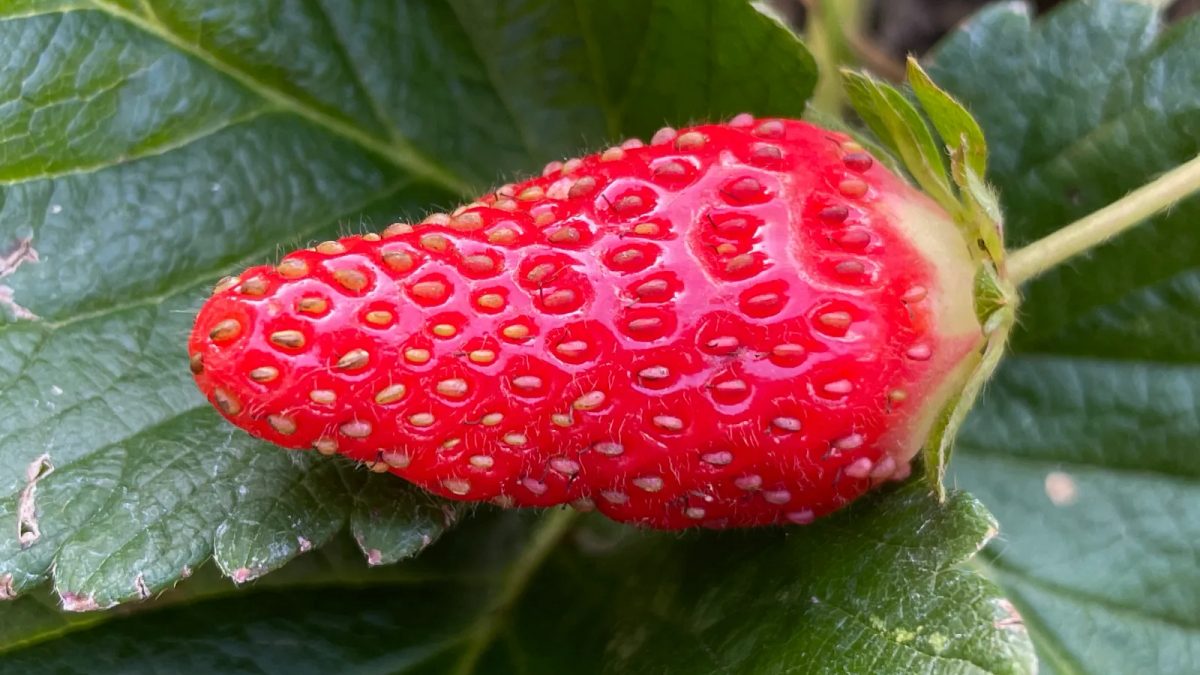

Strawberries suit garden beds, raised beds and pots, and a small patch can give you weeks of fruit through the right season. They grow best with plenty of sun, regular water and good drainage.
The best planting time depends on where you live in Australia, so this guide covers timing by climate along with feeding, runners, pots, fruiting and harvest.
- Botanical name: Fragaria × ananassa
- Also known as: Strawberries
- Category: Fruit & berry
- Lifecycle: Short-lived perennial fruiting plant
- Climates: tropical, subtropical, temperate, cool / mountain, arid inland, Mediterranean
- Position: Full sun gives the best crops in mild weather. In hot districts, morning sun with some afternoon shade can reduce heat stress.
When to Plant Strawberries in Australia
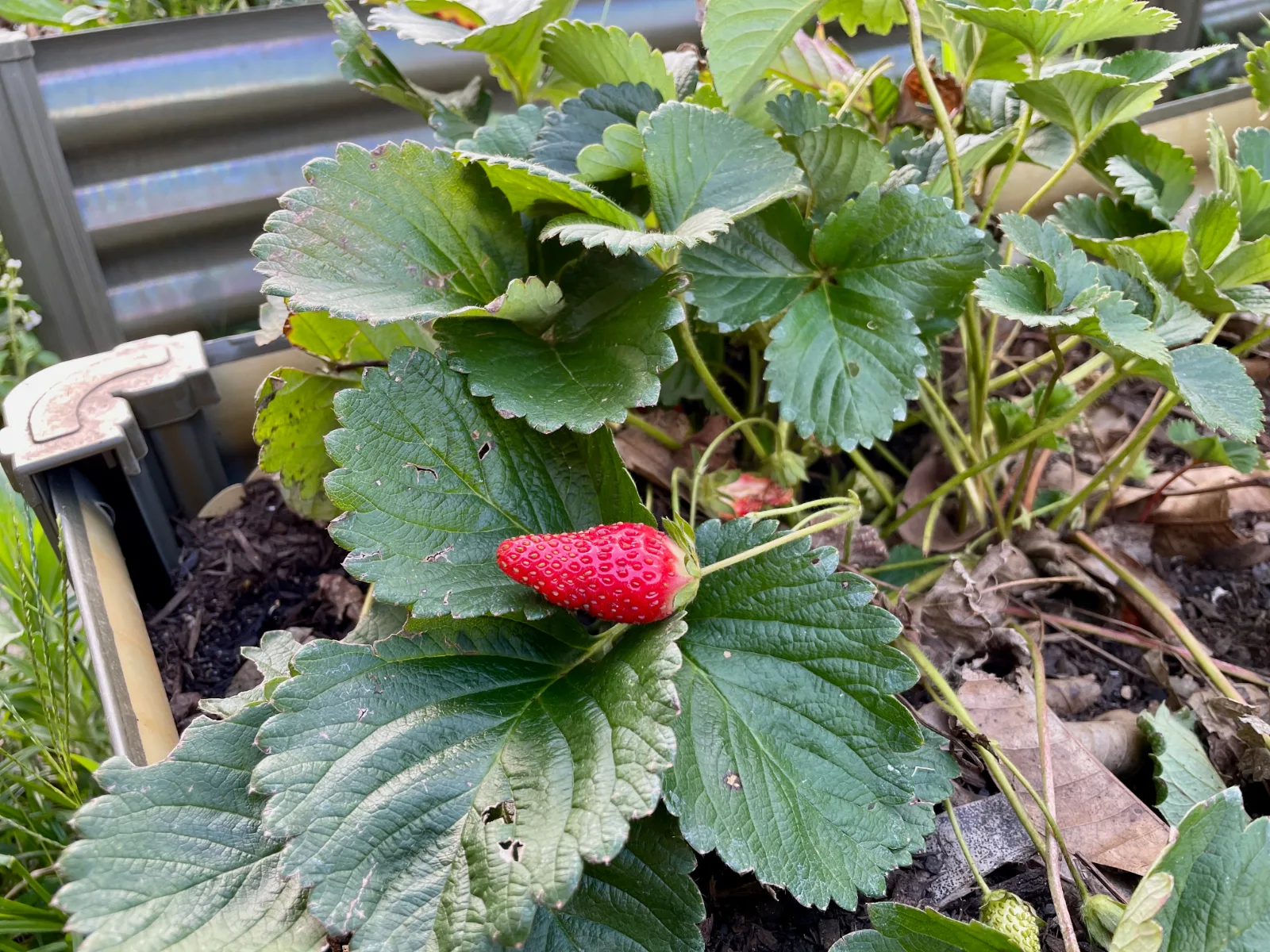
The best time to plant strawberries depends on your climate. In warmer parts of Australia, autumn and winter planting usually works best, while cooler regions can plant later into winter or spring.
- Tropical: Plant in autumn, so plants establish and fruit through the cooler months.
- Subtropical: Autumn is generally the best planting time.
- Temperate: Plant from late autumn through winter.
- Cool climate: Wait until spring, once the worst cold has passed.
- Mediterranean: Late autumn through winter is usually the best fit.
- Arid: Autumn is generally safest, avoiding the hottest part of the year.
You can plant strawberries at other times in many parts of Australia, but choosing the cooler part of the year usually gives them an easier start.
How to Plant Strawberries
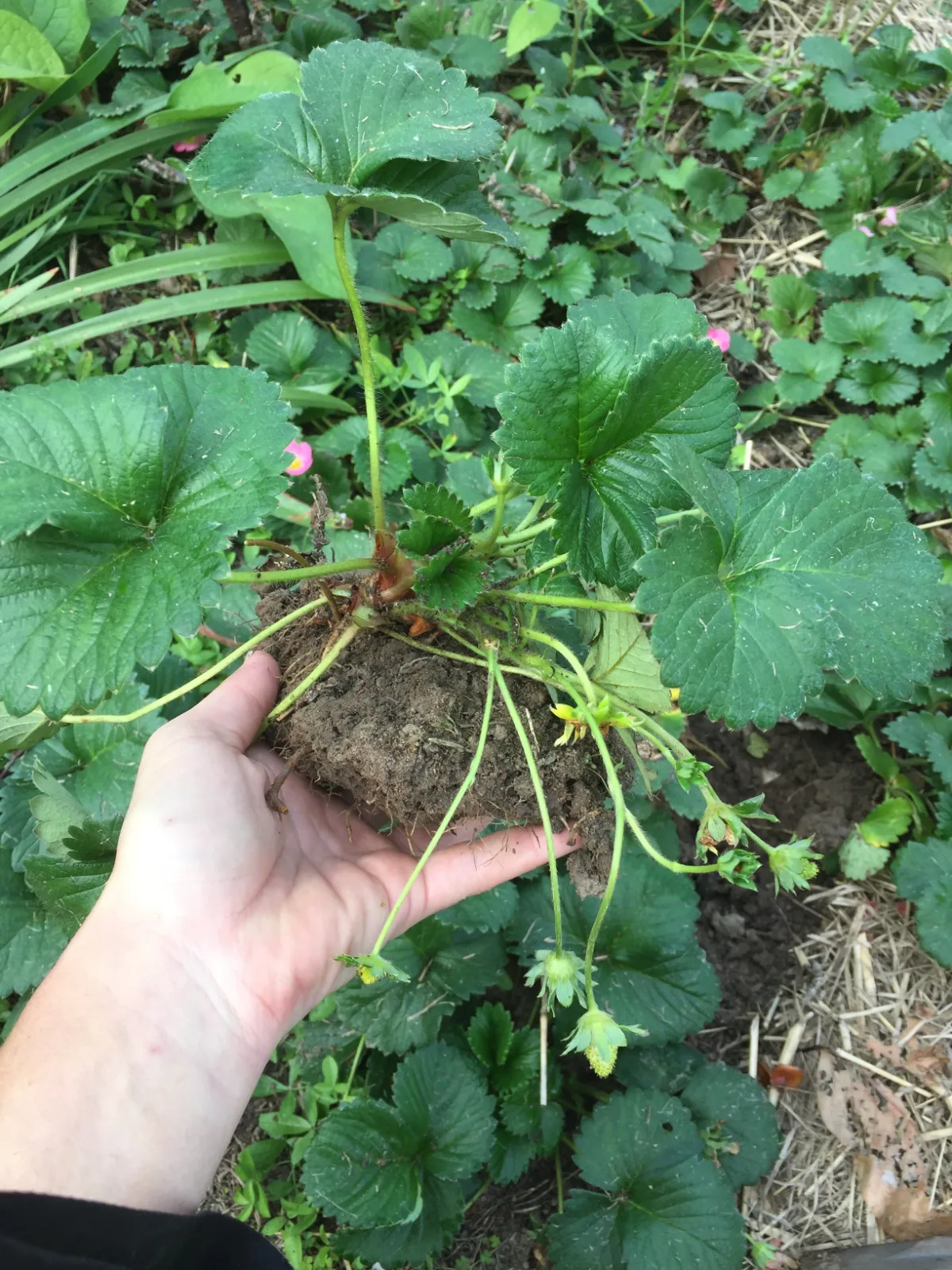
Start with healthy strawberry plants or well-rooted runners.
Plant them so the crown - the point where the leaves emerge - sits right at soil level. If the crown is buried, it can rot. If you plant it too high, the roots can dry out.
Firm the soil around the roots, water well after planting, and add mulch around the plants to help keep fruit clean and reduce moisture loss.
Space your plants about 30 cm apart so air can move through the foliage and the runners have room to spread.
Do Strawberries Need Full Sun?
Strawberries give you the best crops in full sun, especially in mild and cool weather. Aim for at least six hours of direct sun a day.
In hot parts of Australia, like North Queensland where I live, morning sun with some afternoon shade can help protect plants and fruit from extreme heat.
Too much shade, though, usually means fewer flowers and less fruit.
What Soil Is Best for Strawberry Plants?
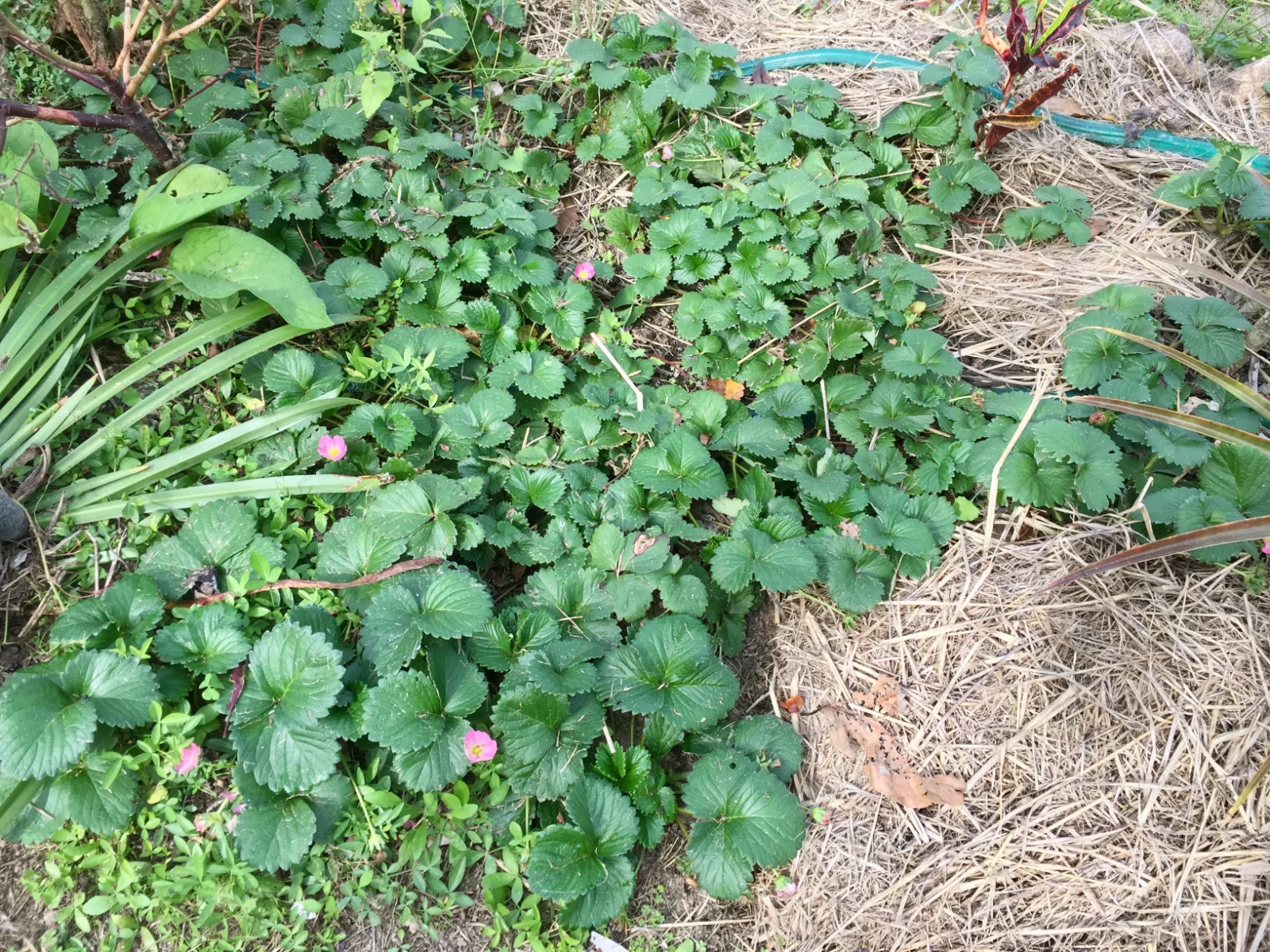
Strawberries grow best in well-draining, slightly acidic soil with a pH around 6-6.5 and plenty of organic matter.
Improve poor soil with compost or a little well-aged manure before planting, but don't go too hard on nitrogen-rich fertilisers. Fertilisers that are too high in nitrogen can encourage lots of leaves and not much fruit. However nice the leaves are, ultimately it's the fruit we want!
Mulch around the plants to conserve moisture, protect your soil, and keep developing strawberries off the ground.
If your soil is heavy clay or doesn't drain well, you're better off growing your strawberry plants in raised beds or pots. I have mine in raised beds and fabric grow bags and they do much better than the ones in the ground.
I love replanting runners - you're basically getting free strawberry plants! I've planted those runners everywhere in the hopes of turning the whole garden into strawberry paradise.
I'm not there yet, as I think strawberries prefer a climate that is not quite so humid, but I'm trying.
How to Grow Strawberries In Pots
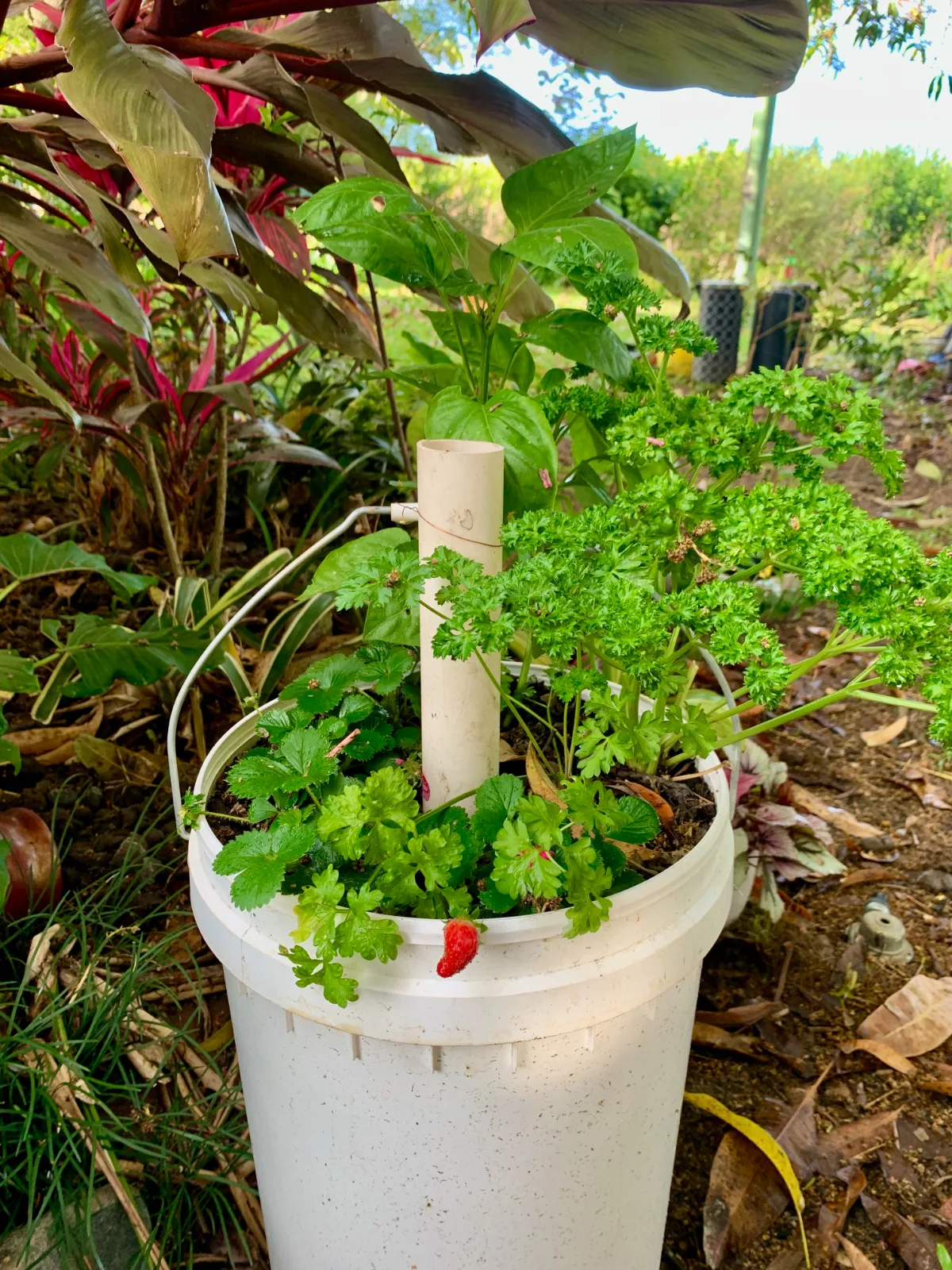
Strawberries are great plants for pots, especially if the soil in your garden is heavy, poorly drained or just not where you want to grow them.
They have fairly shallow roots, so you don’t need an enormous container, but you do need excellent drainage.
Use a good-quality potting mix and make sure excess water can drain easily. Space plants about 30 cm apart if you’re using a larger planter or trough.
Hanging baskets, raised planters and fabric grow bags can all work well too, and keeping the fruit up off the ground can help reduce problems with slugs, snails and rotting fruit.
Pots do dry out faster than garden beds, especially in warm or windy weather, so keep an eye on moisture once the plants start flowering and fruiting.
I created a fairly successful growing experiment with a large white bucket. I added a plastic tube in the centre with holes below soil level. All you need to do to water the plants is fill the tube with water.
It does use a lot of soil for not much growing surface. If you're using a very deep container like this and want to reduce how much potting mix you need, you can use rocks or another suitable filler in part of the bottom, while still leaving plenty of potting mix above for the strawberry roots.
How Often Should You Water Strawberries?
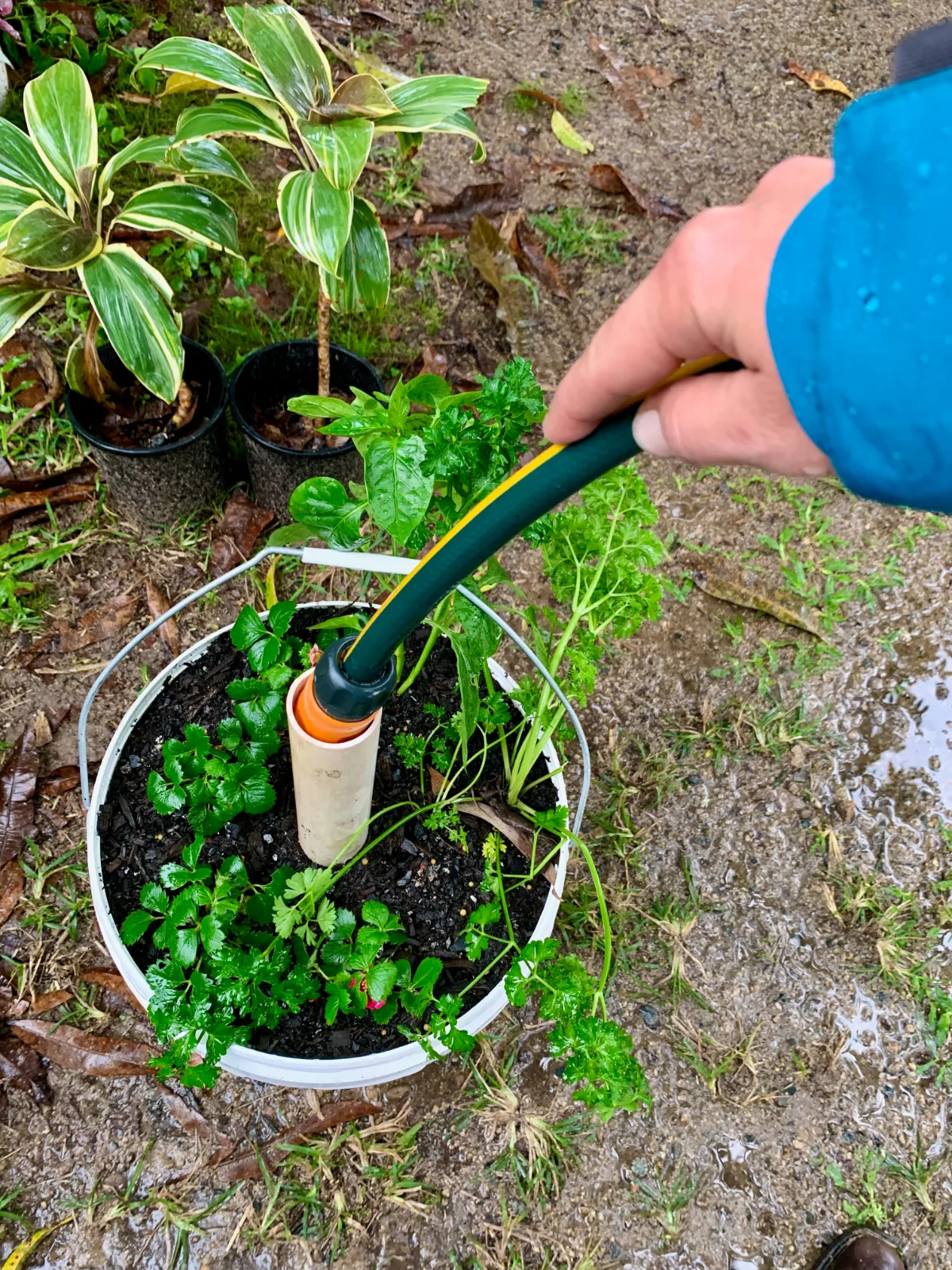
Strawberries like consistent moisture, especially while they’re establishing, flowering or developing fruit.
Letting them dry right out and then soaking them heavily isn’t ideal, so try to keep the root zone evenly moist instead. Give them a good water after planting, too.
It's better to water the soil rather than watering right over the top of the plant, especially in humid weather. The crown and leaves are prone to rot and fungal disease, so try to keep them dry as much as possible.
Good airflow, mulch and keeping ripe fruit away from damp soil all help reduce fungal problems.
Plants in pots will need checking more often than strawberries in garden beds because pots dry out a lot quicker than the soil in your garden. Once potting mix dries out, it can be difficult to wet it again.
As always, mulch is your best friend in the garden. Mulch heavily, everywhere, all the time.
What Is the Best Fertiliser for Strawberries?
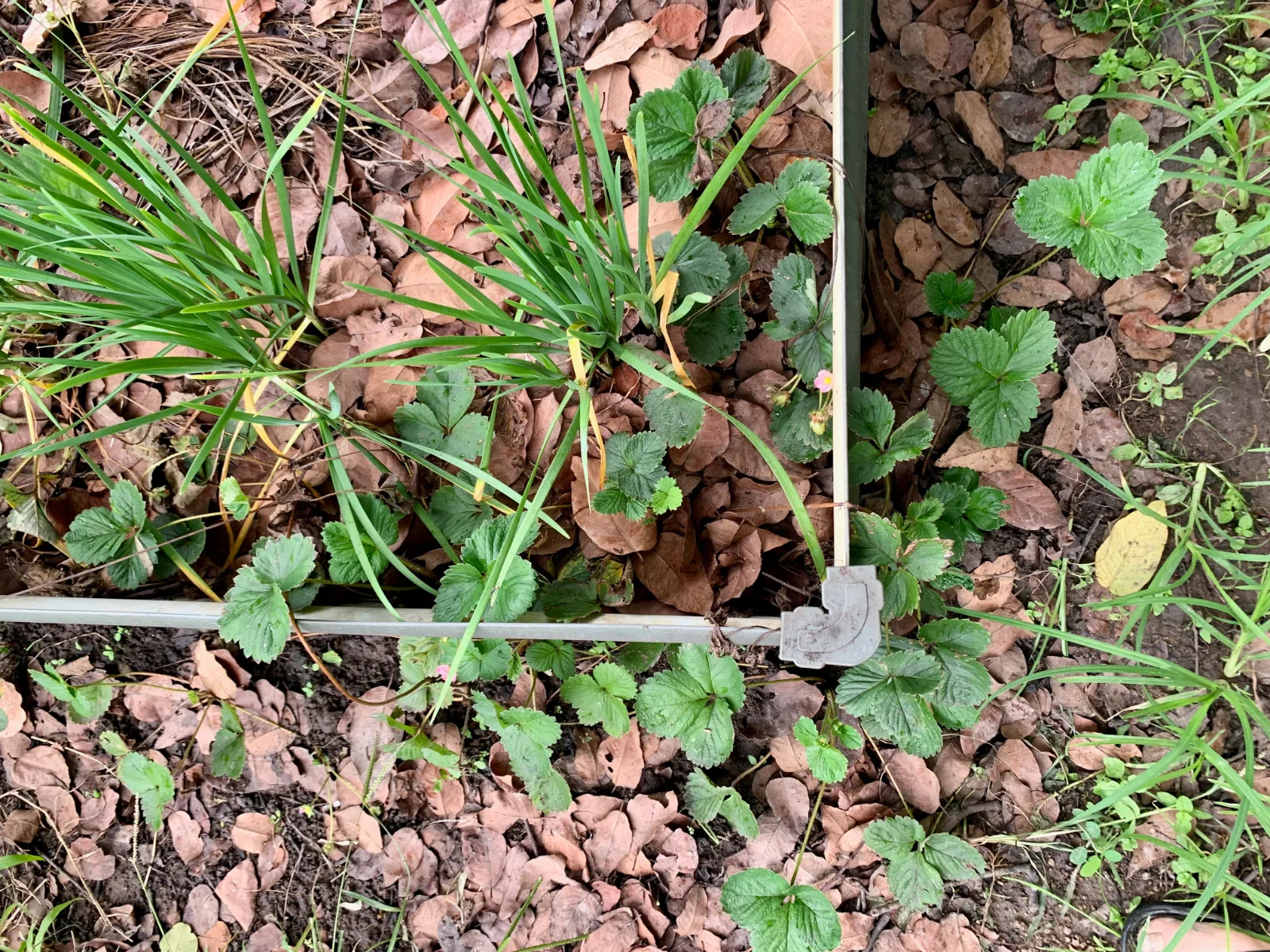
Strawberries do need feeding, but more isn’t always better.
Start by improving the soil before planting with compost and, if needed, some well-aged manure or an organic fertiliser. Strawberries can be quite hungry, especially when they’re grown in pots where nutrients wash out more quickly.
Once they’re growing, use a fertiliser suited to fruiting plants rather than pushing lots of nitrogen. Too much nitrogen can give you beautiful leafy plants, but without a lot of fruit.
Once your plants start flowering and fruiting, you can support them with a feed that supplies potassium as well as the other nutrients. Look for a fruiting fertiliser or another feed that supplies potassium.
Should You Remove Strawberry Runners?
If you want your strawberry plants to put most of their energy into growing fruit, it's best to remove unwanted runners as they appear.
You can also clean out dead, diseased or badly damaged leaves so more air can move around the plant.
But runners are also one of the best things about growing strawberries!
I actively look for strawberry plants that grow runners, because not every variety does so. What I love is that each runner can produce another plant.
Once a little plantlet has formed roots, you can separate it from the parent and replant it somewhere else.
It's also one of my favourite groundcovers, as you can see in the photo above. Just let them go!
Grow a Little Wild
New plants to try, useful growing tips and a few garden jobs based on what you grow.
When Do Strawberries Fruit?
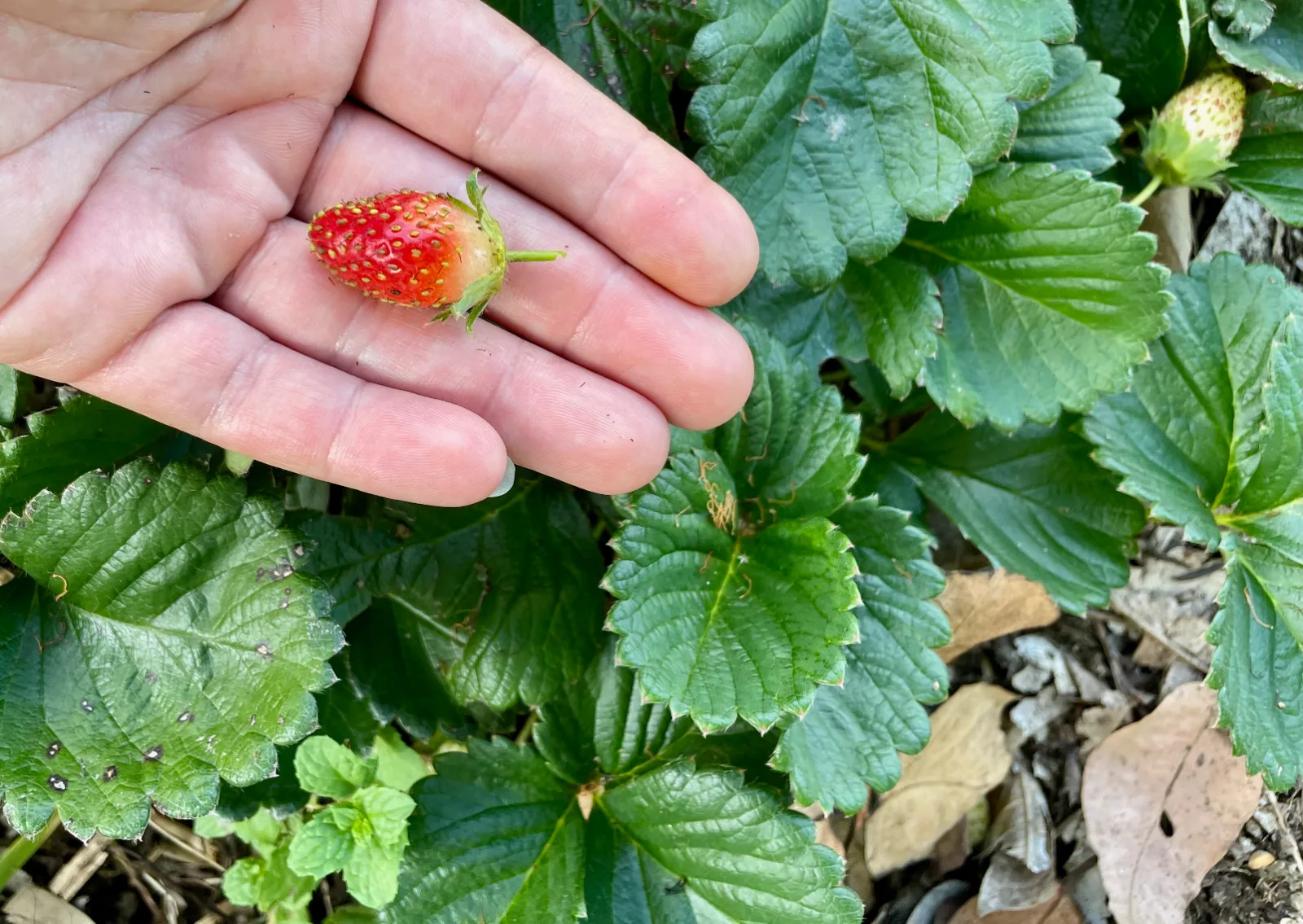
How quickly you get fruit depends on your climate, variety and what you started with. Plants grown from runners or nursery plants usually fruit sooner than strawberries grown from seed. In the subtropics, well-established runners can be fruiting within about six months.
Once the berries start colouring, check them regularly and pick them when they are fully ripe. Wet or humid weather makes ripe fruit more prone to rot, so frequent harvests help. Birds, possums, slugs and snails may find the fruit quickly too, so netting or other wildlife protection can be useful where losses are high.
How to Grow Strawberries From Runners
Strawberry runners are one of the easiest ways to get yourself some new plants.
A runner is a long stem that grows out from the parent plant and forms a little daughter plant where it touches the soil.
You can leave the new plant attached to its parent while it develops roots. If it happens to land somewhere useful, let it root there.
Otherwise, place a small pot of potting mix underneath it and hold the plantlet against the mix until it has established a decent root system. You can use a paperclip in a U-shape to keep it down, or any other method you like to use.
Once it is growing well on its own, cut the runner connecting it to the parent plant.
Whether you should keep every runner depends on what you want from the plant.
Leaving lots of runners can create a thick strawberry patch - awesome groundcover! - but removing them can direct more of the parent plant’s resources towards flowers and fruit.
Some strawberry types also naturally produce far more runners than others.
If you’re starting a completely new strawberry bed, healthy nursery stock is safer than moving plants from a patch with disease problems. Some strawberry diseases can be carried in apparently healthy runners.
Places like The Seed Collection and Happy Valley Seeds often have runners for sale, which is a great way of getting a bunch of strawberry plants for a good price.
How to Grow Strawberries From Seed
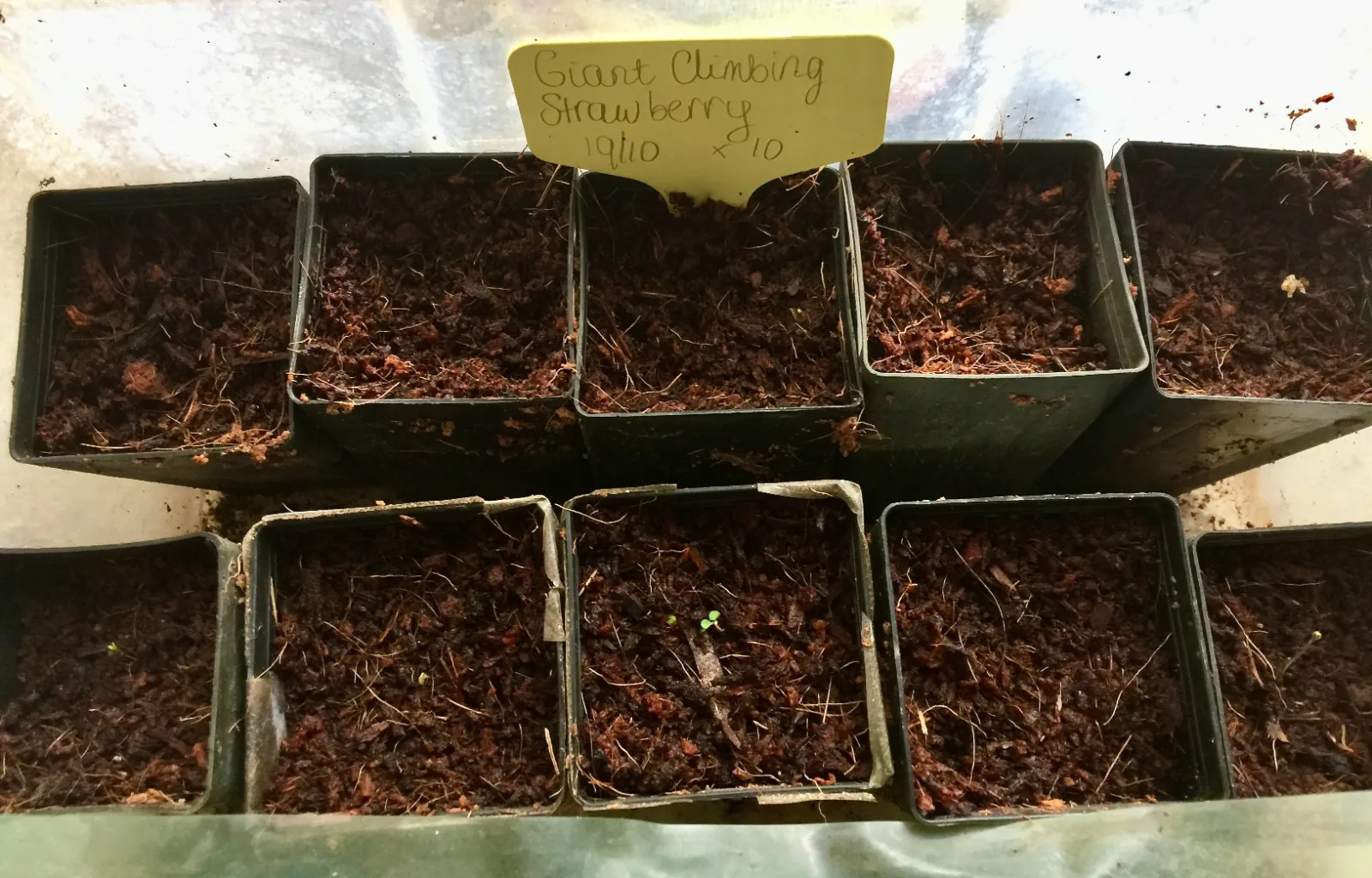
I will be honest with you here.
You can, technically, grow strawberries from seed.
The photo above shows you how far I got. That's it, just those couple of tiny little plants, and I've tried to grow them from seed many times.
Give it a go by all means, but it is not the easiest way to get some strawberry plants, plus they take a fair bit longer to start fruiting.
If you've had success growing strawberries from seed, please let us know your tips and tricks!
And here's another thing. For ordinary cultivated strawberries, seed-grown plants may not come true to the parent variety, so the strawberries you grow from a particularly nice supermarket berry may turn out quite differently.
Runners are much more reliable if you want another plant like the one you already have.
Seed growing makes more sense when you’ve bought seed of a named seed-grown variety, or when you’re growing types like alpine strawberries (Fragaria vesca), which are commonly grown from seed.
Because the seeds are tiny, sow them into fine seed-raising mix rather than normal garden soil and keep the mix evenly moist while they germinate.
Expect the whole process to be considerably slower than planting runners or established strawberry plants.
How to Harvest Strawberries
Pick strawberries when they are fully coloured and taste ripe. The fruit is soft, so handle it gently and snip or pinch it off with a short piece of stem attached rather than pulling on the berry.
Strawberries do not continue ripening properly after harvest, so pale fruit picked early will not become as sweet later. If Percy Possum has found your patch, picking ripe fruit early in the day can mean you get there first. Birds, slugs, snails and wet weather can take a share too.
Freshly picked strawberries keep better if you cool them fairly soon after harvest.
Common Strawberry Problems
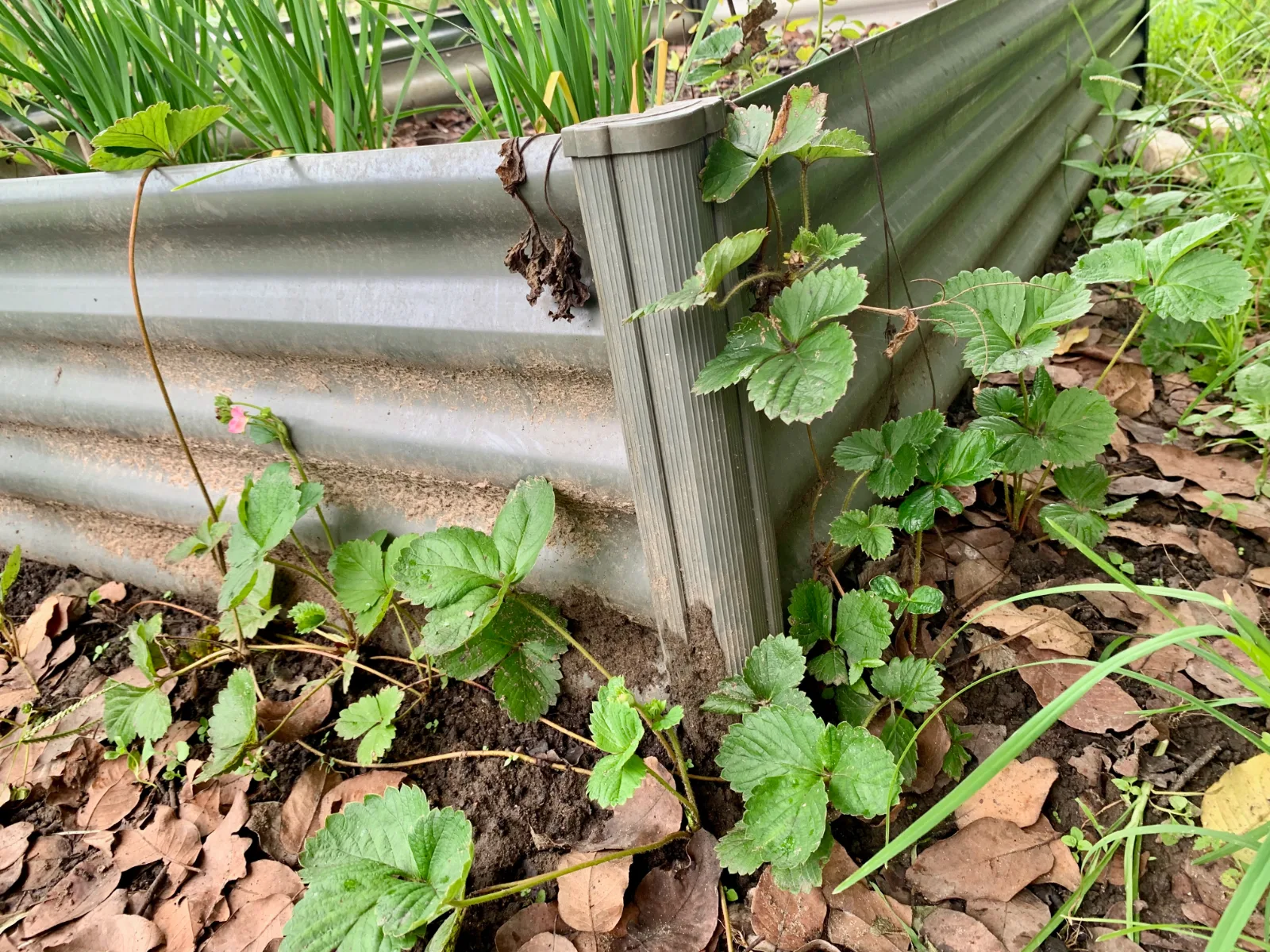
Your strawberry patch will be the most popular hangout for many creatures when the fruit's ripening!
Who else eats the strawberries?
- Slugs and snails will chew ripe fruit, especially if the berries are sitting close to damp soil or mulch. Keeping fruit raised off wet ground and picking ripe berries as soon as possible helps reduce losses.
- Birds also love strawberries. And I love that they come in and share. However, they can obliterate your whole harvest. If it does become a problem for you, wildlife-safe netting is one of the more reliable - and safe - ways to protect fruit.
- Aphids and mites can affect strawberry plants.
- Root-knot nematodes can also affect strawberries. Severe infestations can stunt plants and reduce fruit set and development.
Fungal diseases and fruit rot
Grey mould and other fruit rots are more likely in damp conditions, like in the subtropics and tropics in the wet season.
Botrytis can infect your flowers and fruit. Black spot and other strawberry diseases can spread through splashing water, infected plant material and old diseased leaves or fruit.
Reducing strawberry problems
The best way of dealing with these issues is prevention:
- Give plants good airflow.
- Start with healthy planting material.
- Remove badly diseased fruit or foliage.
- Avoid unnecessary overhead watering.
In humid climates, these things become especially important. Queensland biosecurity guidance notes that prolonged leaf wetness, splashing water and infected runners can contribute to the spread of some strawberry diseases.
If a strawberry plant suddenly wilts, collapses or develops unusual leaf symptoms, don’t assume every problem is simply "fungus".
Strawberries can suffer from several soil-borne and foliar diseases that look similar, and Queensland’s plant-health guidance specifically recommends using credible diagnostic sources rather than trying to diagnose a plant from a photo alone.
How to Wash Strawberries
Wash strawberries just before you eat or use them, rather than before putting them into storage.
Moisture during storage can encourage mould and deterioration.
Rinse them under clean running water and gently dry them. There’s no need to wash fresh produce with soap or detergent.
Washing removes soil and can reduce surface contamination, although it doesn’t make raw produce sterile.
Strawberries are on the Dirty Dozen list, so I recommend growing your own or buying organic.
How to Store Strawberries
Before storing, check the strawberries for mould and remove leaking or damaged strawberries. Don't mix them with the other berries.
Keep strawberries covered in the fridge and wash them only when you’re ready to eat them.
Australian food-safety guidance specifically recommends refrigerating berries and avoiding washing fresh fruit before storage because the extra moisture can promote microbial growth and mould.
Homegrown berries will also last better if you cool them soon after picking rather than leaving them sitting somewhere warm.
Not a problem at our place - strawberries generally get eaten in the garden and pretty much never make it to the fridge!
Can You Freeze Strawberries?
Yes. Freezing is a good way to save a heaping harvest of strawberries.
Just keep in mind that thawed strawberries will be much softer than fresh ones.
- Wash the strawberries.
- Remove the tops.
- Dry them well.
- Spread them in a single layer on a tray and freeze.
- Once frozen, transfer them to a container or freezer bag.
Freezing them separately first makes it much easier to take out only the amount you need later instead of ending up with one frozen strawberry lump.
Frozen strawberries are brilliant for smoothies, sauces, baking, jam and desserts where their softer texture doesn’t matter.
Questions People Ask
- How far apart should you plant strawberries?
Around 30 cm apart is a useful starting point for home gardens, although spacing varies with the variety and the way you want the patch to grow.
Strawberries that produce lots of runners can quickly fill the gaps, so good spacing helps stop the bed becoming excessively crowded.
University growing guides commonly recommend roughly 30-45 cm or more between individual plants depending on the growing system.
- How long do strawberries take to grow?
It depends on the variety, climate and whether you start with seed, runners or established plants.
Plants grown from runners or nursery stock can fruit in their first growing season under suitable conditions, while seed-grown plants take longer.
Once a strawberry flower has been pollinated, some varieties take roughly four weeks from flowering to ripe fruit under favourable conditions.
- How many hours of sun do strawberries need?
Full sun generally produces the strongest crops, and around six hours or more of direct sun is a useful target.
In very hot Australian climates, some protection from harsh afternoon sun can still be beneficial.
Full sun is consistently recommended for maximum fruit production in horticultural growing guides.
- Can strawberries grow in part shade?
Yes, but fruit production will usually be lower than in full sun.
Some strawberry types tolerate part shade better than others; alpine or woodland strawberries are particularly tolerant of shadier positions.
- Why is my strawberry plant flowering but not producing strawberries?
Pollination is one possibility.
Strawberry flowers are generally self-fertile, but insects - particularly bees - still play an important role in moving pollen around the flower.
Poor pollination can reduce fruit set or leave berries grooved or misshapen. Cold, rain and other stressful conditions during flowering can also interfere with pollination.
- Why are my strawberries small?
Sometimes it’s simply the variety.
Fruit size can also be affected by plant health, water stress, crop load, heat and where a berry develops within the flower cluster.
The first fruit formed on a strawberry flower cluster is commonly larger than berries that develop later on the same cluster.
- Should you remove flowers from new strawberry plants?
Sometimes.
Removing flowers for the first few weeks after planting can help a young plant put more energy into establishing roots and foliage before it carries a crop.
Whether it is worthwhile depends on the type of strawberry and your growing system, so it isn’t a rule that every new strawberry plant must have its flowers removed.
- How long do strawberry plants live?
Strawberries are perennial plants and can live for several years, but productivity often declines as plants age and disease pressure builds.
Gardeners commonly maintain a patch by allowing younger runner plants to replace older crowns rather than keeping every original plant indefinitely.
- Do strawberry plants come back every year?
Yes.
Strawberries are short-lived perennials, so healthy plants can regrow and fruit over multiple seasons where the climate suits them.
How they behave through winter varies enormously between cold, temperate and warm climates.
- Can you grow strawberries from a supermarket strawberry?
You can germinate some of the seeds, but you have no guarantee that the resulting plant will produce strawberries like the fruit they came from.
Cultivated strawberries are genetically variable, so seed-grown offspring may differ considerably from the parent.
If you want another plant with predictable characteristics, a runner from a known plant is a better option.
- Do strawberries ripen after picking?
No.
Strawberries don’t continue ripening properly after they’re picked, so harvest them when they’re already fully coloured and ripe.
They may soften or darken after picking, but they won’t develop the sweetness and flavour they would have gained on the plant.

Keep the Harvest Going
Pick ripe fruit often, remove damaged berries promptly and keep runners where you want new plants. If the patch slows after a few productive seasons, replace older crowns with healthy runners and start the next bed in fresh ground or potting mix.