
Plant profile
Dill
Anethum graveolens
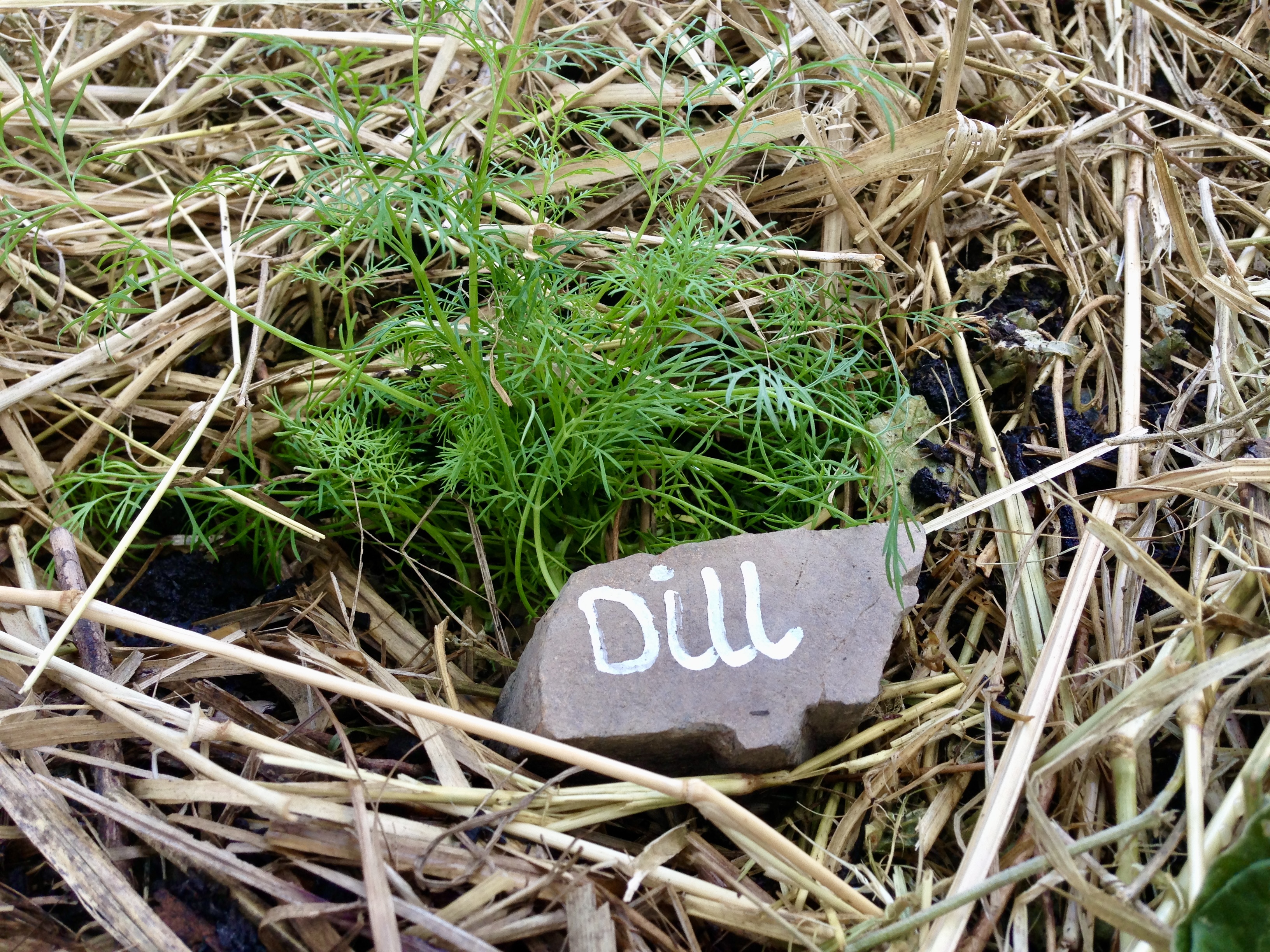
Dill is a quick annual herb grown for feathery leaves, flowers and seed. It prefers mild conditions and is best direct sown.
- Grows well in
- Tropical, Subtropical, Temperate, Cool / mountains, Arid / inland, Mediterranean
- Lifecycle
- Annual herb
- Light
- Full sun, Part shade
- Mature size
- Usually about 60–120 cm tall once flowering, with a light, feathery spread of roughly 30–45 cm.
- Spacing
- About 20–30 cm apart for full-sized plants; closer spacing is fine if you mainly harvest young leaves.
- Growth habit
- Upright, soft-stemmed annual herb with fine feathery foliage and tall branching flower stems.
- Native range
- North Africa to Chad, and Iran to the Arabian Peninsula
- Natural habitat
- Temperate to subtropical open ground, dry grassland and disturbed habitats.
When to plant
Tropical
April–August
Subtropical
March–September
Temperate
March–June, August–November
Cool / mountain
April–June, September–November
Arid inland
March–September
Mediterranean
March–June, August–November
Planting
Direct sow where plants will grow because dill develops a taproot.
Position and light
Full sun in mild weather, with light part shade useful in hot climates to slow flowering and extend the leafy harvest.
Soil
Well-drained soil with moderate fertility. Dill develops a long taproot, so loosen compacted soil to a reasonable depth before sowing rather than relying on surface cultivation alone.
Watering
Keep young plants moist while they establish. Once roots are deep, established plants tolerate short dry periods better, though consistent moisture keeps leaf growth soft and productive for longer.
Feeding
Dill generally needs little feeding in decent soil. In poor sandy soil, a light application of compost or a balanced fertiliser at sowing time can improve leaf growth.
Pruning
Pick leafy stems regularly if leaves are the goal. Leave flowers if you want seed or beneficial insects.
Harvest
Harvest leaves while plants are green and tender. Collect dry seed heads once seeds mature.
Propagation
Grow from seed.
Common problems
Heat, dry soil, aphids and caterpillars can shorten the leafy harvest.
Worth knowing
Dill cross-pollinates readily with fennel and other plants in the carrot family when they flower nearby, so keep the two apart if you want to save true seed. It self-sows freely in mild climates once a few plants are allowed to flower and set seed, often giving a second unplanned crop later in the season. Swallowtail butterfly caterpillars commonly feed on dill foliage, and many gardeners tolerate some damage because the flowers are valuable for beneficial insects.
Grow Dill with Brancho
Add it to My Garden and Brancho works out what it needs next, timed for your climate.
How it grows around Australia
Growing this too? Share what you've noticed in your garden.
Grow a Little Wild
New plants to try, useful growing tips and a few garden jobs based on what you grow.