


Plant profile
Queensland Tree Waratah
Alloxylon flammeum
Also known as Tree waratah, Red silky oak, Satin silky oak, Orange tree waratah, Pink silky oak.
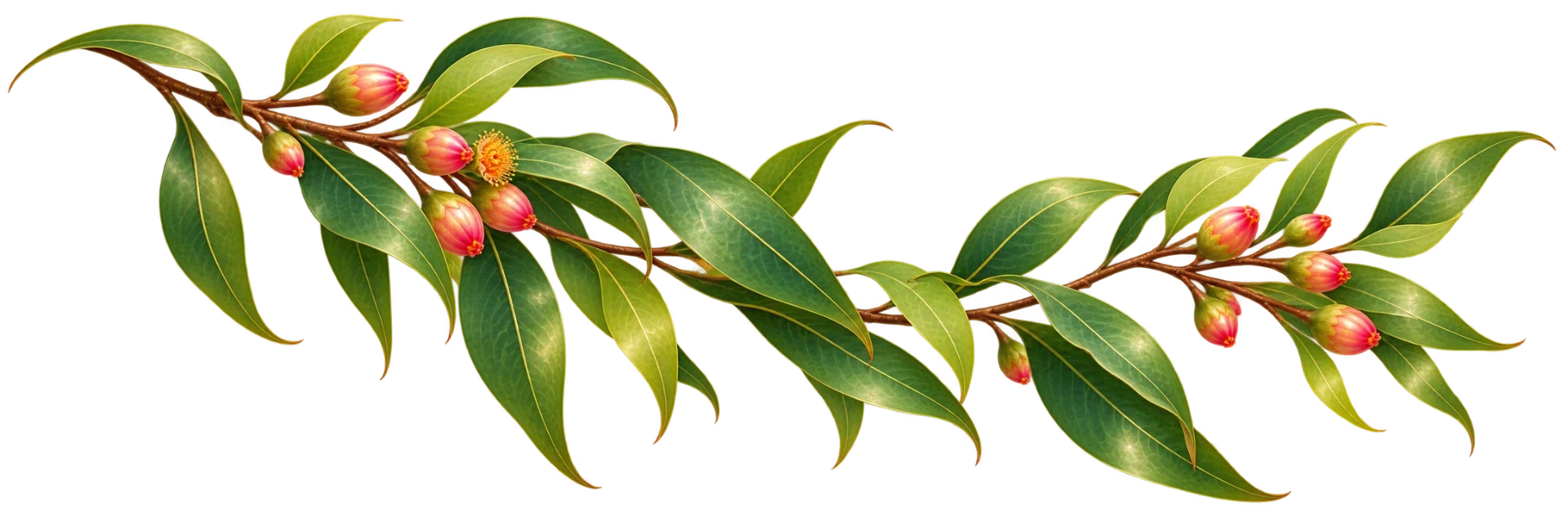
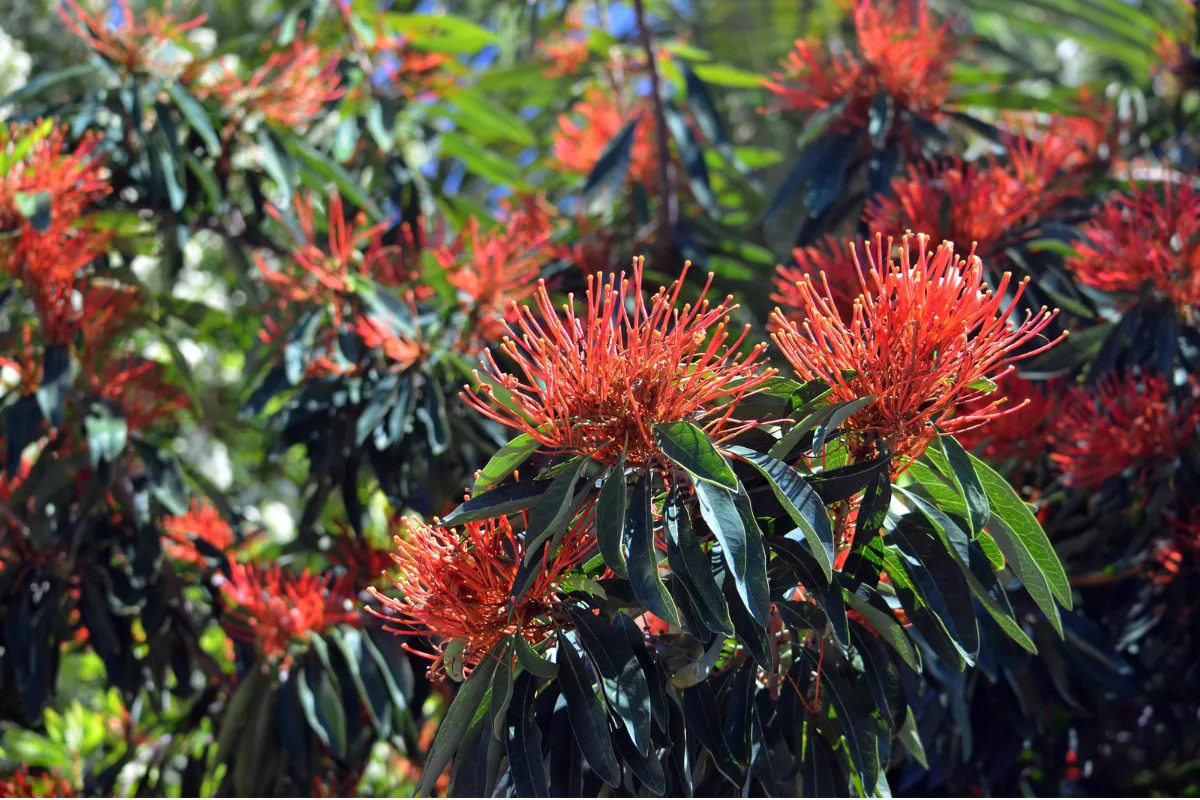
Queensland tree waratah is an amazing Australian rainforest tree with tonnes of brilliant red-orange flowers. Its glossy leaves look beautiful all year, and nectar-feeding birds love the flowers. Give it a roomy spot with good drainage and you can grow something really special!
 By Elle · Published
 - Grows well in
- Tropical, Subtropical, Temperate
- Lifecycle
- Evergreen rainforest tree
- Light
- Full sun, Part shade
- Mature size
- Often around 8-15 m tall in cultivation, depending on site and age. Wild rainforest trees can reach 25-30 m or more, with a broad crown.
- Spacing
- Allow about 6-10 m between full-sized trees where you want separate crowns. Give a specimen tree generous space from buildings and overhead services; this is a large tree, not a narrow hedge.
- Growth habit
- Fast-growing evergreen rainforest tree in suitable conditions. Young leaves are deeply lobed; mature leaves become long, glossy and mostly unlobed. Its canopy widens as the tree matures.
- Native range
- Far North Queensland, mostly the Atherton Tablelands and nearby upland rainforest.
- Natural habitat
- Upland tropical rainforest, including Mabi rainforest on the Atherton Tablelands. It grows in forest canopy and rainforest margins, often on fertile basalt-derived soils at about 700-1100 m elevation.
When to plant
Tropical
November–March
Subtropical
September–November
Temperate
September–November
In the tropics, plant as the wet season begins, when the soil is warm and you can keep a young tree watered. In subtropical gardens, spring or early autumn are good choices. In cooler districts, plant after frost risk has eased so it has a full growing season to settle in.
Planting
Choose a spot with plenty of room for a future tree. Dig a hole wider than the pot, but don't bury the trunk deeper than it grew in the nursery. Loosen any circling roots gently, water the tree in and cover the surrounding soil with mulch. Keep the mulch a little way back from the trunk. Water regularly while the roots grow into the surrounding soil. If your site gets strong winds, stake a young tree loosely until it can support itself.
Position and light
Give young trees good light with some protection from harsh afternoon sun and drying winds. Morning sun or bright, open shade works well while they settle in. Established trees can flower beautifully in sunny positions if they have enough water. This is an upland rainforest species, so a sheltered garden with reliable moisture is a better place for it than an exposed, hot position. It won't mind growing with other plants, especially for a start.
Soil
Tree waratah grows best in good, well-drained soil with plenty of organic matter. Compost and leaf mulch are useful, especially if your soil isn't the best. It naturally grows well on fertile volcanic soils, but Australian growers report success on several types of soil as long as drainage is good. If your ground stays saturated after rain, fix that before planting. Use a low-phosphorus native fertiliser.
Watering
Keep the soil evenly moist while the tree is young. Check beneath the mulch and give it a deep water when the soil starts drying out. Once it's established, it can cope with some dry weather, but it usually flowers much better when it has enough moisture. Give it extra water during hot, dry periods, especially when flower buds are developing. Don't want to lose those flowers!
Feeding
Add compost and refresh the mulch as the tree grows. If growth is slow or your soil is low in nutrients, you can use a native fertiliser with low phosphorus at the label rate. Water it in well. Don't give it heavy applications of ordinary high-phosphorus fertiliser, it won't like it. If the new leaves turn pale or yellow, check the moisture and soil conditions before fertilising.
Pruning
You usually won't need to do much pruning. You can remove any dead or damaged branches, and shorten young growth if you want the shape the tree. The best time for pruning is after flowering. Don't cut too much off a mature tree. It gets big, so make sure you give it lots of room to allow it to grow, rather than having to prune it into a spot that's too small.

Practical uses
A spectacular flowering feature tree
If you have room for a big flowering tree, Queensland tree waratah is hard to beat! The spectacular red-orange flowers stand out beautifully against the deep green leaves. It's an attractive tree even when it isn't flowering.
Plant it somewhere you can enjoy the flowers from the house or garden paths. They're gorgeous when the tree is in full bloom!
Shade for larger gardens
Queensland tree waratah develops a lovely, spreading canopy that provides plenty of shade as the tree gets older. It's a beautiful choice for a larger garden where you want both flowers and shade.
Give it plenty of room to grow. Think about where the canopy will spread and what you'd like to grow underneath it.
Cut flowers
You can cut a few flowering branches from an established tree and bring those gorgeous flowers into the house. Australian researchers have even investigated Queensland tree waratah as a commercial cut flower.
Just don't take too many flowers, especially from a young tree. Leave plenty for the birds and to enjoy in the garden.
Beautiful timber
Queensland tree waratah is also known as red silky oak, a name that comes from its beautiful timber. The wood has a silky texture and an unusual, oak-like grain. It's easy to see why people have valued it for woodworking.
It's an interesting part of the tree's history, although these days I'd much rather see this threatened rainforest species growing in gardens and forests, where we can enjoy its spectacular flowers for years to come.

Permaculture uses
A flowering tree for food forests
Queensland tree waratah is a gorgeous addition to a tropical or subtropical food forest. You can grow it towards the edge of your planting, where it has plenty of room to spread without shading crops that need full sun.
The flowers provide nectar for visiting birds and insects, while the canopy gives smaller plants some protection from the hot sun. It's a lovely way to add another flowering layer to a mixed garden.
Growing underneath it
Once your tree is established, try growing native ginger, turmeric or cardamom underneath it. These plants enjoy some shade, so look for spots where they'll still get a little filtered sunlight.
Start planting a little away from the trunk and add plenty of compost and mulch. Keep an eye on the smaller plants as the tree gets bigger. Its roots will compete for water and nutrients, so you might need to give the plants underneath some extra water during dry weather.
Leaf litter and garden mulch
Leave the fallen leaves underneath the tree to break down naturally. They'll help protect the soil and gradually add organic matter as they decompose.
If you prune any small branches, you can chop them up and leave them under the tree as mulch, or add them to your compost. If you have a chipper, you can use that too.
Rainforest restoration and wildlife corridors
Queensland tree waratah naturally grows in the rainforests of Far North Queensland, particularly around the Atherton Tablelands. It's one of the beautiful native trees found in Mabi forest, a type of rainforest that has lost much of its original area to clearing.
If you have land in this region, you could include tree waratah when restoring a patch of rainforest, creating a wild area on your property or planting a wildlife corridor between existing forest patches. Grow it with other local rainforest trees, shrubs and climbers to create different layers of vegetation and more places for wildlife to feed and shelter.
Try to source trees grown from local seed, especially if you're planting near existing rainforest. Local restoration groups can help you choose species that naturally belong together. Tree waratah grows in particular rainforest habitats, so other locally native trees will be better choices for restoring dry forests, woodlands or other types of vegetation.

Wildlife and pollinators
Birds
Those amazing red-orange flowers are packed with nectar, and birds are some of the tree's most important visitors. The Royal Botanic Garden Sydney describes parrots feeding from the flowers and helping to pollinate them.
Honeyeaters, lorikeets and other nectar-feeding birds have also been reported visiting Queensland tree waratah. Planting one in a larger garden gives you a beautiful flowering tree and another source of food for native birds.
Bees and butterflies
Bees also visit the flowers for nectar. The Queensland Wet Tropics Grow Me Instead guide specifically mentions bees and birds visiting Queensland tree waratah.
Butterflies have been mentioned in Australian gardening accounts too, although we haven't found enough information to identify which species visit the flowers. It's another interesting connection we'd love to learn more about.
Shelter and nesting
As Queensland tree waratah grows, it develops a large canopy with plenty of leafy branches. Birds can use the foliage for shelter, as well as visiting the flowers for nectar.
A gardener writing for Redland Organic Growers in southeast Queensland described a mature tree attracting nectar-feeding birds and providing nesting habitat in its thick foliage.
If you have room, let the canopy spread naturally. You'll get a beautiful shade tree, and the branches and foliage will provide more places for birds to shelter and potentially nest.
Harvest
The flowers are beautiful on the tree, but they can also be used as gorgeous cut flowers. Australian researchers have investigated Queensland tree waratah as a potential commercial cut-flower crop. The best cut flowers are from a healthy, established tree. Cutting too many flowers off a young tree might set it back a bit. After flowering, look for long woody pods. They split open when they're ripe and release flat, winged seeds, usually later in summer or autumn.
Propagation
You can grow tree waratah from seed or semi-hardwood cuttings. Fresh seed is worth trying when you can find it; the winged seeds form inside woody pods that open as they ripen. Sow in a well-drained seed-raising mix and keep it warm and moist, not waterlogged. Cuttings are another good option, although a misting setup helps. A CSIRO-published study showed that semi-hardwood cuttings can be rooted successfully with controlled warmth and rooting hormone. It's best to buy nursery-propagated plants rather than collecting seeds or cuttings from threatened wild populations.
Common problems
Young trees can struggle if the soil stays wet for too long, or if they dry out before their roots are established. I lost one of mine during the floods when the soil stayed soaking for 3 weeks straight. (I think we had close to 1000mm of rain during those weeks!). When the soil dried out afterward, I lost a bunch of plants including big, established trees. Devastating! Yellow new leaves may be due to poor nutrient uptake, soil conditions or root stress. Heavy frost can damage the growing tips. In warmer gardens, watch new shoots for scale or other sap-feeding insects, and deal with them only if they're causing real damage.
Safety notes
Reliable species-specific information about eating tree waratah, or feeding its leaves and branches to livestock and pets, is limited. Don't treat it as a fodder or edible plant. Keep freshly cut branches away from animals until more is known. The species is listed as Vulnerable in the wild, so purchase propagated stock and leave natural populations undisturbed.
Worth knowing
This tree comes from the Atherton Tablelands, where it grows in rainforest including the threatened Mabi forest. 'Mabi' is the local Ngadjonji and Dulguburra Yidinji name for the tree kangaroo. Young Queensland tree waratahs have striking, deeply cut leaves that look quite different from their glossy adult leaves. It was once incorrectly sold as Oreocallis wickhamii, but Alloxylon flammeum is the accepted name. It is sometimes confused with the NSW waratah (Telopea speciosissima), which is a shrub from a different climate. It can take years for a seed-grown tree to flower, although some well-grown trees bloom quite young. Angus Stewart described one that was flowering by about two years old in his garden.
Companion and understory planting
If you're creating a tropical garden, combine tree waratah with other rainforest plants that enjoy good soil and plenty of mulch. Native ginger, ferns and cordylines are good choices for sheltered spots around the young tree. As it grows, try turmeric or cardamom where the canopy gives light shade.
Leave an open, sunny area for crops that need plenty of light. Tree waratah can become quite large, so plant it on the edge of a food forest rather than right among closely spaced fruit trees. Water young understory plants separately when necessary; a bigger tree will take a fair share of moisture from the soil.
Livestock and safety
We haven't found reliable information about Queensland tree waratah being eaten by horses, cattle, sheep, goats or chickens. We don't know whether its leaves and branches are safe for livestock, so it's best not to offer them as feed.
Protect young trees from grazing animals, which could damage the stems and new growth. If you have livestock, keep prunings out of their paddocks and choose trees with better-documented browsing information for areas where animals can reach them.
Growth and roots
Queensland tree waratah can grow into a large rainforest tree with a lovely spreading canopy. Give it plenty of room from the beginning so it can develop naturally as it gets older.
We don't have reliable measurements for how far its roots spread or how they behave around pipes and paving, so it's best to allow plenty of space rather than plant it close to structures.
Near paths and buildings
Choose a position well away from your house, retaining walls, underground pipes and septic systems. Remember to think about the size of the mature tree, not just the little plant you're bringing home from the nursery.
If you're planting several rainforest trees together, leave enough room for their canopies to develop. They'll eventually create a beautiful area of shade underneath.
Growth and first flowers
One of the interesting things about Queensland tree waratah is how its leaves change as it grows. Young trees have deeply lobed leaves, while older trees develop mostly glossy leaves without those deep lobes.
If you're lucky, your tree might start flowering within a few years, especially in a warm garden with good growing conditions. Seed-grown trees can take longer, and flowering may be slower in cooler areas.
Once it starts producing those spectacular red-orange flowers, you'll have something beautiful to look forward to each flowering season.
References
- Kew Plants of the World Online - Alloxylon flammeum
- CSIRO Australian Tropical Rainforest Plants - Alloxylon flammeum
- Royal Botanic Garden Sydney - Tree waratah, Plant of the Month October 2023
- ABC Gardening Australia - Plant Profile: Tree Waratah (2025)
- Australian Native Plants Society - Alloxylon flammeum
- Australian Plants Society NSW - Tree Waratah / Red Silky Oak
- Botany Brisbane - Alloxylon flammeum flowers and seed description
- Grow Me Instead, Queensland Wet Tropics - Queensland Tree Waratah and nectar visitors
- ROGI News March 2019 - Queensland tree waratah and garden bird habitat
- Agroforestry and Biodiversity Conservation in Tropical Landscapes - Alloxylon nectar value
- Donovan, Offord and Tyler (1999) - Vegetative cutting and in vitro propagation of tree waratah, CSIRO
- NSW DPI - Growing Australian native flowers commercially: potential new crops
- TREAT - Mabi rainforest ecology and its Ngadjonji and Dulguburra Yidinji name
- Queensland Government - Regional ecosystem 7.8.3 (Mabi forest)
- Queensland legislation - Nature Conservation (Plants) Regulation 2020 (vulnerable)
- ABC Gardening Australia - Angus Stewart on tree waratah establishment and early flowering
- ABC Gardening Australia - Waratahs for warm climates
- Living Green and Feeling Seedy - tree waratah growth and flowering notes
- Garden View Nursery - Alloxylon flammeum, nursery notes on bird visitors
- Gardening Australia, January 2026 - Flaming Beauty, tree waratah and butterflies

Grow Queensland Tree Waratah with Brancho
Add it to My Garden and Brancho works out what it needs next, timed for your climate.
How it grows around Australia
Growing this too? Share what you've noticed in your garden.
Grow a Little Wild
New plants to try, useful growing tips and a few garden jobs based on what you grow.