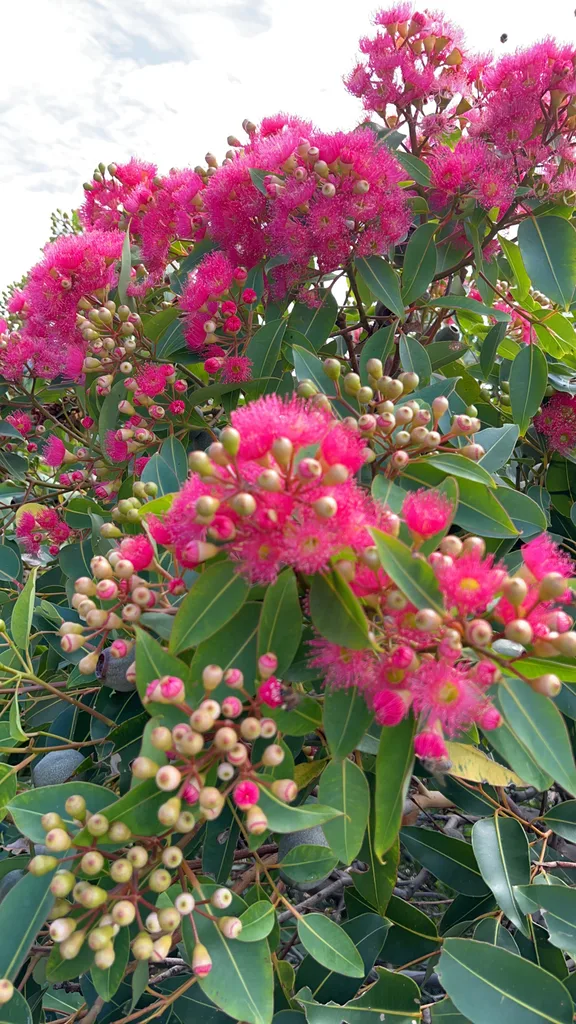

Australia has some amazing native flowers. Think bright red and green kangaroo paws, the beautiful blue flowers of lechenaultia, Sturt's desert pea with its shiny black centres, and enormous yellow flower clusters on golden penda.
And you don't need a huge garden to enjoy them. Paper daisies look gorgeous in a sunny bed, fairy fan-flowers spill over the edges of pots, and purple coral pea can cover a fence with flowers. If you've got more room, there are some spectacular flowering shrubs and trees too.
I've picked 18 Australian natives with all sorts of beautiful flowers. Some bloom in spring, while others brighten up the cooler months. There are flowers for cutting, plants that bring nectar-feeding birds into the garden, and plenty of lovely choices for pots and smaller spaces.
18 Australian Native Flowering Plants
1
Queensland Tree Waratah
Alloxylon flammeum
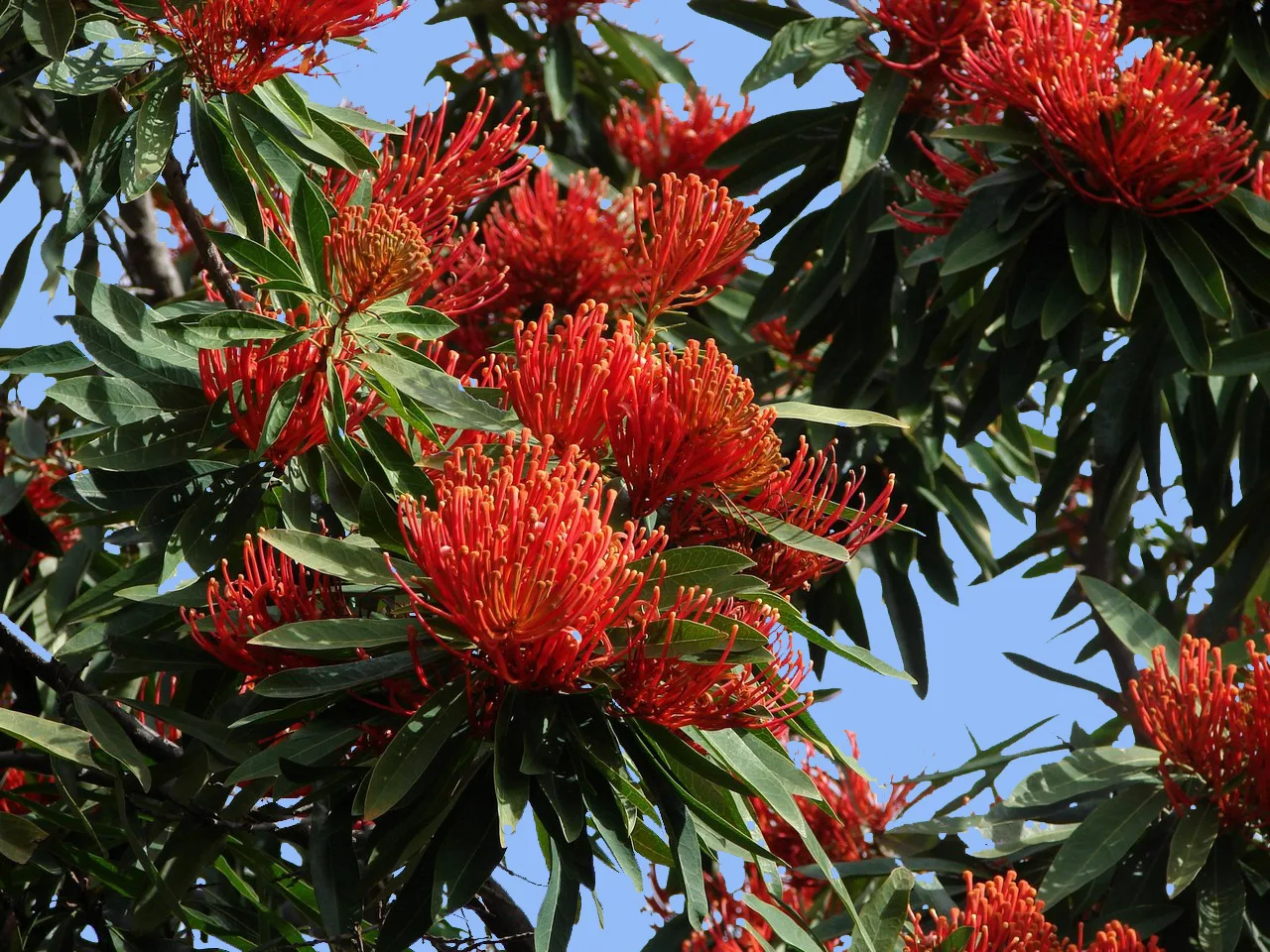
Queensland tree waratah produces great bursts of red-orange flowers among glossy green leaves. It's a full-sized rainforest tree, so allow room for a broad canopy and shelter it from drying winds while young. In a warm garden with reliable moisture and good drainage, its flowers bring in nectar-feeding birds.
Size: Often around 8-15 m tall in cultivation, depending on site and age. Wild rainforest trees can reach 25-30 m or more, with a broad crown.
2
Sturt's Desert Pea
Swainsona formosa
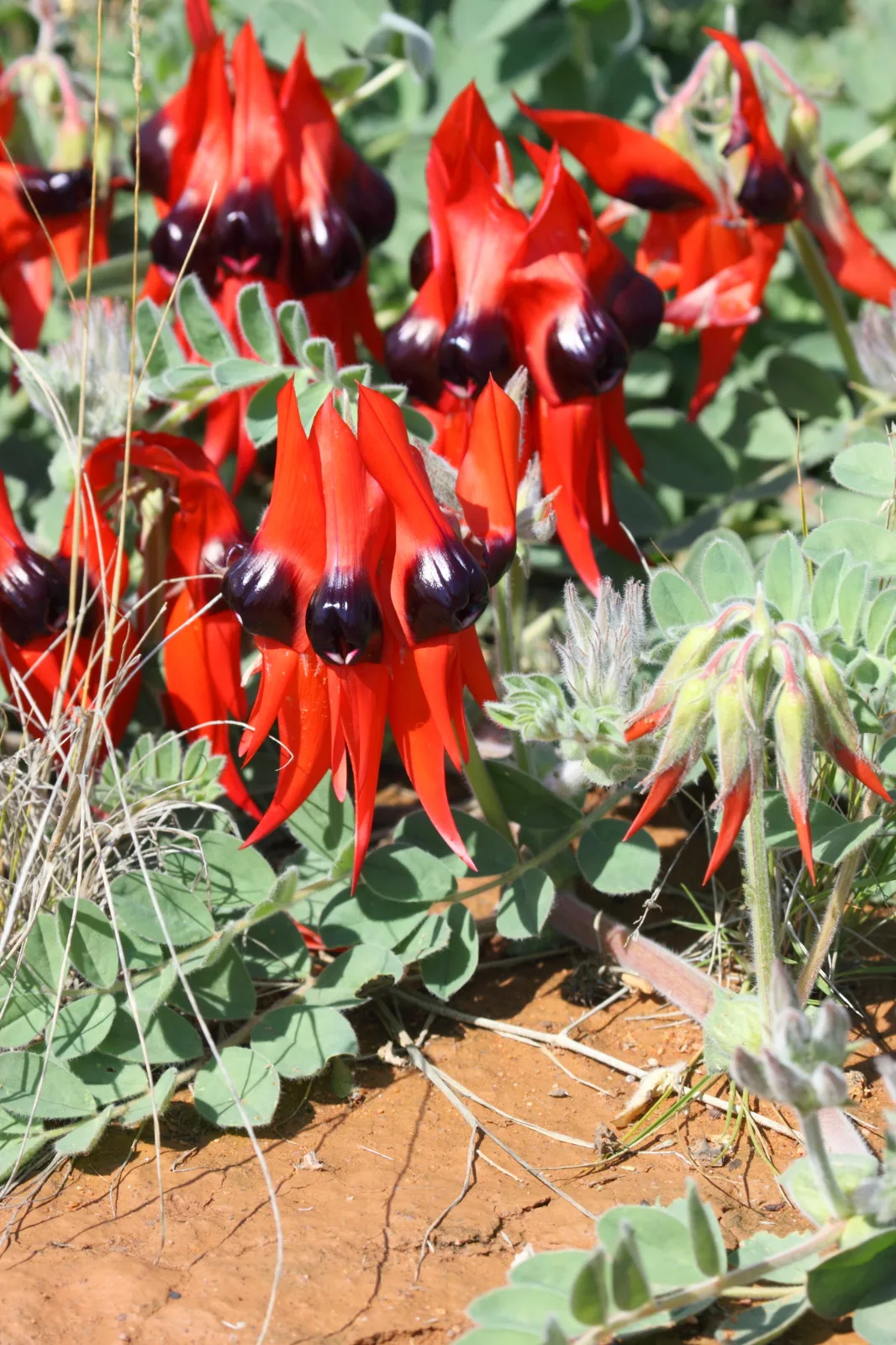
Sturt's desert pea looks almost unreal, with bright red flowers and shiny black centres above silvery foliage. Long stems trail across a sunny garden bed or spill over the edge of a deep pot. It comes from dry country and needs excellent drainage, particularly where summers are humid.
Size: Usually 20–40 cm tall, with trailing stems up to around 2 m; unusual upright Pilbara forms can grow taller.
3
Red Flowering Gum
Corymbia ficifolia
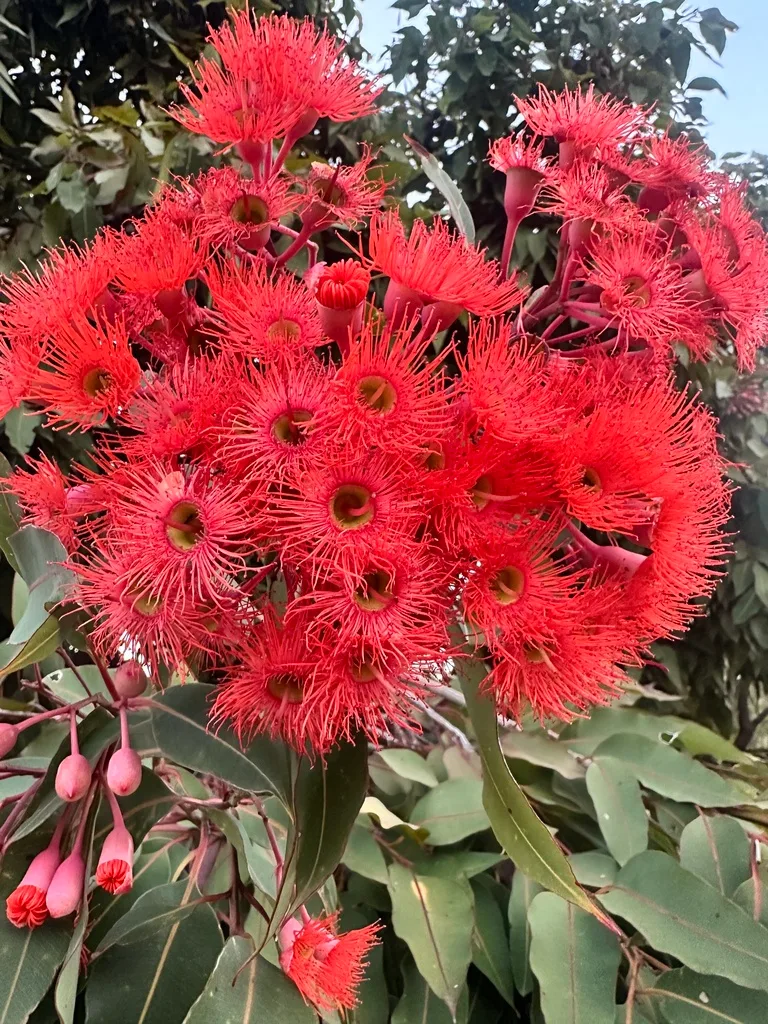
Red flowering gum can cover its canopy in large clusters of red, pink or orange flowers during summer. Birds and bees love the display. The original Western Australian species prefers drier summers, but locally proven grafted forms and hybrids are better options for many humid eastern gardens.
Size: Usually 6–10 m tall and about 3–5 m wide; some established trees become broader or taller. Selected grafted forms may stay around 3 m.
4
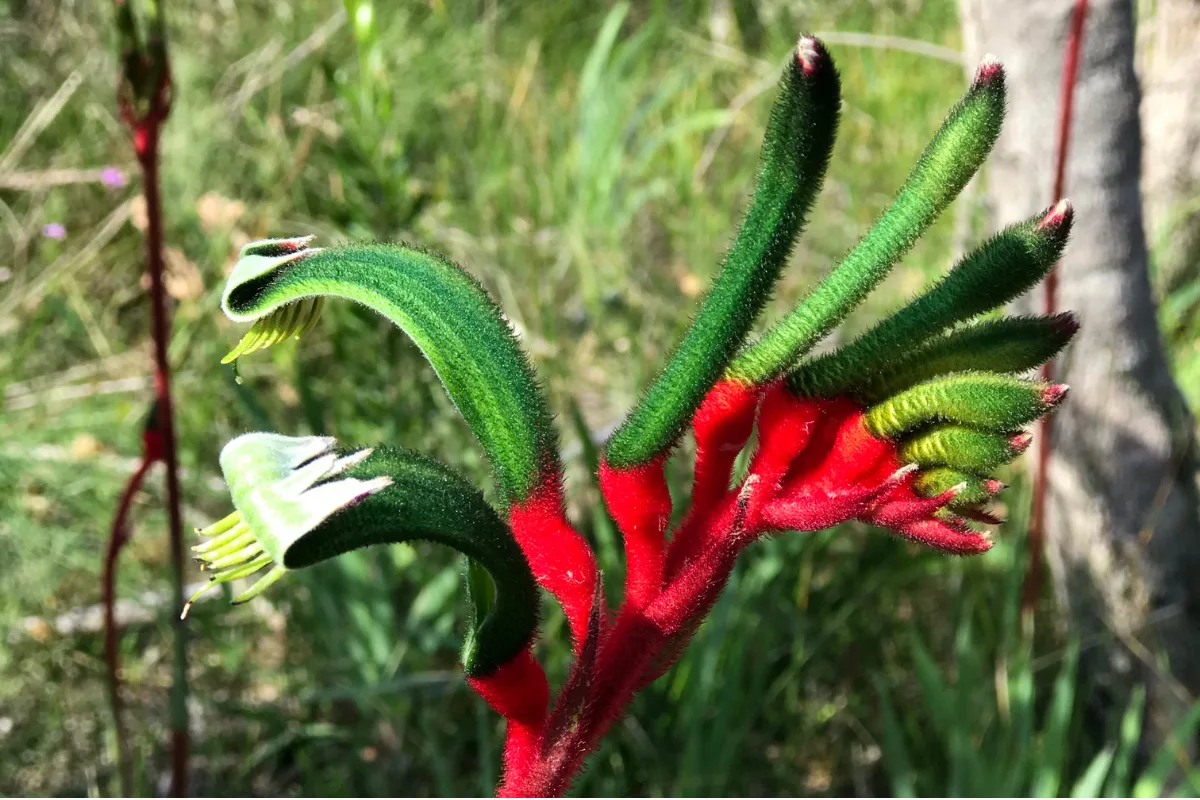
Red and green kangaroo paw
Anigozanthos manglesii D.Don
Red and green kangaroo paw sends up vivid red stalks topped with furry green flowers in spring. A group of plants looks wonderful in a sunny bed, where the tall stems rise above the strappy foliage. Pick some for a vase and leave others for visiting honeyeaters.
Size: Leafy clump about 30–50 cm across; flower stalks commonly 0.8–1.2 m tall.
5
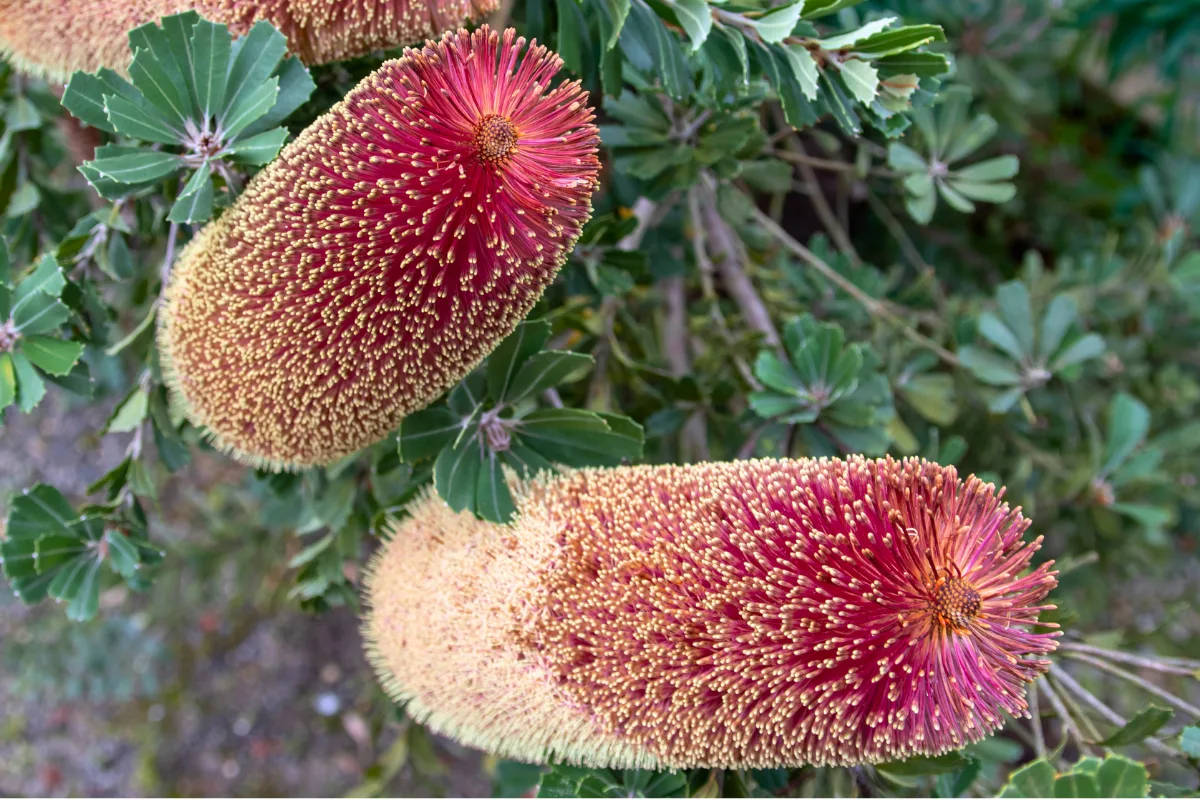
Cut-leaf banksia
Banksia praemorsa Andrews
Cut-leaf banksia grows enormous cylindrical flower spikes in shades from yellow and pink-gold to deep wine-red. It makes a striking flowering screen in full sun, with nectar for honeyeaters. Allow room for the shrub's spreading branches and enjoy the display over its long flowering season.
Size: Usually about 3–5 m tall and 2–4 m wide in gardens; Kevin Collins recorded mature forms 4–7 m tall and up to 6.5 m wide at Banksia Farm.
6
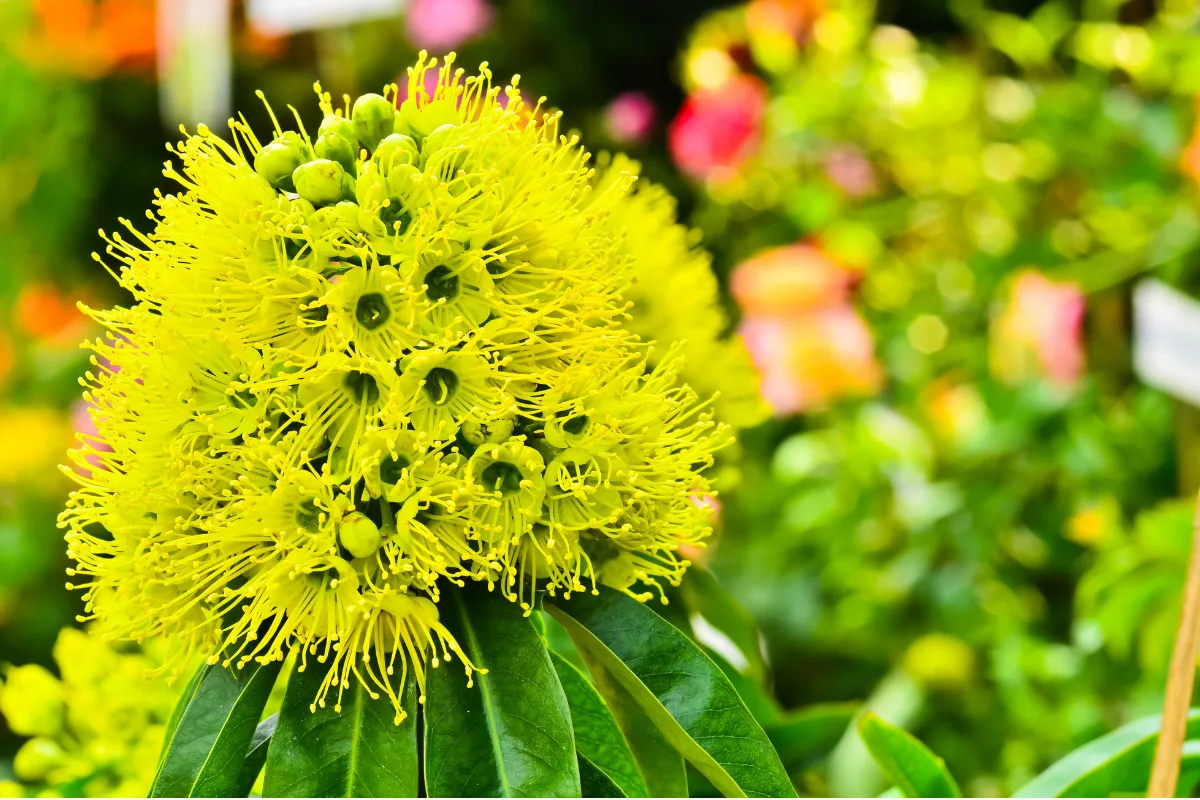
Golden penda
Xanthostemon chrysanthus (F.Muell.) Benth.
Golden penda can almost disappear beneath its bright yellow flower clusters. Lorikeets, native bees and flying-foxes visit the blooms, making a flowering tree a lively place to watch wildlife. This Queensland rainforest native suits warm gardens and can grow into a shade tree or be pruned as a hedge.
Size: Full-sized garden trees commonly reach 8–12 m tall with a broad canopy up to about 10 m wide; wild trees can reach roughly 20 m. Named dwarf cultivars may stay around 1–4 m.
7
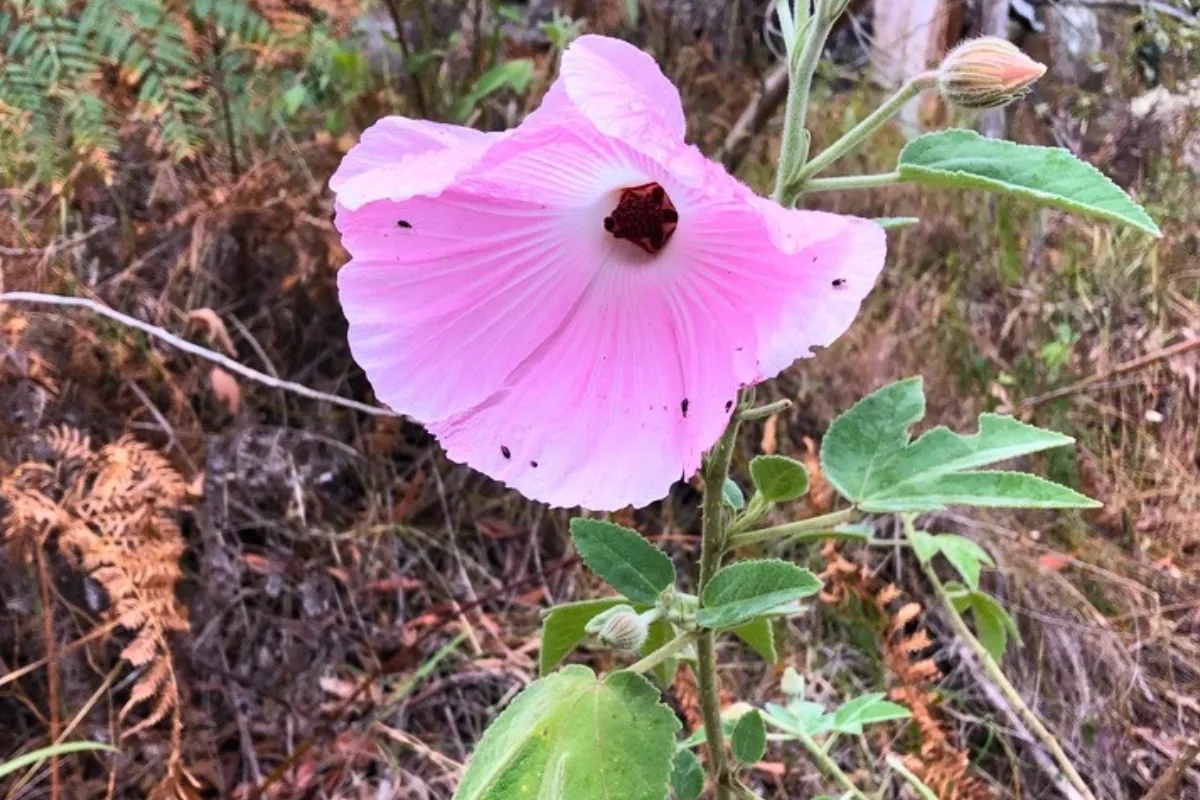
Native pink hibiscus
Hibiscus splendens C.Fraser ex Graham
Native pink hibiscus produces enormous pale-pink flowers with deep-red centres. It's a standout shrub for a warm garden, and there's plenty going on inside the blooms: small beetles visit the flowers, while other insects use the plant for food and shelter. Give it space to grow and flower freely.
Size: About 3–6 m high and potentially 3–6 m across when unpruned. Cutting-grown plants can be maintained at a much smaller size in pots.
8
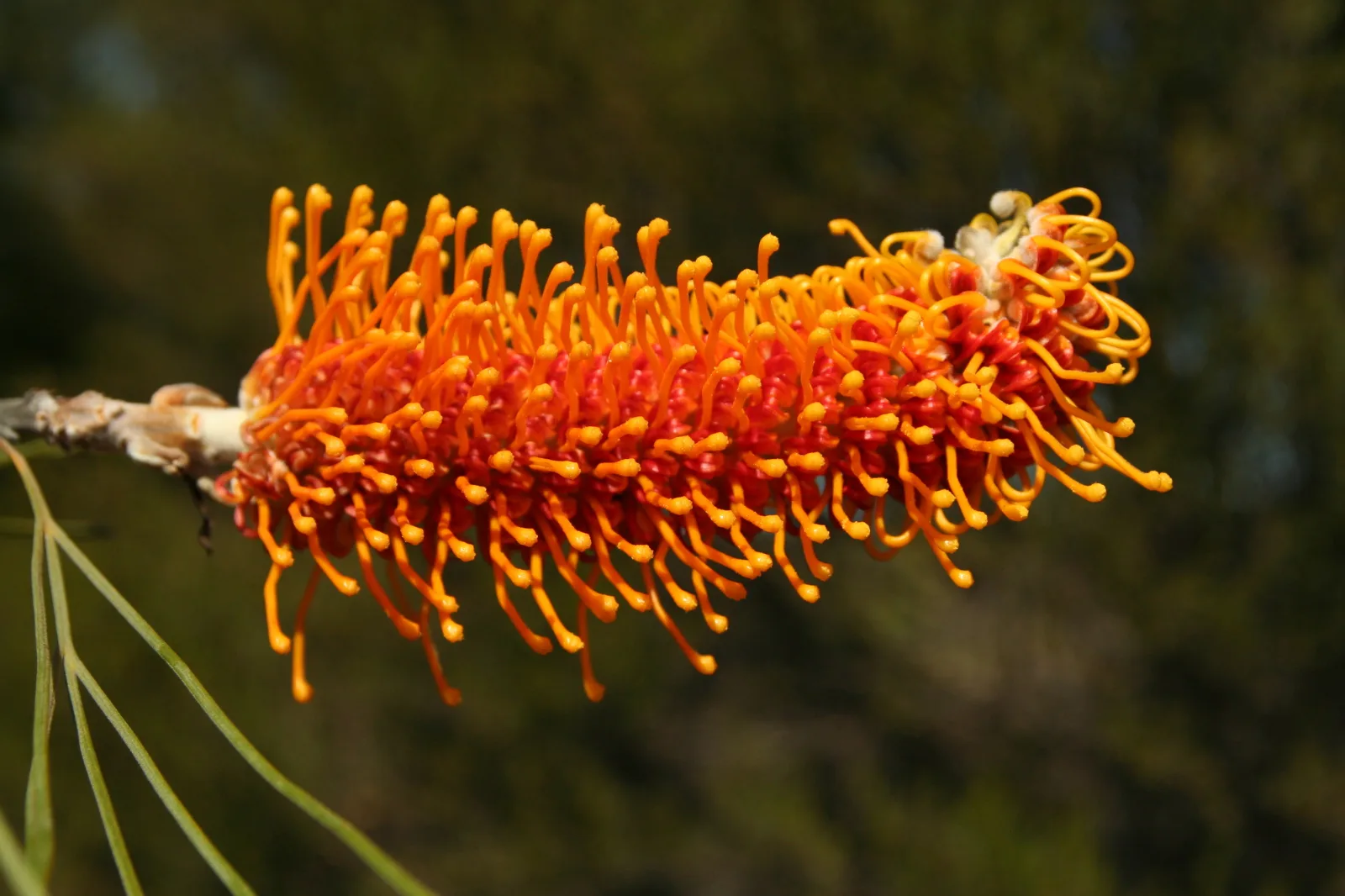
Flame grevillea
Grevillea excelsior Diels
Flame grevillea sends up glowing orange flower spikes above narrow grey-green leaves. Honeyeaters visit the flowers, and a tiny native bee has even been observed biting into unopened blooms for pollen. Grow this Western Australian shrub in full sun and sandy, free-draining soil.
Size: Usually around 3–5 m tall and 3–4 m wide in gardens; wild specimens can reach about 8 m.
9
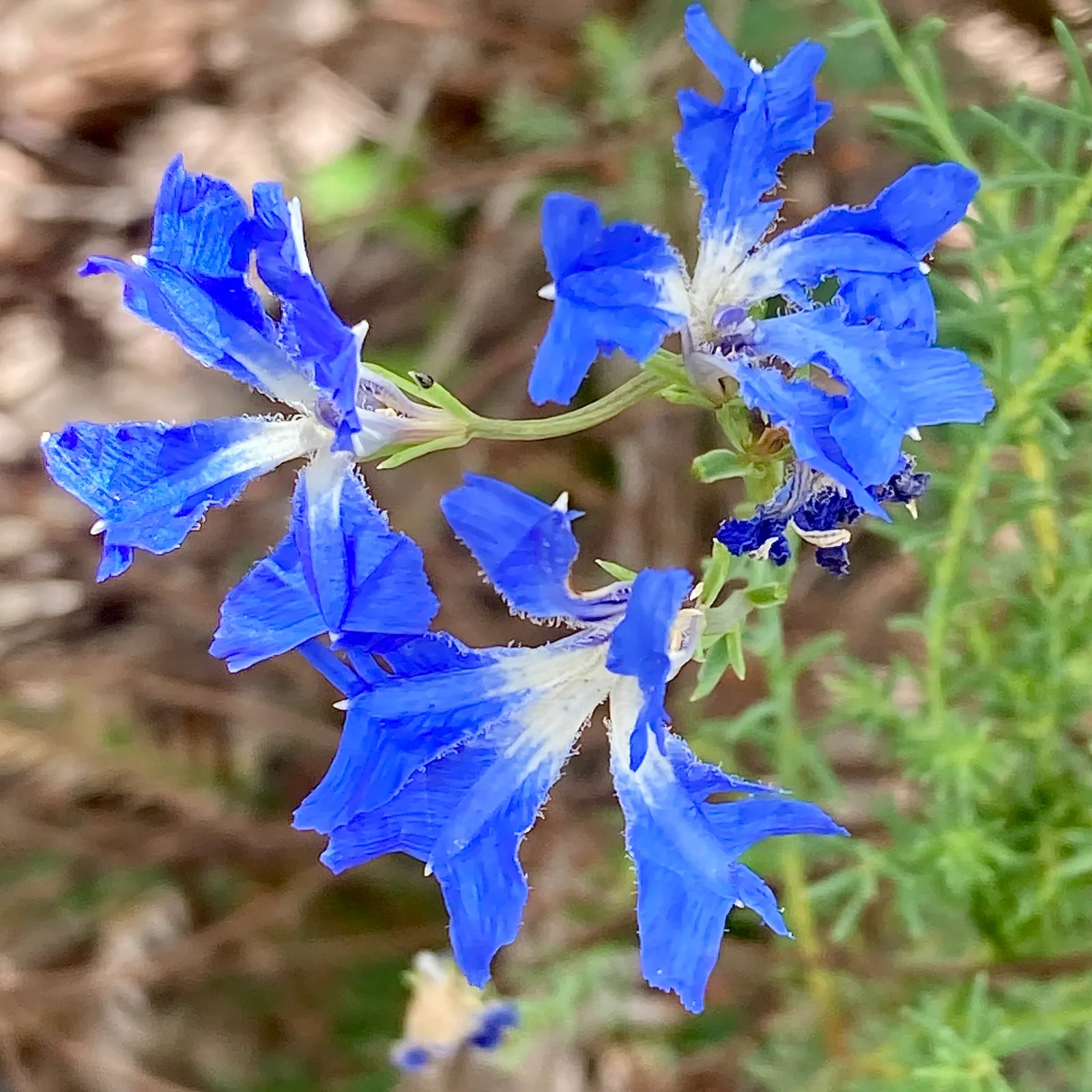
Blue lechenaultia
Lechenaultia biloba Lindl.
Few Australian native flowers have a blue quite like lechenaultia's. Fine stems form a low, spreading mound that looks lovely in a sunny rockery or over the edge of a wide pot. It needs very free-draining soil, and taking cuttings is a good way to keep new plants coming.
Size: Usually around 20–50 cm tall and 30–60 cm wide in cultivation; some wild forms may be taller or wider.
Grow a Little Wild
New plants to try, useful growing tips and a few garden jobs based on what you grow.
10
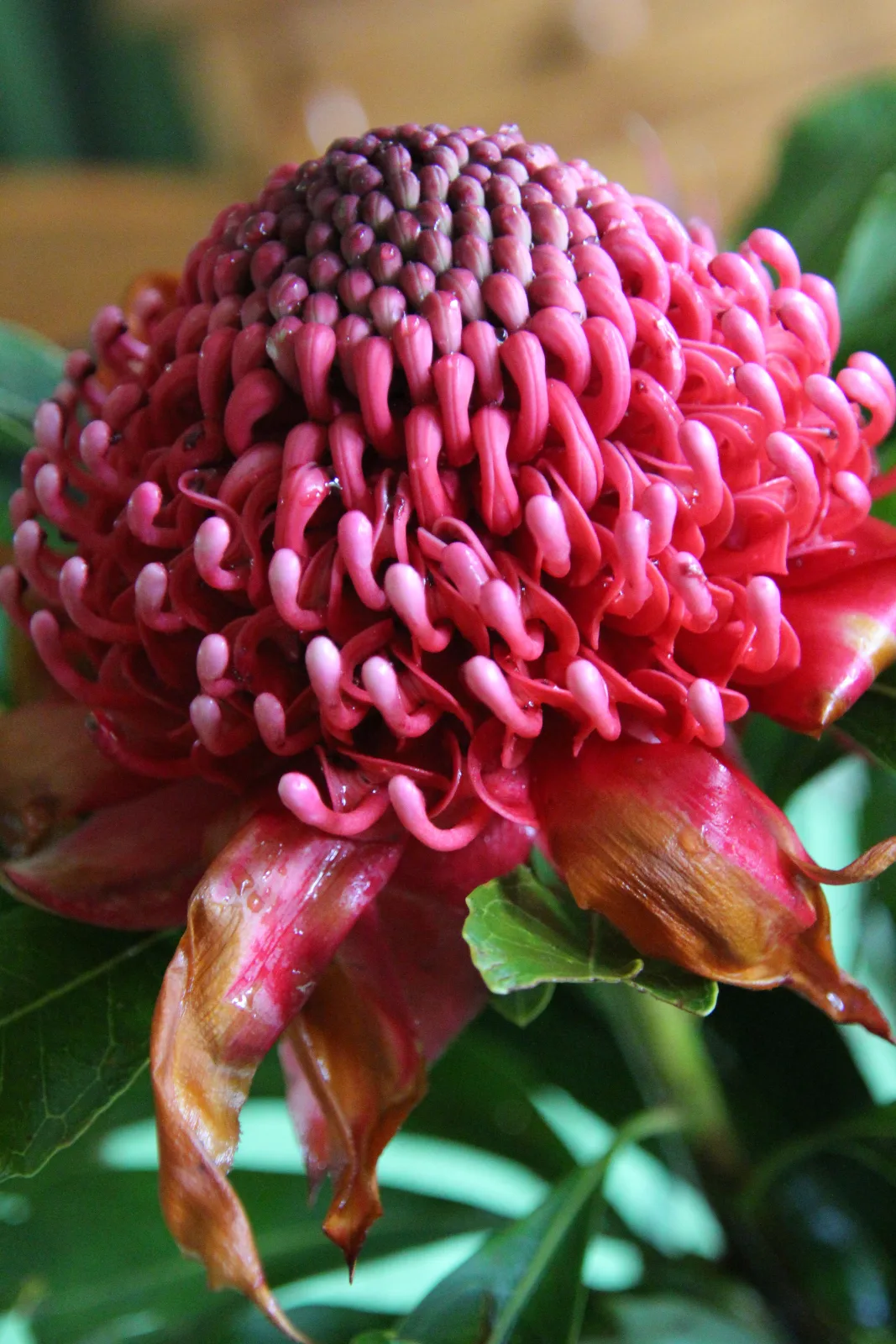
NSW waratah
Telopea speciosissima (Sm.) R.Br.
NSW waratah produces enormous, intricate red flowerheads in spring. A single stem looks impressive in a vase, while flowers left on the shrub draw honeyeaters. Grow it in a well-drained spot with good soil, morning sun and some shelter from the hottest afternoon weather.
Size: Usually 2–4 m tall, about 1.5–2.5 m wide.
11
Pincushion hakea
Hakea laurina R.Br.
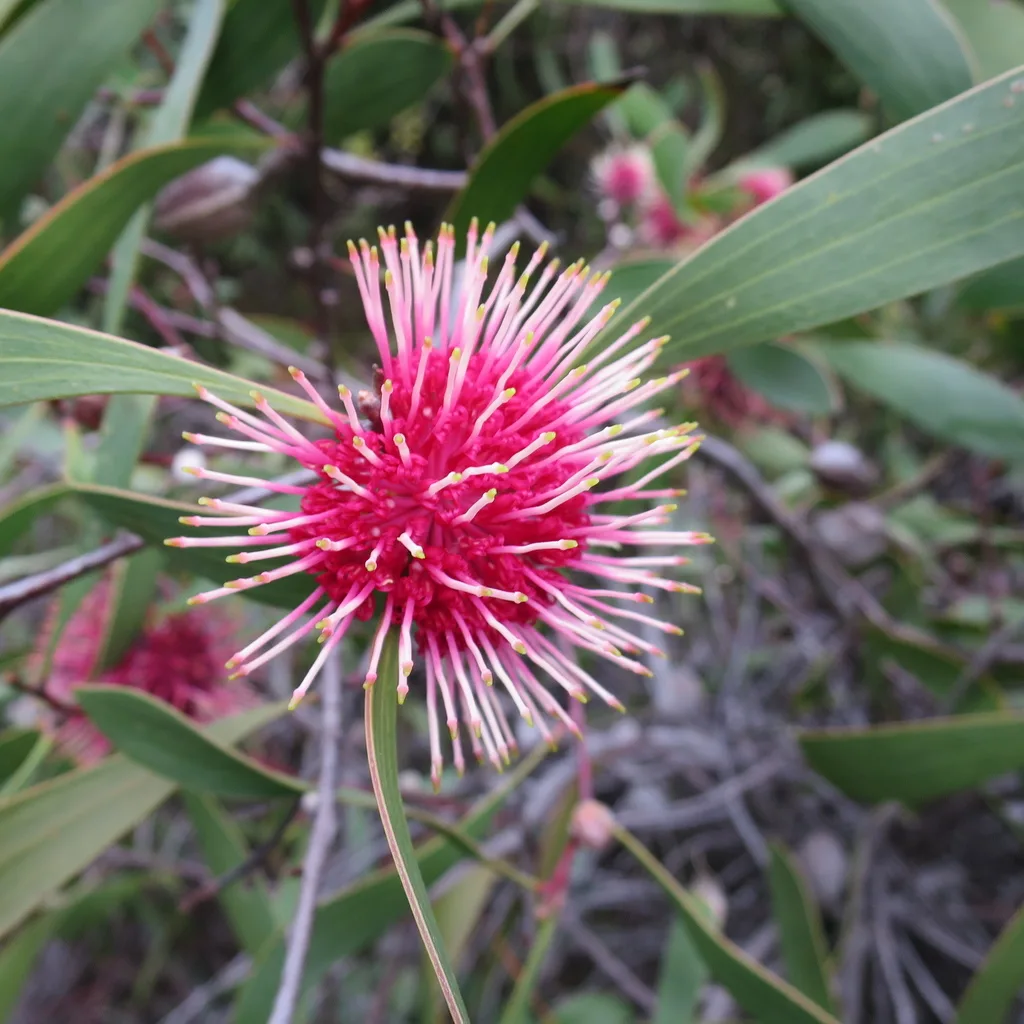
Pincushion hakea brings rounded red-and-cream flowers to the garden through autumn and winter. Long styles give each head its distinctive pincushion shape, and flowering branches are lovely for cutting. Grow this shrub in full sun with good drainage and enjoy the honeyeaters visiting for nectar.
Size: Usually 3–6 m tall and 2–4 m wide; some plants grow larger.
12
Cooktown orchid
Dendrobium bigibbum Lindl.
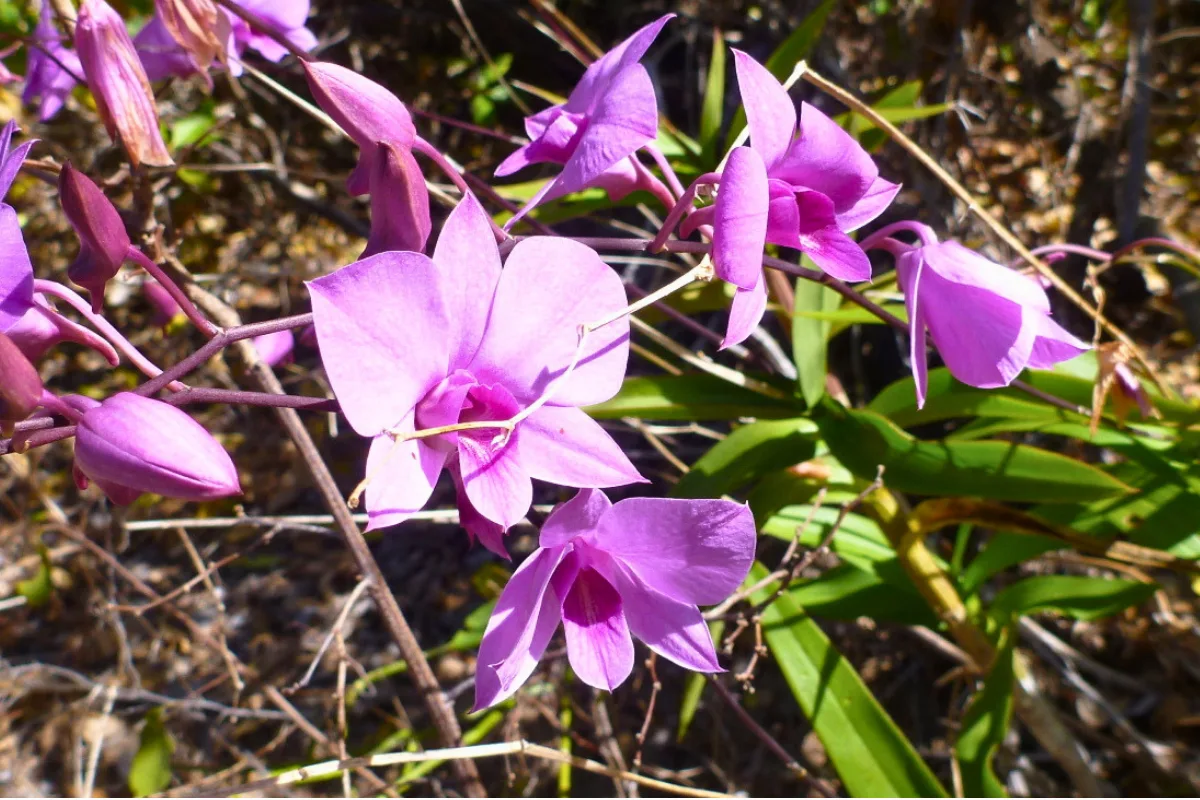
Cooktown orchid carries sprays of pink or mauve flowers above thick, water-storing canes. Mount it on a bright, open tree trunk or grow it in a basket of chunky orchid mix so air can reach the roots. Queensland's floral emblem is especially lovely hanging among tropical garden trees.
Size: Canes often 30–80 cm tall, reaching about 1.2 m in some forms. Established clumps may eventually spread 50–100 cm across, with long arching flower sprays.
13
Hairpin banksia
Banksia spinulosa Sm.
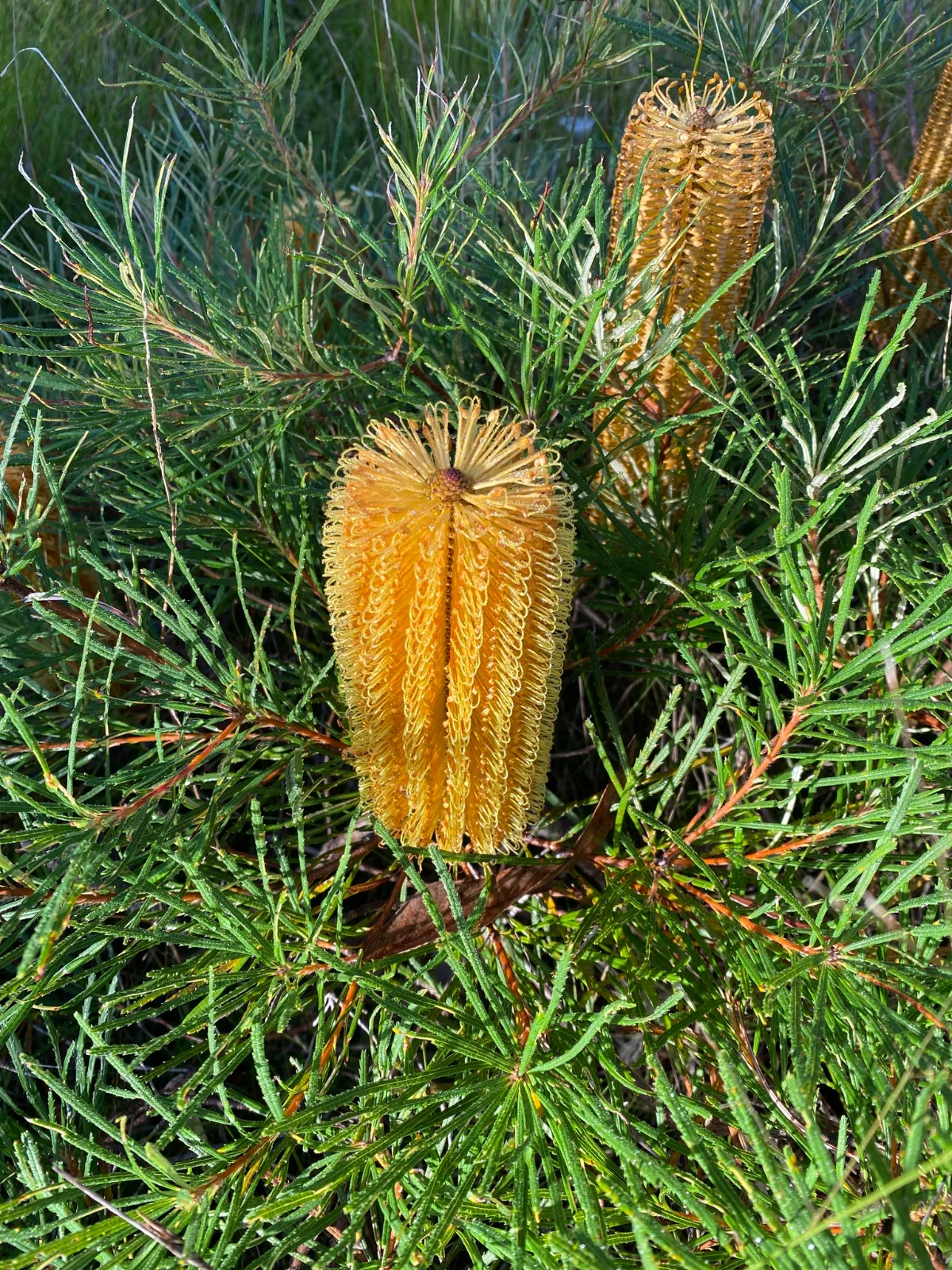
Hairpin banksia lights up the cooler months with golden flower spikes and dark, hooked styles. Honeyeaters feed among the blooms, and small mammals including pygmy-possums and gliders have also been recorded visiting banksia flowers. Compact garden selections fit nicely in pots, while larger forms make generous flowering shrubs.
Size: Wild-type often 1–3 m tall and about 1–2 m wide; some horticultural dwarf selections reach only 30–60 cm high and 0.8–1.5 m across.
14
Paper daisy
Rhodanthe chlorocephala (Turcz.) Paul G.Wilson
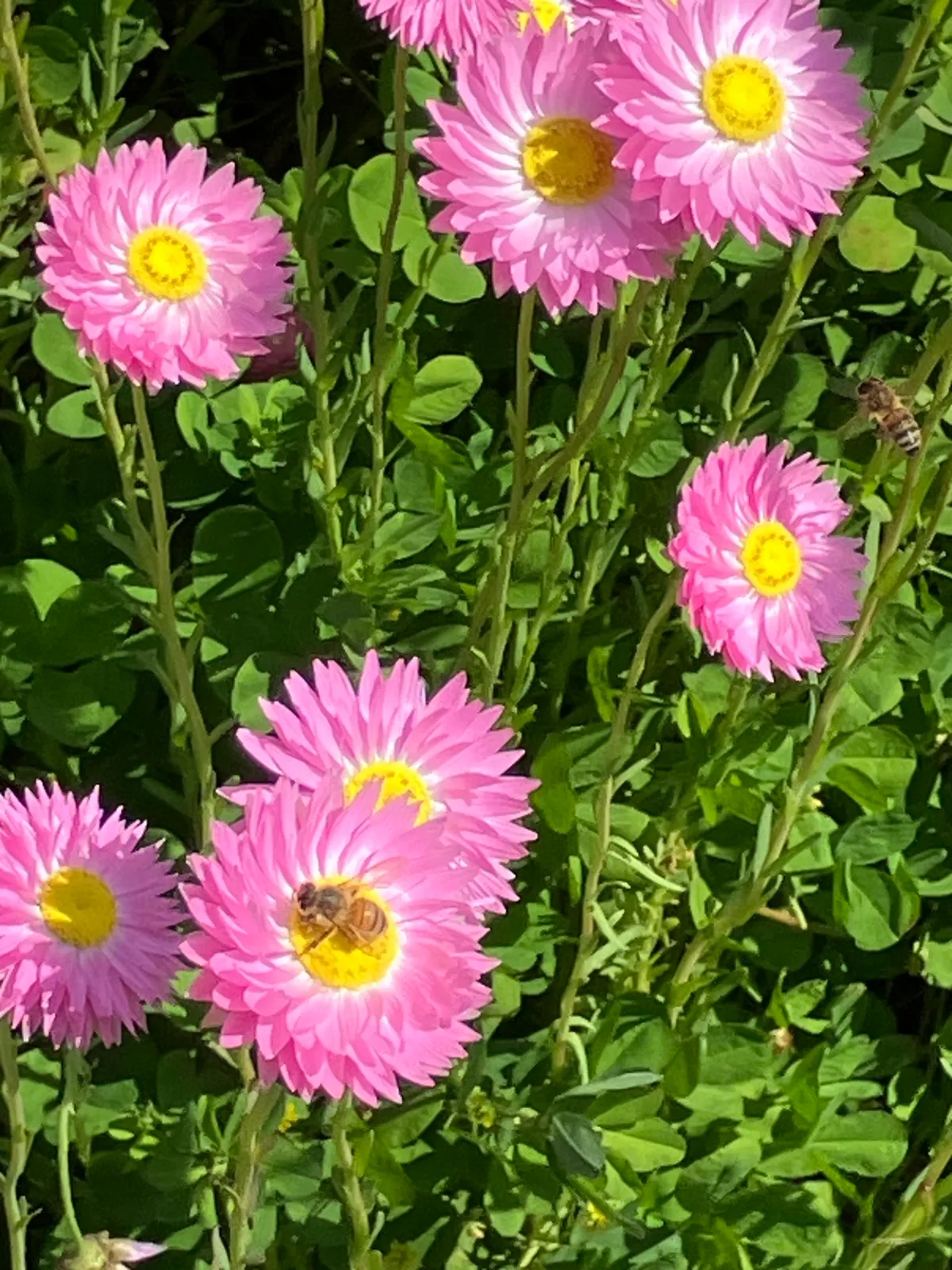
For a whole bed of spring colour, it's hard to beat pink paper daisies. Sow seed in a sunny, well-drained patch and enjoy masses of pink and white flowers. The papery blooms are lovely in dried arrangements, and you can save seed to sow again next season.
Size: Commonly about 15–50 cm tall, depending on subspecies, conditions and seed selection; low spreading patches in mass sowings.
15
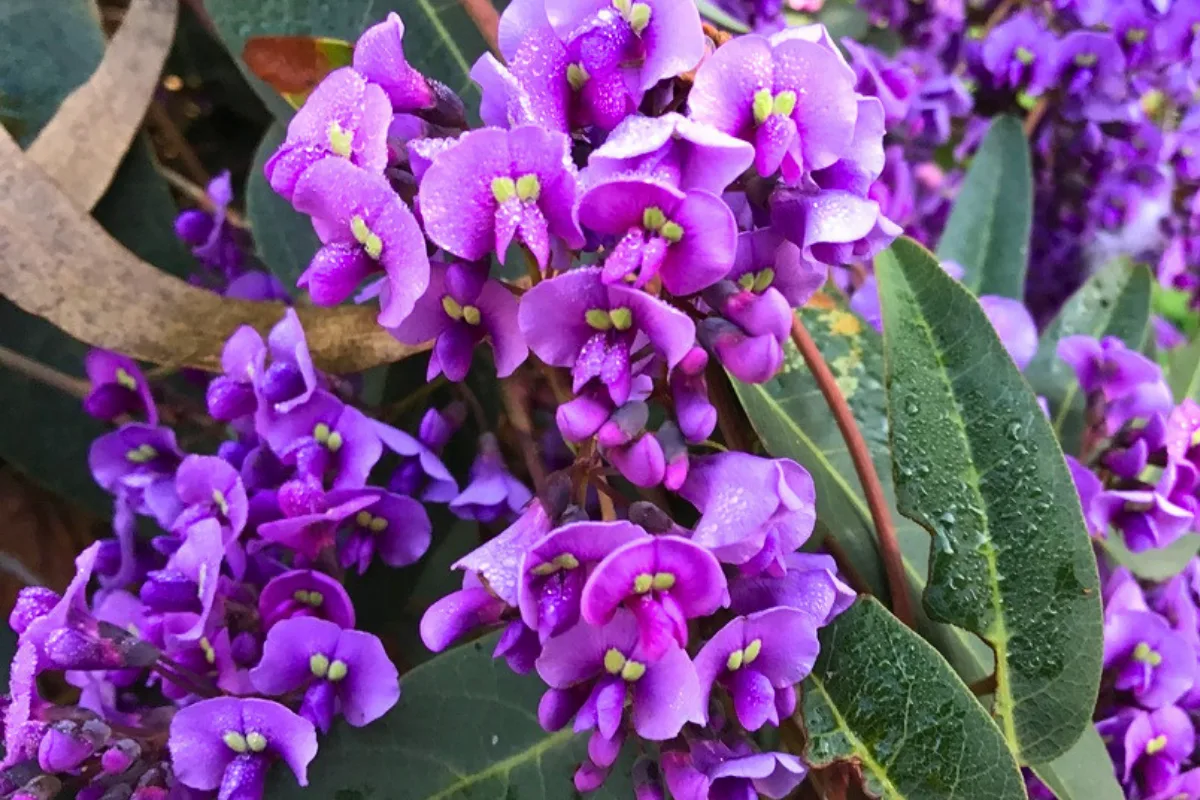
Purple coral pea
Hardenbergia violacea (Schneev.) Stearn
Purple coral pea brings sprays of violet flowers to fences and banks from winter into spring. Climbing forms can cover a trellis, while compact or trailing selections suit pots and smaller gardens. Native bees visit the blooms, adding another reason to grow it near the garden's busy spots.
Size: Climbing forms commonly have 2–4 m stems; vigorous cultivars spread farther. Trailing and shrubby cultivars vary considerably.
16
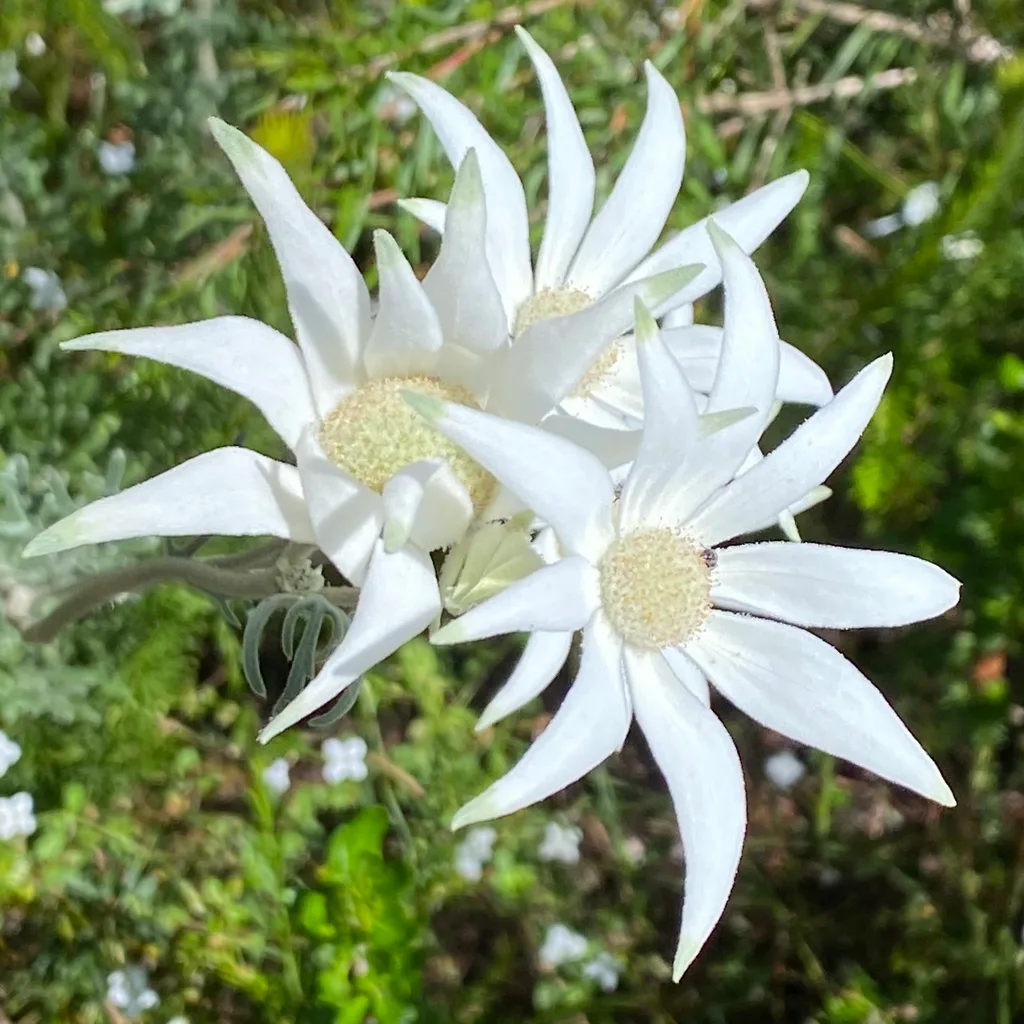
Flannel flower
Actinotus helianthi Labill.
Flannel flower's white, star-shaped heads rise above soft silver-green foliage. Grow a few in a sunny, sandy bed or large pot, and pick stems for a distinctive vase arrangement. Native bees, hoverflies and beetles also visit the tiny flowers in the centres.
Size: Usually 30–90 cm tall, occasionally up to 1.5 m
17
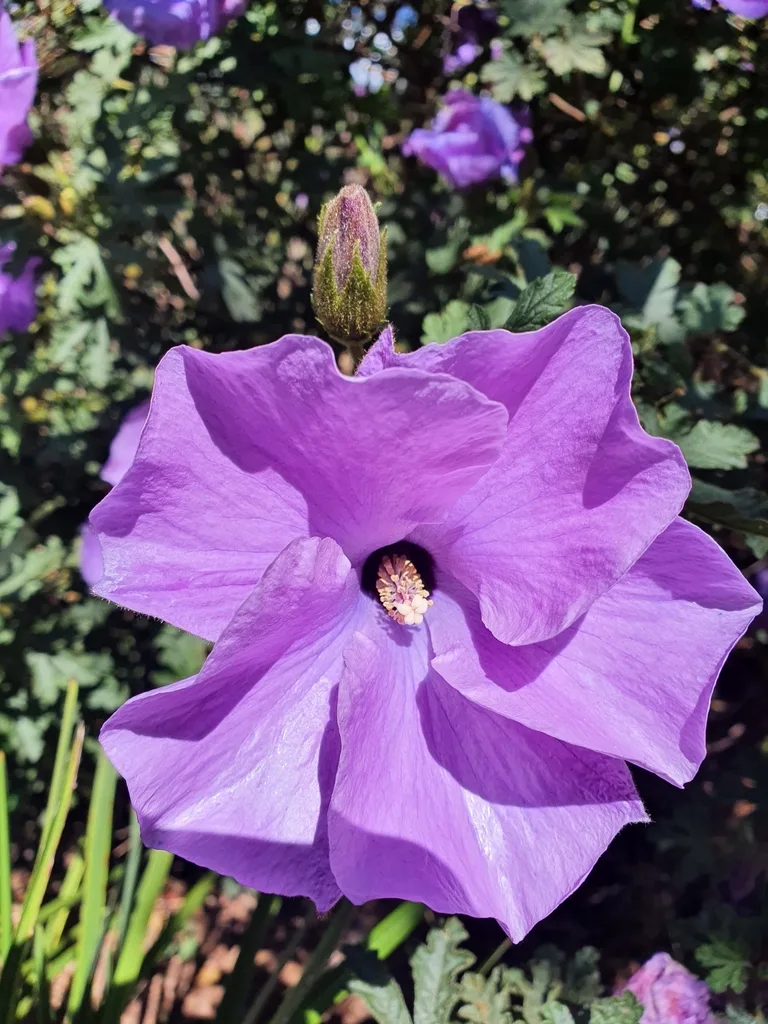
Lilac hibiscus
Alyogyne huegelii (Endl.) Fryxell
Lilac hibiscus can put on an enormous show of purple flowers, even though each bloom lasts only a day or two. This fast-growing Australian shrub makes a colourful hedge in full sun. Prune it each year to encourage fresh flowering growth and keep the branches in shape.
Size: Usually 2–2.5 m high and wide; some named selections reach 3.5 m high and 4 m across.
18
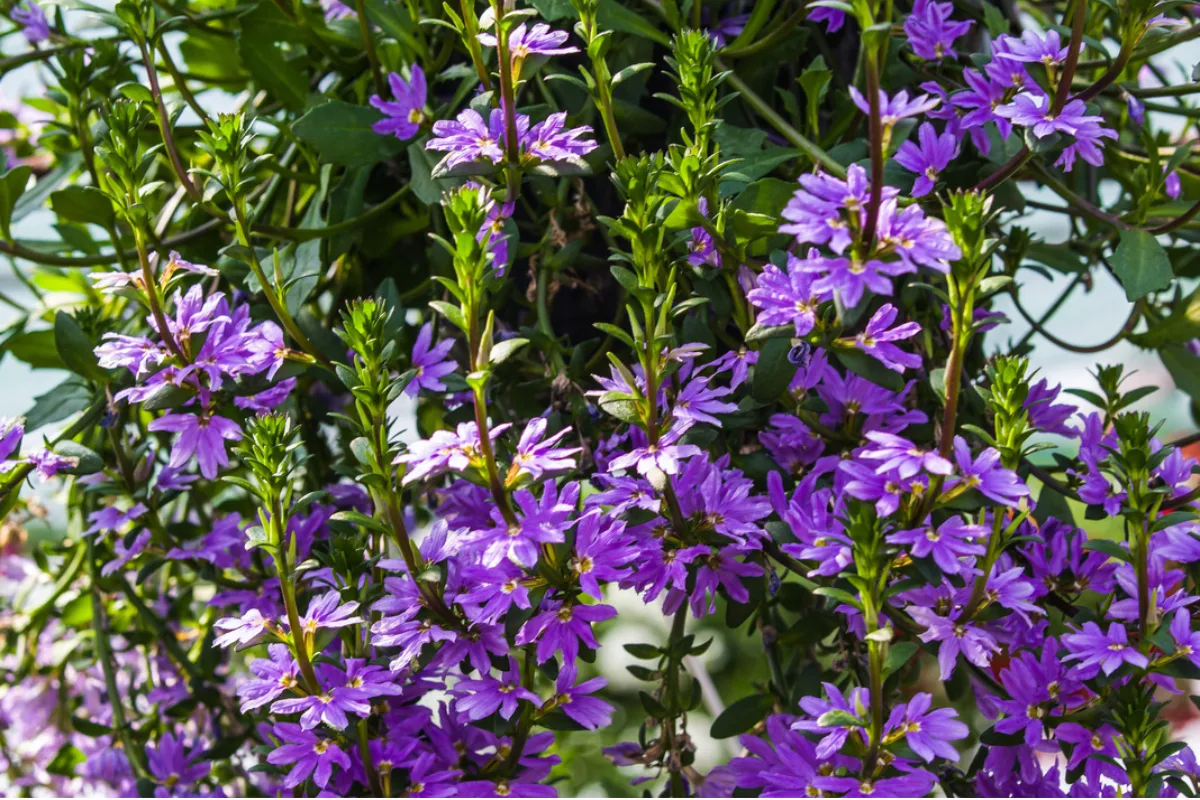
Fairy fan-flower
Scaevola aemula
Fairy fan-flower spreads blue, mauve and purple blooms over borders, rocks and hanging baskets for months. It's a lovely low-growing choice for the front of a flower bed, with stems that soften hard edges. You can even cut a few flowering sprays for a little vase indoors.
Size: Usually 15–50 cm high and 50 cm–1 m across; vigorous selections such as ‘Purple Fanfare’ may spread 1–2 m.
Growing Australian Native Flowers in Your Garden
A colourful native garden doesn't need to peak all at once. Hairpin banksia and pincushion hakea can flower through autumn and winter, followed by spring displays from kangaroo paws and paper daisies. Red flowering gum brings colour in summer. Mixing flowering seasons gives you more to enjoy and provides food for visiting wildlife at different times of year.
Think about size and shape as well as colour. Golden penda can become a substantial shade tree, while fairy fan-flower suits the front of a border or a hanging basket. Grow purple coral pea over a trellis, plant flannel flowers in a sunny, sandy bed, or fill a wide pot with paper daisies.
The best choices depend on where you garden. Sturt's desert pea and blue lechenaultia come from drier parts of Australia and need excellent drainage. Golden penda and Cooktown orchid are much better suited to warm, humid conditions. Match flowering plants to your sunlight, soil and rainfall, and your native garden will be easier to grow and more enjoyable through the seasons.
Featured image by Oliver S., some rights reserved (CC-BY) via Inaturalist (https://www.inaturalist.org/observations/105484676)
Questions People Ask
- Which Australian native flowers grow well in pots?
Fairy fan-flower and blue lechenaultia are lovely spilling over wide pots or baskets. Paper daisies can fill a sunny container with spring colour, and Cooktown orchid grows well in a hanging orchid basket. Choose a potting mix that suits the plant; a rainforest orchid and a dry-country wildflower need very different conditions.
- Which Australian native flowers attract birds?
Kangaroo paws, banksias, grevilleas, hakeas and golden penda all provide nectar for visiting birds. The species you see will depend on where you live. Growing plants that flower at different times can give local honeyeaters and lorikeets more opportunities to feed through the year.
- Can you grow Australian native flowers in humid climates?
Yes, but choose carefully. Golden penda, native pink hibiscus and Cooktown orchid suit warmer, more humid gardens. Western Australian natives such as Sturt's desert pea and blue lechenaultia are harder to keep happy through prolonged wet weather, especially when their roots stay damp.
- Which Australian native flowers bloom in winter?
Pincushion hakea and hairpin banksia can bring flowers through autumn and winter, while purple coral pea often starts flowering in winter and continues into spring. Flowering times vary with the local climate, so check what grows and blooms well in your district.